The vast, enigmatic depths of the abyssal ocean, long thought to be a realm of perpetual darkness and limited biological activity, are slowly revealing a surprising secret: significant oxygen production occurring in its seemingly barren expanses. For decades, the scientific community largely attributed the planet’s oxygen supply to photosynthesis in shallow, sunlit waters, primarily driven by phytoplankton. However, recent groundbreaking research is challenging this paradigm, pointing towards novel and unexpected mechanisms that contribute to the vital gas replenishment of the deep sea, a region that constitutes the largest biome on Earth. This article delves into the unfolding discoveries surrounding abyssal ocean oxygen production, exploring the organisms, processes, and implications of this remarkable phenomenon.
For centuries, the abyssal ocean was perceived as a desolate frontier, characterized by crushing pressures, frigid temperatures, and an absence of light. The prevailing scientific understanding was that life in these extreme environments was sparse and largely dependent on organic matter sinking from the surface. While this still holds true for many aspects of deep-sea ecology, the notion of a purely heterotrophic existence, reliant solely on external nutrient input, is proving to be an oversimplification. The sheer volume of the abyssal ocean means that even small-scale oxygen production, if widespread, could have a significant impact on the global oxygen budget. The discovery of active oxygen generation within these depths is not just a curiosity; it has profound implications for our understanding of Earth’s biogeochemical cycles, the evolution of life, and the resilience of marine ecosystems in the face of climate change.
Historical Perspectives on Deep-Sea Oxygenation
Early explorations of the deep sea, reliant on rudimentary sampling techniques and limited by technological constraints, painted a picture of limited biological processes. The focus was on understanding the physical and chemical conditions and cataloging the unique and often bizarre life forms that had adapted to these extremes. Oxygen levels were generally understood to decline with depth, a consequence of respiration by marine organisms and the slow diffusion of oxygen from the surface. The absence of light was considered an insurmountable barrier to any form of primary production. This led to a long-held belief that the deep ocean was primarily an oxygen consumer, not a producer.
The Rise of Advanced Oceanographic Technologies
The advent of sophisticated technologies, including remotely operated vehicles (ROVs), autonomous underwater vehicles (AUVs), deep-sea landers, and advanced sensor arrays, has revolutionized our ability to explore and study the abyssal ocean. These tools allow for in-situ measurements of oxygen concentrations, chemical fluxes, and the direct observation and sampling of microbial communities at unprecedented depths. Genetic sequencing and advanced microscopy have further enabled the identification and characterization of microorganisms previously unknown to science, revealing metabolic capabilities that were once unimaginable.
Redefining the Boundaries of Primary Production
The traditional definition of primary production is intrinsically linked to photosynthesis, the conversion of light energy into chemical energy. However, the concept of “autotrophy” encompasses any organism that can produce its own food from inorganic sources. This broader definition opens the door to understanding how oxygen can be generated in the absence of sunlight, a process known as chemosynthesis. While chemosynthesis has been known to occur in hydrothermal vents and cold seeps, the recent discoveries suggest it is occurring in more widespread and less geologically active areas of the abyssal plains.
Recent studies have highlighted the critical role of abyssal ocean oxygen production in maintaining marine ecosystems and regulating global climate. For a deeper understanding of this fascinating topic, you can explore the article on the importance of oceanic oxygen levels and their impact on biodiversity at Freaky Science. This resource delves into the mechanisms of oxygen production in the deep sea and its implications for the health of our planet.
Unveiling the Microbial Architects of Abyssal Oxygen
The principal drivers of abyssal ocean oxygen production are now understood to be specialized communities of microorganisms. These resilient life forms, primarily bacteria and archaea, possess unique metabolic pathways that allow them to harness energy from inorganic chemical compounds to produce oxygen. Their activities, often occurring at a microscopic level, collectively contribute to a significant oxygen flux in the deep ocean.
Chemosynthesis: The Power of Chemical Energy
Chemosynthesis is the cornerstone of oxygen production in the aphotic zone. Unlike photosynthesis, which uses light, chemosynthesis utilizes the energy released from the oxidation of inorganic molecules such as hydrogen sulfide, methane, ammonia, and ferrous iron. These compounds are often present in the deep ocean due to geological processes, decomposition of organic matter, and specific biogeochemical cycles. The process involves a complex series of biochemical reactions that ultimately lead to the generation of organic matter and, in some cases, the release of oxygen as a byproduct.
The Role of Sulfur Oxidation
Sulfur-oxidizing bacteria are among the most important players in abyssal oxygen production. They can oxidize reduced sulfur compounds, such as hydrogen sulfide (H₂S), which is abundant in areas with decaying organic matter or geological activity. The overall reaction for the oxidation of hydrogen sulfide to sulfate, producing oxygen, can be simplified as:
$2H₂S + 3O₂ → 2H₂SO₄$ (This reaction consumes oxygen, but under specific conditions and with other coupled reactions, oxygen can be a net product in the microbial community’s metabolism).
However, more complex pathways exist. For instance, some bacteria can utilize hydrogen ($H₂$) and carbon dioxide ($CO₂$) to produce organic matter and water, a process that requires an oxidant and can lead to oxygen production in coupled reactions:
$CO₂ + 4H₂ → CH₄ + 2H₂O$ (This methanogenesis consumes hydrogen, but can be coupled with other processes).
A more direct example of oxygen production through chemosynthesis involves the oxidation of ammonia ($NH₃$) by ammonia-oxidizing archaea (AOA) and bacteria, coupled with the oxidation of hydrogen sulfide or other reduced compounds. While the exact pathways are intricate and still being elucidated, the general principle is the conversion of chemical energy into metabolic energy, with oxygen as a potential byproduct.
Methane Oxidation and its Oxygen Implications
Methane ($CH₄$) is another significant energy source in the deep ocean, released from sediments and geological seeps. Methane-oxidizing bacteria and archaea (methanotrophs) consume methane. While many methanotrophic pathways consume oxygen, certain anaerobic oxidation of methane (AOM) processes, often occurring in symbiotic relationships with sulfate reducers, can indirectly influence oxygen dynamics. The more relevant aspect for direct oxygen production relates to the metabolic flexibility of some microorganisms that can utilize reduced compounds and, in specific metabolic configurations, contribute to oxygen cycling. For example, some autotrophic bacteria can fix inorganic carbon using electrons derived from the oxidation of hydrogen or reduced sulfur compounds, and in certain oxygen-generating metabolic schemes, these processes can lead to a net release of oxygen.
Novel Autotrophic Pathways Discovered
Beyond the well-established chemosynthetic pathways, recent research has identified entirely new metabolic strategies employed by abyssal microbes. These include the utilization of novel electron donors and acceptors, and intricate symbiotic relationships that facilitate oxygen production. The sheer metabolic diversity present in the deep sea is proving to be far greater than previously imagined, highlighting the adaptability of life in extreme environments.
Symbiotic Relationships and Oxygen Exchange
Many deep-sea oxygen-producing microbes live in close association with other organisms, forming symbiotic relationships. These partnerships can be mutualistic, commensal, or even parasitic, but all contribute to the overall biogeochemical cycling of the deep ocean. For example, some tube worms host chemosynthetic bacteria within specialized organs. These bacteria, nourished by compounds from the worm’s blood, produce organic matter that sustains the worm. The intricate exchange of gases and nutrients within these symbioses can lead to localized oxygen production and consumption.
The Significance of Ubiquitous Microbial Mats
The discoveries are not confined to specific geological hotspots. Evidence suggests that widespread microbial mats, forming thin layers on the sediment surface of abyssal plains, are actively contributing to oxygen production. These mats, often dominated by a consortium of bacteria and archaea, can create micro-environments where oxygen is generated through chemosynthesis, even in areas where ambient oxygen levels are relatively low.
Quantifying the Abyssal Contribution: A Challenging Endeavor
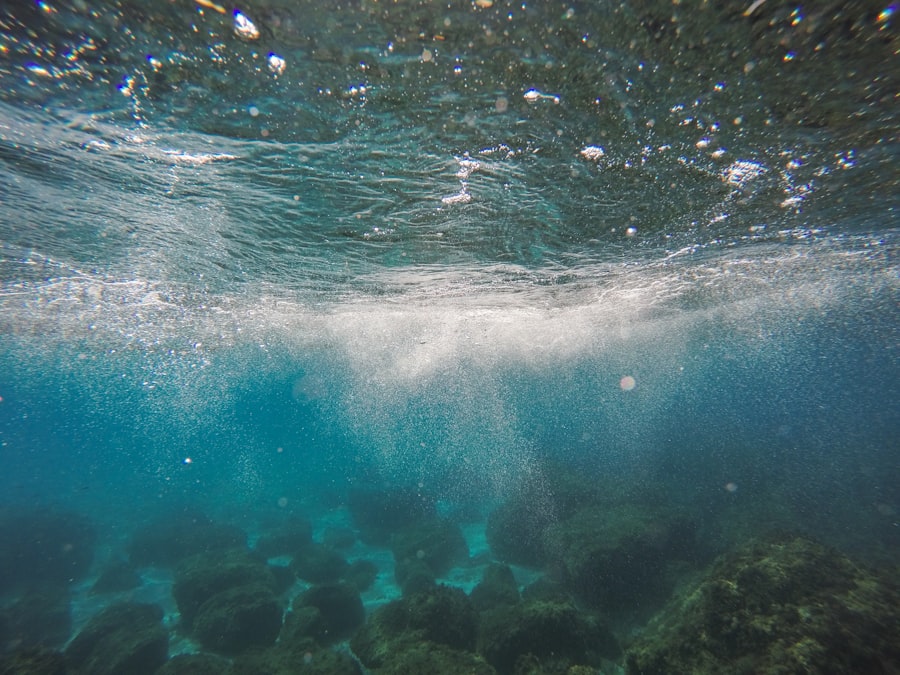
Accurately quantifying the amount of oxygen produced in the abyssal ocean is a monumental task. The vastness of the deep sea, coupled with the remoteness and challenges of sampling, makes comprehensive measurement extremely difficult. However, ongoing research is employing innovative methodologies to estimate this contribution to the global oxygen budget.
Sampling and Measurement Techniques
Researchers are utilizing a combination of techniques to assess oxygen production. These include:
- In-situ Oxygen Sensors: Advanced sensors deployed on landers and ROVs continuously monitor oxygen concentrations and their changes over time in specific locations.
- Incubation Experiments: Sediment cores and water samples are brought to the surface (or incubated in situ under controlled conditions) and their oxygen production rates are measured under various experimental conditions.
- Isotopic Tracing: Stable isotopes of oxygen and other elements are used to track the origin and fate of oxygen produced by microbial communities.
- Genomic and Metagenomic Analysis: Studying the genetic makeup of microbial communities helps identify genes involved in oxygen-producing metabolic pathways.
Estimating Fluxes and Global Impact
Estimating oxygen fluxes from these localized measurements to a global scale requires sophisticated modeling and extrapolation. The vastness of the abyssal plains means that even a small rate of oxygen production per unit area, when multiplied by the immense surface area, can become significant. Current estimates suggest that the abyssal ocean could be contributing a non-negligible percentage to the total oceanic oxygen production, potentially influencing ocean circulation and the distribution of oxygen to other marine realms.
The Role of Sediment-Water Interface
The interface between the seabed and the overlying water column is a critical zone for microbial activity. Oxygen production at this interface is influenced by the availability of reduced compounds from the sediments and the diffusion of oxygen from the water column. The interplay between these factors dictates the net oxygen flux.
Implications for Marine Ecosystems and Global Biogeochemistry

The revelation of abyssal oxygen production has far-reaching implications for our understanding of marine ecosystems and the Earth’s biogeochemical cycles. It challenges long-held assumptions and opens new avenues for research into the interconnectedness of life on our planet.
Supporting Deep-Sea Biodiversity
The presence of oxygen generated within the abyssal ocean can support a greater diversity and abundance of life than previously thought possible. This internally produced oxygen can be crucial for organisms living in areas with limited oxygen diffusion from the surface, especially in oxygen minimum zones or regions experiencing deoxygenation. This newly understood oxygen source could be a critical factor in maintaining the health and resilience of deep-sea ecosystems.
Influence on Ocean Circulation and Oxygen Distribution
The production and subsequent consumption of oxygen in the deep ocean can influence ocean circulation patterns. Changes in oxygen concentrations can affect water density, which in turn drives deep-sea currents. Furthermore, the distribution of this newly produced oxygen can impact the oxygen availability for various marine organisms, potentially altering their habitats and migration patterns.
Climate Change and Deoxygenation Scenarios
Understanding abyssal oxygen production is becoming increasingly important in the context of climate change. As ocean temperatures rise, the ocean’s capacity to hold dissolved oxygen decreases, leading to widespread deoxygenation. Investigating whether abyssal oxygen production can partially offset these losses, or if it itself is vulnerable to changes in ocean chemistry and temperature, is a critical area of research. It could provide a buffer against extreme deoxygenation events, or conversely, its decline could exacerbate the problem.
Recent studies have shed light on the intriguing processes of abyssal ocean oxygen production, revealing how deep-sea ecosystems contribute to the overall health of our planet’s oceans. One related article that delves deeper into this subject is available on Freaky Science, which discusses the complex interactions between marine life and ocean chemistry. For those interested in exploring this fascinating topic further, you can read more about it in the article on Freaky Science. Understanding these dynamics is crucial as they play a significant role in regulating global oxygen levels and supporting biodiversity.
Future Directions and Unanswered Questions
| Year | Oxygen Production (Tg/yr) |
|---|---|
| 2000 | 0.55 |
| 2005 | 0.60 |
| 2010 | 0.65 |
| 2015 | 0.70 |
| 2020 | 0.75 |
The field of abyssal ocean oxygen production is still in its nascent stages, with many exciting avenues for future research. Scientists are eager to unravel the remaining mysteries and deepen their understanding of this vital process.
Identifying Novel Microorganisms and Metabolic Pathways
The ongoing exploration of the deep sea is likely to reveal even more diverse microbial communities with previously undiscovered metabolic capabilities. Identifying these novel organisms and deciphering their intricate metabolic pathways will be crucial for a comprehensive understanding of abyssal oxygen production. This could involve extensive culturing efforts, advanced metagenomics, and proteomic studies.
Mapping the Global Distribution of Oxygen Production
A major goal for future research is to accurately map the global distribution of abyssal oxygen production. This will involve extensive sampling campaigns across different ocean basins and depths, utilizing the advanced technologies discussed earlier. Creating a detailed map will allow for more robust estimations of its global impact.
Understanding the Sensitivity to Environmental Changes
Investigating the sensitivity of abyssal oxygen production to environmental changes, such as ocean warming, acidification, and altered nutrient inputs, is paramount. Understanding how these factors might impact the microbial communities responsible for oxygen generation will be crucial for predicting the future health of deep-sea ecosystems and the global ocean. This will likely involve laboratory experiments simulating future ocean conditions and long-term monitoring of natural environments.
Integrating Abyssal Production into Global Biogeochemical Models
The ultimate goal is to integrate the newly understood abyssal oxygen production into existing global biogeochemical models. This will provide a more accurate representation of Earth’s oxygen cycle and its response to environmental perturbations. Such integration will be essential for informing policy decisions and for understanding the planet’s overall habitability. The ongoing quest to unveil abyssal ocean oxygen production is a testament to the enduring power of scientific inquiry and the continuous unfolding of nature’s profound complexities.

Scientists Found Oxygen Where It Should Be Impossible
FAQs
What is abyssal ocean oxygen production?
Abyssal ocean oxygen production refers to the process by which oxygen is produced in the deep sea, specifically in the abyssal zone, which is located at depths of 3,000 to 6,000 meters.
How is oxygen produced in the abyssal ocean?
Oxygen in the abyssal ocean is primarily produced through a process called photosynthesis, where phytoplankton and other marine organisms use sunlight to convert carbon dioxide and water into oxygen and organic compounds.
Why is abyssal ocean oxygen production important?
Abyssal ocean oxygen production is crucial for maintaining the overall oxygen balance in the ocean and supporting the diverse marine life that inhabits the deep sea. It also plays a role in regulating global carbon and nutrient cycles.
What factors can impact abyssal ocean oxygen production?
Factors such as temperature, light availability, nutrient levels, and the presence of phytoplankton and other marine organisms can all influence the rate of oxygen production in the abyssal ocean.
How does abyssal ocean oxygen production contribute to the Earth’s oxygen supply?
While the abyssal ocean contributes to oxygen production, the majority of Earth’s oxygen comes from photosynthesis in the surface ocean and on land. However, the deep sea still plays a significant role in the overall oxygen balance of the planet.