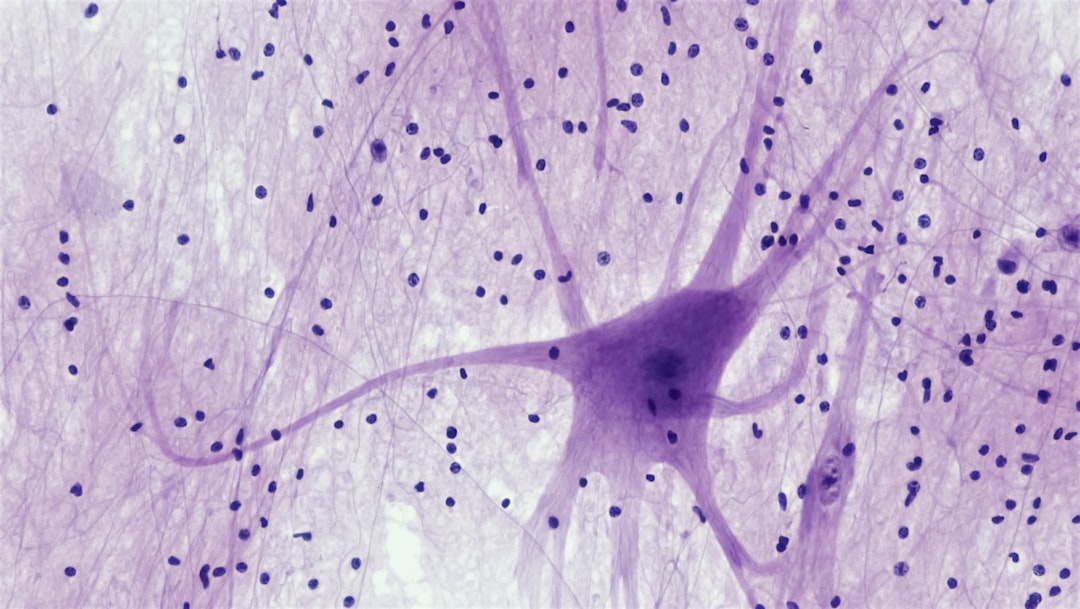
The intricate machinery of the brain, a symphony of billions of neurons firing in precise coordination, relies on the correct folding of its protein building blocks. When these proteins deviate from their intended three-dimensional structures, they become “misfolded.” This deviation, seemingly minor at a molecular level, can unleash a cascade of destructive events, ultimately leading to neurodegenerative diseases. Unraveling the role of misfolded proteins in these debilitating conditions is a central quest in neuroscience, promising not only to illuminate the fundamental mechanisms of brain aging and disease but also to forge pathways toward effective therapies.
Proteins are the workhorses of the cell, performing a vast array of functions essential for life. Their functionality is inextricably linked to their precisely sculpted three-dimensional shapes. Think of a protein as a complex origami creation; its intricate folds dictate its purpose. If the paper is creased incorrectly, the intended crane might become a shapeless lump, unable to fly. Similarly, a misfolded protein loses its ability to perform its designated tasks.
The Folding Process: A Delicate Ballet
The journey of a protein from its linear chain of amino acids to its functional three-dimensional form is a tightly regulated process. This “folding” is guided by intrinsic chemical properties and aided by specialized cellular chaperones. Chaperones act as cellular molecular assistants, preventing premature aggregation and guiding proteins along their correct folding pathways. This delicate ballet, however, is not foolproof.
Origins of Misfolding: A Multifaceted Problem
Misfolding can arise from a variety of sources. Genetic mutations can alter the amino acid sequence, making correct folding impossible. Environmental factors, such as oxidative stress or exposure to toxins, can damage existing proteins, causing them to contort. Age-related cellular decline can also impair the efficiency of chaperones, leaving proteins more vulnerable to misfolding. Imagine a factory producing intricate toys; if the machinery is faulty or the workers are tired, defective toys will inevitably emerge.
The Lethal Accumulation: Aggregates as Toxic Agents
Once a protein misfolds, it often becomes “sticky.” These errant proteins tend to clump together, forming aggregates. These aggregates are not inert bystanders; they are the primary culprits in neuronal demise. They can sow chaos within the cell in several ways.
Intracytoplasmic and Extracellular Aggregates: Damaging the Brain’s Fabric
Misfolded protein aggregates can accumulate both inside neurons (intracytoplasmic) and outside them in the space between cells (extracellular). In Alzheimer’s disease, for instance, amyloid-beta peptide aggregates form plaques that accumulate in the extracellular space, disrupting neuronal communication. Inside neurons, tau protein misfolds and forms neurofibrillary tangles, which disrupt the cell’s internal transport system. These aggregates act like structural impediments or toxic debris, clogging the intricate pathways of neuronal function.
Disruption of Cellular Machinery: A Systemic Breakdown
These aggregates can interfere with a multitude of cellular processes. They can clog vital cellular machinery, hindering the transport of nutrients and the removal of waste products. They can sequester essential proteins, preventing them from performing their roles. Furthermore, the cellular response to these toxic aggregates can itself be damaging, leading to inflammation and programmed cell death (apoptosis). It is akin to a city being inundated with garbage; not only does the garbage itself cause problems, but the efforts to clean it up can also disrupt daily life.
Recent studies have highlighted the critical role of misfolded proteins in the progression of neurodegenerative diseases such as Alzheimer’s and Parkinson’s. These misfolded proteins can aggregate and disrupt cellular function, leading to neuronal death and cognitive decline. For a deeper understanding of this phenomenon and its implications for neurodegeneration, you can read more in this related article: Misfolded Proteins and Neurodegeneration.
Key Players in Neurodegeneration: Specific Misfolded Proteins and Their Diseases
Several well-characterized misfolded proteins are intimately linked to distinct neurodegenerative diseases. Each disease presents a unique set of molecular culprits, but the underlying mechanism of misfolding and aggregation often shares striking similarities.
Amyloid-Beta and Tau: The Hallmarks of Alzheimer’s Disease
Alzheimer’s disease, the most common form of dementia, is characterized by the accumulation of two key misfolded proteins: amyloid-beta and tau. Amyloid-beta peptides, normally cleaved and cleared from the brain, can misfold and aggregate into amyloid plaques. Tau protein, a vital component of neuronal microtubules that provide structural support and facilitate axonal transport, can become hyperphosphorylated and detach from microtubules, leading to its misfolding and the formation of neurofibrillary tangles.
Recent studies have highlighted the critical role of misfolded proteins in the progression of neurodegenerative diseases, shedding light on potential therapeutic targets. For a deeper understanding of this connection, you can explore an insightful article that discusses the mechanisms by which these misfolded proteins contribute to neuronal damage and the implications for treatment strategies. To read more about this fascinating topic, visit Freaky Science.
Alpha-Synuclein: The Villain in Parkinson’s Disease and Lewy Body Dementia
Parkinson’s disease, primarily affecting motor control, and Lewy body dementia are characterized by the misfolding and aggregation of alpha-synuclein. This protein, normally found in presynaptic terminals and involved in neurotransmitter release, misfolds to form Lewy bodies, proteinaceous deposits found within neurons. The presence of Lewy bodies is a defining pathological feature of these diseases.
Huntingtin: The Gene Culprit in Huntington’s Disease
Huntington’s disease, an inherited neurodegenerative disorder, is caused by a mutation in the huntingtin gene. This mutation leads to an abnormally long stretch of a specific amino acid (glutamine) in the huntingtin protein. This expanded polyglutamine tract causes the huntingtin protein to misfold and form aggregates that are toxic to neurons, particularly in the striatum, a brain region crucial for motor control and cognition.
Prions: The Extreme Case of Misfolding Contagion
Perhaps the most dramatic example of misfolded proteins are prions. Prions are infectious agents composed solely of abnormally folded proteins. Unlike bacteria or viruses, they lack genetic material. The normal cellular prion protein (PrP^C) can be induced to misfold into a pathogenic form (PrP^Sc). This misfolded prion can then trigger the misfolding of other normal PrP^C molecules, creating a chain reaction leading to the accumulation of PrP^Sc aggregates and severe neurodegeneration. Diseases like Creutzfeldt-Jakob disease (CJD) are caused by prions.
Mechanisms of Neuronal Dysfunction and Death: How Misfolded Proteins Wreak Havoc
The accumulation of misfolded proteins is not merely a passive byproduct of disease; it is an active instigator of neuronal dysfunction and death. Understanding these mechanisms is crucial for developing targeted therapeutic strategies.
Disruption of Synaptic Function: Silencing the Communication Network
Synapses are the junctions between neurons where electrical and chemical signals are transmitted. Misfolded protein aggregates can disrupt synaptic function in several ways. They can interfere with the release and reception of neurotransmitters, the chemical messengers of the brain. They can also impair synaptic plasticity, the ability of synapses to strengthen or weaken over time, which is essential for learning and memory. Imagine a sophisticated communication network where static is progressively drowning out the signals, leading to misunderstandings and ultimately, silence.
Mitochondrial Dysfunction: Starving the Powerhouse of the Cell
Mitochondria are the powerhouses of the cell, generating the energy required for all cellular activities, including neuronal function. Misfolded proteins can accumulate within or damage mitochondria, impairing their ability to produce energy. This energy deficit can lead to widespread cellular dysfunction and eventual cell death. Neurons, with their high energy demands, are particularly vulnerable to mitochondrial impairment.
Oxidative Stress: The Uncontrolled Burn
The cellular machinery involved in energy production within mitochondria can generate reactive oxygen species (ROS), also known as free radicals. While ROS can have signaling roles in small quantities, their excessive accumulation, termed oxidative stress, can damage cellular components, including proteins, lipids, and DNA. Misfolded proteins can exacerbate oxidative stress by disrupting antioxidant defense mechanisms and by directly interacting with cellular components. It’s like an unchecked fire within a city, consuming everything in its path.
Autophagy Impairment: The Failure of Cellular Housekeeping
Autophagy is a crucial cellular process responsible for degrading and recycling damaged organelles and misfolded proteins. When autophagy is impaired, the cellular “housekeeping” system breaks down, leading to the accumulation of toxic cellular debris. Misfolded protein aggregates can directly impair autophagic pathways, creating a vicious cycle of accumulating damage.
Therapeutic Avenues: Targeting Misfolded Proteins for Neuroprotection

The profound understanding of the role of misfolded proteins in neurodegeneration has opened up numerous avenues for therapeutic intervention. The goal is to prevent the formation of these toxic aggregates, promote their clearance, or mitigate their damaging effects.
Preventing Misfolding and Aggregation: Building Better Proteins from the Start
One approach is to develop therapies that prevent proteins from misfolding in the first place or that inhibit their aggregation. This can involve small molecules that stabilize the correct protein conformation or compounds that bind to aggregation-prone regions of proteins. Gene therapy approaches could also be explored to correct genetic mutations that predispose to misfolding.
Enhancing Protein Clearance: Clearing the Toxic Debris
Another strategy focuses on boosting the cell’s natural protein clearance mechanisms, particularly autophagy. Drugs that enhance autophagic activity could help remove misfolded protein aggregates before they reach toxic levels. Immunotherapy approaches, such as developing antibodies that target specific misfolded proteins, are also being investigated to tag aggregates for removal by the immune system.
Mitigating Downstream Effects: Protecting the Neuronal Environment
Therapies that target the downstream consequences of protein misfolding are also crucial. This includes developing drugs to reduce oxidative stress, combat neuroinflammation, and restore mitochondrial function. These approaches aim to protect neurons from the damaging cascade initiated by the misfolded proteins, even if the primary cause remains.
Challenges and Future Directions: The Road Ahead
Despite promising progress, the development of effective treatments for neurodegenerative diseases remains a significant challenge. The complexity of these diseases, the difficulty in delivering therapies to the brain, and the potential for off-target effects all pose hurdles. However, continued research into the intricate molecular mechanisms of protein misfolding, coupled with innovative therapeutic strategies, offers hope for a future where these devastating diseases can be prevented, treated, or even cured. Understanding the misfolded protein is like deciphering a complex, destructive code; with each breakthrough, we get closer to rewriting the narrative of brain health.
FAQs
What are misfolded proteins?
Misfolded proteins are proteins that have not folded into their normal three-dimensional structures. Proper folding is essential for proteins to function correctly, and misfolding can lead to loss of function or toxic gain of function.
How do misfolded proteins contribute to neurodegeneration?
Misfolded proteins can aggregate and form toxic clumps in the brain, disrupting cellular processes and leading to neuronal damage and death. This accumulation is a hallmark of many neurodegenerative diseases such as Alzheimer’s, Parkinson’s, and Huntington’s disease.
Which neurodegenerative diseases are associated with misfolded proteins?
Several neurodegenerative diseases are linked to misfolded proteins, including Alzheimer’s disease (amyloid-beta and tau proteins), Parkinson’s disease (alpha-synuclein), Huntington’s disease (huntingtin protein), and prion diseases (prion protein).
Can the body clear misfolded proteins?
Yes, the body has quality control systems such as molecular chaperones and the ubiquitin-proteasome system that help refold or degrade misfolded proteins. However, when these systems are overwhelmed or impaired, misfolded proteins can accumulate and cause damage.
Are there treatments targeting misfolded proteins in neurodegenerative diseases?
Research is ongoing to develop therapies that target misfolded proteins, including drugs that prevent protein aggregation, enhance clearance mechanisms, or stabilize proper protein folding. While some treatments are in clinical trials, there are currently no cures that fully reverse the effects of misfolded proteins in neurodegeneration.