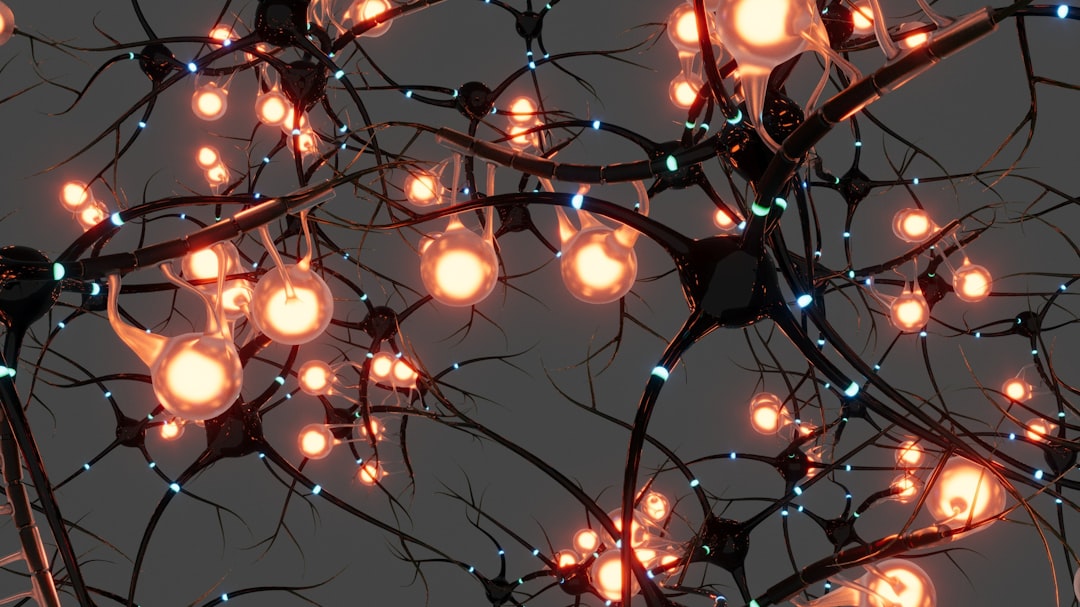
You’ve probably heard of your brain, that intricate network of billions of neurons in your skull. But have you ever considered a second brain? Nestled within the sinuous tunnels of your digestive tract, a vast and complex nervous system, often dubbed the “enteric nervous system” (ENS), operates with remarkable autonomy. This isn’t just a passive conduit for food; it’s a command center, a sensory organ, and a key player in your overall well-being. Unraveling the mystery of these gut neurons is a journey into a hidden world that profoundly influences everything from how you digest your dinner to your mood and even your susceptibility to disease.
Your gut, a remarkable organ system, seems to have a life of its own. You might experience butterflies in your stomach when you’re nervous, or a deep sense of satisfaction after a good meal. These are not just coincidences; they are direct manifestations of the intricate communication happening within your gut. For decades, scientists primarily viewed the ENS as a subservient system, dutifully relaying signals from the central nervous system (CNS) to orchestrate digestion. But the accumulating evidence paints a far more nuanced picture. Your gut neurons are not merely messengers; they are active participants in processing information, making decisions, and even experiencing sensations.
A Universe Within
Imagine a microscopic metropolis teeming with activity. Your gut wall is lined with millions of neurons, more than you’ll find in your spinal cord. They form intricate, interconnected networks, the submucosal and myenteric plexuses, that extend throughout the entire length of your digestive tract, from your esophagus to your anus. These neurons are not a homogenous army; they are diverse, specializing in different roles. Some are sensory, detecting the presence of food, its texture, and its chemical composition. Others are motor, releasing signals to contract muscles and propel food along, or to secrete digestive enzymes and hormones. And then there are the interneurons, the sophisticated coordinators, bridging the gap between sensory input and motor output, making real-time decisions about the optimal digestive response.
The Gut-Brain Axis: A Two-Way Street
The term “gut-brain axis” has become increasingly popular, and for good reason. It signifies the constant, bidirectional communication between your ENS and your CNS. This isn’t a simple one-off broadcast from your brain to your gut. Instead, it’s a continuous dialogue, a sophisticated exchange of signals that influences both systems profoundly. Your brain, through the vagus nerve, can indeed send signals to your gut, impacting motility, secretion, and blood flow. However, the ENS also sends a massive amount of information back to your brain. This neural outflow from the gut is far more extensive than the inflow from the brain, highlighting the gut’s significant role in sensory processing and signaling.
Recent research has shed light on the fascinating world of gut neurons, revealing their crucial role in the gut-brain axis and overall health. For a deeper understanding of this topic, you can explore the article on gut neurons and their functions in the digestive system. To read more, visit this article, which provides valuable insights into how these neurons communicate with the brain and influence our well-being.
The Power of Gut Neurons: Beyond the Digestive Tract
The influence of your gut neurons extends far beyond the mechanics of breaking down food. Emerging research suggests a direct link between the health of your ENS and a surprising array of bodily functions, including your mood, your immune system, and even your cognitive abilities.
Mood and Mental Health: The Second Brain’s Emotional Influence
It’s no accident that your stomach can feel knotted when you’re anxious or that you crave comfort food when you’re sad. Your gut neurons produce a vast array of neurotransmitters, chemical messengers that play crucial roles in regulating mood and behavior in the brain. In fact, a significant percentage of your body’s serotonin, a neurotransmitter often associated with feelings of happiness and well-being, is produced and utilized within your gut. The ENS also produces dopamine, another key player in reward and motivation. Disruptions in the delicate balance of these gut-produced neurotransmitters have been implicated in conditions like anxiety, depression, and even irritable bowel syndrome (IBS), which often goes hand-in-hand with mood disorders.
The Immune System’s Guardian: Gut Neurons and Defense
Your gut is a frontline defense system, constantly interacting with the external environment through the food you consume. It’s no surprise, then, that the ENS is intricately linked with your immune system. Gut neurons can influence immune cell activity, aiding in the detection and elimination of pathogens while also promoting tolerance to beneficial microbes. The constant communication between ENS and immune cells helps maintain the integrity of the gut lining, preventing harmful substances from entering the bloodstream. When this communication breaks down, it can contribute to inflammation, allergies, and even autoimmune conditions.
Cognitive Function: The Gut’s Hidden Input
While your brain is the undisputed headquarters of cognition, the ENS may be providing subtle but important inputs. Studies are beginning to reveal how signals from the gut can influence learning, memory, and even decision-making. For example, certain gut bacteria, through their metabolic byproducts, can signal to the ENS, which then relays this information to the brain. This “microbiota-gut-brain axis” is a rapidly evolving field, suggesting that the trillions of microbes residing in your gut, through their interactions with your gut neurons, can indirectly impact your cognitive landscape.
The Building Blocks of the ENS: A Neuronal Symphony
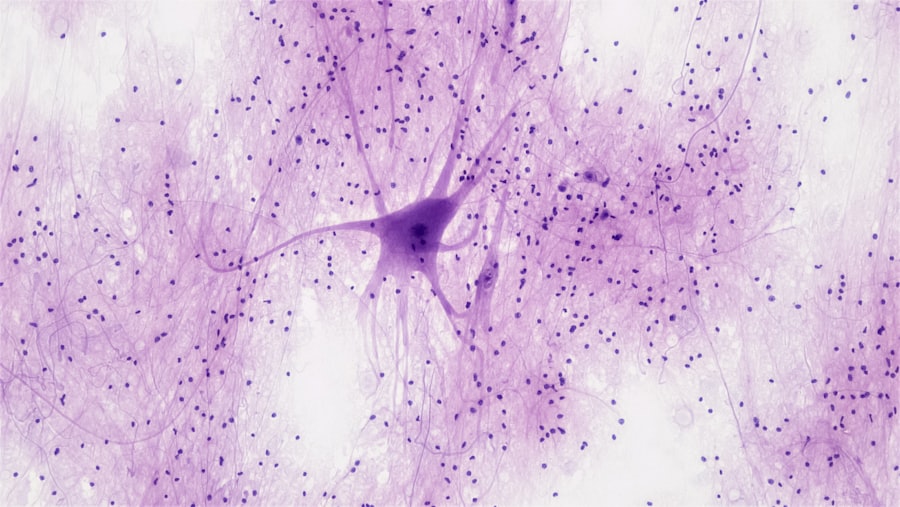
To understand the mystery of gut neurons, we must first appreciate their fundamental components and how they communicate. Like their counterparts in the CNS, ENS neurons are specialized cells designed for rapid and efficient signal transmission.
Types of Gut Neurons: A Diverse Cast
The ENS harbors a fascinating array of neuron types, each with a specific role in orchestrating digestive processes. You’ll find:
- Sensory neurons: These act as the gut’s internal “eyes and ears.” They detect a variety of stimuli, including mechanical stretching of the gut wall, chemical changes in luminal contents (like the presence of specific nutrients or irritants), and temperature fluctuations. They then relay this information to other neurons within the ENS or to the CNS.
- Motor neurons: These are the “doers” of the ENS. They innervate the smooth muscles of the gut wall, controlling contractions that propel food along (peristalsis) and mix it with digestive juices. They also control the secretion of digestive enzymes, hormones, and mucus.
- Interneurons: These are the crucial communication hubs. They connect sensory and motor neurons, integrating information and generating appropriate responses. They form complex circuits, allowing for fine-tuned control over digestive functions.
Neurotransmitters: The Chemical Language of the Gut
Just as humans use language to communicate, gut neurons utilize a rich vocabulary of chemical messengers known as neurotransmitters. This molecular signaling is essential for every aspect of gut function. Some of the key players include:
- Acetylcholine (ACh): A major excitatory neurotransmitter in the ENS, ACh stimulates muscle contractions and increases the secretion of digestive juices.
- Serotonin (5-HT): While famously linked to mood in the brain, serotonin is abundant in the gut where it plays a multifaceted role, influencing motility, secretion, and even pain perception.
- Dopamine: Involved in regulating motility, dopamine can inhibit smooth muscle contractions in some parts of the gut.
- Nitric Oxide (NO): A key inhibitory neurotransmitter, NO relaxes smooth muscles, facilitating the passage of food and contributing to the proper functioning of sphincters.
- Neuropeptides: A diverse group of potent signaling molecules, including substance P and vasoactive intestinal peptide (VIP), which modulate muscle activity, blood flow, and secretion.
Electrical Signaling: The Spark of Communication
Beyond chemical messengers, gut neurons also communicate through electrical signals. Neurons possess excitable membranes that allow them to generate and propagate electrical impulses called action potentials. These rapid electrical signals travel along the neuron’s axon, triggering the release of neurotransmitters at the synapse, the junction between neurons. The intricate patterns of electrical activity within the ENS are responsible for the coordinated contractions of the gut, ensuring efficient digestion and nutrient absorption.
Diseases of the Gut: When the Neuronal Symphony Falter
When the intricate interplay of gut neurons and their supporting systems is disrupted, a cascade of gastrointestinal disorders can arise. These conditions are often complex, involving a combination of genetic predisposition, environmental factors, and disruptions in the ENS.
Irritable Bowel Syndrome (IBS): A Dysfunctional Network
IBS is one of the most common functional gastrointestinal disorders, characterized by abdominal pain, bloating, and altered bowel habits. While the exact causes are still being investigated, dysfunction in the ENS is a significant contributing factor. This can manifest as:
- Visceral hypersensitivity: An increased sensitivity to normal stimuli within the gut, leading to exaggerated pain perception. Your gut neurons might be “overly sensitive,” interpreting normal stretching or the presence of gas as painful.
- Altered motility: Irregular or exaggerated muscle contractions, leading to either diarrhea or constipation.
- Gut-brain axis dysregulation: Communication breakdowns between the ENS and the CNS, influencing pain perception and stress responses.
Inflammatory Bowel Disease (IBD): Neuronal Involvement in Chronic Inflammation
Conditions like Crohn’s disease and ulcerative colitis, collectively known as IBD, involve chronic inflammation of the digestive tract. While primarily considered immune-mediated diseases, the ENS plays a crucial role in modulating the inflammatory response and maintaining gut barrier integrity. Dysfunctional gut neurons can contribute to sustained inflammation by:
- Altering immune cell behavior: Influencing the recruitment and activity of immune cells within the gut wall.
- Compromising gut barrier function: Leading to increased permeability and the entry of harmful substances into the bloodstream, further fueling inflammation.
- Contributing to pain and discomfort: Through their role in visceral hypersensitivity.
Neurological Disorders and the Gut Connection
Perhaps most surprisingly, the health of your gut neurons is increasingly being linked to neurological disorders that manifest far beyond the digestive system. This highlights the profound interconnectedness of the nervous system.
- Parkinson’s Disease: Growing evidence suggests that Parkinson’s disease may originate not in the brain, but in the ENS. Abnormal protein aggregates, characteristic of Parkinson’s, have been found in the gut neurons years before motor symptoms appear in the brain. This has led to the hypothesis that the disease may spread from the gut to the brain via the vagus nerve.
- Alzheimer’s Disease: Similarly, research is exploring potential links between gut dysbiosis, inflammation, and the development of Alzheimer’s disease. The inflammatory signals originating from the gut, mediated in part by ENS dysfunction, may contribute to the neuroinflammation observed in Alzheimer’s patients.
Recent research has shed light on the fascinating world of gut neurons, revealing their crucial role in the communication between the gut and the brain. For those interested in exploring this topic further, a related article can be found at Freaky Science, which delves into the intricate connections and functions of the enteric nervous system. Understanding these connections can provide valuable insights into how our digestive health impacts overall well-being.
Research Frontiers: Unlocking the Secrets of the ENS
| Neuron Type | Function | Location |
|---|---|---|
| Enteric Neurons | Regulate gut motility and secretion | Embedded in the wall of the gastrointestinal tract |
| Sensory Neurons | Transmit information about gut distension and chemical composition | Located in the gut wall |
| Motor Neurons | Control muscle contractions in the gut | Found in the enteric nervous system |
The study of gut neurons is a rapidly advancing field, with researchers employing cutting-edge technologies to peel back the layers of this complex system. The insights gained promise to revolutionize our understanding and treatment of a wide range of diseases.
Advanced Imaging Techniques: Visualizing the Inner Workings
- High-resolution microscopy: Techniques like confocal microscopy and electron microscopy allow scientists to visualize the intricate structure of ENS circuits and the localization of specific receptors and neurotransmitters within individual neurons.
- Functional imaging: Emerging technologies are enabling researchers to observe the activity of ENS neurons in real-time. This includes methods like calcium imaging, which detects changes in intracellular calcium levels that correlate with neuronal firing, and fiber photometry, allowing for the measurement of neurotransmitter release.
Genetic and Molecular Tools: Decoding the ENS Blueprint
- CRISPR-Cas9 Gene Editing: This powerful tool allows scientists to precisely edit genes within ENS cells, enabling them to study the function of specific genes in neuronal development, activity, and response to stimuli.
- Single-cell RNA sequencing: This technique provides a detailed snapshot of gene expression in individual ENS neurons, revealing the diverse molecular profiles of different neuron types and how these might change in disease states.
The Microbiome’s Influence: A Symbiotic Relationship
The vast community of microorganisms residing in your gut, known as the microbiome, has a profound impact on the ENS. Researchers are investigating:
- Microbial metabolites: How the byproducts of bacterial metabolism (“postbiotics”) signal to ENS neurons and influence their function.
- Immune modulation: How the microbiome interacts with gut immune cells, which in turn communicate with ENS neurons.
- Therapeutic interventions: Exploring the use of probiotics and prebiotics to selectively alter the gut microbiome and positively impact ENS function and related diseases.
The Future of Gut Neuron Research: Towards Personalized Medicine
The ongoing unraveling of the mystery of gut neurons holds immense promise for the future of medicine. As we gain a deeper understanding of their intricate workings, we move closer to developing more targeted and effective treatments for a plethora of conditions.
Novel Therapeutic Strategies
- Targeted drug development: By understanding the specific neurotransmitters, receptors, and signaling pathways involved in ENS dysfunction, researchers can design drugs that precisely target these mechanisms, minimizing side effects and maximizing therapeutic benefit.
- Probiotics and prebiotics: Beyond general gut health, the possibility of developing tailored microbial therapies to specifically modulate ENS activity for conditions like IBS or even mood disorders is becoming a reality.
- Neuromodulation: Techniques that directly stimulate or inhibit ENS neurons, similar to brain stimulation therapies, are being explored as potential treatments for chronic gut pain and motility disorders.
Personalized Medicine and Prevention
- Biomarkers for early detection: Identifying specific molecular or functional markers of ENS dysfunction could lead to earlier diagnoses of diseases that have a gut component, allowing for earlier intervention and potentially preventing their progression.
- Tailored lifestyle interventions: Understanding the individual impact of diet, stress, and other lifestyle factors on your specific ENS could lead to personalized recommendations for maintaining gut and overall health.
You are a walking, talking ecosystem, and your gut neurons are a crucial, often overlooked, part of that intricate balance. By delving into the mysteries of this second brain, we are not just understanding digestion; we are unlocking profound insights into mood, immunity, and even cognitive function. The journey of unraveling the gut neuron’s enigmatic role is an ongoing adventure, one that promises to reshape our understanding of health and disease for generations to come.

The Hidden Sense Inside Your Gut
FAQs
What are gut neurons?
Gut neurons, also known as enteric neurons, are a network of neurons that are found in the lining of the gastrointestinal tract. They are responsible for controlling various digestive functions, such as peristalsis, secretion of digestive enzymes, and blood flow.
How do gut neurons communicate with each other?
Gut neurons communicate with each other and with other parts of the body through a complex network of neurotransmitters, including serotonin, dopamine, and acetylcholine. This communication allows for the coordination of digestive processes and the regulation of gut function.
What is the role of gut neurons in digestion?
Gut neurons play a crucial role in regulating digestion by controlling the movement of food through the digestive tract, the secretion of digestive enzymes and hormones, and the sensation of fullness and hunger. They also play a role in the immune response and the maintenance of gut barrier function.
How are gut neurons connected to the brain?
Gut neurons are connected to the brain through the gut-brain axis, a bidirectional communication system between the central nervous system and the enteric nervous system. This connection allows for the regulation of gut function in response to signals from the brain, and vice versa.
What happens when gut neurons are not functioning properly?
When gut neurons are not functioning properly, it can lead to a range of digestive disorders, such as irritable bowel syndrome, constipation, and gastroparesis. Additionally, disruptions in gut neuron function have been linked to conditions such as obesity, diabetes, and mood disorders.