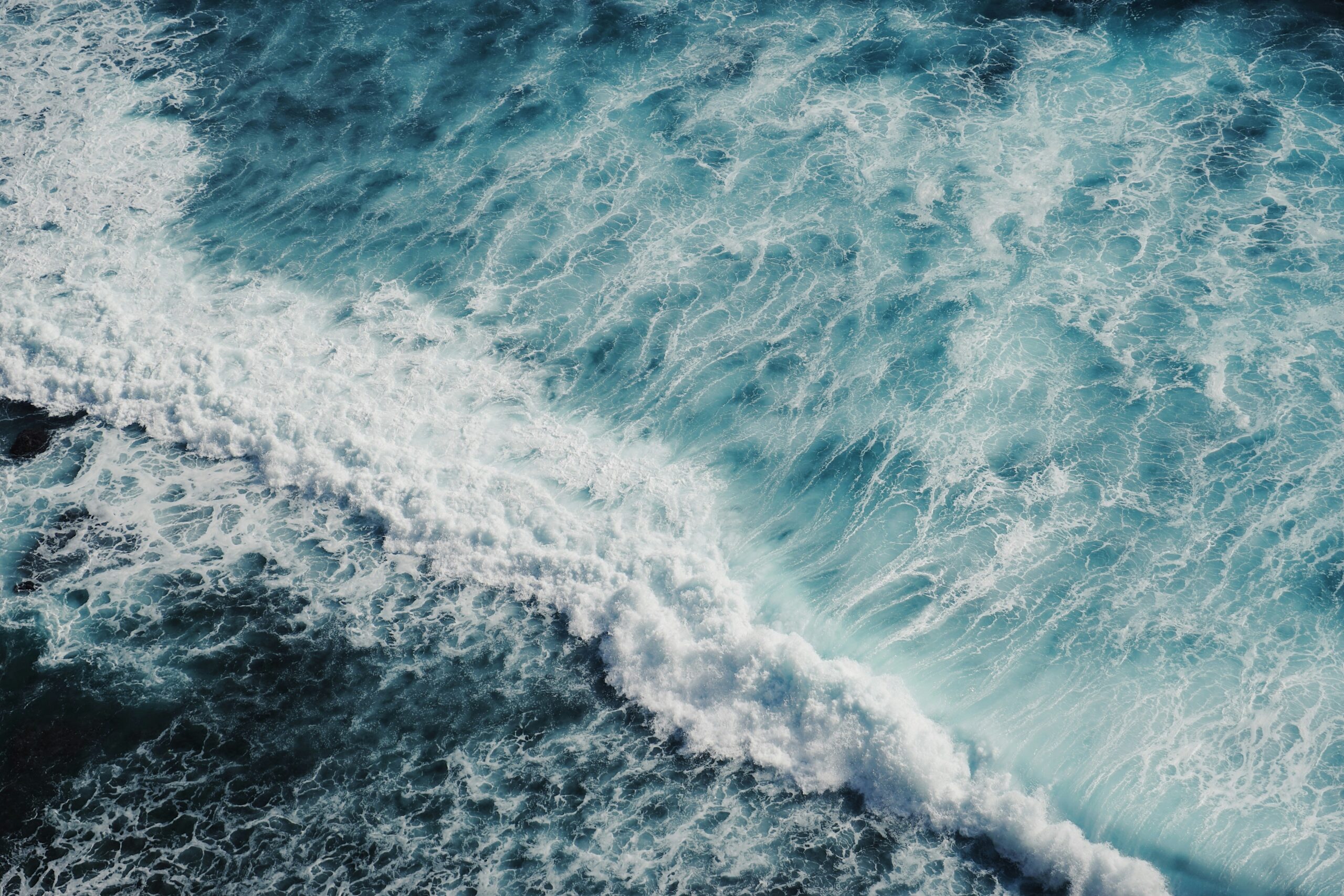
The abyss, a realm of perpetual twilight and crushing pressure, continues to guard its secrets with an almost defiant silence. For centuries, humanity has gazed at the surface of the ocean, a vibrant tapestry of life and movement, yet what lies beneath the crushing weight of miles of water remains largely enigmatic. The deep sea, a vast and alien frontier, beckons with the promise of unparalleled discovery, a testament to the resilience and adaptability of life, and a stark reminder of how much we still have to learn about our own planet. Unraveling these mysteries is not merely an exercise in scientific curiosity; it is a crucial endeavor that could hold keys to understanding Earth’s history, unlocking novel biotechnologies, and even offering insights into the potential for life beyond our world.
The sheer physical challenges of the deep sea present the first and most formidable barrier to exploration. Life has adapted to survive in environments that would instantly obliterate any terrestrial organism, forcing scientists to develop innovative technologies and strategies to even glimpse its inhabitants. The conditions are so severe and so unlike anything experienced on land that understanding them is paramount to deciphering the life that thrives within them.
Crushing Pressures: A Constant Force
The most defining characteristic of the deep sea is the immense hydrostatic pressure. For every 10 meters of depth, the pressure increases by one atmosphere. At the bottom of the Mariana Trench, for instance, the pressure is over 1,000 times that at sea level, equivalent to standing on an elephant’s back. This colossal force compresses gas-filled spaces, making them impossible for most organisms to survive. The cellular structures and biochemical processes of deep-sea life have evolved remarkable adaptations to withstand or utilize this pressure, a feat that continues to astound biologists.
The Molecular Adaptations of Pressure Tolerance
Scientists are actively investigating the molecular mechanisms that allow deep-sea organisms to survive such extreme pressures. Proteins in these creatures exhibit unique structural stability, often facilitated by a higher proportion of charged amino acids that form stronger bonds. Counterions, such as trimethylamine N-oxide (TMAO), are employed to stabilize protein structures and prevent denaturation under pressure. Understanding these molecular “benches” and “trusses” within cells could have profound implications for fields like drug development and material science, where creating stable molecules under demanding conditions is crucial.
Engineering for the Depths: Submersibles and ROVs
The development of advanced submersibles and remotely operated vehicles (ROVs) has been instrumental in overcoming the pressure barrier for human and robotic exploration. These marvels of engineering are designed with incredibly strong hulls, often made of high-strength titanium or specialized ceramics, capable of withstanding thousands of pounds per square inch. Equipped with powerful lights, cameras, and manipulator arms, they allow scientists to collect samples, conduct experiments, and observe the deep-sea environment in situ, bringing back invaluable data and imagery from a world previously shrouded in darkness.
Perpetual Darkness: A World Without Sunlight
Sunlight, the fundamental energy source for most of Earth’s ecosystems, does not penetrate beyond a few hundred meters into the ocean. Below this photic zone lies a realm of eternal darkness, profoundly shaping the sensory world and survival strategies of its inhabitants. This absence of light has led to the evolution of unique sensory adaptations, from specialized bioluminescence to hyper-sensitive chemoreceptors.
Bioluminescence: Orchestrating Life in the Dark
One of the most captivating phenomena of the deep sea is bioluminescence, the production of light by living organisms. This “living light” serves a multitude of purposes, including attracting prey, deterring predators, signaling to mates, and even camouflage. The diversity of bioluminescent displays, from the rhythmic flashes of anglerfish lures to the ethereal glow of some jellyfish, is astonishing. Studying the chemical reactions and genetic pathways of bioluminescence could lead to advancements in medical imaging, biosensors, and even sustainable lighting technologies.
Sensory Adaptations: Beyond Sight
In the absence of light, deep-sea organisms have honed other senses to an extraordinary degree. Many have developed highly developed lateral lines to detect minute vibrations in the water, allowing them to navigate and hunt in their lightless environment. Others rely on chemoreception, the sense of smell and taste, to locate food, avoid danger, and find suitable mates over vast distances. The exploration of these sensory systems provides a unique perspective on how life can thrive in sensory deprivation.
Extreme Temperatures: From Freezing to Boiling
The deep sea encompasses a wide spectrum of temperatures. While much of it hovers just above freezing, hydrothermal vents, cracks in the ocean floor spewing superheated, mineral-rich water, create oases of warmth. These “black smokers” and “white smokers” support unique chemosynthetic ecosystems, forming a stark contrast to the frigid surroundings.
Hydrothermal Vent Ecosystems: Life Without Sunlight
Hydrothermal vents are considered some of the most extreme habitats on Earth. Here, specialized bacteria and archaea derive energy from chemical reactions involving hydrogen sulfide and other minerals, forming the base of a complex food web. Giant tube worms, blind shrimp, and a variety of mollusks thrive in these seemingly inhospitable conditions, demonstrating life’s remarkable ability to exploit energy sources beyond photosynthesis. The study of these chemosynthetic communities could shed light on the origins of life on Earth and the potential for life on other ocean worlds.
Adapting to the Cold: The Challenge of Metabolism
For the majority of the deep sea, the near-freezing temperatures pose a significant challenge to metabolic processes. Organisms have evolved slow metabolisms, reducing their energy needs to survive on scarce food resources. Some have also developed antifreeze proteins, preventing ice crystals from forming within their cells. Understanding these cold-adaptation strategies could have applications in cryopreservation and the development of food preservation techniques.
The mysteries of the deep sea continue to captivate scientists and enthusiasts alike, revealing new wonders and enigmas with each exploration. For those interested in delving deeper into the fascinating world beneath the waves, a related article can be found at Freaky Science, which discusses the latest discoveries and theories surrounding the unexplored depths of our oceans.
Biodiversity of the Deep: Secrets in the Shadows
Despite the overwhelming challenges, the deep sea teems with an astonishing array of life, much of which remains undiscovered. These creatures, often bizarre and seemingly alien, are testaments to the power of evolution to adapt and diversify in isolation. From microscopic plankton to gargantuan squid, the biodiversity of the deep sea is a frontier ripe for exploration.
The Unseen Majority: Microscopic Life
The vast majority of life in the deep sea is microscopic, comprising bacteria, archaea, and protists. These microorganisms play crucial roles in nutrient cycling and form the base of many food webs. Their genetic diversity is immense, and many possess unique metabolic capabilities that could have significant biotechnological applications, such as bioremediation or the production of novel enzymes.
Chemosynthetic Bacteria: Architects of the Ecosystem
Chemosynthetic bacteria are particularly important in deep-sea ecosystems, especially around hydrothermal vents. These microbes convert inorganic chemicals into organic matter, providing sustenance for other organisms. Their ability to thrive in such extreme environments is a testament to the resilience of life and has implications for understanding the early evolution of Earth and the potential for life on other planets.
Viral Diversity and Impact
The role of viruses in deep-sea ecosystems is increasingly being recognized. Viruses are incredibly abundant and can influence the microbial communities through infection and lysis, impacting nutrient cycling and the flow of energy. Studying viral diversity can provide insights into microbial evolution and the dynamics of these complex ecosystems.
The mysteries of the deep sea continue to captivate scientists and explorers alike, as they uncover the secrets hidden beneath the ocean’s surface. One fascinating aspect of this exploration is the discovery of bioluminescent creatures that thrive in the dark depths, showcasing nature’s incredible adaptations. For those interested in learning more about these enigmatic beings and the ongoing research in this field, a related article can be found here, providing insights into the wonders of the underwater world.
The Strange and Wonderful: Iconic Deep-Sea Fauna
Beyond the microscopic realm, the deep sea is home to some of the planet’s most peculiar and awe-inspiring creatures. Their forms and behaviors are often dictated by the extreme conditions in which they live, leading to adaptations that appear almost fantastical.
Anglerfish and the Art of the Lure
The anglerfish is perhaps one of the most iconic deep-sea predators, renowned for its bioluminescent lure. This fleshy appendage, dangling from the head of the female, attracts unsuspecting prey into its gaping maw. The parasitic males, often dwarfed by the females, fuse themselves to their mates, providing sperm in exchange for sustenance – a stark example of sexual dimorphism and extreme resource allocation in the deep sea.
Vampire Squid: A Living Fossil
The vampire squid, despite its intimidating name and appearance, is a relatively docile creature that feeds on marine snow. Its name comes from its dark, webbed arms and the cloak-like membrane that encircles its body. This unique cephalopod represents a distinct lineage, offering clues about the evolutionary history of its relatives.
Giant Squid and Colossal Squid: Mysteries of the Giants
The elusive giant squid and colossal squid are the titans of the deep, subjects of myth and scientific fascination. While rarely seen alive, their carcasses occasionally wash ashore, providing glimpses into their immense size and predatory lifestyle. Studying these giants helps to understand the upper limits of biomass supported by deep-sea ecosystems and provides ongoing motivation for exploration.
Exploring the Unseen: Technological Frontiers
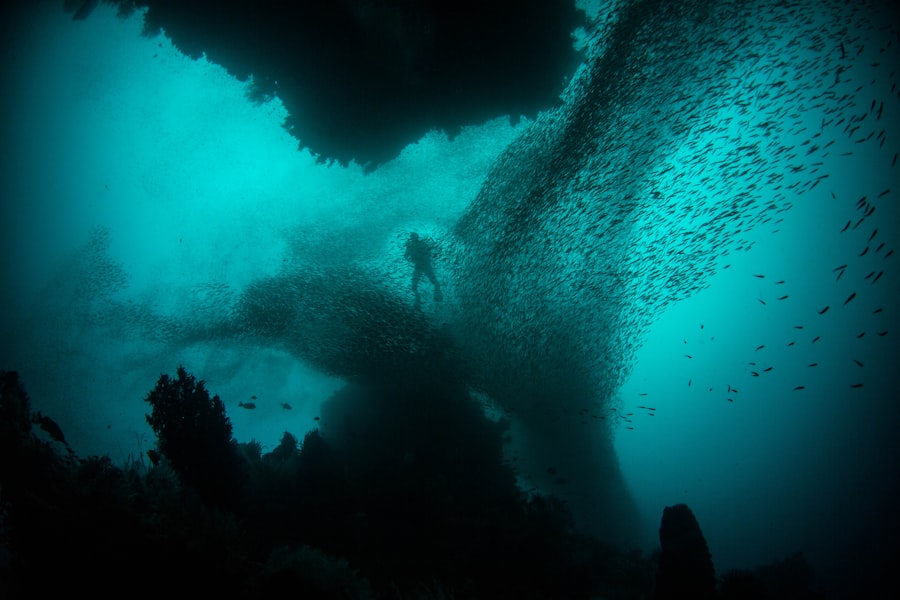
The challenges of deep-sea exploration have driven remarkable innovation in technology. From sophisticated submersibles to advanced sampling techniques, our ability to venture into the abyss is constantly evolving, opening new avenues for discovery.
Autonomous Underwater Vehicles (AUVs): The Future of Exploration
Autonomous underwater vehicles (AUVs) are increasingly playing a vital role in deep-sea research. These unpiloted robotic platforms can be programmed to undertake complex missions, covering vast areas of the seafloor with high-resolution sensors. Their endurance and ability to operate independently of surface vessels make them invaluable tools for mapping, surveying, and data collection in remote and challenging environments.
High-Resolution Mapping and Imaging
AUVs equipped with advanced sonar and optical imaging systems are revolutionizing our understanding of deep-sea topography and geology. They can generate detailed maps of the seafloor, identify geological features like seamounts and canyons, and even locate shipwrecks or potential areas of scientific interest with unprecedented accuracy.
Long-Term Environmental Monitoring
AUVs can be deployed for extended periods to monitor environmental parameters such as temperature, salinity, oxygen levels, and current patterns. This long-term data collection is crucial for understanding the dynamics of deep-sea ecosystems, tracking the impacts of climate change, and identifying potential areas of concern.
Deep-Sea Sampling and Analysis: Bringing the Abyss to the Lab
Collecting samples from the deep sea is a delicate and complex operation. Specialized equipment is required to retrieve organisms and geological specimens without damaging them and to preserve their integrity for analysis back in the laboratory.
Advanced Coring and Dredging Techniques
Scientists employ specialized coring devices to extract sediment cores from the seafloor, providing a chronological record of past environmental conditions, including climate change and geological events. Dredging techniques are used to collect rock and sediment samples from the surface of the seafloor, offering insights into the geological composition of the ocean floor.
In Situ Measurement and Experimentation
The development of sophisticated sensors and robotic manipulators allows for in situ measurements and even experiments to be conducted within the deep-sea environment. This minimizes disturbance to the fragile ecosystems and provides more accurate data than samples brought back to the surface.
The Unanswered Questions: What Lies Ahead?

Despite the progress made in deep-sea exploration, the vast majority of the ocean depths remain unexplored. Each expedition uncovers new species, reveals novel adaptations, and poses further questions, highlighting the immense scientific potential that still lies hidden beneath the waves.
The Search for Extraterrestrial Life: Analogous Environments
The unique conditions of the deep sea, particularly hydrothermal vents, serve as compelling analogs for environments where extraterrestrial life might exist. The ability of life to thrive in the absence of sunlight, utilizing chemosynthesis, suggests that similar ecosystems could exist on other ocean worlds within our solar system, such as Europa or Enceladus.
Astrobiological Implications of Hydrothermal Vents
The study of life at hydrothermal vents provides crucial insights into the fundamental requirements for life and the potential for life to emerge and persist in extreme environments. This has direct implications for astrobiology, guiding the search for biosignatures on other celestial bodies.
Life in Subsurface Oceans
The possibility of life existing within the subsurface oceans of icy moons like Europa is a tantalizing prospect. The chemical gradients and energy sources present in these environments, if they exist, could support microbial life, similar to what is observed at Earth’s hydrothermal vents.
Understanding Earth’s Climate and Geology: The Deep Sea as a Archive
The deep sea acts as a colossal archive of Earth’s history, both climatically and geologically. Sediments, ice cores, and the geological formations on the ocean floor hold invaluable information about past climate regimes, tectonic activity, and the evolution of our planet.
Paleoceanography: Reconstructing Past Climates
By analyzing sediment cores, scientists can reconstruct past ocean temperatures, sea levels, and atmospheric composition dating back millions of years. This paleoceanographic data is essential for understanding long-term climate cycles and predicting future climate change.
Marine Geology and Plate Tectonics
The study of the deep-sea floor reveals the processes of plate tectonics, the formation of mid-ocean ridges, and the dynamics of subduction zones. Understanding these geological processes is critical for comprehending the Earth’s structure and predicting phenomena like earthquakes and volcanic activity.
The Deep Sea and Human Impact: Conservation and Sustainability
As humanity’s reach extends into the deep sea, the potential for human impact grows. Understanding these impacts and developing sustainable practices is paramount to protecting these fragile and poorly understood ecosystems.
Deep-Sea Mining and its Environmental Consequences
The prospect of deep-sea mining for valuable minerals raises significant environmental concerns. The potential disruption of seafloor habitats, the release of sediment plumes, and the impact on deep-sea biodiversity are critical issues that require careful scientific assessment and robust regulatory frameworks before large-scale operations commence.
Pollution and Microplastics: An Emerging Threat
Even the deepest parts of the ocean are not immune to pollution. Microplastics and chemical contaminants are being found in deep-sea sediments and within the tissues of deep-sea organisms, highlighting the pervasive nature of human influence and the urgent need for global efforts to reduce pollution.
The unraveling of the mysteries of the deep sea is an ongoing saga, a testament to human curiosity and our relentless drive to explore the unknown. With each submersible dive, each remote sensing operation, and each petri dish of analyzed samples, we peel back another layer of the abyss. The secrets held within its crushing pressures, perpetual darkness, and extreme temperatures are not just scientific curiosities; they are fundamental pieces of the puzzle of life on Earth and potentially, life beyond. As technology advances and our understanding deepens, the deep sea promises to continue to surprise us, offering profound insights into our planet and our place within the vast expanse of the universe. The journey into the blue abyss has only just begun.

The Secret Ocean Layer That Lets Sound Travel for Thousands of Miles
FAQs
What are some of the mysteries of the deep sea?
Some of the mysteries of the deep sea include the existence of bioluminescent creatures, the discovery of new species, and the presence of extreme pressure and darkness.
What is the deepest part of the ocean?
The deepest part of the ocean is the Mariana Trench, which reaches a depth of about 36,070 feet (10,994 meters) at its lowest point, known as the Challenger Deep.
Why is the deep sea so difficult to explore?
The deep sea is difficult to explore due to its extreme depth, high pressure, and lack of light. These conditions make it challenging for humans to reach and study the deep sea environment.
What are some of the unique adaptations of deep sea creatures?
Deep sea creatures have unique adaptations such as bioluminescence, transparent bodies, and the ability to withstand extreme pressure and cold temperatures. These adaptations help them survive in the harsh deep sea environment.
How does deep sea exploration contribute to scientific knowledge?
Deep sea exploration contributes to scientific knowledge by providing insights into new species, geological processes, and the potential for discovering new resources. It also helps researchers understand the impact of human activities on deep sea ecosystems.