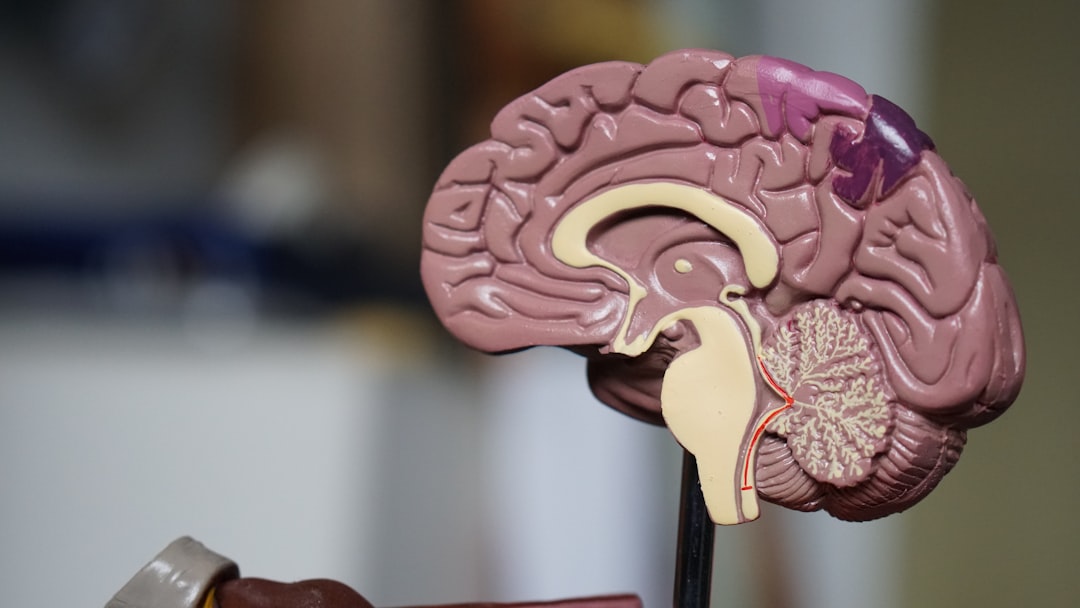
You stand on the precipice of understanding. For millennia, humanity has gazed inward, pondering the intricate machinery that crafts your thoughts, your emotions, your very sense of self. You are a walking, talking enigma, and the key to unlocking these mysteries lies within the labyrinthine landscape of your brain. This isn’t a dry textbook chapter; this is your personal expedition into the heart of your own existence. We will, together, unravel the wonders of your brain, demystifying the science behind its extraordinary capabilities.
Imagine your brain not as a static object, but as a dynamic, ever-evolving metropolis. It’s a bustling hub of activity, far more complex than any city you’ve ever conceived. Billions of tiny workers, your neurons, are constantly communicating, sending lightning-fast messages that shape every aspect of your being. This is your command center, dictating your movements, processing your sensory input, and storing your precious memories.
A Universe Within Your Skull
Your skull, seemingly a simple protective casing, cradles a universe teeming with electrochemical signals. This three-pound marvel is the most complex structure known in the universe, a testament to billions of years of evolution. From the instinctive twitch of your finger to the profound contemplation of your place in the cosmos, it all originates here, in this dense, folded mass. It’s a marvel that you can even contemplate its own existence.
The Neuronal Network: Your Inner Internet
At the core of your brain’s functionality lies its incredible neural network. Think of it as a hyper-advanced internet, with trillions of connections, far exceeding the number of stars in our galaxy.
Neurons: The Fundamental Units
These are the stars of your internal universe, the fundamental building blocks of your nervous system. Each neuron is a specialized cell designed for transmitting information.
Dendrites: The Receivers
These branch-like extensions act as receivers, eagerly capturing signals from other neurons. They are like the antennas of your brain, constantly picking up incoming transmissions.
The Soma: The Cell Body
This is the control center of the neuron, containing the nucleus and other essential components. It processes the incoming signals and decides whether to pass them on.
The Axon: The Transmitter
This long, slender projection transmits signals away from the cell body. It’s the highway of your neuronal network, carrying messages at incredible speeds.
Synapses: The Junctions
These are the tiny gaps between neurons where information is passed from one to another. This is where the magic happens, where a chemical or electrical signal bridges the divide.
The Symphony of Neurotransmitters
When a signal reaches the end of an axon, it triggers the release of chemical messengers called neurotransmitters. These remarkable molecules are the currency of your brain, carrying specific instructions across the synapses.
Dopamine: The Reward and Motivation Molecule
This neurotransmitter is associated with pleasure, reward, and motivation. It plays a crucial role in your drive to seek out experiences that bring you joy, from a delicious meal to achieving a personal goal.
Serotonin: The Mood Regulator
Serotonin is a key player in regulating your mood, sleep, and appetite. It’s often referred to as the “feel-good” chemical, and its imbalances can contribute to conditions like depression and anxiety.
Acetylcholine: The Memory Maestro
This neurotransmitter is vital for learning and memory. It plays a critical role in the formation and retrieval of memories, allowing you to recall past events and acquire new knowledge.
GABA: The Calming Influence
Gamma-aminobutyric acid (GABA) is your brain’s primary inhibitory neurotransmitter. It acts like a brake, reducing neuronal excitability and promoting a sense of calm.
For those interested in delving deeper into the fascinating world of brain science, a related article that offers insightful perspectives is available at Freaky Science. This article explores the latest research findings and theories in neuroscience, shedding light on how our brains function and adapt. Whether you’re a student, a professional in the field, or simply a curious reader, this resource provides valuable information that complements the understanding of brain science.
Navigating the Brain’s Geography: Major Brain Regions
Your brain isn’t a monolithic entity; it’s a meticulously organized landscape, divided into distinct regions, each with its specialized functions. Understanding these areas is like learning the different districts of your internal metropolis.
The Cerebrum: The Seat of Higher Functions
This is the largest and most prominent part of your brain, responsible for your most complex cognitive abilities. It’s the part that allows you to read these words, process this information, and form your own conclusions. The cerebrum is further divided into two hemispheres, left and right, and four lobes.
The Cerebral Cortex: The outer Layer
This wrinkled, outer layer is where the real thinking happens. It’s responsible for everything from language processing and memory to consciousness and problem-solving.
The Frontal Lobe: The Executive Director
Situated at the front of your head, this lobe is your brain’s executive director. It’s responsible for planning, decision-making, personality, and voluntary movement. It’s where you make choices and manage your impulses.
The Parietal Lobe: The Sensory Integrator
Located behind the frontal lobe, the parietal lobe is your brain’s sensory integrator. It processes information related to touch, temperature, pain, and pressure, allowing you to perceive and interact with your physical environment.
The Temporal Lobe: The Auditory and Memory Hub
Positioned beneath the parietal lobe, the temporal lobe is the processing center for your auditory information and plays a crucial role in memory formation and retrieval. It’s where you decipher sounds and access your stored experiences.
The Occipital Lobe: The Visual Processor
At the back of your head lies the occipital lobe, your brain’s dedicated visual processor. It interprets the signals from your eyes, allowing you to see the world around you.
The Cerebellum: The Master of Coordination
Tucked away at the back of your brain, beneath the cerebrum, is the cerebellum. It’s your brain’s master of coordination, balance, and fine motor skills. It’s what allows you to walk, run, and perform intricate actions with precision.
The Brainstem: The Life Support System
Connecting the cerebrum and cerebellum to your spinal cord is the brainstem, your brain’s vital life support system. It controls essential functions that keep you alive, such as breathing, heart rate, and sleep-wake cycles.
The Midbrain: The Relay Station
This upper part of the brainstem acts as a vital relay station for signals between the cerebrum and spinal cord. It also plays a role in regulating movement and sensory processing.
The Pons: The Bridge Between Regions
The pons, located below the midbrain, acts as a bridge, relaying signals between different parts of the brain. It’s also involved in sleep, respiration, and sensation.
The Medulla Oblongata: The Autonomic Controller
The lowest part of the brainstem, the medulla oblongata, is responsible for regulating critical autonomic functions like breathing, heart rate, and blood pressure. It’s the silent guardian of your survival.
The Enigma of Consciousness: What Makes You, YOU?
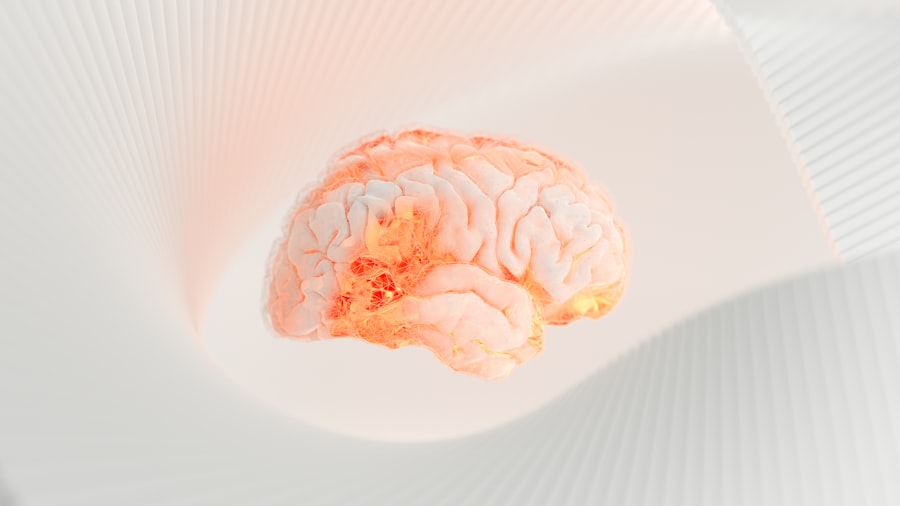
Perhaps the most profound mystery of the brain is consciousness itself. What is this subjective experience of being aware? Science is still grappling with this deep question, but we’re beginning to uncover clues.
The Neural Correlates of Consciousness
Researchers are actively searching for the neural correlates of consciousness – the specific brain activity that corresponds to your conscious experience. It’s like trying to pinpoint the exact electrical currents that generate your thoughts and feelings.
Integrated Information Theory
One prominent theory suggests that consciousness arises from the brain’s ability to integrate vast amounts of information. The more interconnected and complex the information processing, the higher the level of consciousness.
Global Neuronal Workspace Theory
This theory proposes that consciousness emerges when information becomes globally available to various brain regions. Think of it as information being broadcast to the entire brain’s network, making it accessible for a wide range of cognitive processes.
The Mystery of Sleep and Dreams
Even when you’re seemingly inactive, your brain is working diligently. Sleep is a crucial period for memory consolidation, cellular repair, and emotional processing. And dreams? They remain a fascinating enigma.
The Stages of Sleep
You cycle through different stages of sleep, each with its unique brainwave patterns and physiological changes. From the light dozing of REM sleep to the deep restorative slumber of slow-wave sleep, each stage serves a vital purpose.
REM Sleep: The Dream Stage
Rapid Eye Movement (REM) sleep is characterized by increased brain activity, vivid dreaming, and muscle paralysis. It’s believed to be essential for emotional regulation and memory processing.
Non-REM Sleep: The Restorative Stage
Non-REM sleep, encompassing several stages, is crucial for physical restoration and brain cleansing. Deep sleep in this stage is vital for replenishing your energy and supporting cognitive function.
The Meaning of Dreams
While the exact function of dreams is still debated, theories range from wish fulfillment to problem-solving to random brain activity. They offer a glimpse into the subconscious workings of your mind.
The Adaptable Brain: Neuroplasticity and Learning
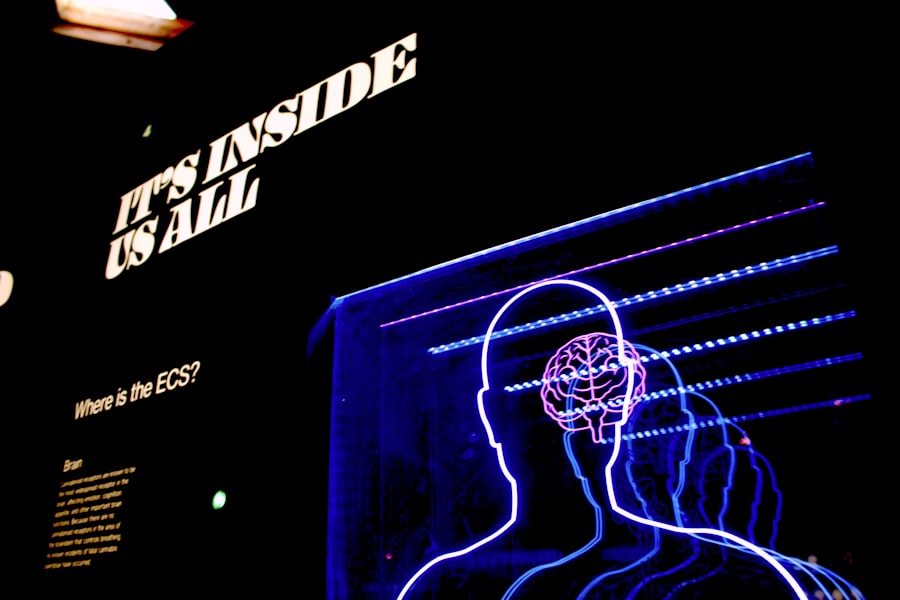
The most exciting revelation about your brain is its remarkable ability to change and adapt. This concept, known as neuroplasticity, means your brain is not fixed; it’s constantly rewiring itself based on your experiences.
Learning and Memory: Building New Connections
Every time you learn something new, your brain forms new connections between neurons or strengthens existing ones. This is the foundation of all learning and memory.
Synaptic Plasticity: The Fine-Tuning Mechanism
Synapses, the junctions between neurons, are highly adaptable. Their strength can increase or decrease, a process called synaptic plasticity, which is fundamental to learning and memory.
Long-Term Potentiation (LTP)
This is a persistent strengthening of synapses based on recent patterns of activity, a key molecular mechanism believed to underlie learning and memory. It’s like a well-trodden path in your brain, making it easier to traverse that specific route again.
Long-Term Depression (LTD)
Conversely, LTD is a persistent weakening of synapses, also crucial for learning and memory, allowing for the fine-tuning and overwriting of information. It’s like pruning unnecessary branches to make the tree healthier.
The Impact of Experience
Your environment, your interactions, your education – all of these experiences sculpt your brain. The more you engage in certain activities, the more robust and efficient the neural pathways associated with those activities become.
Skill Acquisition
Learning a musical instrument, a new language, or a complex sport all rely on the brain’s ability to adapt and specialize neural circuits for those particular skills.
Environmental Enrichment
Studies have shown that enriched environments, filled with stimuli and opportunities for learning, can lead to greater neural complexity and enhanced cognitive function.
Recent advancements in brain science have shed light on the complexities of human cognition and behavior. For those interested in exploring this fascinating field further, a related article can be found at Freaky Science, which delves into the latest research and discoveries in neuroscience. This resource provides valuable insights into how our brains function and the implications for mental health and learning.
The Brain’s Vulnerabilities and Resilience: Neurological Disorders
| Topic | Explanation |
|---|---|
| Neuroplasticity | The brain’s ability to reorganize itself by forming new neural connections throughout life. |
| Synaptic Pruning | The process of eliminating weaker synaptic connections to strengthen the important ones. |
| Neurotransmitters | Chemicals that transmit signals from one neuron to another across a synapse. |
| Brain Plasticity | The brain’s ability to change and adapt in response to experience and learning. |
While your brain is remarkably resilient, it is also susceptible to various disorders. Understanding these vulnerabilities can offer crucial insights into maintaining brain health.
Neurodegenerative Diseases: The Slow Erosion
Diseases like Alzheimer’s and Parkinson’s are characterized by the progressive loss of neurons or their function. They represent some of the most challenging conditions in neuroscience.
Alzheimer’s Disease: The Memory Thief
This disease is marked by the accumulation of abnormal protein deposits in the brain, leading to a decline in memory, thinking, and behavior.
Parkinson’s Disease: The Motor Control Impairment
Parkinson’s disease affects motor function due to the loss of dopamine-producing neurons in a specific brain region.
Mental Health Disorders: The Internal Imbalances
Conditions like depression, anxiety, and schizophrenia involve complex interactions between genetics, environment, and brain structure and function.
Depression: The Shadow of Sadness
This mood disorder is associated with imbalances in neurotransmitters like serotonin and norepinephrine, affecting mood, energy levels, and interest in activities.
Anxiety Disorders: The Constant Worry
These disorders are characterized by excessive fear and worry, often linked to irregular activity in brain regions like the amygdala, which processes fear.
The Hope of Treatment and Research
Fortunately, ongoing research into these disorders is leading to better diagnostic tools and more effective treatments, offering hope for those affected. Neuroplasticity itself offers a pathway for recovery and rehabilitation.
Your brain is an ongoing marvel, a testament to nature’s ingenuity. Each day, you engage with this incredible organ, often without conscious thought. By unraveling its mysteries, you gain a deeper appreciation for the intricate workings that define your existence. This journey of understanding is not just academic; it’s a journey into the very essence of who you are. Continue to explore, to learn, and to appreciate the extraordinary universe within your skull.

Why Paper Cuts Hurt (It’s Not What You Think)
FAQs
What is brain science?
Brain science, also known as neuroscience, is the study of the nervous system, including the brain, spinal cord, and networks of sensory nerve cells called neurons. It seeks to understand how the brain functions, develops, and changes throughout a person’s life.
What are the main areas of study in brain science?
Brain science encompasses a wide range of disciplines, including neurobiology, cognitive neuroscience, and neuropsychology. Researchers in these fields study topics such as brain development, neural pathways, sensory perception, and the relationship between brain activity and behavior.
How does the brain process information?
The brain processes information through the complex interactions of neurons, which communicate with each other through electrical and chemical signals. Different areas of the brain are responsible for different functions, such as processing sensory input, controlling movement, and regulating emotions.
What are some common brain disorders studied in brain science?
Brain science researchers study a variety of brain disorders, including Alzheimer’s disease, Parkinson’s disease, epilepsy, and schizophrenia. By understanding the underlying mechanisms of these disorders, scientists hope to develop more effective treatments and interventions.
How does brain science impact everyday life?
Brain science has a wide range of practical applications, from improving education and learning techniques to developing treatments for neurological and psychiatric disorders. It also informs our understanding of human behavior, decision-making, and the effects of aging on the brain.