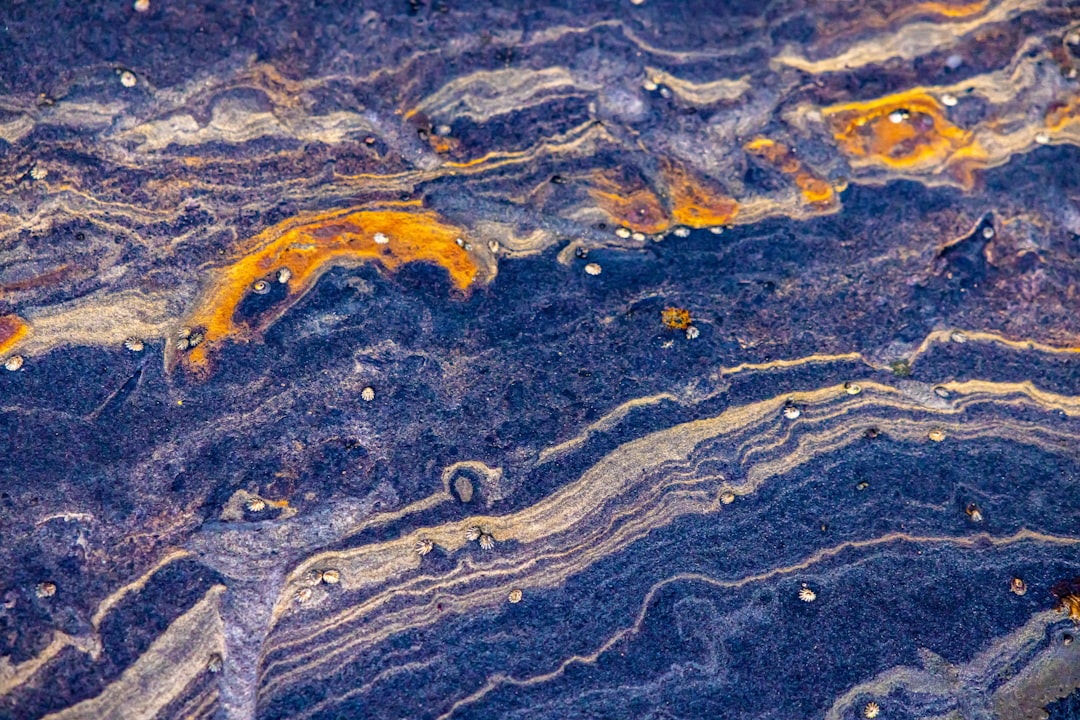
Unraveling the Mysteries of Petroleum Geology
Petroleum geology is a specialized branch of geology focused on the origin, occurrence, movement, accumulation, and production of hydrocarbons, primarily oil and natural gas. It is a complex and multidisciplinary field that draws upon principles from various scientific disciplines, including sedimentology, stratigraphy, structural geology, geochemistry, geophysics, and engineering. The pursuit of petroleum resources is not merely a treasure hunt but a scientific endeavor requiring meticulous analysis and in-depth understanding of Earth’s processes over millions of years.
The formation of petroleum is a slow, intricate dance choreographed by time and immense geological forces. Understanding this process is akin to reading a vast geological book, where each layer of rock and every subterranean structure tells a story of ancient environments, dramatic transformations, and the ultimate creation of the energy reserves that power modern civilization. This article will delve into the fundamental aspects of petroleum geology, exploring the genesis of oil and gas, the geological conditions necessary for their preservation and accumulation, and the methods employed to locate and extract these valuable resources.
The story of petroleum begins not with drilling rigs, but with the microscopic remains of ancient life. Petroleum is a fossil fuel, meaning it originated from the organic matter of plants and animals that lived and died millions of years ago.
The Role of Organic Matter
The foundational ingredient for petroleum formation is organic material. This typically consists of phytoplankton (microscopic marine algae) and zooplankton in marine environments, and to a lesser extent, plant matter in terrestrial or deltaic settings. When these organisms die, their organic remains, along with sediments, sink to the bottom of bodies of water, such as ancient oceans, seas, or lakes.
- Marine Origin: The vast majority of oil and gas originates from marine organic matter. The chemical composition of marine organisms, particularly their lipids (fats and oils), is well-suited for conversion into hydrocarbons.
- Terrestrial Influence: While less common for oil, significant amounts of natural gas can be derived from the decomposition of terrestrial plant material, especially in coal-rich basins.
Burial and Maturation: The Kerogen Transformation
Once deposited on the seafloor or lakebed, the organic-rich sediments are progressively buried by subsequent layers of mud, silt, and sand. This burial process is crucial as it initiates a series of thermochemical transformations.
- Anaerobic Decomposition: In the absence of oxygen (anaerobic conditions), bacterial activity begins to break down the more easily degradable organic compounds. However, the less degradable, more complex organic matter is preserved.
- Kerogen Formation: The preserved organic matter, in combination with clay minerals and other sedimentary components, transforms into a complex organic polymer called kerogen. Kerogen is not yet oil or gas but is the precursor material. Its type and abundance are critical factors in determining the potential for hydrocarbon generation.
- The Geothermal Gradient: As sediments are buried deeper, they are subjected to increasing temperatures due to the Earth’s geothermal gradient. This heat, acting over millions of years, drives the chemical reactions that break down kerogen into smaller hydrocarbon molecules. This process is known as maturation.
- The Oil Window: Hydrocarbon generation occurs within a specific temperature and pressure range, often referred to as the “oil window” and the “gas window.” The oil window typically falls between 60°C and 160°C (140°F and 320°F). Below this range, kerogen remains largely immature; above it, oil can transform into natural gas. The “gas window” extends to higher temperatures, where natural gas is primarily generated.
Petroleum geology is a fascinating field that explores the origins, discovery, and extraction of oil and gas resources. For those interested in delving deeper into this subject, a related article can be found at Freaky Science, which provides insights into the latest advancements and research in the realm of petroleum exploration. This resource is invaluable for both students and professionals looking to enhance their understanding of the geological processes that contribute to hydrocarbon formation.
Source Rocks: The Cradle of Petroleum
The sedimentary rocks that contain the organic matter and undergo maturation to generate hydrocarbons are known as source rocks. Identifying and characterizing these rocks is a cornerstone of petroleum exploration.
Defining Source Rocks
A source rock is a sedimentary unit that has the potential to generate and expel petroleum. Key characteristics of an effective source rock include:
- Organic Content: A minimum total organic carbon (TOC) content is required, generally ranging from 0.5% to 2% by weight, depending on the type of organic matter and the depositional environment. Higher TOC values increase the likelihood of significant hydrocarbon generation.
- Kerogen Type: The type of kerogen present significantly influences the type of hydrocarbons generated. Type I kerogen, rich in alginites, is typically oil-prone. Type II kerogen, dominant in marine settings, is also generally oil-prone but can yield gas at higher maturities. Type III kerogen, derived from terrestrial plant matter, is primarily gas-prone and can generate coal. Type IV kerogen is largely non-generative.
- Maturity: The source rock must have been subjected to sufficient heat and pressure to mature the kerogen into oil and/or gas. This is determined by various maturity indicators, such as vitrinite reflectance, TAI (Thermal Alteration Index), and Rock-Eval pyrolysis.
- Porosity and Permeability: While burial and heat are essential, some degree of porosity and permeability within the source rock, or in adjacent rocks, is necessary for the generated hydrocarbons to migrate out of the source rock.
Identification and Characterization Techniques
Geologists employ a variety of techniques to identify and characterize potential source rocks:
- Outcrop Studies: Examining exposed rock formations in the field can provide direct evidence of potential source lithologies and their sedimentary context.
- Core Analysis: Drill cores retrieved from wells provide detailed samples of subsurface rocks. These cores are subjected to detailed petrographic analysis, TOC measurements, and Rock-Eval pyrolysis.
- Wireline Logs: Geophysical well logs, such as gamma-ray (often elevated in organic-rich shales), resistivity, and sonic logs, can indicate the presence of lithologies suspected to be source rocks.
- Biostratigraphy and Chronostratigraphy: Dating rock layers helps establish the geological history and understand the depositional environments, which are crucial for predicting the presence of source rocks.
- Geochemical Analysis: Advanced geochemical analyses, including gas chromatography-mass spectrometry (GC-MS), can determine the specific types of hydrocarbons present and their origin.
Migration and Accumulation: The Journey to the Trap
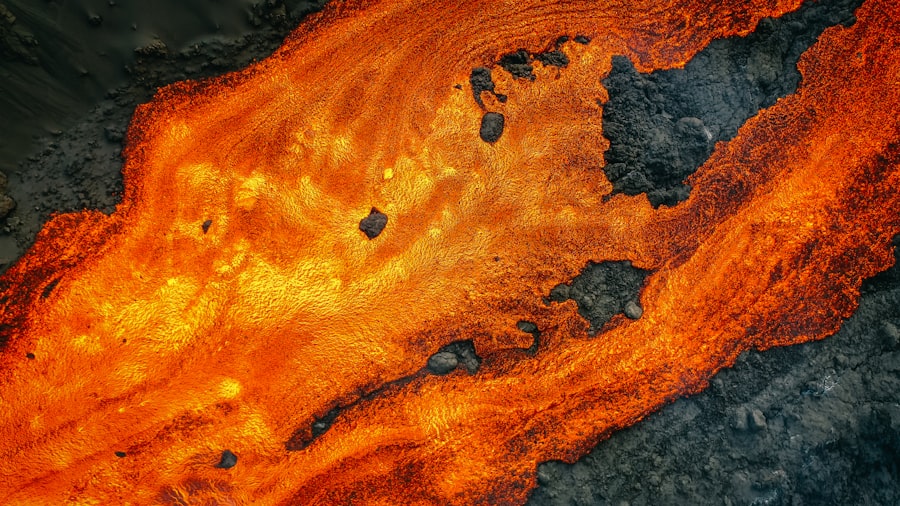
Once generated within the source rock, the liquid and gaseous hydrocarbons must embark on a journey through the Earth’s crust to find a suitable resting place. This journey is known as migration, and their eventual collection in a permeable and porous rock is called accumulation.
Primary and Secondary Migration
Hydrocarbon migration is typically divided into two stages:
- Primary Migration: This is the process by which hydrocarbons escape from the fine-grained, often impermeable source rock into more permeable carrier beds. This occurs under the influence of pressure gradients, buoyancy, and the expansion of generated gas. It is a slow and inefficient process, and only a fraction of the generated oil and gas effectively migrates out of the source rock.
- Secondary Migration: Once in permeable carrier beds, hydrocarbons migrate further, driven by buoyancy (oil and gas are less dense than water) and pressure gradients, through interconnected pore spaces. This migration continues until the hydrocarbons encounter a geological trap.
The Role of Porosity and Permeability
The ability of hydrocarbons to move through the subsurface is entirely dependent on the physical properties of the rocks:
- Porosity: This refers to the void space within a rock, expressed as a percentage of the total rock volume. It is the reservoir for the hydrocarbons.
- Permeability: This measures the interconnectedness of the pore spaces, dictating how easily fluids can flow through the rock. High permeability is essential for efficient migration and for the economic extraction of hydrocarbons. Commonly, sandstones and fractured carbonates exhibit high porosity and permeability, making them excellent reservoir rocks.
Geological Traps: The Containment Mechanisms
A geological trap is a configuration of rock layers that physically impedes the further migration of hydrocarbons, causing them to accumulate. Traps are essential for the formation of economically viable petroleum reservoirs. They are broadly classified into structural and stratigraphic traps.
Structural Traps
These traps are formed by deformation of rock layers, primarily through tectonic forces.
- Anticlines: These are convex, upward-arching folds in rock layers. As the layers bend upwards, any impermeable capping layers (e.g., shale) can trap migrating hydrocarbons beneath them.
- Faults: Faults are fractures in the Earth’s crust along which there has been movement. If a permeable reservoir rock is juxtaposed against an impermeable rock or a sealing fault plane, hydrocarbons can be trapped.
- Diapirs (Salt Domes): In areas where thick layers of salt have been buried, the salt can, over geologic time, become less dense than the overlying sediments and rise, piercing and deforming the surrounding rock layers. This upward movement can create traps at the crests of the diapirs or in flanking structures.
Stratigraphic Traps
These traps are formed by variations in the depositional environment or by subsequent geological processes that create permeability barriers within the rock sequence.
- Pinch-outs: These occur where a permeable reservoir rock layer thins out laterally and eventually disappears, replaced by an impermeable rock. Migrating hydrocarbons are then trapped at the edge of the pinch-out.
- Unconformities: These represent gaps in the geological record, where older rocks have been eroded and overlain by younger, potentially impermeable layers. Traps can form where porous and permeable rocks are truncated by the unconformity surface and sealed by the overlying impermeable cap rock.
- Reefs: Ancient coral reefs, constructed by marine organisms, are often highly porous and permeable structures. If these reefs are buried and sealed by impermeable shales, they can form excellent stratigraphic traps.
- Channel Sands: Ancient river or sea channels, filled with permeable sand, can be sealed by surrounding impermeable mudstones or shales, forming effective traps.
Petroleum Systems: The Interconnected Elements
The concept of a petroleum system provides a holistic framework for understanding the essential ingredients and processes required for the generation, migration, and accumulation of hydrocarbons within a specific area. It encompasses all the geological elements and the time-dependent processes that must occur in the correct sequence and within a favorable timeframe for a petroleum play to exist.
Key Elements of a Petroleum System
A fully functioning petroleum system requires the following essential elements:
- Source Rock: As discussed, this is the origin of the hydrocarbons.
- Reservoir Rock: A porous and permeable rock that can store the generated hydrocarbons.
- Seal or Cap Rock: An impermeable rock layer that prevents the upward or lateral escape of hydrocarbons from the trap.
- Trap: The geological configuration that confines the hydrocarbons.
- Timing: Crucially, these elements must be in place and the processes must occur in the correct chronological order. For example, the trap must form before or concurrently with the generation and migration of hydrocarbons. If the trap forms too early, it may be eroded before hydrocarbons can reach it. If it forms too late, the hydrocarbons may have already escaped.
- Migration Pathway: A permeable route through which hydrocarbons can move from the source rock to the trap.
The Importance of Timing
The geological timescale is a critical factor in petroleum systems. The generation of hydrocarbons is a slow process that can take millions of years. Tectonic events that create traps also unfold over geological time. For a petroleum system to be successful, the formation of the trap must be contemporaneous or slightly precede the expulsion of hydrocarbons from the source rock. Understanding the timing of these events is achieved through techniques such as geochronology, stratigraphy, and the study of seismic data.
Petroleum geology plays a crucial role in understanding the formation and extraction of oil and gas resources. For those interested in delving deeper into this fascinating field, a related article can be found that discusses the various techniques used in the exploration of petroleum reserves. This insightful piece offers valuable information on the geological processes involved and the technologies employed in the industry. You can read more about it in this article, which provides a comprehensive overview of the subject.
Exploration and Production: Unearthing the Reserves
| Metric | Description | Typical Range/Value | Unit |
|---|---|---|---|
| Porosity | Percentage of void space in rock that can contain hydrocarbons | 5 – 30 | % |
| Permeability | Ability of rock to transmit fluids | 0.1 – 1000 | millidarcies (mD) |
| Reservoir Depth | Depth at which petroleum reservoirs are found | 500 – 5000 | meters |
| API Gravity | Measure of petroleum liquid density relative to water | 10 – 45 | degrees API |
| Source Rock TOC | Total Organic Carbon content in source rock | 0.5 – 15 | % by weight |
| Thermal Maturity (Ro) | Vitrinite reflectance indicating maturity of organic matter | 0.5 – 2.0 | % Ro |
| Gas-Oil Ratio (GOR) | Volume of gas produced per volume of oil | 100 – 2000 | cubic feet per barrel (scf/bbl) |
| Formation Pressure | Pressure within the petroleum reservoir | 1000 – 10000 | psi |
The ultimate goal of petroleum geology is to locate and extract hydrocarbon reserves. This involves a complex workflow that combines geological interpretation with advanced geophysical techniques and drilling operations.
Exploration Methods
The process of finding oil and gas is a step-by-step investigation:
- Geological Mapping and Basin Analysis: Geologists begin by studying existing geological data, including surface mapping, well records from previous exploration efforts, and remote sensing data, to understand the regional geological history and identify sedimentary basins with petroleum potential. Basin analysis involves evaluating the type, thickness, and maturity of sedimentary sequences, as well as assessing the potential for source rocks, reservoirs, seals, and traps.
- Geophysical Surveys:
- Seismic Surveys: These are the most important geophysical tools for petroleum exploration. Seismic waves are generated at the surface and travel into the Earth. When these waves encounter different rock layers or geological structures, they are reflected or refracted back to receivers (geophones) at the surface. By analyzing the travel times and characteristics of these reflected waves, geophysicists can create detailed subsurface images. This allows them to identify potential traps, map the extent of reservoir rocks, and infer lithological variations. 3D seismic surveys provide even more detailed images of the subsurface.
- Magnetic and Gravity Surveys: These methods measure variations in the Earth’s magnetic and gravitational fields, which can be indicative of subsurface geological structures and rock densities, providing supplementary information to seismic data.
- Geochemical Surveys: Surface geochemical surveys can detect subtle anomalies in soil or atmospheric gases that may indicate the presence of underlying hydrocarbon seeps or migration pathways.
- Exploratory Drilling: This is the ultimate test for hydrocarbon potential. Based on the analysis of geological and geophysical data, exploration wells are drilled into promising geological structures. The geological samples obtained from these wells (cores and cuttings) are analyzed to confirm the presence of source rocks, reservoir rocks, and seals, and most importantly, to determine if hydrocarbons are present.
Production and Reservoir Engineering
Once hydrocarbons are discovered, the focus shifts to extracting them efficiently and economically.
- Reservoir Characterization: Detailed studies of the reservoir rock’s properties (porosity, permeability, heterogeneity, fluid saturation) are conducted using core analysis, well logs, and production data. This is crucial for understanding how the hydrocarbons are distributed within the reservoir and how they will flow.
- Well Design and Drilling: Wells are designed and drilled to reach the hydrocarbon accumulation. The drilling process itself requires careful management of pressures and borehole stability.
- Production Techniques:
- Primary Recovery: This relies on the natural pressure within the reservoir to drive hydrocarbons to the wellbore. This pressure can come from dissolved gas, water drive, or gas cap drive.
- Secondary Recovery: When natural reservoir pressure declines, methods like waterflooding or gas injection are used to maintain pressure and push more hydrocarbons towards the production wells.
- Tertiary or Enhanced Oil Recovery (EOR): These advanced techniques are employed when primary and secondary recovery methods are no longer effective. They involve injecting substances like steam, chemicals, or carbon dioxide to alter the properties of the oil or improve its mobility.
- Reservoir Management: Ongoing monitoring of reservoir performance, including pressure, production rates, and fluid compositions, allows engineers to optimize production strategies and maximize the recovery of hydrocarbons over the life of the field.
In conclusion, petroleum geology is a captivating field that bridges the distant past with our present energy needs. It requires a deep appreciation for Earth’s geological history, the intricate processes of organic matter transformation, and the subtle architecture of subsurface traps. The continuous unraveling of its mysteries fuels our modern world while simultaneously demanding responsible stewardship of our planet’s finite resources.
FAQs
What is petroleum geology?
Petroleum geology is the branch of geology that studies the origin, occurrence, movement, accumulation, and exploration of hydrocarbon fuels, primarily oil and natural gas.
How do petroleum geologists locate oil and gas reserves?
Petroleum geologists use geological surveys, seismic data, rock sampling, and subsurface mapping to identify potential hydrocarbon reservoirs and assess their size and viability.
What types of rocks are typically associated with petroleum reservoirs?
Petroleum reservoirs are commonly found in porous and permeable sedimentary rocks such as sandstone, limestone, and dolomite, which can store and transmit hydrocarbons.
What is the role of source rocks in petroleum geology?
Source rocks are organic-rich sedimentary rocks where hydrocarbons are generated through the thermal maturation of organic material. They are the origin of oil and gas in petroleum systems.
Why is understanding the geological history important in petroleum exploration?
Understanding the geological history helps geologists reconstruct past environments, sediment deposition, and tectonic events, which are critical for predicting the location and quality of hydrocarbon reservoirs.