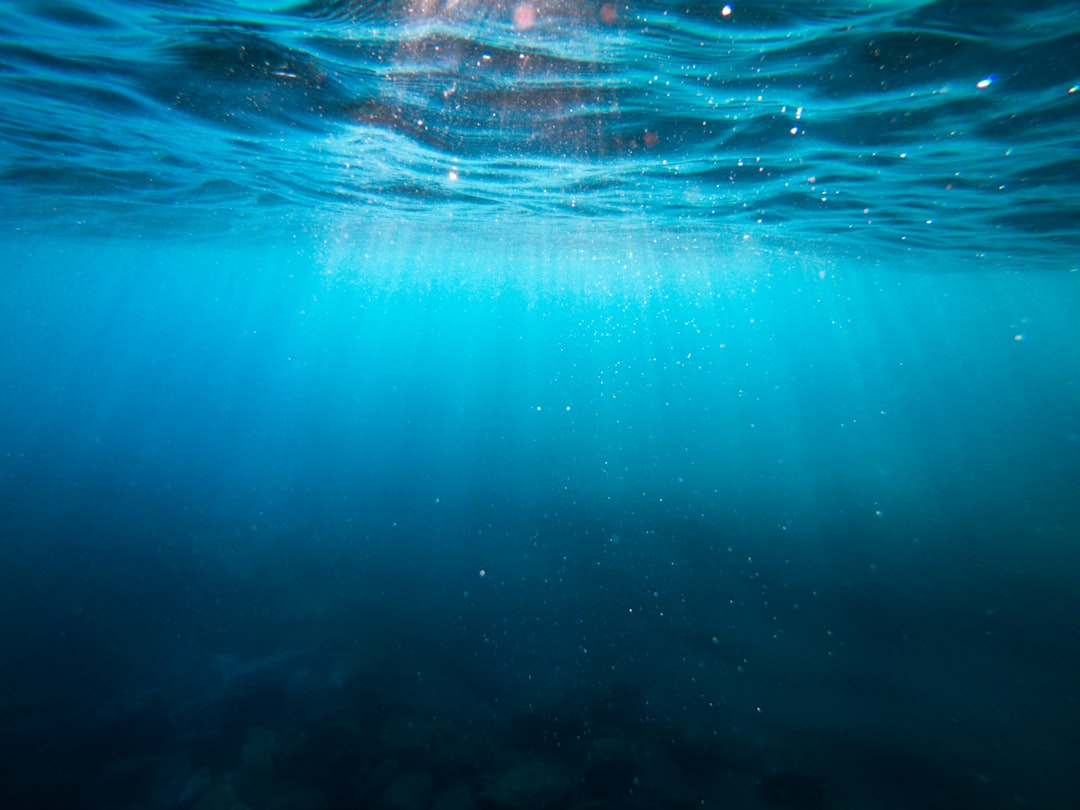
The vast, blue expanse of Earth’s oceans, covering over 70% of its surface, holds a profound allure. For centuries, humanity has gazed upon its shimmering surface, sensing the immensity and complexity that lies beneath. Yet, despite our fascination, the ocean remains one of the planet’s least explored frontiers, a realm brimming with enigmas that continue to challenge and inspire scientific endeavor. Unraveling the mysteries of ocean science is a critical undertaking, not just for understanding the intricate web of life on Earth, but also for addressing pressing global issues from climate change to food security. The journey into this watery world is a tapestry woven with diverse disciplines, from the microscopic intricacies of marine biology to the colossal forces that shape underwater landscapes, all contributing to a more complete picture of our planet.
The sheer scale of the ocean’s depths presents a formidable challenge to exploration. Sunlight penetrates only the uppermost layers, leaving the vast majority of the marine environment in perpetual darkness. Modern technology, however, is steadily pushing back the boundaries of our ignorance, revealing worlds previously unimaginable.
The Realm of the Abyss: Life in Extreme Conditions
The abyssal plains and trenches, exceeding 4,000 meters in depth, are characterized by crushing pressures, near-freezing temperatures, and a complete absence of sunlight. Life in these extreme environments has evolved remarkable adaptations. Organisms here often rely on chemosynthesis, deriving energy from chemical reactions rather than photosynthesis. Bioluminescence, the production of light by living organisms, is common, used for communication, hunting, and defense in the perpetual darkness. Discoveries of hydrothermal vents, spewing superheated, mineral-rich water, have revolutionized our understanding of life’s resilience and its potential origins. These oases of life, teeming with unique bacteria, tube worms, and specialized crustaceans, demonstrate that life can thrive even in the most seemingly inhospitable corners of our planet.
Submersible Technologies: Eyes on the Deep
The development of advanced submersibles, both crewed and uncrewed, has been instrumental in ocean exploration. Remotely Operated Vehicles (ROVs) and Autonomous Underwater Vehicles (AUVs) are equipped with cameras, sensors, and sampling tools, allowing scientists to collect data and specimens from depths that were once inaccessible. These technological marvels navigate treacherous underwater terrain, map the seafloor, and observe marine life in its natural habitat, offering unprecedented insights into the ocean’s hidden ecosystems. The data they gather contributes to building a comprehensive understanding of biodiversity, geological processes, and the impact of human activities on the deep sea.
Unveiling the Seafloor: Geology and Geophysics
The ocean floor is not a static entity; it is a dynamic landscape shaped by powerful geological forces. Understanding these processes is crucial for comprehending phenomena such as earthquakes, volcanic activity, and the formation of mineral resources. Investigations of mid-ocean ridges, where new oceanic crust is generated, and subduction zones, where one tectonic plate slides beneath another, reveal the immense energy at play within our planet.
Mapping the Underwater Topography
Sophisticated sonar systems and multibeam echosounders are employed to create detailed maps of the ocean floor. These maps reveal the existence of seamounts, canyons, and vast plains, providing context for geological and biological studies. Understanding the topography also plays a vital role in navigation and in identifying potential hazards. The mapping of the Mariana Trench, the deepest point on Earth, for example, has been a testament to human ingenuity and a significant milestone in oceanographic exploration.
The Mystery of Plate Tectonics
The theory of plate tectonics, which explains the movement of Earth’s lithospheric plates, is largely understood through observations of the ocean floor. Studying magnetic anomalies on the seafloor, spreading patterns at mid-ocean ridges, and the distribution of earthquakes and volcanoes allows scientists to reconstruct the history of plate movements and predict future geological events. The ocean serves as the primary laboratory for understanding these fundamental geological processes that shape our planet’s surface.
Ocean science is a vast and fascinating field that encompasses the study of marine ecosystems, ocean currents, and the impact of climate change on our oceans. For those interested in delving deeper into this topic, a related article that provides valuable insights is available at Freaky Science. This article explores various aspects of ocean science, including the importance of preserving marine biodiversity and the latest research findings that shed light on the complexities of oceanic environments.
The Pulse of the Planet: Oceanography and Climate
The ocean is inextricably linked to Earth’s climate system, acting as a massive regulator of temperature, a sink for carbon dioxide, and a driver of weather patterns. Understanding these ocean-climate interactions is paramount in the face of a changing global climate.
The Ocean’s Role in Carbon Cycling
Oceans absorb a significant portion of the carbon dioxide released into the atmosphere, acting as a crucial buffer against the full impact of greenhouse gas emissions. This carbon is transported to the deep ocean through various “biological pumps,” involving the sinking of organic matter produced by marine organisms. However, the ocean’s capacity to absorb CO2 is not limitless, and the increasing acidity of ocean waters due to this absorption poses a serious threat to marine ecosystems.
The Biological Pump: A Delicate Balance
The biological pump is a complex system where marine life plays a central role in sequestering atmospheric carbon. Phytoplankton, the microscopic marine plants, absorb CO2 during photosynthesis. When these organisms die or are consumed, their organic matter sinks, transporting carbon to the deep ocean. Changes in ocean temperature, nutrient availability, and the abundance of phytoplankton can significantly impact the efficiency of this pump, with wide-ranging implications for global carbon cycles.
Ocean Acidification: A Growing Threat
As the ocean absorbs more CO2, its pH decreases, leading to ocean acidification. This process makes it more difficult for marine organisms with calcium carbonate shells and skeletons, such as corals, shellfish, and plankton, to survive and grow. The cascading effects of acidification can disrupt entire food webs and threaten the health of vital marine ecosystems like coral reefs.
Ocean Currents: The Global Conveyor Belt
Ocean currents are vast, interconnected systems of water movement that distribute heat, nutrients, and dissolved gases around the globe. These currents, driven by winds, temperature, and salinity differences, play a critical role in regulating regional and global climates. The Gulf Stream, for instance, brings warm water to Northern Europe, moderating its climate. Disruptions to these currents, potentially linked to climate change, could have profound impacts on weather patterns worldwide.
Thermohaline Circulation: A Driver of Climate
The thermohaline circulation, also known as the oceanic conveyor belt, is a global current system driven by differences in temperature and salinity. This slow-moving but powerful circulation system transports heat from the equator towards the poles and returns cold, dense water to the tropics. Changes in the melting of polar ice sheets and freshwater input can alter the density of ocean water, potentially disrupting this vital circulation and leading to significant climate shifts.
Predicting Weather and Climate Patterns
Oceanographic data is essential for accurate weather forecasting and long-term climate modeling. Satellites monitor sea surface temperatures, ocean currents, and chlorophyll concentrations, while buoys and research vessels collect data on temperature, salinity, and atmospheric conditions at sea. This information is fed into sophisticated computer models that predict everything from daily weather patterns to the trajectory of climate change over decades and centuries.
The Tapestry of Life: Marine Biodiversity and Ecosystems
The ocean is a vibrant mosaic of life, harboring an astonishing diversity of species, from the smallest microorganisms to the largest whales. Understanding these intricate ecosystems and the unique adaptations of their inhabitants is a cornerstone of marine science.
Microscopic Worlds: Plankton and Microbes
Plankton, encompassing both phytoplankton (plants) and zooplankton (animals), form the base of most marine food webs. Phytoplankton are responsible for a significant portion of Earth’s oxygen production through photosynthesis. Zooplankton graze on phytoplankton and are in turn consumed by larger organisms. Microbes, including bacteria and archaea, play crucial roles in nutrient cycling and decomposition, forming an essential, often unseen, part of marine ecosystems.
The Unsung Heroes: Marine Microbes
Marine microbes are incredibly diverse and perform vital functions, from breaking down organic matter to fixing nitrogen and influencing global biogeochemical cycles. They are crucial players in the ocean’s carbon cycle and play a role in regulating the production of many important gases. Their study is essential for understanding the health and functioning of the entire ocean.
The Architects of the Sea: Coral Reefs and Kelp Forests
Coral reefs, often called the “rainforests of the sea,” are incredibly biodiverse ecosystems that provide habitat and sustenance for a quarter of all marine species. Kelp forests, underwater forests of large brown algae, also support a rich array of marine life. Both ecosystems are highly sensitive to changes in water temperature, acidity, and pollution, making them important indicators of ocean health.
Coral Reefs: Biodiversity Hotspots Under Threat
Coral reefs are a testament to the power of symbiotic relationships, where corals host photosynthetic algae within their tissues. These vibrant ecosystems are facing unprecedented threats from climate change, overfishing, and pollution, leading to widespread coral bleaching and degradation. Conservation efforts are crucial to protect these invaluable marine habitats.
The Majesty of Marine Mammals and Large Pelagics
From the colossal blue whale to the sleek dolphin, marine mammals represent some of the ocean’s most iconic inhabitants. Large pelagic fish, such as tuna and sharks, are apex predators that play crucial roles in maintaining the balance of marine food webs. Studying their migration patterns, feeding habits, and population dynamics is vital for their conservation.
Migratory Giants: Whales and Their Journeys
Whales undertake some of the longest migrations on Earth, traveling thousands of miles between feeding and breeding grounds. Understanding these journeys, their navigation methods, and the threats they face, such as entanglement in fishing gear and ship strikes, is crucial for their survival. Acoustic studies and satellite tagging provide invaluable insights into their secretive lives.
The Ocean’s Bounty: Resources and Human Impact
The ocean provides humanity with an array of essential resources, from food and minerals to energy and livelihoods. However, our increasing demand has also led to significant environmental pressures on marine ecosystems.
Fisheries and Food Security
Marine fisheries are a vital source of protein for billions of people worldwide. Sustainable fishing practices are essential to ensure the long-term health of fish stocks and the livelihoods of fishing communities. Overfishing, however, has led to the depletion of many commercially important species, threatening food security and biodiversity.
The Challenge of Sustainable Fishing
Developing and implementing effective fisheries management strategies is a complex undertaking that requires collaboration between scientists, policymakers, and fishing industries. This includes setting quotas, implementing seasonal closures, and promoting selective fishing gear to minimize bycatch of non-target species.
Deep-Sea Mining: A New Frontier and a New Threat
The deep seafloor holds vast deposits of minerals, such as polymetallic nodules and cobalt-rich crusts, that are becoming increasingly attractive for commercial exploitation. However, the potential environmental impacts of deep-sea mining are largely unknown and could be devastating to fragile deep-sea ecosystems that have evolved over millennia in stable conditions.
The Unknown Ecological Costs
The process of deep-sea mining involves disturbing vast areas of the seafloor, releasing plumes of sediment, and potentially releasing toxic substances. The long-term consequences for deep-sea biodiversity, which is notoriously slow to recover from disturbance, are of great concern among scientists and conservationists.
Marine Renewable Energy: Harnessing the Ocean’s Power
The ocean possesses immense potential for renewable energy, including wave, tidal, and offshore wind power. Harnessing these resources could contribute significantly to a global transition away from fossil fuels. However, the development and deployment of marine energy technologies must be carefully managed to minimize impacts on marine ecosystems and human activities.
Balancing Energy Needs and Environmental Protection
The installation of offshore wind farms, tidal turbines, and wave energy converters needs to be carefully sited and managed to avoid disrupting marine life, migratory routes, and sensitive habitats. Research into the potential ecological impacts and the development of mitigation strategies are crucial for ensuring the sustainable development of marine renewable energy.
Ocean science is a fascinating field that explores the complexities of marine ecosystems, climate interactions, and oceanic processes. For those interested in diving deeper into this subject, a related article can be found on Freaky Science, which discusses the impact of ocean currents on global weather patterns. This resource provides valuable insights into how these currents shape our climate and influence marine life. You can read more about it in this article.
The Future of Ocean Science: Innovation and Conservation
| Topic | Explanation |
|---|---|
| Oceanography | The study of the physical and biological aspects of the ocean. |
| Marine Biology | The study of marine organisms and their interactions with the environment. |
| Sea Level Rise | The increase in the average level of the ocean’s surface due to the melting of glaciers and ice caps. |
| Coral Bleaching | The process in which corals lose their vibrant colors due to environmental stressors. |
The ongoing exploration and understanding of ocean science are more critical than ever. As humanity grapples with the challenges of climate change, resource management, and biodiversity loss, the ocean’s role is central, and its mysteries continue to beckon, promising new discoveries and solutions.
Advanced Technologies for Future Exploration
The future of ocean exploration will be driven by further advancements in technology. Innovations in autonomous systems capable of longer deployments and more complex tasks, the development of low-impact sampling methods, and the integration of artificial intelligence for data analysis will unlock new insights into the ocean’s vastness.
The Promise of AI in Oceanography
Artificial intelligence is increasingly being used to analyze the massive datasets generated by oceanographic research. AI can identify patterns, detect anomalies, and predict future trends in areas such as marine species distribution, oceanographic currents, and the impacts of climate change, accelerating the pace of discovery and enabling more effective conservation strategies.
Marine Protected Areas and Conservation Strategies
Establishing and effectively managing marine protected areas (MPAs) is a crucial tool for conserving marine biodiversity and restoring ecosystem health. These areas can serve as refuges for marine life, allowing populations to recover and spill over into surrounding areas.
The Global Network of MPAs
The designation of marine protected areas has become a key strategy in global conservation efforts. However, their effectiveness depends on rigorous scientific design, effective enforcement, and the participation of local communities. Expanding and strengthening these networks is seen as vital for safeguarding the future of marine life.
Citizen Science and Public Engagement
The increasing involvement of citizen scientists in data collection and observation is a powerful force in ocean science. Through apps, online platforms, and dedicated monitoring programs, individuals can contribute valuable data on marine phenomena, fostering a greater appreciation for and understanding of the ocean.
Empowering the Public to Protect the Ocean
Citizen science initiatives empower ordinary individuals to become active participants in ocean research and conservation. By collecting data on everything from marine debris to whale sightings, these programs not only expand the reach of scientific observation but also foster a deeper connection between people and the ocean, inspiring greater stewardship.
The unraveling of the ocean’s mysteries is a continuous process, a testament to human curiosity and our symbiotic relationship with this vital part of our planet. From the deepest trenches to the sun-drenched surface waters, the ocean continues to reveal its wonders and its vulnerabilities. The pursuit of ocean science is not merely an academic endeavor; it is an imperative for the health of our planet and the future of humanity. The more we understand, the better equipped we will be to protect and cherish this extraordinary blue world.

The Secret Ocean Layer That Lets Sound Travel for Thousands of Miles
FAQs
What is ocean science?
Ocean science is the study of the physical, chemical, biological, and geological aspects of the ocean. It encompasses a wide range of disciplines including oceanography, marine biology, marine geology, and marine ecology.
Why is ocean science important?
Ocean science is important because the ocean plays a crucial role in regulating the Earth’s climate, providing food and resources, and supporting diverse ecosystems. Understanding the ocean’s processes and dynamics is essential for addressing environmental challenges and sustaining marine life.
What are some key areas of research in ocean science?
Key areas of research in ocean science include ocean circulation, marine biodiversity, ocean acidification, marine pollution, coastal erosion, and the impact of climate change on the ocean. Scientists also study the ocean’s role in the global carbon cycle and its influence on weather patterns.
How do scientists study the ocean?
Scientists study the ocean using a variety of methods including remote sensing, satellite imagery, oceanographic instruments, underwater vehicles, and research vessels. They collect data on ocean temperature, salinity, currents, and marine life to better understand the complex interactions within the marine environment.
What are some practical applications of ocean science?
Practical applications of ocean science include fisheries management, coastal zone management, marine conservation, climate modeling, and the development of renewable energy sources such as wave and tidal power. Ocean science also contributes to the understanding of natural hazards such as tsunamis and hurricanes.