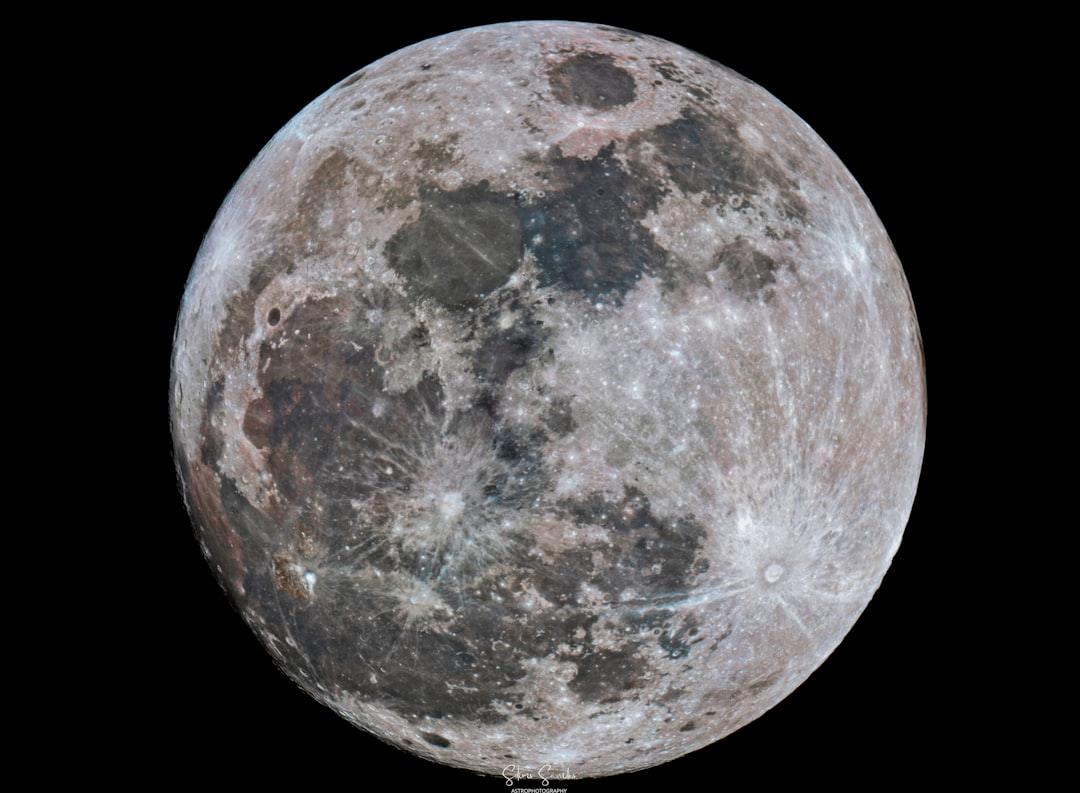
Unraveling the Mysteries of Earth and Planetary Science
The vast expanse of the cosmos, punctuated by celestial bodies of awe-inspiring diversity, has long ignited the human imagination. Beneath our feet, the very ground we tread holds secrets of immense age and intricate processes that continuously shape our home planet. Earth and Planetary Science, a multifaceted discipline, seeks to demystify these phenomena, casting a scientific gaze upon the origins, evolution, and inner workings of Earth and its celestial neighbors. It is a field that employs a dizzying array of tools and methodologies, from the nanoscale analysis of minerals to the observation of distant galaxies, all in pursuit of understanding our place within the grand cosmic tapestry.
This journey of discovery is not merely an academic pursuit; it is an endeavor that directly impacts our lives. By unraveling the mysteries of Earth’s geological processes, scientists gain insights into the predictable yet often devastating forces of earthquakes, volcanic eruptions, and tsunamis, enabling better preparedness and mitigation strategies. Similarly, studying other planets offers a unique perspective on the conditions necessary for life, potentially guiding our search for extraterrestrial existence and even informing strategies for sustainable living on Earth.
The breadth of Earth and Planetary Science is considerable, encompassing disciplines such as geology, geophysics, geochemistry, atmospheric science, oceanography, and astronomy, among others. Each sub-discipline acts as a specialized lens, focusing on specific aspects of planetary systems. Yet, their individual investigations are intrinsically linked, forming a complex web of knowledge that allows for a more holistic understanding. To truly grasp the scope of this scientific endeavor, it is beneficial to delve into its key areas of inquiry.
Earth, our blue marble spinning through the void, is far from a static entity. Its surface, seemingly solid and unchanging, is in reality a thin, dynamic skin constantly being sculpted by internal and external forces. This constant flux is a testament to the planet’s inherent vitality, a characteristic that distinguishes it from many of its barren brethren in the solar system. Understanding these ongoing processes provides a crucial foundation for comprehending Earth’s past and predicting its future.
Plate Tectonics: The Grand Unifying Theory of Earth’s Surface
At the heart of Earth’s dynamism lies the theory of plate tectonics, a paradigm shift in geological thought that explains a multitude of surface phenomena. This theory posits that Earth’s outer shell, the lithosphere, is broken into a series of massive, rigid plates that float and move on the semi-fluid asthenosphere beneath. These plates are like colossal rafts, constantly jostling, colliding, and sliding past one another, their interactions responsible for the formation of mountains, the opening and closing of oceans, and the occurrence of earthquakes and volcanic activity.
Divergent Boundaries: Where New Crust is Born
At divergent boundaries, tectonic plates move away from each other. This separation allows molten rock, or magma, from the Earth’s mantle to rise to the surface, solidifying to form new oceanic crust. The Mid-Atlantic Ridge, a vast underwater mountain range, is a prime example of a divergent boundary, where the North American and Eurasian plates are continuously pulling apart. This process, akin to a planetary conveyor belt, is a fundamental mechanism for the recycling of Earth’s crust.
Convergent Boundaries: The Sites of Collision and Subduction
Convergent boundaries are characterized by the collision of tectonic plates. The outcomes of these collisions depend on the types of plates involved. When an oceanic plate converges with a continental plate, the denser oceanic plate is forced beneath the continental plate in a process called subduction. This subduction zone is a zone of intense geological activity, leading to the formation of deep ocean trenches, volcanic arcs along the continental margin, and powerful earthquakes. The Andes Mountains, for instance, are a dramatic result of oceanic-continental convergence. When two continental plates collide, neither can easily subduct, resulting in immense crustal thickening and the formation of massive mountain ranges, such as the Himalayas, formed by the collision of the Indian and Eurasian plates.
Transform Boundaries: The Shearing Motion
Transform boundaries occur where tectonic plates slide horizontally past each other. While these boundaries do not create or destroy crust, they are responsible for significant seismic activity. The San Andreas Fault in California is a classic example of a transform boundary, where the Pacific Plate and the North American Plate grind past each other, generating frequent earthquakes. The friction generated by this immense pressure is released in sudden, violent tremors.
Volcanism: Earth’s Fiery Expressive Outlet
Volcanoes, those majestic cones spewing ash and lava, are direct manifestations of Earth’s internal heat at work. They are often found at plate boundaries, where molten rock from the mantle can escape to the surface. However, volcanism also occurs at “hotspots,” plumes of unusually hot mantle material that rise from deep within the Earth, independent of plate boundaries, as exemplified by the Hawaiian Islands. Studying volcanic eruptions offers invaluable data on the composition and dynamics of Earth’s interior.
Magma Formation and Ascent: The Journey from Below
Magma, the molten rock beneath the Earth’s surface, forms through a combination of melting of the mantle rock, changes in pressure, and the introduction of volatiles such as water. As magma becomes less dense than the surrounding rock, it rises through the crust. The rate and manner of its ascent are influenced by factors such as magma viscosity and the presence of fractures in the rock.
Eruption Styles: From Gentle Flows to Explosive Blasts
Volcanic eruptions exhibit a wide range of styles, from relatively gentle effusive eruptions of fluid basaltic lava that can flow for miles, to highly explosive, violent eruptions that send ash and gas plumes high into the atmosphere. The explosivity of an eruption is largely determined by the magma’s viscosity and its gas content. Highly viscous magmas, rich in silica, tend to trap gases, leading to explosive eruptions, while less viscous, basaltic magmas allow gases to escape more readily, resulting in effusive lava flows.
Seismology: Listening to the Earth’s Tremors
Seismology is the scientific study of earthquakes and the seismic waves they produce. By analyzing the patterns and travel times of these waves as they propagate through the Earth’s interior, seismologists can infer the structure and composition of the planet’s deep layers. Earthquakes are not just random occurrences; they are the seismic rumblings of a planet under immense stress.
Seismic Waves: The Earth’s Internal Echoes
Two primary types of seismic waves are generated by earthquakes: body waves and surface waves. Body waves, P-waves (primary) and S-waves (secondary), travel through the Earth’s interior. P-waves are compressional waves, meaning they cause particles to vibrate in the direction of wave propagation, and can travel through solids, liquids, and gases. S-waves are shear waves, causing particles to vibrate perpendicular to the direction of wave propagation, and can only travel through solids. Surface waves, Love waves and Rayleigh waves, travel along the Earth’s surface and are responsible for much of the ground shaking experienced during an earthquake.
Earth’s Internal Structure: Unveiling the Hidden Layers
The analysis of seismic waves has allowed scientists to develop a detailed model of Earth’s internal structure, revealing distinct layers: the solid inner core, the liquid outer core, the semi-fluid mantle, and the rigid lithosphere. The interactions between these layers, particularly the convection currents within the mantle, are the driving force behind plate tectonics.
For those interested in the latest developments in earth and planetary science, a fascinating article can be found at Freaky Science. This resource delves into various topics, including the geological processes that shape our planet and the exploration of other celestial bodies within our solar system. It’s an excellent read for anyone looking to expand their understanding of the dynamic systems that govern both Earth and its planetary neighbors.
The Dawn of Worlds: Planetary Formation and Evolution
The birth of planets is a cosmic saga of dust and gas coalescing over billions of years. Understanding the processes that lead to the formation of planetary systems, including our own solar system, provides crucial context for the unique characteristics of Earth and its celestial companions. This is a story written in the language of gravity and chemistry.
The Nebular Hypothesis: A Cosmic Cloud’s Transformation
The prevailing theory for the formation of planetary systems is the nebular hypothesis. It suggests that solar systems originate from vast, rotating clouds of gas and dust called nebulae. As these clouds collapse under their own gravity, a central protostar forms, and the surrounding material flattens into a protoplanetary disk. Within this disk, dust grains collide and stick together, gradually growing into planetesimals, and eventually into protoplanets and full-fledged planets.
Protoplanetary Disks: The Nurseries of Planets
Protoplanetary disks are regions of gas and dust orbiting young stars. Within these disks, the intricate dance of gravity and accretion leads to the formation of planets. Observing these disks with advanced telescopes, like the Atacama Large Millimeter/submillimeter Array (ALMA), allows astronomers to witness the early stages of planet formation in real-time, revealing gaps and structures that indicate the presence of forming planets.
Accretion and Differentiation: Building the Planets
Accretion is the process by which smaller particles collide and stick together to form larger bodies. As these bodies grow, they begin to differentiate, meaning that denser materials sink to the core and lighter materials rise to the surface. This process is fundamental to the internal structure of planets, leading to distinct layers like a metallic core and a rocky mantle.
The Terrestrial Planets: Our Rocky Neighbors
The inner solar system is home to the terrestrial planets: Mercury, Venus, Earth, and Mars. These planets share common characteristics, such as a solid, rocky surface and a metallic core. However, their evolutionary paths have diverged significantly, leading to vastly different environments today.
Mercury: The Sun-Scorched Messenger
Mercury, the closest planet to the Sun, is a world of extremes, with scorching temperatures on its sun-facing side and frigid conditions on its night side. Its heavily cratered surface speaks of a long history of bombardment, and its small size has led to a lack of significant geological activity and an atmosphere so tenuous it is practically non-existent.
Venus: The Greenhouse Hellscape
Venus, often called Earth’s twin due to its similar size and composition, is a stark warning about the runaway effects of the greenhouse effect. Its dense atmosphere, composed primarily of carbon dioxide, traps heat relentlessly, leading to surface temperatures hot enough to melt lead. The planet is shrouded in thick clouds of sulfuric acid, making direct observation of its surface extremely challenging.
Mars: The Red Planet’s Past and Future
Mars, the fourth planet from the Sun, has captured humanity’s imagination with its potential for past life and the possibility of future human colonization. Evidence suggests that Mars once harbored liquid water on its surface, with ancient riverbeds and lakebeds visible today. Ongoing missions are actively searching for signs of past or present microbial life and assessing the planet’s habitability.
The Gas Giants: Kings of the Outer Solar System
Beyond the asteroid belt lie the gas giants: Jupiter, Saturn, Uranus, and Neptune. These colossal worlds are primarily composed of hydrogen and helium, with no solid surface in the conventional sense. Their immense gravitational pull has profoundly influenced the dynamics of the solar system.
Jupiter: The Solar System’s Gravitational Anchor
Jupiter is the largest planet in our solar system, its immense gravity playing a crucial role in deflecting comets and asteroids, protecting the inner planets from more frequent impacts. Its swirling cloud bands and the iconic Great Red Spot reveal complex atmospheric dynamics driven by powerful storms.
Saturn: The Ringed Jewel
Saturn is renowned for its spectacular ring system, composed of countless particles of ice and rock. These rings, while seemingly solid, are dynamic structures that are constantly evolving. The planet’s atmosphere is characterized by strong winds and an abundance of storms, though less violent than Jupiter’s.
Uranus and Neptune: The Icy Enigmas
Uranus and Neptune, the outermost ice giants, possess unique characteristics. Uranus rotates on its side, perhaps due to a colossal impact early in its history, leading to extreme seasonal variations. Neptune, the windiest planet in the solar system, experiences supersonic winds that lash its bluish atmosphere.
The Hidden Depths: Earth’s Interior and Geochemistry

While the Earth’s surface is where we live and interact, it is the planet’s interior, a realm of extreme pressures and temperatures, that drives much of its geological activity. Geochemistry, the study of the chemical composition of Earth and its processes, provides the keys to understanding these hidden depths. By analyzing the chemical fingerprints left behind in rocks and minerals, scientists can reconstruct Earth’s history and infer the processes occurring deep within.
The Mantle: The Engine of Plate Tectonics
The Earth’s mantle, a vast layer of silicate rock extending from the crust to the outer core, is the primary driver of plate tectonics. Here, slow but powerful convection currents circulate, transferring heat from the Earth’s interior to the surface. These currents are akin to a giant, geologically slow-moving lava lamp, dictating the movement of the tectonic plates.
Mantle Convection: The Planetary Circulatory System
Mantle convection is a continuous cycle of hot, less dense material rising and cooler, denser material sinking. This process is largely responsible for the movement of the tectonic plates, as well as the phenomenon of plume tectonics, where localized upwellings of hot mantle material can lead to volcanic activity far from plate boundaries.
Mineralogy and Petrology: Decoding the Rock Record
Mineralogy, the study of minerals, and petrology, the study of rocks, are fundamental to understanding the mantle. By examining the types of minerals present in rocks and their chemical composition, geologists can infer the conditions under which they formed, including pressure, temperature, and the presence of volatiles like water.
The Core: A Dynamo of Mystery
The Earth’s core, a region of immense pressure and temperature, consists of a solid inner core and a liquid outer core. The motion of the liquid iron-nickel outer core is responsible for generating Earth’s magnetic field, a vital shield that protects our planet from harmful solar wind.
The Geodynamo: Generating Earth’s Magnetic Field
The geodynamo is the process by which the Earth’s magnetic field is generated by the convective motion of the electrically conductive liquid iron in the outer core. This generated field extends far into space, creating the magnetosphere, which deflects charged particles from the Sun.
Core-Mantle Boundary: A Realm of Intense Interaction
The boundary between the core and the mantle is a region of intense physical and chemical interactions. Seismic wave anomalies and the study of magnetic field reversals provide clues about the complex processes occurring at this interface, which can influence mantle dynamics and even surface volcanism.
Isotope Geochemistry: Dating the Past
Isotope geochemistry utilizes the variations in the abundance of different isotopes of elements to determine the age of rocks and to trace the origin and evolution of geological materials. Radioactive isotopes decay at a predictable rate, acting like tiny, inexhaustible clocks, allowing scientists to decipher Earth’s ancient history.
Radiometric Dating: Unlocking Geological Timelines
Radiometric dating techniques, such as carbon-14 dating and uranium-lead dating, are essential tools for establishing absolute ages of rocks and geological events. By measuring the ratio of parent isotopes to daughter isotopes, scientists can accurately determine how long ago a rock formed or an event occurred, painting a grand timeline of Earth’s history.
Stable Isotopes: Tracing Environmental Changes
Stable isotopes, which do not undergo radioactive decay, can provide valuable information about past environmental conditions, such as temperature, precipitation, and oceanographic processes. For example, the isotopic composition of oxygen in ice cores can reveal past climates, acting as a sensitive barometer of ancient atmospheric conditions.
The Breath of Our Planet: Atmospheric and Oceanic Sciences

The Earth’s atmosphere and oceans are inextricably linked, forming a dynamic system that governs our planet’s climate, weather patterns, and habitability. Atmospheric and oceanic sciences explore the intricate interactions between these two vital components, revealing the complex feedback loops that regulate our planet’s environment.
Atmospheric Dynamics: Weather and Climate Explained
The atmosphere, a swirling envelope of gases, is responsible for the weather we experience daily and the long-term climate patterns that define regions. Atmospheric scientists study the circulation of air masses, the formation of clouds and precipitation, and the complex interactions that lead to phenomena like hurricanes and droughts.
Global Circulation Patterns: The Trade Winds and Beyond
The Earth’s atmosphere is characterized by large-scale circulation patterns, such as the Hadley cells, Ferrel cells, and polar cells, which transport heat and moisture around the globe. These patterns influence regional climates and are fundamental to understanding global weather systems.
Climate Change: A Shifting Equilibrium
Climate change, driven by anthropogenic emissions of greenhouse gases, represents a significant challenge to our planet. Understanding the complex feedback mechanisms within the atmosphere and its interactions with the oceans is crucial for predicting future climate scenarios and developing effective mitigation strategies.
Oceanography: The Vast Blue Frontier
The oceans cover over 70% of Earth’s surface and play a critical role in regulating global temperature, cycling nutrients, and supporting a diverse array of life. Oceanographers study ocean currents, marine ecosystems, and the geological processes that shape the ocean floor.
Ocean Currents: The Planet’s Conveyor Belt
Ocean currents, vast flows of water, act as a global conveyor belt, transporting heat and nutrients around the planet. The thermohaline circulation, driven by differences in temperature and salinity, is a particularly influential current system that plays a significant role in regulating global climate.
Marine Ecosystems: Biodiversity in the Depths
Marine ecosystems, from coral reefs to the deep-sea trenches, are teeming with life, exhibiting incredible biodiversity. Understanding the delicate balance of these ecosystems and the impact of human activities, such as pollution and overfishing, is essential for their conservation.
The Cryosphere: Earth’s Frozen Realms
The cryosphere, encompassing all frozen parts of the Earth, including glaciers, ice sheets, and sea ice, plays a pivotal role in regulating global climate and sea levels. Studying the dynamic changes occurring within the cryosphere provides critical insights into the impacts of global warming.
Glaciology: The Study of Ice
Glaciology, the study of glaciers, reveals how these massive bodies of ice form, flow, and respond to changes in climate. The melting of glaciers and ice sheets contributes significantly to rising sea levels, posing a threat to coastal communities worldwide.
Sea Ice Dynamics: A Sensitive Indicator
Sea ice, particularly in the Arctic, is a highly sensitive indicator of climate change. Its extent and thickness fluctuate seasonally, but the long-term decline in Arctic sea ice is a stark warning about the ongoing warming of the planet.
Recent advancements in earth and planetary science have shed light on the intricate processes that shape our planet and its neighbors. For those interested in exploring these developments further, a related article discusses the implications of volcanic activity on planetary atmospheres, which can be found at this link. Understanding these dynamics is crucial for predicting geological events and their potential impact on climate and habitability.
The Search for Life Beyond Earth: Astrobiology and Exoplanetary Science
| Metric | Value | Unit | Description |
|---|---|---|---|
| Earth’s Age | 4.54 | billion years | Estimated age of the Earth |
| Average Earth Surface Temperature | 15 | °C | Global mean surface temperature |
| Earth’s Radius | 6,371 | km | Average radius from center to surface |
| Atmospheric Composition (Nitrogen) | 78 | % | Percentage of nitrogen in Earth’s atmosphere |
| Atmospheric Composition (Oxygen) | 21 | % | Percentage of oxygen in Earth’s atmosphere |
| Moon’s Distance from Earth | 384,400 | km | Average distance between Earth and Moon |
| Solar System Age | 4.6 | billion years | Estimated age of the Solar System |
| Earth’s Core Temperature | 5,400 | °C | Estimated temperature at Earth’s inner core |
| Earthquake Magnitude (Richter Scale) | 9.5 | Magnitude | Largest recorded earthquake magnitude |
| Atmospheric Pressure at Sea Level | 101.3 | kPa | Average atmospheric pressure at sea level |
The profound question of whether life exists beyond Earth has driven exploration and scientific inquiry for centuries. Astrobiology, a multidisciplinary field, seeks to answer this question by studying the origins, evolution, and distribution of life in the universe. This quest takes us to the stars, armed with our understanding of Earth.
The Habitable Zone: The Cosmic Sweet Spot
The concept of the habitable zone, also known as the “Goldilocks zone,” refers to the region around a star where temperatures are suitable for liquid water to exist on the surface of a planet. This is considered a fundamental prerequisite for life as we know it.
Exoplanet Discoveries: A Universe of Worlds
The discovery of thousands of exoplanets – planets orbiting stars other than our Sun – has revolutionized our understanding of planetary systems. Telescopes like the Kepler Space Telescope and the Transiting Exoplanet Survey Satellite (TESS) have revealed a remarkable diversity of exoplanets, many of which reside within their star’s habitable zone.
Biosignatures: The Fingerprints of Life
Identifying biosignatures, chemical or physical indicators of past or present life, is a key objective in the search for extraterrestrial life. These could include the presence of certain gases in an exoplanet’s atmosphere, such as oxygen or methane, in proportions that are unlikely to be produced by geological processes alone.
The Search for Microbial Life: The Most Likely Candidate
Given the prevalence of microbial life on Earth and its resilience in extreme environments, astrobiologists often prioritize the search for microbial life on other planets or moons. Moons like Europa (Jupiter) and Enceladus (Saturn), which are believed to harbor subsurface oceans of liquid water, are prime targets for this investigation.
Subsurface Oceans: Potential Havens for Life
The existence of subsurface liquid water, insulated from the harsh conditions of space by thick icy shells, makes moons like Europa and Enceladus exceptionally promising candidates in the search for extraterrestrial life. The potential for hydrothermal vents on the seafloor of these worlds could provide energy and nutrients for microbial communities.
Extremophiles on Earth: Lessons for the Cosmos
Earth is home to extremophiles, organisms that thrive in extreme environments, such as deep-sea hydrothermal vents, highly acidic lakes, and radioactive waste. Studying these organisms provides invaluable insights into the potential range of conditions under which life can exist, broadening our perspective on the search for life beyond Earth.
The Future of Exploration: Advanced Telescopes and Interstellar Probes
The ongoing development of advanced telescopes, such as the James Webb Space Telescope, is providing unprecedented capabilities for characterizing exoplanet atmospheres and searching for biosignatures. In the longer term, the prospect of interstellar probes may offer the opportunity for direct exploration of nearby exoplanetary systems, ushering in a new era of cosmic discovery.
In conclusion, Earth and Planetary Science is a vast and evolving field that continues to push the boundaries of human knowledge. From the intricate dance of tectonic plates beneath our feet to the myriad of exoplanets orbiting distant stars, each discovery adds another piece to the grand puzzle of our universe. The ongoing unraveling of these mysteries not only enriches our understanding of our own planet’s past, present, and future but also inspires us to contemplate our place among the stars and the profound question of whether we are alone in the cosmos. This scientific journey is far from over; indeed, it is only just beginning to reveal the true wonders of the celestial and terrestrial realms.
FAQs
What is Earth and Planetary Science?
Earth and Planetary Science is the study of the Earth, its atmosphere, oceans, and the physical and chemical processes that shape it, as well as the study of other planets, moons, and celestial bodies in our solar system and beyond.
What are the main branches of Earth and Planetary Science?
The main branches include geology (study of Earth’s solid materials), meteorology (study of the atmosphere and weather), oceanography (study of oceans), and planetary science (study of planets and other celestial bodies).
How do scientists study other planets?
Scientists use telescopes, space probes, satellites, and landers to collect data about other planets. They analyze surface features, atmospheres, magnetic fields, and compositions to understand planetary formation and evolution.
Why is Earth and Planetary Science important?
This field helps us understand natural hazards like earthquakes and volcanic eruptions, climate change, resource management, and the potential for life on other planets, contributing to scientific knowledge and societal safety.
What tools and techniques are commonly used in Earth and Planetary Science?
Common tools include remote sensing technology, seismic instruments, spectrometers, computer modeling, and laboratory analysis of rock and soil samples to study planetary processes and history.