
You’ve consumed a perfectly ripe strawberry, its sweetness exploding on your tongue, a delightful prelude to the journey it will soon undertake. But what happens after that initial sensory pleasure? How does your body, specifically your intricate gut, register that this is, indeed, a strawberry, and not a bitter gourd or a bland cracker? This is where the fascinating world of your gut’s food detection mechanism comes into play, a sophisticated internal sensing system that orchestrates everything from nutrient absorption to your very mood. You might think of your taste buds as the primary arbiters of flavor, but their role is merely the opening act. The real symphony of detection happens in the hidden landscape of your gastrointestinal tract, an area teeming with specialized cells and intricate signaling pathways. Understanding this mechanism is key to comprehending why certain foods make you feel energized, others sluggish, and how your digestive system becomes a silent conductor of your overall well-being. Consider this your personal guide to unraveling the gut’s remarkable ability to taste, identify, and respond to the food you eat, a process far more complex and influential than you might imagine.
You wouldn’t typically associate your gut with intelligence, but in many ways, it functions as a remarkably perceptive entity, particularly when it comes to food. This isn’t just about simple digestion; it’s about a complex communication network that constantly assesses the incoming nutritional bounty. You possess a vast array of sensors embedded within the lining of your digestive tract, far beyond the taste buds on your tongue. These sensors are designed to recognize not just the basic taste profiles of sweet, sour, bitter, salty, and umami, but also the specific chemical signatures of various nutrients, pathogens, and even the physical properties of your food.
Beyond the Tongue: The Enteric Nervous System
Your gut harbors what’s often referred to as the “enteric nervous system” (ENS), a complex network of neurons that resides entirely within the walls of your digestive tract. Think of it as a semi-autonomous brain, capable of initiating and controlling digestive processes independently of the central nervous system, though it does communicate with it. This ENS is packed with sensory neurons that are continuously gathering information about your internal environment.
Sensing Chemical Gradients
When food enters your stomach and then your small intestine, it’s broken down into smaller molecules. Your gut lining is lined with specialized cells, like enteroendocrine cells, that are exquisitely sensitive to these molecular building blocks. They can detect the presence of specific amino acids, fatty acids, sugars, and even minerals. Imagine them as tiny chemical sniffers, each tuned to a particular type of molecule. When they encounter their target, they release signaling molecules, like hormones or neurotransmitters, that communicate this detection to other cells and to the ENS. This allows your gut to precisely identify what it’s absorbing.
Responding to Nutrient Density
Your gut senses not just what is present, but also how much. It has mechanisms to gauge the density of nutrients in a meal. This helps regulate how quickly food moves through your system and how efficiently it’s absorbed. If your gut detects a nutrient-rich meal, it might slow down transit to maximize absorption. Conversely, a less nutrient-dense meal might be propelled more rapidly. You might have experienced this as a feeling of fullness and satisfaction after a substantial meal, or a quicker onset of hunger after a lighter one.
The Microbiome: An Unseen Food Detective
You are not alone in your digestive tract. You host a trillions-strong community of microorganisms, collectively known as your gut microbiome. These microscopic inhabitants play a crucial role in the detection of food. They are not passive bystanders; they actively metabolize food components that your own cells cannot, and in doing so, they produce a vast array of byproducts – metabolites – that your gut sensors can then detect. This creates a symbiotic relationship where your microbiome essentially extends your ability to ‘taste’ and understand your food.
Metabolite Signaling
Your gut bacteria ferment undigested carbohydrates, producing short-chain fatty acids (SCFAs) like butyrate, propionate, and acetate. These SCFAs are not just waste products; they are powerful signaling molecules. Your gut lining actively absorbs them, and they interact with specific receptors on your cells, influencing inflammation, energy metabolism, and even appetite regulation. When you consume fiber-rich foods, you are essentially feeding your beneficial bacteria, which in turn produce these beneficial SCFAs, signaling to your gut that it’s receiving good fuel.
Educating Your Immune System
The microbiome also plays a critical role in educating your gut’s immune system, which is intimately intertwined with food detection. As food passes through, your immune cells are constantly exposed to its components and to the byproducts of microbial activity. This exposure helps your immune system distinguish between beneficial food components and potentially harmful pathogens. This constant dialogue ensures that your body mounts an appropriate response, preventing unnecessary inflammation when it encounters harmless food particles.
Recent research has highlighted the fascinating ways in which our gut detects food, playing a crucial role in digestion and overall health. For a deeper understanding of this intricate process, you can explore the article on gut health and its connection to food detection at Freaky Science. This resource provides valuable insights into how our digestive system communicates with our brain and influences our eating habits.
Specialized Cells: The Gut’s Flavor Receptors
Imagine your gut lining as a sophisticated tasting panel, equipped with specialized cells that act as highly selective taste receptors. These aren’t just passive membranes; they are active sensing units, constantly analyzing the chemical composition of what you’ve eaten. Their ability to identify specific molecules is fundamental to initiating the appropriate digestive and metabolic responses.
Enteroendocrine Cells: The Hormone Factories
Enteroendocrine cells (EECs) are perhaps the most crucial players in your gut’s food detection mechanism. These are neuroendocrine cells, meaning they have characteristics of both nerve cells and endocrine cells. They are strategically positioned throughout the lining of your stomach and intestines, where they are perfectly placed to interact with ingested food. When they sense specific nutrients, they release a cocktail of hormones and neurotransmitters into the bloodstream or directly into the gut lumen.
Sensing Sweetness and Umami
You might be surprised to learn that your gut possesses receptors for sweet and umami tastes, similar to those on your tongue. Specifically, you have sweet taste receptors (T1R2/T1R3) and umami taste receptors (T1R1/T1R3) in your intestine. When saccharides (sugars) and amino acids (the building blocks of proteins) encounter these receptors, it triggers the release of hormones that signal satiety and influence nutrient absorption. For instance, sensing sweetness can trigger the release of glucagon-like peptide-1 (GLP-1), a hormone that slows gastric emptying and stimulates insulin release, helping to regulate blood sugar levels after a meal. This is why naturally sweet foods can be so satisfying.
Detecting Bitter Flavors and Toxins
Your gut is also equipped with bitter taste receptors (T2Rs). While you might associate bitter tastes with unpleasantness, these receptors in your gut serve a vital protective function. Many toxins and potentially harmful compounds in food have a bitter taste. By detecting these bitter compounds, EECs can initiate protective reflexes, such as increased mucus secretion or even vomiting, to expel them from your body. This is your gut’s early warning system against ingesting something harmful.
Brush Cells: Sensing Mechanical Stimuli
While chemical sensing is paramount, your gut also has cells that respond to physical cues. Brush cells, characterized by their dense microvilli that resemble a brush, are sensory receptors that can detect mechanical stimuli.
Responding to Gut Distension
When you eat a meal, your stomach and intestines distend, meaning they stretch. Brush cells can sense this stretching and signal to the ENS. This information helps your brain understand how full you are and contributes to the feeling of satiety. This is a crucial part of the gut’s ability to gauge the volume of food you’ve consumed, influencing your overall perception of fullness.
Detecting Gut Motility Changes
The physical presence of food also influences the muscular contractions of your gut, known as motility. Brush cells can interact with the mechanical forces generated by this motility, further informing the ENS about the status of food transit. This intricate feedback loop ensures that food moves through your digestive tract at the optimal pace for digestion and absorption.
The Language of the Gut: Hormones and Neurotransmitters

Once your gut sensors have identified what you’ve eaten, it’s time for them to communicate this information to the rest of your body. This communication happens primarily through the release of a complex language of hormones and neurotransmitters, a sophisticated signaling system that orchestrates a cascade of physiological responses.
Hormonal Messengers: Orchestrating Digestion and Metabolism
Hormones are chemical messengers produced by EECs that travel through the bloodstream to target organs throughout your body, influencing a wide range of functions. You might be familiar with some of these, but their roles in gut food detection are often overlooked.
Ghrelin and Leptin: The Hunger and Satiety Duo
Ghrelin, often called the “hunger hormone,” is primarily produced by cells in your stomach. Its levels rise when your stomach is empty, signaling to your brain that it’s time to eat. Conversely, after you’ve eaten and your stomach fills, ghrelin levels drop, and other hormones, such as leptin (primarily produced by fat cells, but also influenced by gut signals), are released to signal satiety and inhibit hunger. Your gut’s ability to detect the physical presence of food and its nutrient content directly influences the release of these two critical hormones.
Cholecystokinin (CCK) and Gastric Inhibitory Peptide (GIP): Signals of Nutrient Presence
Cholecystokinin (CCK) is released in response to the presence of fats and proteins in the small intestine. It signals your gallbladder to release bile, which aids in fat digestion, and your pancreas to release digestive enzymes. CCK also contributes to feelings of fullness and slows down gastric emptying. Gastric Inhibitory Peptide (GIP), on the other hand, is released in response to carbohydrates and fats. It stimulates insulin secretion from the pancreas, preparing your body to absorb and utilize these nutrients.
Neurotransmitters: Local Communication and Gut-Brain Axis
While hormones have systemic effects, neurotransmitters act more locally within the ENS, facilitating rapid communication between nerve cells and influencing gut motility, secretion, and even sensation. However, they also play a vital role in the gut-brain axis, the bidirectional communication pathway between your digestive system and your central nervous system.
Serotonin: More Than Just a Mood Regulator
You might associate serotonin primarily with mood regulation in your brain, but a staggering 90% of your body’s serotonin is actually produced in your gut! Enterochromaffin cells in the gut lining are major producers of serotonin. Food passing through the gut, particularly certain amino acids, stimulates serotonin release. This serotonin then influences gut motility, sensation, and the release of other gut hormones. Disruptions in gut serotonin signaling can contribute to digestive disorders and even impact your mood and well-being.
Dopamine and Norepinephrine: Influencing Motility and Absorption
Other neurotransmitters like dopamine and norepinephrine also play roles in gut function. They can influence the speed of food passage through your intestines and can modulate the activity of absorptive cells. Their release is often triggered by specific sensory inputs from food, fine-tuning the digestive process in real-time.
The Gut-Brain Connection: How Food Sensing Affects Your Mind
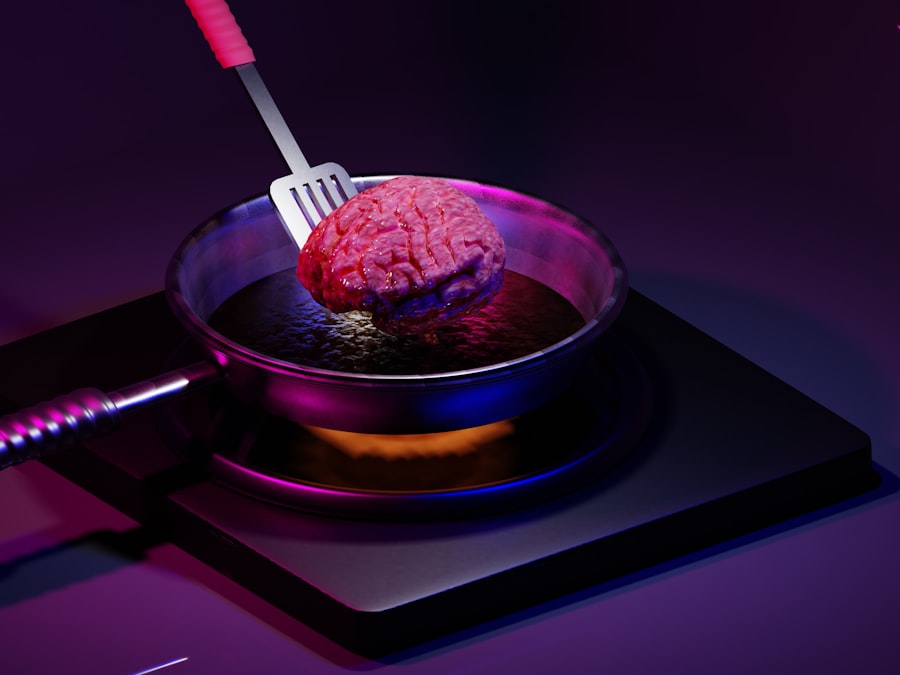
The intricate food detection mechanisms within your gut are not confined to purely digestive functions. The constant stream of information generated by your gut sensors directly influences your brain, impacting everything from your mood and cognitive function to your behavior and food preferences. This is the essence of the gut-brain axis.
Receiving and Transmitting Signals
Your gut’s ENS communicates with the central nervous system through several pathways, including the vagus nerve, the primary communication highway. Sensory neurons in the gut line detect the presence of nutrients, microbial metabolites, and inflammatory signals. These neurons then transmit this information via the vagus nerve to various areas of your brain, including those involved in processing emotions, regulating appetite, and controlling cognitive functions.
Influencing Mood and Emotion
The gut’s ability to detect certain foods can directly influence your mood. For example, the production of serotonin in the gut, stimulated by food, plays a significant role in mood regulation. Certain nutrients can also influence the release of neurotransmitters that affect feelings of anxiety or well-being. The food you eat literally contributes to the chemical environment that shapes your emotional state.
Shaping Appetite and Cravings
Your gut ‘tastes’ contribute significantly to your overall appetite regulation. Hormones released by the gut, like leptin and ghrelin, directly signal to your brain about hunger and satiety. Furthermore, the microbiome’s production of metabolites can influence your brain’s reward centers, potentially leading to cravings for specific foods that are beneficial for your microbial community. This is a complex interplay where your gut’s detection system is informing your brain’s desires.
The Role of the Microbiome in the Gut-Brain Connection
The gut microbiome plays an even more profound role in the gut-brain axis, acting as a crucial intermediary in this communication. The metabolites produced by your gut bacteria can directly interact with the ENS and influence the production of neurotransmitters and hormones that affect brain function.
Microbial Metabolites as Neuroactive Compounds
As mentioned earlier, SCFAs produced by bacterial fermentation can cross the blood-brain barrier and influence neuroinflammation and neuronal function. Other microbial metabolites can also act as precursors for neurotransmitters or directly modulate neuronal activity. Your gut microbiome is essentially producing a cocktail of compounds that can directly influence your brain’s chemistry and function.
Impact on Stress and Anxiety
Emerging research suggests that the composition and activity of your gut microbiome can influence your resilience to stress and anxiety. A healthy and diverse microbiome, nurtured by a varied diet, may contribute to a more balanced stress response, while imbalances (dysbiosis) can be linked to heightened anxiety and mood disturbances. This underscores the importance of your gut’s food detection mechanisms in supporting your mental well-being.
Recent research has shed light on the fascinating ways our gut detects food, revealing that our digestive system plays a crucial role in signaling hunger and satiety. This intricate process involves a complex interplay of hormones and nerve signals that communicate with the brain, ensuring we respond appropriately to what we eat. For a deeper understanding of this topic, you can explore an insightful article that delves into the science behind gut detection and its impact on our eating habits. Check it out here for more information.
Implications and Future Directions: Optimizing Your Gut’s Detection
| Aspect | Description |
|---|---|
| Sensory Receptors | The gut contains sensory receptors that can detect the presence of food particles and nutrients. |
| Nerve Signals | When food is detected, nerve signals are sent to the brain to inform it of the presence of food. |
| Hormonal Response | The gut releases hormones in response to food detection, which can affect hunger and satiety. |
| Mechanical Distension | The stretching of the gut wall by food can also trigger signals to the brain indicating food intake. |
Understanding the intricate ways your gut detects food opens up a world of possibilities for optimizing your health and well-being. From personalized nutrition to the development of novel therapies, the implications are far-reaching. By paying attention to what you eat and how your body responds, you are already engaging with this complex system.
Personalized Nutrition and Diet Design
The future of nutrition lies in leveraging our understanding of individual gut detection mechanisms. Instead of generic dietary advice, we can move towards personalized approaches that consider your unique gut microbiome composition, your individual genetic predispositions, and your specific sensory responses to different foods.
Dietary Interventions for Gut Health
Imagine precisely tailoring your diet to promote the growth of beneficial gut bacteria, thereby optimizing the production of helpful metabolites. This could involve increased intake of prebiotics (fibers that feed beneficial bacteria) or probiotics (live beneficial bacteria). Understanding how your gut detects different types of carbohydrates, for instance, can help guide you towards the most effective fiber sources for your unique system.
Addressing Food Sensitivities and Intolerances
The gut’s detection system is also implicated in food sensitivities and intolerances. When the gut misinterprets or overreacts to certain food components, it can lead to a range of uncomfortable symptoms. Further research into these detection mechanisms could lead to more accurate diagnostic tools and targeted interventions to manage these conditions. This could involve identifying specific food components that trigger an aberrant response and developing strategies to mitigate that response.
Therapeutic Innovations and Disease Management
The insights gained from unraveling the gut’s food detection mechanism hold immense promise for therapeutic interventions across various diseases.
Targeting Gut Hormones for Metabolic Disorders
The role of gut hormones like GLP-1 in regulating blood sugar and appetite makes them prime targets for treating conditions like type 2 diabetes and obesity. Understanding how nutrient detection by EECs finely tunes the release of these hormones could lead to the development of more effective drug therapies that mimic or modulate these natural signaling pathways.
The Gut Microbiome as a Therapeutic Target
The influence of the microbiome on the gut-brain axis and overall health suggests that manipulating the gut microbial community could be a powerful therapeutic strategy. Fecal microbiota transplantation (FMT), for example, is already showing promise in treating certain gastrointestinal disorders. Future therapeutic approaches might involve precisely engineering microbial consortia to enhance specific food detection and signaling functions within the gut.
By delving into the hidden landscape of your gut, you’ve uncovered a world of silent sensing and sophisticated communication. You’ve learned that your intestines are not merely passive conduits for food but active participants in identifying, analyzing, and responding to every bite you take. This ongoing process, driven by specialized cells, intricate signaling pathways, and the crucial influence of your gut microbiome, profoundly shapes your physical health, your mental well-being, and even your food preferences. As research continues to unravel this remarkable system, you are empowered with the knowledge to make more informed choices about your diet, optimizing this incredible internal detection mechanism for a healthier, more vibrant you.

The Hidden Sense Inside Your Gut
FAQs
What is the gut and how does it detect food?
The gut, also known as the gastrointestinal tract, is a long tube that starts at the mouth and ends at the anus. It detects food through a complex process involving the release of digestive enzymes, hormones, and nerve signals.
What role do gut bacteria play in detecting food?
Gut bacteria, also known as the gut microbiota, play a crucial role in detecting food by breaking down complex carbohydrates, producing essential nutrients, and influencing the release of hormones that regulate appetite and metabolism.
How does the gut communicate with the brain about food intake?
The gut communicates with the brain through the gut-brain axis, a bidirectional communication system that involves the nervous system, hormones, and immune system. This communication helps regulate appetite, food intake, and overall digestive function.
What are some common signs that the gut has detected food?
Common signs that the gut has detected food include increased saliva production, stomach rumbling, and the release of digestive enzymes and hormones that prepare the body for food digestion and absorption.
Can the gut’s ability to detect food be influenced by diet and lifestyle?
Yes, the gut’s ability to detect food can be influenced by diet and lifestyle factors such as the types of food consumed, meal timing, stress levels, and physical activity. A healthy diet and lifestyle can support optimal gut function and food detection.