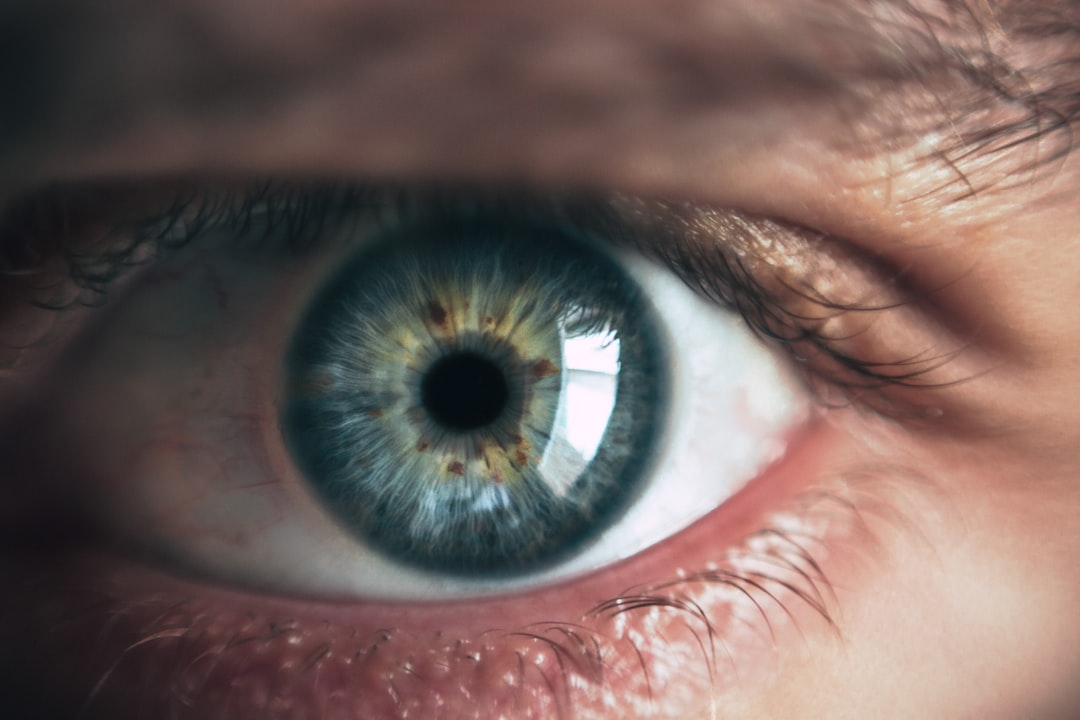
You stand before a mirror, scrutinizing the hue that stares back. Blue, brown, green, hazel – a spectrum of pigments that, for millennia, has been a hallmark of human identity. You take for granted the intricate dance of genetics that painted your iris, a process far more complex than initially perceived. The human eye, a marvel of biological engineering, owes its color to a fascinating interplay of genes, pigments, and light. This exploration aims to demystify this genetic lottery, unraveling the scientific narrative behind your unique ocular shade.
Your eye color, at its most fundamental level, is determined by the amount and type of melanin present in the iris. Melanin, the same pigment responsible for skin and hair color, is the primary player in this ocular drama. It’s not the presence of different colored pigments that creates blue or green eyes; rather, it’s the absence, or scarcity, of melanin that allows light to interact with the iris in specific ways.
Melanin: The Chromatic Chameleon
Melanin is a broad term for a group of pigments. Within the context of eye color, the most significant types are eumelanin and pheomelanin. Eumelanin, a dark brown to black pigment, is the dominant factor in determining darker eye colors. Pheomelanin, which is reddish-yellow, plays a less prominent role in eye color, but it contributes to the warmer tones found in some hazel and green eyes. The relative proportions of these two melanin types, and their distribution, are crucial.
Distribution Matters: Stroma and Pigment Epithelium
The iris is comprised of two main layers. The anterior layer, the stroma, is where the magic of scattering and absorption happens. Melanin granules are sparsely distributed in the stroma of individuals with lighter colored eyes. In people with brown eyes, these granules are densely packed, absorbing most of the light that enters the iris. The posterior layer, the iris pigment epithelium, is always densely pigmented with melanin, irrespective of iris color, to prevent light from scattering within the eye. This layer’s role is more about light control than visual hue.
Light Scattering: The Rayleigh Phenomenon
For eyes that are not a deep, opaque brown, the appearance of color arises from how light interacts with the stroma. The relatively low concentration of melanin in a lighter iris allows for the scattering of light. This phenomenon is akin to why the sky appears blue. Shorter wavelengths of light, like blue, are scattered more effectively by small particles in the atmosphere than longer wavelengths (reds and yellows). In your iris, this scattering of shorter wavelengths by collagen fibers and other stromal components, combined with the absorption of longer wavelengths by the small amount of melanin present, results in the perception of blue or green. This is known as Rayleigh scattering.
The fascinating concept of the genetic lottery extends beyond just eye color, as it influences various traits in humans. For a deeper understanding of how genetics shapes our physical characteristics, you can explore the article on Freaky Science that delves into the complexities of genetic inheritance and its impact on human diversity. Check it out here: Freaky Science Article.
The Genetic Blueprint: Unpacking the Genes
While melanin is the direct architect of your eye color, the blueprint for its production and distribution is encoded within your genes. The genetics of eye color are not as simple as a single gene for blue and a single gene for brown. It’s a polygenic trait, meaning multiple genes contribute to the final outcome, creating a more nuanced and varied spectrum of colors than a Mendelian inheritance model would suggest.
OCA2: The Primary Architect
The OCA2 gene, located on chromosome 15, is considered the principal player in eye color determination. This gene provides instructions for making a protein called the P protein, which is involved in melanosome maturation. Melanosomes are the cellular structures responsible for producing and storing melanin. Variations, or alleles, within OCA2 can significantly influence the amount of melanin produced. A common variation in OCA2 is strongly associated with blue eyes, likely by reducing melanin production.
HERC2: The Maestro of OCA2
The HERC2 gene, located upstream of OCA2 on the same chromosome, acts as a regulator. It doesn’t directly produce pigment but contains a crucial regulatory region that influences the expression of OCA2. A specific single nucleotide polymorphism (SNP) within HERC2 is a major determinant of whether OCA2 is highly expressed (leading to more melanin and brown eyes) or lowly expressed (leading to less melanin and lighter eyes). Think of HERC2 as the conductor, telling OCA2 how loudly to play its tune of melanin production.
Other Contributing Genes: A Symphony of Influence
Beyond OCA2 and HERC2, several other genes contribute to the intricate tapestry of eye color. These genes fine-tune the process by influencing melanin production, transport, and even the overall structure of the iris. Genes like SLC24A4, TYR, and TYRP1 have been identified as having minor but noticeable effects on conferring particular shades of brown, blue, or green, and influencing the presence of flecks or rings within the iris. Their individual contributions might be small, but their collective impact adds to the diversity you observe.
Tracing the Inheritance: From Parents to Offspring

The inheritance of eye color generally follows patterns of Mendelian genetics, but with the added complexity of multiple genes involved. You inherit two copies of most genes, one from each parent, and the interaction of these alleles determines your phenotype – in this case, your eye color.
Dominant and Recessive Alleles: A Simplified Model
For a long time, eye color was explained using a simplified model of dominant and recessive alleles. Brown alleles were considered dominant over blue alleles. This meant if you inherited one brown allele and one blue allele, you would have brown eyes. You would only have blue eyes if you inherited two blue alleles. While this model provides a basic framework, it doesn’t fully account for the nuances of all eye colors, particularly green and hazel.
The Polygenic Reality: Beyond Simple Dominance
The polygenic nature of eye color means that the “dominant” and “recessive” idea is an oversimplification. Instead, it’s more accurate to think of a spectrum. The combination of alleles you inherit from your parents across multiple genes leads to a specific level of melanin production. A set of alleles that results in high melanin production will likely lead to brown eyes, while alleles that result in very low melanin production are more likely to result in blue eyes. Other combinations will fall in between, creating the range of greens and hazels.
Predicting the Unpredictable: Genetic Counseling and Probability
When considering eye color inheritance, predicting a child’s exact eye color can be challenging. While genetic counseling can provide probabilities based on a family’s known eye colors and genetic markers, the sheer number of gene interactions means that seemingly rare combinations can occur. It’s not uncommon for parents with the same eye color to have a child with a different eye color, especially if both parents carry recessive alleles for a lighter hue.
Beyond Blue and Brown: The Elusive Greens and Hazels
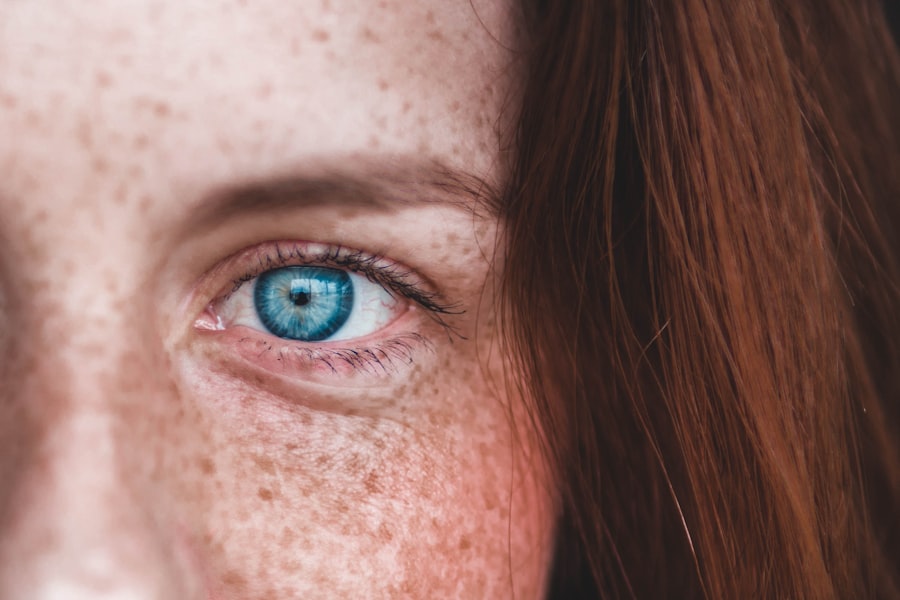
The existence of green and hazel eyes further illustrates the complexity of the genetic lottery. These colors are not the result of entirely different pigments but rather subtle variations in melanin concentration and distribution, coupled with specific light-scattering properties.
Green Eyes: A Delicate Balance
Green eyes are often described as a fascinating intermediate. They typically have moderate amounts of melanin in the stroma, more than blue eyes but less than brown eyes. The scattering of light, similar to blue eyes, plays a role, but the presence of a yellowish pigment (potentially pheomelanin or other lipochromes) interspersed with the melanin contributes to the green hue. The interplay between melanin absorption and light scattering is critical in producing this distinct color.
Hazel Eyes: A Multi-Toned Marvel
Hazel eyes are perhaps the most varied. They are characterized by a complex blend of colors, often featuring concentric rings or flecks of brown, green, and gold. This variability arises from a more uneven distribution of melanin within the stroma. Areas with higher melanin concentrations will appear browner, while areas with less melanin will exhibit green or golden hues due to light scattering. The specific pattern and intensity of these variations create the unique appearance of each hazel eye.
Factors Influencing Hue: Age and Environmental Cues
It’s also worth noting that eye color can subtly change over time, particularly in infancy. Babies are often born with blue eyes, as melanin production is still developing. As they mature, melanin levels in the iris increase, and their eye color can darken, potentially shifting to brown, hazel, or even a deeper shade of blue. While significant shifts in adulthood are rare, environmental factors like lighting can influence how you perceive your eye color on any given day.
The fascinating concept of the genetic lottery extends beyond just eye color, as explored in a related article on the science of human genetics. Understanding how various genes interact to determine traits can shed light on the complexities of inheritance and variation. For those interested in delving deeper into this subject, you can read more about it in the article on Freaky Science, which discusses the intricate mechanisms behind genetic traits and their implications for human diversity.
The Evolutionary Significance and Future of Eye Color Research
| Eye Color | Likelihood |
|---|---|
| Blue | 8-10% |
| Brown | 55-79% |
| Green | 2% |
| Hazel | 5% |
| Amber | Less than 5% |
The prevalence of different eye colors across human populations offers insights into our evolutionary history and migratory patterns. Research continues to delve deeper into the genetic underpinnings, promising further understanding and potentially even interventions.
Geographic Distribution: A Snapshot of Migration
The distribution of eye colors across the globe is not random. Brown eyes are the most common worldwide, reflecting the ancestral state of humans. The emergence of lighter eye colors, particularly blue eyes, is thought to have occurred in Northern Europe, likely as a result of a genetic mutation that significantly reduced melanin production. This adaptation may have offered advantages in low-light environments or played a role in vitamin D synthesis.
Genetic Drift and Founder Effects
The concentration of specific eye colors in certain regions can also be explained by genetic drift and founder effects. In isolated populations, rare mutations can become more common over time, leading to a higher prevalence of certain traits. This is believed to be a factor in the high incidence of blue eyes in Scandinavian populations.
Future Research Avenues: From SNPs to Therapies
Ongoing research is utilizing advanced genomic sequencing to identify even more genes and regulatory elements involved in eye color. This deeper understanding could have implications beyond simply satisfying curiosity. While currently theoretical, advances in gene editing technologies could, in the distant future, potentially offer a means to alter eye color, although ethical considerations and safety concerns remain paramount. The focus, for now, remains on unraveling the intricate genetic symphony that paints your irises.
FAQs
What determines human eye color?
The color of a person’s eyes is determined by the amount and distribution of melanin in the iris, the colored part of the eye. The more melanin present, the darker the eye color.
Is eye color inherited genetically?
Yes, eye color is a hereditary trait. It is determined by the combination of genes passed down from parents to their children.
Can two parents with brown eyes have a child with blue eyes?
Yes, it is possible for two parents with brown eyes to have a child with blue eyes. This can occur if both parents carry a recessive gene for blue eyes and pass it on to their child.
What are the most common eye colors?
The most common eye colors worldwide are brown and blue. Green and hazel are less common, and gray eyes are the rarest.
Can a person’s eye color change over time?
In some cases, a person’s eye color can change over time, particularly during infancy and early childhood. This is due to the development and distribution of melanin in the iris. However, once a person’s eye color has stabilized, it is unlikely to change.