
The ocean, Earth’s largest and most enigmatic biome, holds secrets that have captivated humanity for centuries. Among these profound mysteries, the availability and distribution of oxygen in its deepest reaches have long been a subject of intense scientific inquiry. For generations, it was assumed that the crushing pressures, perpetual darkness, and frigid temperatures of the abyss rendered it largely devoid of life that relied on oxygen. Yet, a growing body of evidence has begun to unravel this long-held assumption, revealing a complex and dynamic interplay of processes that sustain oxygen in the deep sea, and hinting at life forms that have adapted in extraordinary ways. This article delves into the fascinating story of oxygen in the deep ocean, exploring its origins, its surprising persistence, and the ongoing quest to understand its vital role in this alien world.
The journey of oxygen into the deep sea is fundamentally linked to processes occurring much closer to the surface. The uppermost layers of the ocean, known as the photic zone, are where sunlight penetrates, enabling photosynthesis. This process, carried out by phytoplankton and other photosynthetic organisms, is the primary source of oxygen production on Earth, both for the atmosphere and for the upper ocean.
Photosynthesis: The Ocean’s Breath
Photosynthesis is a remarkable biological marvel. In the presence of sunlight, water, and carbon dioxide, phytoplankton convert light energy into chemical energy, producing glucose (a sugar) and releasing oxygen as a byproduct. Vast blooms of these microscopic plants in nutrient-rich surface waters can significantly oxygenate the immediate environment. This oxygen is then available for consumption by a myriad of marine organisms inhabiting these sunlit realms, from microscopic zooplankton to large schools of fish and marine mammals.
Oxygen Production Rates: A Global Engine
While land plants are crucial for atmospheric oxygen, the ocean plays an equally significant role. Estimates suggest that marine phytoplankton are responsible for roughly half of the oxygen produced on Earth. This immense oxygen production acts as a global life-support system, replenishing both the atmosphere and the ocean’s oxygen reserves. The efficiency of this process is influenced by factors such as nutrient availability, water temperature, and sunlight intensity. Regions with high nutrient input, often found near coastlines or in areas of upwelling, tend to exhibit more prolific phytoplankton growth and, consequently, higher rates of oxygen production.
The Great Ocean Conveyor Belt: Distributing Life’s Essential Element
Once produced in the surface waters, oxygen embarks on a long and intricate journey into the ocean’s depths. This transport is primarily facilitated by the global ocean circulation, often referred to as the “thermohaline circulation” or the “great ocean conveyor belt.” This massive system of currents is driven by differences in water temperature and salinity.
Formation of Deep Water Masses: Oxygen’s Descent
In specific regions, particularly in the high latitudes of the North Atlantic and Antarctic oceans, surface waters become exceptionally cold and dense due to low temperatures and high salinity (often from ice formation). These dense, oxygen-rich waters sink, forming deep water masses that then spread out across the ocean floor. This sinking process is a critical mechanism for delivering oxygen from the surface to the abyssal plains. As these deep water masses circulate, they gradually mix with surrounding waters, slowly transporting dissolved oxygen to even the most remote parts of the ocean.
Residence Time of Oxygen: A Slow but Steady Supply
The journey of these oxygenated deep water masses is incredibly slow, with residence times spanning hundreds to thousands of years. This means that the oxygen found in the deepest parts of the ocean today was likely introduced at the surface centuries ago. This slow but steady supply is crucial for sustaining the life that has adapted to these extreme environments. The rate at which oxygen is replenished in the deep sea is a delicate balance between the sinking of oxygenated surface waters and the consumption of oxygen by deep-sea organisms.
The mystery of oxygen in the deep sea has puzzled scientists for years, as they seek to understand the complex interactions between marine life and oceanic processes. A related article that delves into this intriguing subject is available at Freaky Science, where researchers explore the factors influencing oxygen levels in the ocean’s depths and the implications for marine ecosystems. This exploration sheds light on how these dynamics affect not only the health of the ocean but also the broader climate system.
The Depths of Oxygen Depletion: A Persistent Challenge
Despite the continuous influx of oxygen from the surface, the deep ocean is not uniformly oxygenated. A significant challenge to oxygen persistence arises from the decomposition of organic matter that sinks from the upper ocean. This process, while essential for nutrient cycling, acts as a major oxygen sink.
The Marine Snow: A Rain of Organic Material
The sinking of organic material from the photic zone is often termed “marine snow.” This consists of dead phytoplankton, zooplankton fecal pellets, decaying animal remains, and other organic detritus. As this material descends through the water column, it becomes a food source for a diverse array of bacteria and other decomposers.
Microbial Respiration: Consuming the Ocean’s Breath
These microorganisms utilize dissolved oxygen from the surrounding seawater to break down the organic matter, releasing energy for their metabolic processes. This microbial respiration is a significant consumer of oxygen in the deep sea. In areas with high organic flux, oxygen concentrations can become significantly depleted. The rate of decomposition is influenced by factors such as temperature and the type of organic matter.
Oxygen Minimum Zones (OMZs): Oases of Low Oxygen
The combined effect of limited oxygen replenishment and high rates of organic matter decomposition can lead to the formation of Oxygen Minimum Zones (OMZs). These are vast regions within the ocean where dissolved oxygen concentrations are critically low, often falling below 2 milligrams per liter. While these zones may seem inhospitable, they are not devoid of life. Instead, they host highly specialized organisms that have evolved remarkable adaptations to survive in these challenging conditions.
Stratification and Stagnation: Trapping Oxygen-Poor Waters
In some parts of the ocean, particularly in semi-enclosed basins or areas with strong oceanographic stratification, deep water circulation can be sluggish. This can lead to the accumulation of oxygen-depleted waters, further exacerbating OMZs. The lack of vigorous mixing prevents the replenishment of oxygen from the surface, creating environments where oxygen levels can plummet over extended periods.
Influence of Climate Change: A Growing Concern
The delicate balance of oxygen in the deep sea is increasingly being influenced by global climate change. Rising ocean temperatures and changes in ocean circulation patterns are posing new challenges to oxygen availability.
Warming Waters and Reduced Solubility: A Double Whammy
Warmer water holds less dissolved oxygen than colder water. As the ocean absorbs excess heat from the atmosphere, its capacity to hold oxygen decreases. Furthermore, warmer surface waters are less dense, making them more resistant to sinking and mixing, thus hindering the transport of oxygen to the deep sea. This combination of reduced solubility and impaired circulation creates a “double whammy” effect, leading to a general decline in deep-ocean oxygen levels.
Life in the Oxygen Shadow: Adaptations of Deep-Sea Organisms

The presence of oxygen, even in depleted amounts, is critical for the vast majority of marine life. However, the deep sea presents unique challenges, and its inhabitants have evolved a stunning array of adaptations to cope with varying oxygen levels.
Metabolic Adaptations: Thriving on Less
Organisms living in low-oxygen environments have developed highly efficient metabolic pathways that allow them to survive on minimal oxygen.
Anaerobic Respiration and Facultative Anaerobes: Alternative Energy Sources
Some deep-sea creatures can switch to anaerobic respiration, a process that does not require oxygen to generate energy. While less efficient than aerobic respiration, it provides a vital lifeline when oxygen is scarce. Other organisms are facultative anaerobes, meaning they can switch between aerobic and anaerobic metabolism depending on oxygen availability. This flexibility is key to their survival in environments where oxygen levels fluctuate.
Reduced Metabolic Rates: Slowing Down to Survive
Many deep-sea animals have significantly slower metabolic rates compared to their shallow-water counterparts. This means they require less oxygen for their basic life functions. Their movements are often slow and deliberate, and their overall energy expenditure is minimized. This “slow living” strategy conserves precious oxygen reserves.
Behavioral Strategies: Seeking Out Oxygen or Tolerating Depletion
Beyond physiological adaptations, deep-sea organisms employ sophisticated behavioral strategies to navigate oxygen-rich pockets or endure periods of oxygen scarcity.
Vertical Migration: Following the Oxygen Gradient
Some mobile deep-sea organisms, such as certain species of fish and invertebrates, exhibit vertical migration patterns. They may descend into deeper, more oxygen-depleted waters to feed or avoid predators, but then ascend to shallower, more oxygenated layers to respire. This daily or seasonal movement is a testament to their ability to exploit available oxygen resources.
Seeking Refugia: Finding Oxygenated Havens
In areas with extensive OMZs, organisms may congregate in areas where oxygen levels are relatively higher, such as near hydrothermal vents or in regions with more active water circulation. These “refugia” provide essential havens where they can sustain their metabolic needs.
Symbiotic Relationships: Shared Respiration
In some instances, deep-sea organisms have formed symbiotic relationships with oxygen-producing or oxygen-utilizing microbes. For example, some gutless worm species have endosymbiotic bacteria in their tissues that can utilize hydrogen sulfide (abundant around hydrothermal vents) to produce energy, thereby providing nutrition to the host. While not directly related to dissolved oxygen in the water column, these symbiotic relationships highlight the intricate ways life has adapted to exploit chemical energy and minimize reliance on dissolved oxygen.
The Unseen World of Deep-Sea Chemosynthesis: Alternative Energy Sources
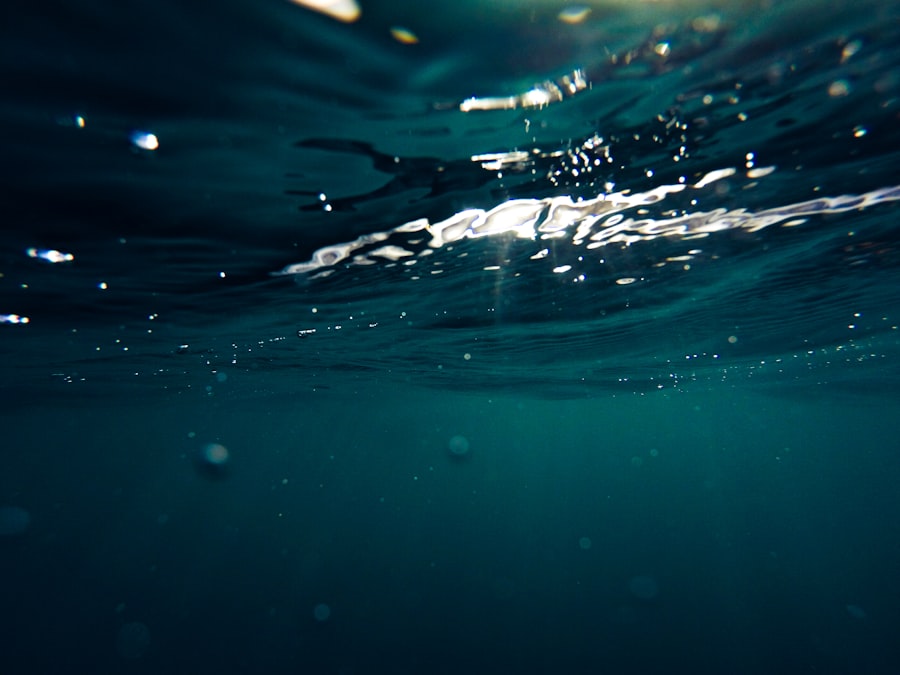
While oxygen plays a crucial role, the deep sea also harbors ecosystems that rely on chemical energy rather than sunlight. These chemosynthetic communities offer a glimpse into life’s remarkable adaptability and its ability to thrive in environments devoid of light and, sometimes, with limited oxygen.
Hydrothermal Vents: Oases of Chemical Energy
Hydrothermal vents, found along mid-ocean ridges, spew superheated, mineral-rich water from the Earth’s interior. This vent fluid contains reduced chemicals, such as hydrogen sulfide and methane, which serve as the primary energy source for chemosynthetic bacteria.
Chemosynthetic Bacteria: The Foundation of Vent Ecosystems
These specialized bacteria utilize the chemical energy released from the oxidation of these compounds to produce organic matter. They form the base of a unique food web that supports a diverse array of life, including giant tube worms, mussels, clams, and shrimp. While these organisms often coexist with oxygenated waters, their fundamental energy source is chemical, not solar.
Cold Seeps: Similar Chemistry, Different Location
Cold seeps are another type of chemosynthetic environment where fluids rich in hydrocarbons (like methane) and hydrogen sulfide escape from the seafloor. Similar to hydrothermal vents, these seeps support chemosynthetic communities where bacteria are the primary producers. These ecosystems are often found at shallower depths than typical hydrothermal vents but still thrive in the absence of sunlight.
The Interplay with Oxygen: Not Always an Either/Or
It’s important to note that chemosynthetic ecosystems are not entirely divorced from oxygen. Many of the chemosynthetic bacteria still require dissolved oxygen for their metabolic processes. They are often found in areas where oxygenated bottom waters mix with the reduced chemicals emanating from the seeps or vents. This creates a gradient where both chemical and oxygen-based metabolisms can coexist, showcasing the complex interplay of energy sources in the deep sea.
The mystery of oxygen levels in the deep sea continues to intrigue scientists, as recent studies reveal unexpected fluctuations that challenge our understanding of marine ecosystems. Researchers are now investigating how these changes impact marine life and the overall health of oceanic environments. For a deeper dive into this fascinating topic, you can explore a related article that discusses the implications of these findings on biodiversity and climate change. Check it out here to learn more about the ongoing research in this critical area of oceanography.
Charting the Future: Unraveling the Remaining Mysteries
| Depth | Oxygen Levels | Research Findings |
|---|---|---|
| 1000m | Low | Oxygen levels decrease with depth due to limited photosynthesis and water circulation. |
| 2000m | Very Low | Microorganisms play a crucial role in consuming oxygen and recycling nutrients in deep sea ecosystems. |
| 3000m | Extremely Low | Studies suggest that oxygen minimum zones in the deep sea may be expanding due to climate change. |
Despite significant advancements, the deep sea remains largely unexplored, and many questions about its oxygen dynamics and the life it sustains remain unanswered. The ongoing quest to unravel these mysteries is crucial for understanding the health of our planet and the potential impacts of human activities.
Advanced Technologies: Peering into the Abyss
The development of advanced technologies is revolutionizing our ability to study the deep ocean. Autonomous underwater vehicles (AUVs) and remotely operated vehicles (ROVs) equipped with sophisticated sensors are providing unprecedented access to these remote environments.
High-Resolution Sensors: Mapping Oxygen Gradients
New generations of sensors can measure dissolved oxygen, temperature, salinity, and chemical concentrations with remarkable accuracy and at high spatial resolution. This allows scientists to map intricate oxygen gradients within the water column and on the seafloor, revealing subtle variations that were previously undetectable.
Long-Term Monitoring: Understanding Dynamic Processes
Deploying long-term observatories and sensors at various depths allows for continuous monitoring of oceanographic conditions, including oxygen levels. This sustained data collection is essential for understanding the temporal variability of oxygen and how it fluctuates in response to natural and anthropogenic factors.
Predicting Future Scenarios: The Impact of Climate Change
Understanding the current state of deep-ocean oxygenation is critical for predicting how these environments will respond to future climate change. Scientists are developing sophisticated models that incorporate ocean circulation, biogeochemical processes, and climate projections to forecast changes in oxygen levels.
Modeling Deoxygenation: Forecasting the Spread of OMZs
These models aim to predict the potential expansion of Oxygen Minimum Zones and the consequent impacts on deep-sea ecosystems and fisheries. By understanding these future scenarios, policymakers can develop strategies to mitigate the effects of deoxygenation and protect vulnerable marine environments.
The Unseen Biodiversity: Discovering New Life Forms
The exploration of deep-sea oxygen dynamics is intimately linked to the discovery of new life forms. As scientists delve deeper and measure oxygen more precisely, they are encountering novel organisms that have adapted to extreme conditions.
Uncovering Novel Adaptations: Life’s Ingenuity
Each new discovery provides insights into the incredible ingenuity of life and its ability to evolve and thrive in seemingly impossible environments. Understanding these adaptations can offer valuable lessons for fields such as biotechnology and medicine. The ongoing unraveling of the deep-sea mystery of oxygen is a testament to humanity’s enduring curiosity and our commitment to understanding the intricate tapestry of life on Earth. As technology advances and our knowledge expands, the deep ocean, once a realm of pure speculation, is slowly revealing its secrets, one oxygen molecule at a time.

Scientists Found Oxygen Where It Should Be Impossible
FAQs
What is the mystery of oxygen in the deep sea?
The mystery of oxygen in the deep sea refers to the puzzling phenomenon of low oxygen levels in certain parts of the ocean, particularly in the deep sea. This has significant implications for marine life and ecosystem dynamics.
Why are oxygen levels low in the deep sea?
Oxygen levels in the deep sea are low due to a combination of factors, including limited mixing of surface waters, slow circulation, and microbial respiration processes that consume oxygen. Additionally, organic matter sinking from the surface can deplete oxygen as it decomposes.
What are the implications of low oxygen levels in the deep sea?
Low oxygen levels in the deep sea can have detrimental effects on marine life, leading to habitat loss, changes in species distribution, and reduced biodiversity. It can also impact biogeochemical cycles and the overall functioning of marine ecosystems.
How do scientists study the mystery of oxygen in the deep sea?
Scientists study the mystery of oxygen in the deep sea using a variety of methods, including oceanographic expeditions, remote sensing technologies, underwater sensors, and numerical modeling. These approaches help to understand the spatial and temporal dynamics of oxygen levels in the deep sea.
What are potential solutions to address low oxygen levels in the deep sea?
Addressing low oxygen levels in the deep sea requires a multi-faceted approach, including reducing nutrient pollution from human activities, protecting and restoring coastal habitats, and implementing sustainable fisheries management practices. Additionally, continued research and monitoring are essential for understanding and mitigating the impacts of low oxygen in the deep sea.