
The vast, undulating surface of the Earth’s oceans conceals an almost incomprehensible realm, a silent, crushing expanse known as the deep ocean. For millennia, humanity has gazed upon the shimmering blue, a familiar yet ultimately enigmatic boundary. It is a frontier that dwarfs all others, holding secrets of life, geology, and even the planet’s very origins within its inky depths. Unraveling these mysteries is not merely an academic pursuit; it is a vital quest to understand our home, predict its future, and potentially unlock resources that could shape human civilization.
The deep ocean is not a single, monolithic environment, but rather a complex mosaic of habitats defined by extreme conditions. Here, pressure mounts to unimaginable levels, sunlight ceases to penetrate, and temperatures plummet to near freezing. Yet, life, in its astounding tenacity, has found ways to thrive in this seemingly inhospitable arena.
Defining the Deep: From the Twilight Zone to the Hadal
The journey into the deep ocean is a descent through distinct zones, each with its own unique characteristics. The upper layers, bathed in sunlight, are vibrant with photosynthetic life. However, as one descends, the light fades, ushering in the mesopelagic, or twilight zone, where sunlight is dim and patchy. Below this lies the bathyal zone, then the abyssal zone, and finally, the hadal zone, the deepest trenches on Earth.
The Mesopelagic: A World of Bioluminescence
The mesopelagic zone, roughly between 200 and 1,000 meters, is a realm of perpetual twilight. Photosynthesis is no longer possible, forcing the inhabitants to adapt to a food-scarce environment. This is where bioluminescence truly takes center stage. Many creatures in this zone produce their own light, a dazzling array of chemical reactions used for communication, hunting, and defense. Anglerfish, with their luminous lures, and viperfish, with their bioluminescent teeth, are iconic examples of these adaptations. The vertical migration of organisms from the mesopelagic to shallower waters at night, seeking food under the cover of darkness, is a phenomenon known as diel vertical migration, a massive and crucial transfer of biomass within the ocean.
The Abyssal Plains: The Vast, Dark Desert
Extending from about 4,000 to 6,000 meters, the abyssal plains are vast, flat expanses of the ocean floor, largely covered in fine sediment. Here, the pressure is immense, hundreds of times that at the surface. Life is sparse but persistent, relying on a constant rain of organic matter from the upper layers – “marine snow.” Detritivores, like sea cucumbers and brittle stars, sift through the sediment, consuming the scarce nutrients. Chemosynthetic bacteria, which derive energy from chemical reactions rather than sunlight, also play a crucial role in these ecosystems, forming the base of food webs in areas devoid of organic input from above.
The Hadal Zone: The Ultimate Frontier
The deepest parts of the ocean, the hadal trenches, plunge to depths exceeding 6,000 meters, with the Mariana Trench reaching nearly 11,000 meters. The pressures here are extreme, capable of crushing even the most robust materials. Yet, life persists. Amphipods, snailfish, and specialized bacteria have been found at these incredible depths, demonstrating an extraordinary resilience and adaptation to high pressure, low temperatures, and complete darkness. Studying these organisms offers profound insights into the limits of life and the potential for life on other planets.
Adapting to the Dark: Life in the Absence of Light
The perpetual darkness of the deep ocean has driven the evolution of remarkable adaptations. Vision, as we understand it, is largely irrelevant, leading to the development of alternative sensory systems.
Sensory Sophistication: Beyond Sight
Many deep-sea creatures have evolved highly sophisticated chemosensory systems, allowing them to detect minute traces of food or potential mates in the vast darkness. Others possess advanced mechanosensory organs, capable of detecting subtle vibrations in the water, indicating the presence of prey or predators. Some species have even developed specialized organs to detect electrical fields generated by other organisms.
The Language of Light: Bioluminescence
As mentioned, bioluminescence is a key adaptation for life in the deep. It is used for a staggering array of purposes:
- Attraction: Lures of anglerfish, glowing patches on other fish to attract prey.
- Communication: Patterns of light to signal to mates or warn rivals.
- Camouflage: Counter-illumination, where an animal’s underside glows to match the faint light from above, making it invisible to predators lurking below.
- Defense: Startling flashes of light to disorient predators, or the release of glowing clouds of mucus to distract and escape.
The deep ocean remains one of the least explored frontiers on our planet, shrouded in mystery and teeming with unknown life forms. For those intrigued by the enigmatic depths of the sea, a fascinating article can be found at Freaky Science, which delves into the latest discoveries and theories surrounding the ocean’s hidden wonders. This resource offers insights into the unique ecosystems, bizarre creatures, and the technological advancements that are helping scientists unlock the secrets of the deep.
The Ocean Floor: A Geological Workshop
The deep ocean floor is not a static, featureless expanse. It is a dynamic geological landscape, sculpted by tectonic forces, volcanic activity, and the slow but relentless processes of erosion and sedimentation. Understanding these processes is crucial for comprehending plate tectonics, the formation of the Earth’s crust, and the potential for geological hazards.
Hydrothermal Vents: Oases of Life in the Depths
Among the most extraordinary discoveries in the deep ocean are hydrothermal vents. These are fissures in the Earth’s crust where superheated, mineral-rich water erupts from the seafloor. For decades, these were thought to be lifeless regions. However, their discovery revolutionized our understanding of life’s origins and capabilities.
The Chemistry of Life: Chemosynthesis at Work
At hydrothermal vents, life does not depend on sunlight. Instead, it is fueled by chemosynthesis. Bacteria and archaea metabolize chemicals like hydrogen sulfide, methane, and iron released from the Earth’s interior, producing energy. These chemosynthetic microbes form the base of complex ecosystems, supporting an array of unique organisms.
Vent Communities: A Symphony of Adaptation
Around hydrothermal vents, vibrant communities thrive in stark contrast to the surrounding abyssal plains. Giant tube worms, with their bright red plumes, filter bacteria from the water. Clams and mussels, also harboring chemosynthetic bacteria within their tissues, are abundant. Shrimp, crabs, and a multitude of fish species graze on these primary producers, creating a surprisingly diverse and productive ecosystem. The study of these vent communities provides strong evidence for the possibility of life on other planets with similar geological activity, such as Jupiter’s moon Europa.
Mid-Ocean Ridges: The Birthplace of New Crust
The mid-ocean ridges are vast underwater mountain ranges where new oceanic crust is formed. Here, tectonic plates are pulling apart, allowing magma from the Earth’s mantle to rise and cool, creating new seafloor. This process is the engine of plate tectonics, shaping continents and driving geological cycles.
Volcanic Activity and Seafloor Spreading
The constant volcanic activity along the mid-ocean ridges is a significant geological force. Underwater volcanoes erupt, creating lava flows that solidify to form new seabed. This process of seafloor spreading is a continuous cycle, moving the continents apart and recycling the Earth’s crust over millions of years. Understanding the dynamics of mid-ocean ridges helps us to predict volcanic activity, seismic events, and the distribution of mineral resources.
Subduction Zones: The Recycling of Crust
At subduction zones, where one tectonic plate slides beneath another, oceanic crust is recycled back into the Earth’s mantle. This process is responsible for the formation of deep ocean trenches, volcanic arcs, and powerful earthquakes. The study of subduction zones is critical for understanding seismic hazards and the long-term evolution of the planet.
Deep-Sea Biodiversity: A Universe of Uncharted Life
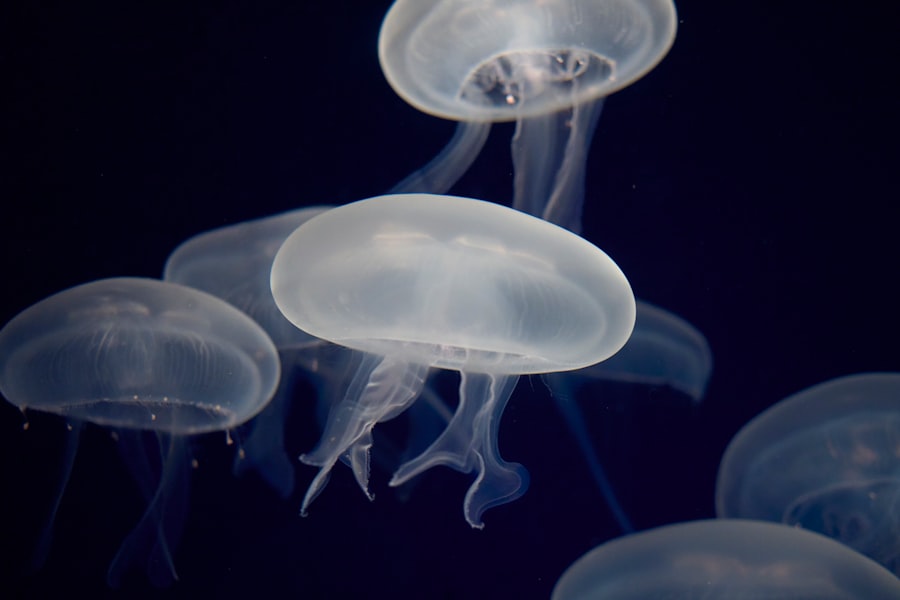
The deep ocean is estimated to harbor an incredible, and largely unknown, diversity of life. While we have explored only a tiny fraction of this realm, each expedition brings back descriptions of new species, hinting at the vast biological treasures that remain undiscovered.
The Enigmatic Fauna: A Gallery of the Strange and Wonderful
The creatures of the deep ocean are often described as alien, a testament to their extreme adaptations and unique evolutionary paths.
Strange and Wonderful Adaptations: Beyond Our Comprehension
From the gelatinous bodies of siphonophores to the formidable jaws of goblin sharks, the deep sea presents a gallery of biological wonders. Many deep-sea fish have developed enormous mouths and distensible stomachs to take advantage of infrequent feeding opportunities. Others have lost their eyes entirely, relying on other senses. The sheer variety of forms and functions is a constant source of scientific fascination.
The Importance of Biodiversity: Ecosystem Resilience and Novel Discoveries
The biodiversity of the deep ocean is crucial for the health and resilience of the global marine ecosystem. Each species plays a role, and the loss of even one can have cascading effects. Furthermore, the unique biochemical compounds produced by deep-sea organisms hold immense potential for scientific and medical breakthroughs. Many marine organisms have developed novel ways to survive extreme conditions, and their adaptations could lead to new antibiotics, anti-cancer drugs, or industrial enzymes.
The Role of Microbes: The Unsung Heroes of the Deep
Microbes, invisible to the naked eye, are the true architects of many deep-sea ecosystems. They are responsible for nutrient cycling, primary production through chemosynthesis, and the decomposition of organic matter.
Microbial Mats and Biofilms: Foundation of Deep-Sea Food Webs
Microbial mats, dense layers of microorganisms, form on the seafloor in many deep-sea environments, providing a vital food source for larger organisms. Biofilms, communities of microbes attached to surfaces, are ubiquitous and play a crucial role in the breakdown of organic material and the cycling of essential elements.
Genetic Resources and Potential Discoveries
The study of deep-sea microbes is a frontier in itself. Their unique genetic material holds potential for a wide range of applications, from biotechnology to understanding the evolution of life. Many deep-sea microbes possess enzymes that function under extreme temperatures and pressures, making them valuable for industrial processes.
Exploration and Technology: Pushing the Boundaries of Discovery
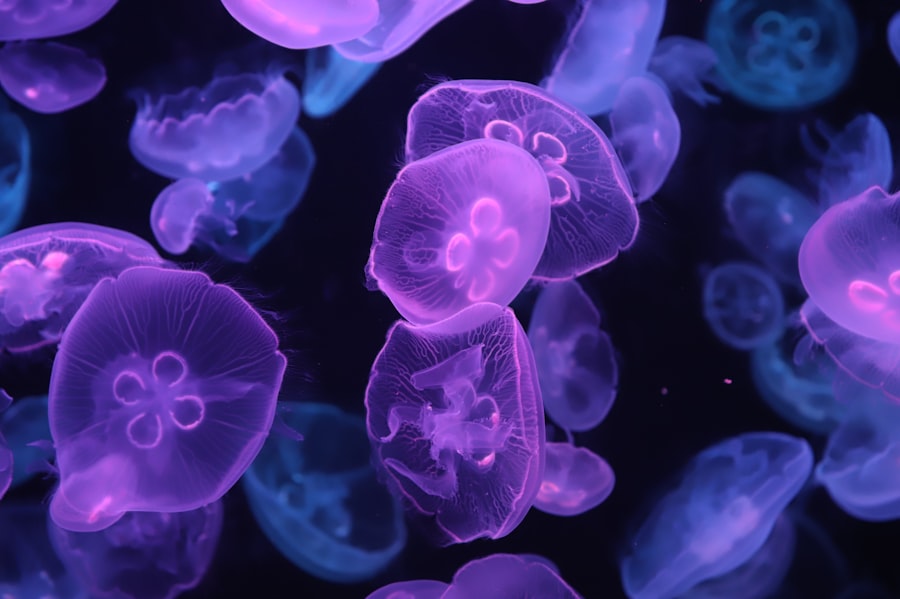
Exploring the deep ocean is a monumental challenge, requiring cutting-edge technology and innovative approaches. The limitations of human physiology in the face of extreme pressure and darkness have necessitated the development of specialized tools and vessels.
Submersibles and ROVs: Our Eyes and Hands in the Abyss
Human-occupied submersibles and remotely operated vehicles (ROVs) have become indispensable tools for deep-sea exploration. These sophisticated machines allow scientists to descend to incredible depths, observe marine life in its natural habitat, collect samples, and conduct experiments.
The Evolution of Underwater Vehicles: From Bathyscaphes to Autonomous Drones
From the early bathyscaphes, capable of reaching thousands of meters, to modern ROVs equipped with high-definition cameras and robotic arms, the technology for deep-sea exploration has advanced dramatically. Autonomous Underwater Vehicles (AUVs) are now also playing a crucial role, capable of conducting surveys and collecting data over vast areas without direct human control.
Sampling and Analysis: Unlocking the Secrets of the Deep
The ability to collect samples of water, sediment, and organisms is fundamental to deep-sea research. Advanced sampling equipment on submersibles and ROVs allows scientists to bring back precious specimens for laboratory analysis, where their genetic makeup, chemical composition, and ecological roles can be studied in detail.
New Technologies for a New Era: AI and Big Data
The advent of artificial intelligence (AI) and the explosion of big data are transforming deep-sea research. AI algorithms are being used to analyze vast datasets from sonar, video footage, and environmental sensors, identifying patterns, classifying species, and even predicting geological events.
Machine Learning for Species Identification and Habitat Mapping
Machine learning models can be trained to automatically identify marine species from images and videos, greatly accelerating the process of cataloging deep-sea biodiversity. AI is also being used to create detailed habitat maps of the ocean floor, identifying areas of interest for further study and conservation.
Predictive Modeling for Environmental Change and Resource Management
As our understanding of deep-sea processes grows, AI can be used to develop predictive models for environmental change, such as the impact of climate change on deep-sea ecosystems. This information is vital for effective resource management and conservation efforts.
The deep ocean remains one of the most enigmatic frontiers on our planet, harboring countless mysteries that scientists are eager to unravel. Recent explorations have revealed astonishing bioluminescent creatures and ancient shipwrecks, prompting researchers to delve deeper into this vast underwater realm. For those interested in learning more about the intriguing phenomena and discoveries of the ocean depths, a fascinating article can be found here: mysteries of the deep ocean. This resource provides insights into the latest findings and ongoing research efforts aimed at understanding the secrets that lie beneath the waves.
Threats to the Deep: Protecting a Fragile Frontier
| Depth of the ocean | Approximately 12,080 feet (3,682 meters) |
|---|---|
| Unexplored areas | More than 80% of the ocean remains unexplored |
| Pressure | At the deepest parts, the pressure can reach over 1,000 times the atmospheric pressure at the surface |
| Temperature | Can range from near freezing to extremely hot near hydrothermal vents |
| Species | It is estimated that there are millions of undiscovered species in the deep ocean |
Despite its remoteness, the deep ocean is not immune to the impacts of human activity. Pollution, climate change, and the growing interest in deep-sea resource extraction pose significant threats to these unique and fragile ecosystems.
Pollution: A Pervasive and Insidious Threat
Plastic debris, chemical pollutants, and microplastics are accumulating in the deep ocean, impacting marine life in ways we are only beginning to understand.
Plastic Debris: From Surface to Seafloor
The vast quantities of plastic entering our oceans eventually sink, accumulating on the seafloor and being ingested by deep-sea organisms. This can lead to starvation, internal injuries, and the transfer of toxic chemicals through the food web.
Chemical Contamination: A Silent Killer
Industrial chemicals, pharmaceuticals, and other pollutants can travel long distances and accumulate in deep-sea sediments and organisms, posing a chronic threat to their health and reproductive success.
Climate Change: Warming Waters and Acidification
The deep ocean is also affected by climate change. Warming ocean temperatures can alter currents and the distribution of species, while ocean acidification, caused by the absorption of excess carbon dioxide, threatens shell-forming organisms.
Ocean Acidification: A Growing Concern for Calcifying Organisms
As the ocean absorbs more CO2, its pH decreases, making it more acidic. This poses a significant threat to organisms that rely on calcium carbonate to build their shells and skeletons, such as corals, shellfish, and plankton, which form the base of many marine food webs.
Deep-Sea Mining: The Next Frontier of Exploitation
The potential for valuable mineral deposits on the deep seafloor is attracting increasing interest for commercial exploitation. However, the environmental impacts of deep-sea mining are largely unknown and could be devastating.
Environmental Risks of Mining Operations: Habitat Destruction and Sediment Plumes
The extraction of minerals from the seabed could lead to widespread habitat destruction, the creation of vast sediment plumes that can smother benthic communities, and the release of toxic substances. The slow recovery rates of deep-sea ecosystems mean that any damage could have long-lasting consequences.
The Need for Precautionary Principle: Balancing Exploration with Conservation
The scientific community is urging a precautionary approach to deep-sea mining, emphasizing the need for thorough environmental impact assessments and robust regulatory frameworks before any large-scale operations commence. The principle of intergenerational equity dictates that we must ensure the sustainability of these resources for future generations.
The unraveling of the deep ocean’s mysteries is an ongoing saga, a testament to human curiosity and technological ingenuity. Each discovery pushes the boundaries of our knowledge, revealing a world of astonishing life, profound geological processes, and critical ecological functions. As we continue to explore this final frontier on Earth, it is imperative that we do so with a profound respect for its fragility and a commitment to its preservation, ensuring that its secrets are understood and its wonders are protected for generations to come.

The Deeper You Go, the Less Life Looks Like Life
FAQs
What are some of the mysteries of the deep ocean?
Some of the mysteries of the deep ocean include the existence of unknown species, the discovery of ancient shipwrecks and lost civilizations, and the presence of unique geological formations such as hydrothermal vents and underwater volcanoes.
Why is the deep ocean so difficult to explore?
The deep ocean is difficult to explore due to its extreme depth, high pressure, and lack of light. These conditions make it challenging for humans to reach and study the deep ocean, requiring specialized equipment and technology.
What are some of the unique creatures found in the deep ocean?
The deep ocean is home to a wide variety of unique creatures, including deep-sea fish, bioluminescent organisms, giant squid, and bizarre-looking invertebrates such as the dumbo octopus and the vampire squid.
How do hydrothermal vents contribute to the mysteries of the deep ocean?
Hydrothermal vents are underwater geysers that release superheated water and minerals, creating unique ecosystems and supporting a variety of unusual life forms. The discovery of these vents has contributed to the mysteries of the deep ocean by revealing previously unknown habitats and species.
What are some of the potential benefits of exploring the mysteries of the deep ocean?
Exploring the mysteries of the deep ocean can lead to important scientific discoveries, such as new medical treatments derived from deep-sea organisms, insights into Earth’s geological processes, and a better understanding of the potential impacts of climate change.