
High Resolution Audio (HRA) refers to audio files with higher sampling rates and bit depths compared to standard CD-quality audio. Standard CDs operate at a sampling rate of 44.1 kHz with a 16-bit depth, while high-resolution audio typically features sampling rates of 96 kHz, 192 kHz, or higher, with bit depths of 24 bits or greater. This increased technical specification enables the capture of more detailed audio information, preserving subtle sound characteristics that standard formats may not reproduce.
High-resolution audio offers several technical advantages. The increased sampling rate and bit depth allow for greater frequency response and dynamic range, which can result in a more spacious and defined soundstage. Individual instruments may appear more distinct and separated in the mix, while vocal recordings may exhibit improved clarity and tonal accuracy.
These characteristics can create a more immersive listening experience that more closely approximates the original recording.
Key Takeaways
- High Resolution Audio offers superior sound quality by capturing more audio detail than standard formats.
- It is produced using advanced recording techniques and higher bit rates to preserve audio fidelity.
- Common misconceptions include overestimating its audibility and confusing file size with quality.
- Compatibility varies across devices and formats, requiring specific hardware for optimal listening.
- Building a high resolution audio setup involves selecting quality equipment and understanding format support.
Understanding Audio Resolution and Quality
To fully appreciate high-resolution audio, it’s essential to understand the concepts of audio resolution and quality. Audio resolution refers to the detail captured in a sound recording, which is influenced by both the sampling rate and bit depth. The sampling rate determines how many times per second an audio signal is sampled, while bit depth indicates how much information is captured in each sample.
Higher values in both categories lead to more accurate representations of sound waves, resulting in richer and more dynamic audio. Quality, on the other hand, encompasses not just the technical specifications but also the overall listening experience. Factors such as the recording environment, the quality of the microphones used, and the mixing and mastering processes all contribute to the final product.
As a listener, you may find that high-resolution audio often comes from well-produced recordings that prioritize clarity and detail, enhancing your enjoyment of the music. Experience the clarity and depth of sound like never before with high resolution audio.
The Difference Between High Resolution Audio and Standard Audio
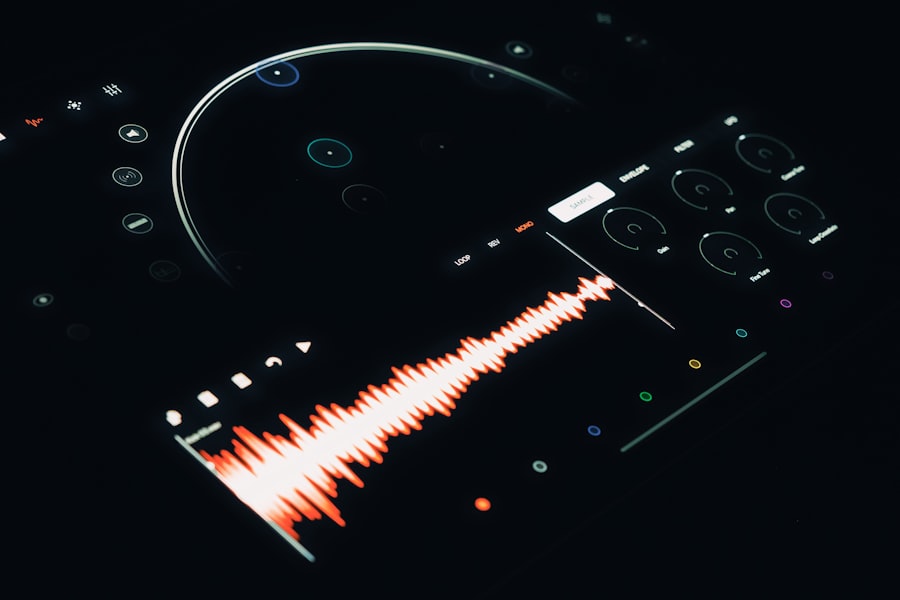
The primary distinction between high-resolution audio and standard audio lies in their respective technical specifications. Standard audio formats, such as MP3 or CD-quality WAV files, typically offer a maximum resolution of 16 bits and 44.1 kHz. While these formats are sufficient for casual listening, they can compress sound data in ways that may strip away some of the finer details.
In contrast, high-resolution audio formats provide a more extensive range of frequencies and dynamic range, allowing for a fuller representation of the original sound. Moreover, the difference in listening experience can be quite pronounced. When you switch from standard audio to high-resolution audio, you may notice that high-res tracks have a greater sense of clarity and depth.
Instruments may sound more lifelike, and subtle nuances in vocal performances can become more apparent. This heightened level of detail can make familiar songs feel fresh and new, inviting you to explore them in ways you might not have considered before.
The Benefits of High Resolution Audio
One of the most significant benefits of high-resolution audio is its ability to deliver an enhanced listening experience. With greater detail and clarity, you can appreciate the intricacies of your favorite tracks like never before. Whether it’s the delicate strumming of a guitar or the subtle harmonies in a vocal arrangement, high-resolution audio allows you to hear elements that might otherwise go unnoticed.
This can lead to a deeper emotional connection with the music, as you become more attuned to its nuances. Additionally, high-resolution audio is particularly beneficial for audiophiles and music enthusiasts who seek the best possible sound quality. For those who invest in high-end audio equipment, high-resolution formats can maximize the potential of their gear.
The combination of superior recordings and quality playback systems can create an immersive listening environment that transports you into the heart of the music. As you explore different genres and artists, you may find that high-resolution audio enhances your overall appreciation for sound.
How High Resolution Audio is Recorded and Produced
| Metric | Description | Standard CD Audio | High Resolution Audio |
|---|---|---|---|
| Sample Rate | Number of samples of audio carried per second, measured in kHz | 44.1 kHz | Typically 96 kHz or 192 kHz |
| Bit Depth | Number of bits of information in each sample, affects dynamic range | 16-bit | 24-bit or higher |
| Dynamic Range | Difference between the quietest and loudest sound, measured in decibels (dB) | 96 dB | Up to 144 dB |
| Frequency Response | Range of frequencies reproduced, measured in Hz | 20 Hz – 20 kHz | Up to 40 kHz or more |
| File Formats | Common audio file types supporting the quality | WAV, AIFF, FLAC (16-bit/44.1kHz) | FLAC, ALAC, DSD, WAV (24-bit/96kHz+) |
| Perceived Audio Quality | Subjective listening experience | Good for casual listening | More detailed, clearer, and richer sound |
The process of recording and producing high-resolution audio involves several key steps that prioritize sound quality from start to finish. It begins with capturing sound using high-quality microphones and recording equipment capable of handling higher sampling rates and bit depths. This ensures that every nuance of the performance is accurately recorded without distortion or loss of detail.
Once recorded, the mixing and mastering processes play crucial roles in shaping the final product. Skilled engineers work meticulously to balance levels, enhance tonal qualities, and apply effects while preserving the integrity of the original recording. The goal is to create a polished sound that retains its dynamic range and clarity when played back in high resolution.
As a listener, understanding this process can deepen your appreciation for the artistry involved in creating high-resolution audio.
Common Misconceptions About High Resolution Audio
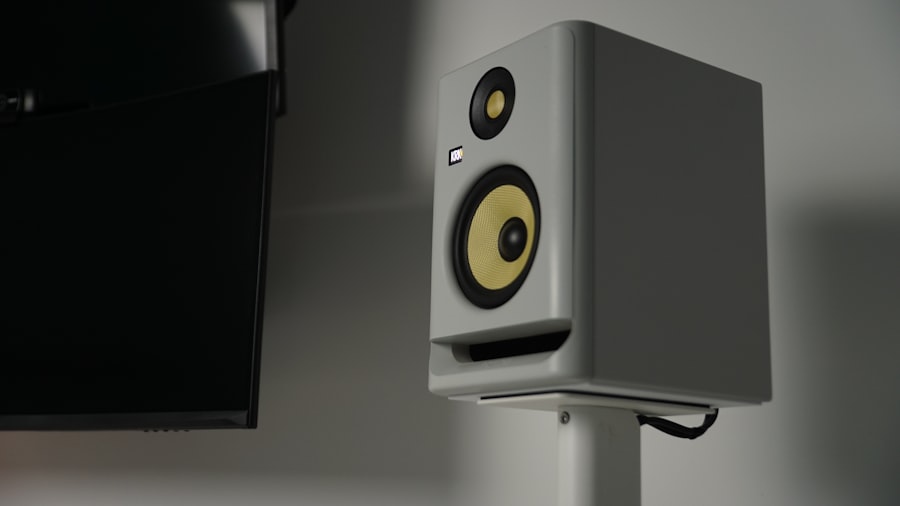
Despite its growing popularity, there are several misconceptions surrounding high-resolution audio that can lead to confusion among listeners. One common myth is that high-resolution audio is only beneficial for professional musicians or audiophiles with expensive equipment. In reality, anyone can enjoy the advantages of high-resolution formats with relatively affordable gear.
While higher-end equipment may enhance the experience further, even entry-level systems can provide noticeable improvements over standard formats. Another misconception is that all high-resolution audio files are created equal. In truth, not all recordings labeled as “high resolution” are necessarily of high quality.
The source material matters significantly; if a poorly recorded track is upsampled to a higher resolution without proper care during mixing and mastering, it won’t deliver the expected benefits. As a listener, it’s essential to seek out reputable sources for high-resolution music to ensure you’re getting the best possible experience.
High Resolution Audio Formats and Compatibility
High-resolution audio comes in various formats, each with its own unique characteristics and compatibility requirements. Some popular formats include FLAC (Free Lossless Audio Codec), ALAC (Apple Lossless Audio Codec), DSD (Direct Stream Digital), and WAV (Waveform Audio File Format). Each format offers different advantages; for instance, FLAC provides lossless compression while maintaining quality, making it a favorite among audiophiles.
When considering compatibility, it’s important to ensure that your playback devices support high-resolution formats. Many modern digital audio players, smartphones, and computers are equipped to handle these files, but older devices may not be compatible with certain formats. As you explore high-resolution audio options, check your equipment specifications to ensure seamless playback.
How to Listen to High Resolution Audio
Listening to high-resolution audio requires a few considerations to ensure you get the most out of your experience. First and foremost, invest in quality headphones or speakers capable of reproducing high-fidelity sound. While standard earbuds may suffice for casual listening, they often lack the detail needed to appreciate high-resolution tracks fully.
Next, choose a reliable source for your music. Many streaming services now offer high-resolution options alongside their standard catalogs. Alternatively, you can purchase high-resolution files from dedicated online stores specializing in audiophile-quality music.
Once you have your equipment set up and your music sourced, take time to create an optimal listening environment—minimize background noise and distractions so you can immerse yourself fully in the experience.
The Future of High Resolution Audio
As technology continues to evolve, so too does the landscape of high-resolution audio. With advancements in streaming technology and increased consumer demand for better sound quality, it’s likely that high-resolution formats will become more mainstream in the coming years. Streaming services are already beginning to offer higher-quality options alongside their standard offerings, making it easier than ever for listeners to access premium content.
Moreover, as more artists embrace high-resolution recording techniques, we can expect an influx of new music that takes full advantage of these capabilities. This shift could lead to a renaissance in music production where quality takes precedence over convenience. As a listener, staying informed about these developments will allow you to enjoy an ever-expanding array of high-resolution content.
Debunking Myths About High Resolution Audio
In addition to common misconceptions about who benefits from high-resolution audio and its quality variations, there are other myths worth addressing. One prevalent myth is that higher resolution automatically means better sound quality; however, this isn’t always true if the recording itself lacks integrity or if poor playback equipment is used. It’s essential to remember that while higher resolution can enhance sound quality when done right, it’s not a guarantee.
Another myth is that all listeners will notice significant differences between standard and high-resolution audio formats. While many audiophiles can discern these differences easily due to their trained ears or specialized equipment, casual listeners may not perceive substantial improvements without proper context or setup. Understanding this nuance can help manage expectations as you explore high-resolution options.
Tips for Building a High Resolution Audio Setup
Building a high-resolution audio setup doesn’t have to be overwhelming; with careful planning and consideration, you can create an environment that enhances your listening experience significantly. Start by selecting quality playback devices—investing in good headphones or speakers is crucial for accurately reproducing high-fidelity sound. Next, consider your source material; opt for reputable platforms offering high-resolution files or streaming services with dedicated audiophile options.
Additionally, pay attention to your digital-to-analog converter (DAC), as this component plays a vital role in translating digital signals into analog sound waves. Finally, create an optimal listening environment by minimizing external noise and distractions.
By taking these steps, you’ll be well on your way to enjoying all that high-resolution audio has to offer.
If you’re curious about high-resolution audio and want a straightforward explanation, you might find this article helpful: High Resolution Audio Explained Simply. It breaks down the concepts in an easy-to-understand manner, making it accessible for both audiophiles and casual listeners alike.
WATCH THIS! Can You Really Hear High-Res Audio? 🎶
FAQs
What is high resolution audio?
High resolution audio refers to audio files that have a higher sampling rate and bit depth than standard CD quality (44.1 kHz/16-bit). This results in better sound quality with more detail and clarity.
How is high resolution audio different from regular audio?
High resolution audio typically has a sampling rate of 96 kHz or 192 kHz and a bit depth of 24 bits, compared to standard audio’s 44.1 kHz and 16 bits. This allows for a wider frequency range and greater dynamic range.
What file formats support high resolution audio?
Common high resolution audio file formats include FLAC, ALAC, WAV, AIFF, and DSD. These formats preserve the higher quality data without significant compression loss.
Do I need special equipment to play high resolution audio?
To fully experience high resolution audio, you need compatible playback devices such as high-quality digital-to-analog converters (DACs), headphones, or speakers that support the higher sampling rates and bit depths.
Is high resolution audio noticeably better than standard audio?
The difference can be subtle and depends on the listener’s equipment, environment, and hearing ability. Some people notice clearer sound and more detail, while others may not perceive a significant difference.
Can I stream high resolution audio online?
Yes, several music streaming services offer high resolution audio streaming, but it requires a fast and stable internet connection and compatible playback devices.
Is high resolution audio the same as lossless audio?
Not exactly. Lossless audio means the file is compressed without losing any data, preserving the original quality. High resolution audio is a type of lossless audio with higher sampling rates and bit depths than standard CD quality.
How large are high resolution audio files?
High resolution audio files are significantly larger than standard audio files due to the increased data. For example, a 24-bit/96 kHz file can be several times larger than a 16-bit/44.1 kHz file of the same length.
Can I convert standard audio files to high resolution audio?
No, converting standard audio files to high resolution does not improve their quality. The original recording must be high resolution to benefit from the format.
Where can I find high resolution audio files?
High resolution audio files can be purchased or downloaded from specialized online stores such as HDtracks, Qobuz, and NativeDSD, as well as some artist websites.