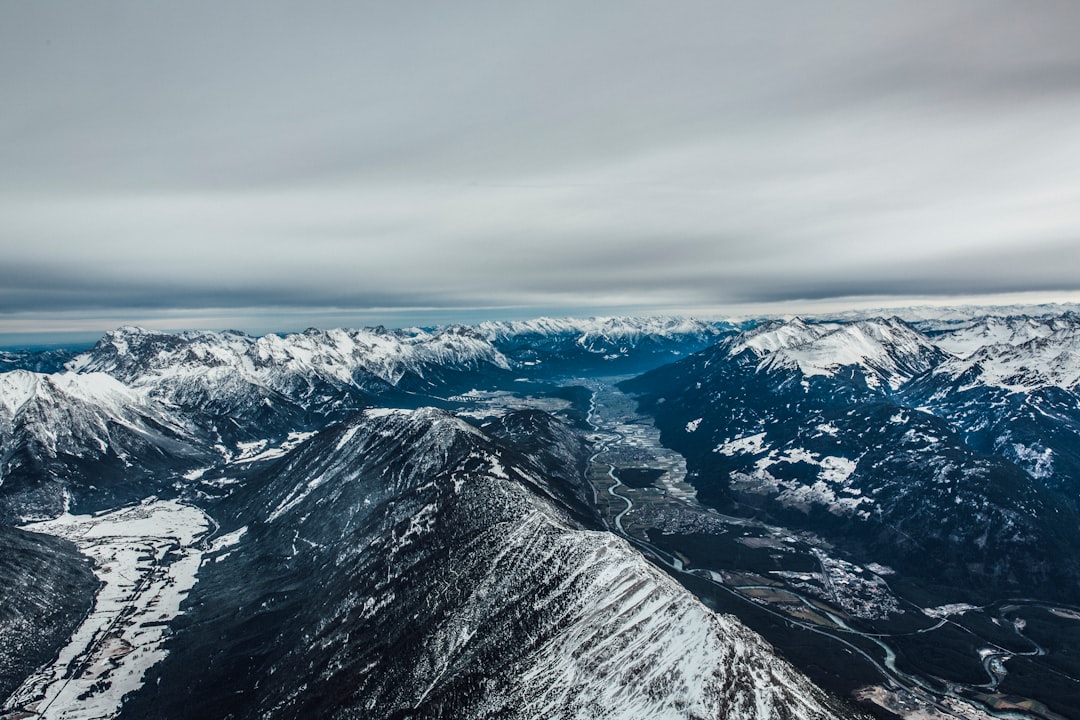
To understand the planet beneath our feet, one must delve into the intricate narratives written in rock and sediment. Geology, the scientific study of the Earth, serves as our guide, offering a window into the planet’s past, present, and future. It is a discipline that transforms the seemingly inert ground into a dynamic archive, revealing the forces that have shaped our world over billions of years.
Geology is not merely the observation of rocks; it is an interdisciplinary science that encompasses physics, chemistry, biology, and mathematics to decipher Earth’s complex systems. Geologists are akin to planetary detectives, piecing together clues from mountains, oceans, and the very air we breathe to reconstruct Earth’s history.
Defining the Discipline
At its core, geology focuses on the physical composition of the Earth, the processes that have molded its surface and interior, and the natural phenomena that continue to influence it. This includes studying the formation of minerals and rocks, the movement of tectonic plates, the mechanisms of earthquakes and volcanoes, and the flow of water and ice.
The Geologic Time Scale: A Chronicle of Ages
Understanding the immense timescale of Earth’s history is fundamental to geology. The geologic time scale, a system of chronological dating, divides Earth’s existence into eons, eras, periods, and epochs. It is a vast ledger, with each entry representing millions or even billions of years, providing a framework for understanding the sequence of events that have unfolded.
Branches of Geology: Specializing in Earth’s Narratives
The field of geology is extensive, with numerous sub-disciplines dedicated to specific aspects of Earth science. These branches work in concert to build a comprehensive picture, much like individual threads contributing to a grand tapestry.
Mineralogy: The Building Blocks
Mineralogy is the study of minerals, the naturally occurring, solid, inorganic substances with a defined chemical composition and crystal structure. Minerals are the fundamental building blocks of rocks, and their identification, formation, and properties are crucial for understanding the Earth’s crust.
Petrology: The Study of Rocks
Petrology is concerned with the origin, occurrence, structure, and composition of rocks. Rocks are classified into three main types: igneous, sedimentary, and metamorphic, each with a distinct formation history that tells its own story.
Structural Geology: The Earth’s Framework
Structural geology investigates the deformation of Earth’s crust, focusing on the folds, faults, and joints that reveal the stresses and strains the Earth has undergone. This branch helps understand how mountains are formed and how the crust fractures.
Stratigraphy: Layers of History
Stratigraphy is the study of layered rocks (strata) and their sequence. By examining the order and characteristics of rock layers, stratigraphers reconstruct the past environments and depositional conditions under which they formed.
Paleontology: Life Through Time
Paleontology is the study of fossilized remains of ancient life. Fossils are invaluable archives of past ecosystems, providing insights into the evolution of life, past climates, and the environmental conditions of bygone eras.
Geophysics: The Earth’s Inner Workings
Geophysics employs the principles of physics to study the Earth’s structure and processes, both on and beneath the surface. Techniques such as seismology, gravity measurements, and magnetic surveys help map the Earth’s interior and understand phenomena like plate tectonics.
Geochemistry: The Earth’s Chemical Signature
Geochemistry examines the chemical composition of the Earth’s rocks, minerals, and fluids, and the transformations they undergo. It provides insights into the origin of Earth materials, the cycles of elements, and the processes driving geological change.
Geology is a fascinating field that explores the Earth’s structure, composition, and processes. For those interested in learning more about the intricate relationships between geological formations and natural phenomena, I recommend reading an insightful article on the topic. You can find it here: Freaky Science: Exploring Geological Wonders. This article delves into various geological features and their significance in understanding our planet’s history and dynamics.
Plate Tectonics: The Engine of Our Dynamic Planet
The theory of plate tectonics is the unifying theory of geology, explaining a wide range of Earth’s phenomena, from the formation of mountains to the occurrence of earthquakes and volcanoes. It describes the Earth’s outer shell, the lithosphere, as being broken into several large and small plates that float on the semi-fluid asthenosphere.
The Lithosphere and Asthenosphere: Continents Adrift
The lithosphere, composed of the crust and the uppermost part of the mantle, is relatively rigid. Beneath it lies the asthenosphere, a hotter, more ductile layer that allows the lithospheric plates to move slowly over millions of years. This movement is akin to rafts gliding across a viscous fluid.
Plate Boundaries: Where Continents Collide, Separate, and Slide
The interactions between these tectonic plates at their boundaries are the primary drivers of geological activity. These boundaries are sites of immense energy release and are responsible for many of the Earth’s dramatic geological features.
Divergent Boundaries: Birthplaces of New Crust
At divergent boundaries, plates move away from each other. Magma from the mantle rises to fill the gap, creating new oceanic crust. This process, known as seafloor spreading, is responsible for the formation of mid-ocean ridges, underwater mountain ranges that snake across the ocean floor. The Mid-Atlantic Ridge is a prime example, a submerged counterpart to the continental collision zones.
Convergent Boundaries: Zones of Collision and Destruction
Convergent boundaries are where plates collide. The consequences depend on the types of plates involved.
Subduction zones occur when one plate, typically oceanic, is forced beneath another plate into the mantle. This process leads to the formation of deep ocean trenches, volcanic arcs on the overriding plate (like the Andes Mountains), and powerful earthquakes. The Mariana Trench, the deepest part of the world’s oceans, is a testament to the immense forces at play in subduction zones.
When two continental plates collide, neither is easily subducted. Instead, the crust crumples and thickens, resulting in the formation of massive mountain ranges. The Himalayas, a dramatic example, are the product of the ongoing collision between the Indian and Eurasian plates.
Transform Boundaries: Sideways Motion and Friction
At transform boundaries, plates slide past each other horizontally. This movement is not smooth; the plates grind against each other, building up stress that is eventually released as earthquakes. The San Andreas Fault in California is a well-known transform boundary, a stark reminder of the Earth’s active crust.
The Driving Forces: Convection Currents in the Mantle
The ultimate engine behind plate movement is the convection currents within the Earth’s mantle. Heat from the Earth’s core drives these slow-moving currents, where hotter, less dense material rises, cools near the surface, and then sinks. This continuous circulation exerts forces on the overlying lithospheric plates, causing them to move.
Earthquakes and Volcanoes: The Earth’s Dramatic Expressions
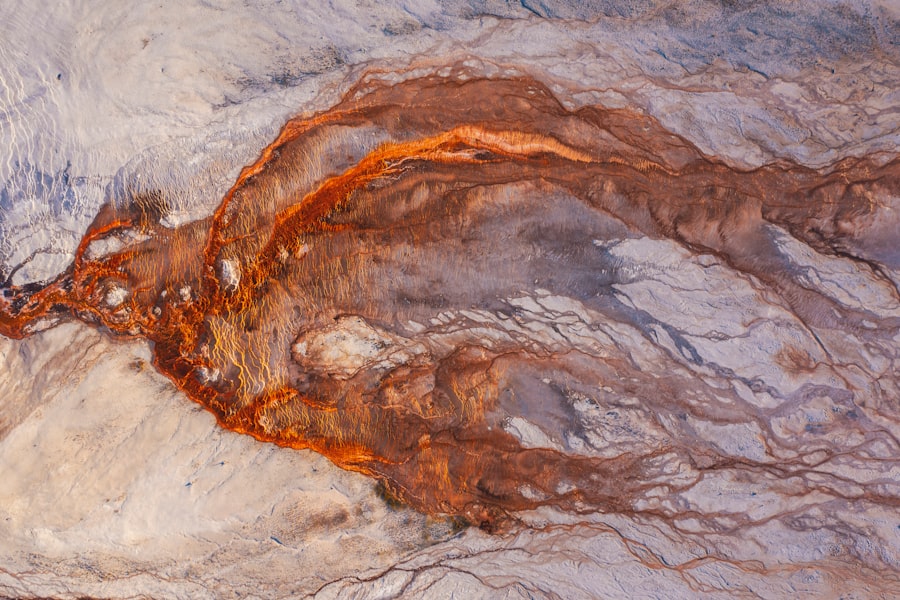
The dynamic nature of plate tectonics manifests itself in dramatic geological events such as earthquakes and volcanic eruptions. These phenomena, while often destructive, are also crucial in shaping the Earth’s surface and recycling its materials.
Earthquakes: Tremors from the Earth’s Depths
Earthquakes are sudden releases of energy in the Earth’s crust that create seismic waves. They occur most frequently along plate boundaries where the stress from plate movement has accumulated.
Faults: The Fractures Where Earthquakes Occur
Faults are planar fractures in the Earth’s crust along which there has been movement. The type and extent of fault movement determine the characteristics of the earthquake.
Seismic Waves: The Ripples of Rupture
When a fault ruptures, it generates seismic waves that travel through the Earth. These waves are of primary importance to seismologists, who study them to understand the location, magnitude, and depth of earthquakes.
Magnitude and Intensity: Measuring the Power of Shakes
The magnitude of an earthquake is typically measured using the Richter scale or the moment magnitude scale, which quantify the energy released. Intensity, on the other hand, describes the shaking experienced at a particular location and its effects.
Volcanoes: Fiery Openings to the Earth’s Interior
Volcanoes are vents in the Earth’s crust through which molten rock (magma), volcanic ash, and gases erupt. They are commonly found at subduction zones, divergent boundaries, and at “hot spots” within tectonic plates.
Magma and Lava: Molten Rock’s Journey
Magma is molten rock found beneath the Earth’s surface, while lava is molten rock that has erupted onto the surface. The composition and temperature of magma influence the type of volcanic eruption.
Types of Volcanoes: Cone Builders
Volcanoes come in various shapes and sizes, reflecting the nature of their eruptions.
Shield volcanoes, built up by numerous fluid lava flows, have gentle slopes and a broad base. The Hawaiian Islands are classic examples.
Stratovolcanoes, also known as composite volcanoes, are steep-coned volcanoes built up by layers of lava, ash, and volcanic rock. They are responsible for explosive eruptions. Mount St. Helens and Mount Fuji are well-known stratovolcanoes.
Cinder cones are smaller, cone-shaped volcanoes built from loose volcanic fragments called cinders.
Volcanic Hazards: Risks from Eruptions
Volcanic eruptions can pose significant hazards, including lava flows, pyroclastic flows (fast-moving clouds of hot gas and volcanic debris), volcanic ashfall, lahars (volcanic mudflows), and volcanic gases.
The Water Cycle and Erosion: Reshaping the Earth’s Surface
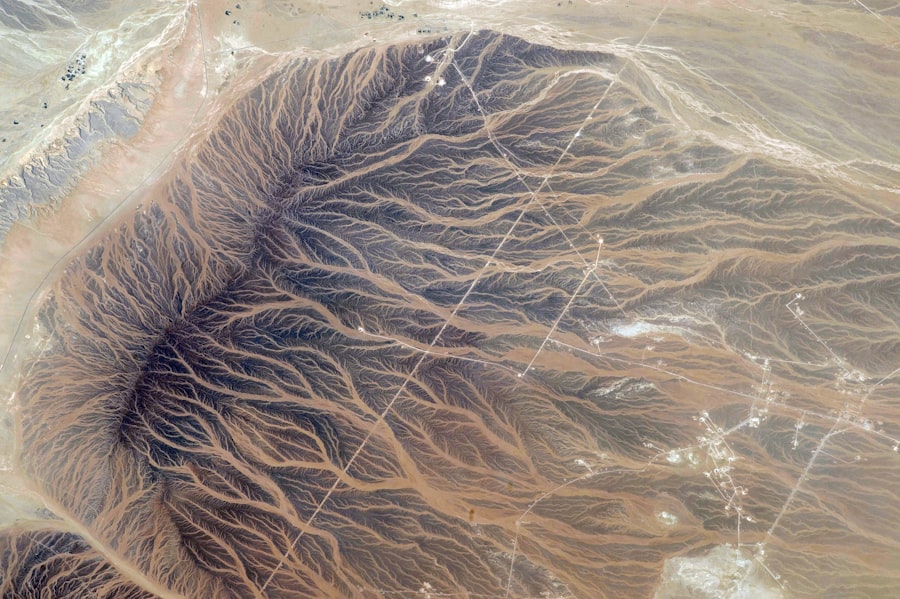
While plate tectonics and volcanic activity represent the Earth’s internal forces, surface processes driven by water, wind, and ice are equally crucial in shaping landscapes. The water cycle, a continuous process of evaporation, transpiration, condensation, precipitation, and runoff, is a fundamental driver of these changes.
Weathering: The Breakdown of Rocks
Weathering is the process by which rocks are broken down into smaller pieces by physical, chemical, or biological means. This is the first step in the erosion process.
Physical Weathering: Mechanical Disintegration
Physical weathering involves the mechanical breakdown of rocks without changing their chemical composition. Processes include frost wedging (where water freezes in cracks and expands), thermal expansion and contraction, and abrasion by wind-blown sand or glacial ice.
Chemical Weathering: Altering Rock Composition
Chemical weathering involves chemical reactions that alter the composition of rocks. This includes dissolution (where minerals dissolve in water), hydrolysis (where minerals react with water to form new substances), and oxidation (where minerals react with oxygen, leading to rusting in iron-bearing rocks).
Biological Weathering: Life’s Impact on Rocks
Biological weathering involves the action of living organisms on rocks. Plant roots can force their way into cracks, widening them, while burrowing animals can expose rocks to the elements. Microorganisms also play a role in breaking down rock materials.
Erosion: The Transport of Rock Material
Erosion is the process by which weathered material is transported from one place to another. This is primarily driven by water, ice, and wind.
Water Erosion: Rivers and Rain
Rivers are powerful agents of erosion, carving out valleys, canyons, and deltas. Rainfall can also cause significant erosion, especially on bare slopes, leading to the formation of gullies and contributing to landslides.
Glacial Erosion: Sculpting Landscapes
Glaciers, massive bodies of ice, are incredibly effective erosional agents. As they move, they grind and scour the bedrock beneath them, creating U-shaped valleys, cirques, and fjords. The landscapes of many mountain regions, such as the Alps and the Rockies, bear the indelible marks of past glaciation.
Wind Erosion: The Desert’s Sculptor
Wind can also erode the land, particularly in arid and semi-arid regions. It can transport sand and dust, carving out rock formations through abrasion and creating sand dunes.
Deposition: Building New Landscapes
As erosional agents lose energy, they deposit the material they have transported. This deposition builds up new landforms, such as river deltas, alluvial fans, beaches, and moraines (deposits left by glaciers).
Geology, the study of the Earth’s structure and processes, plays a crucial role in understanding our planet’s history and resources. For those interested in exploring more about the fascinating aspects of geology, you might find the article on geological formations particularly enlightening. It delves into the various types of rock formations and their significance in shaping the landscape. You can read more about it in this related article that highlights the intricate relationship between geological processes and the environment.
Resources of the Earth: Fueling Civilization and Sustaining Life
| Metric | Description | Typical Values | Units |
|---|---|---|---|
| Rock Density | Mass per unit volume of rock | 2.0 – 3.0 | g/cm³ |
| Porosity | Percentage of void space in rock | 5 – 30 | % |
| Permeability | Ability of rock to transmit fluids | 10⁻¹⁵ – 10⁻¹² | m² |
| Seismic Velocity | Speed of seismic waves through rock | 2.0 – 7.0 | km/s |
| Geothermal Gradient | Rate of temperature increase with depth | 20 – 30 | °C/km |
| Age of Earth | Estimated age of the planet | 4.54 billion | years |
| Plate Tectonic Speed | Movement rate of tectonic plates | 1 – 10 | cm/year |
Geology plays a pivotal role in identifying and managing the Earth’s natural resources, which are essential for human civilization and the functioning of ecosystems. From the energy we consume to the materials we build with, our reliance on geological resources is profound.
Fossil Fuels: Energy from Ancient Life
Fossil fuels—coal, oil, and natural gas—are formed from the remains of ancient organic matter that have been buried and transformed over millions of years under immense pressure and heat. Their extraction and use have powered industrial revolutions and continue to be a primary source of energy globally.
Coal: The Solid Fuel of Industry
Coal is a combustible black or brownish-black sedimentary rock formed from the accumulation of plant matter. It has been a cornerstone of industrial development, providing energy for electricity generation and manufacturing.
Petroleum and Natural Gas: Liquid and Gaseous Hydrocarbons
Oil and natural gas are hydrocarbons that form from the decomposition of marine organisms. They are extracted from underground reservoirs and are used extensively as fuels for transportation, heating, and electricity generation, as well as feedstocks for the petrochemical industry.
Minerals and Metals: The Building Blocks of Technology
Minerals and metals are inorganic substances extracted from the Earth’s crust and are vital for countless applications, from construction and manufacturing to advanced technologies.
Metallic Minerals: Ores of Industry
Ores are rocks that contain economically valuable concentrations of metallic minerals. Iron, copper, aluminum, gold, and many other metals are extracted from these ores, forming the backbone of modern industry.
Non-Metallic Minerals: Essential for Daily Life
Non-metallic minerals, such as limestone, sand, gravel, clay, and salt, are also crucial. They are used in construction (cement, concrete), agriculture (fertilizers), and various industrial processes.
Water Resources: The Lifeblood of the Planet
Freshwater is a critical geological resource, essential for all life on Earth. Geologists study aquifers (underground layers of rock or sediment that hold groundwater), the movement of groundwater, and the impact of human activity on water availability and quality.
Geothermal Energy: Harnessing Earth’s Internal Heat
Geothermal energy is derived from the heat within the Earth’s interior. In certain regions, this heat can be accessed through drilling to generate electricity or for direct heating purposes. This renewable energy source offers a sustainable alternative to fossil fuels.
Geology’s Future: Addressing Global Challenges
As the planet faces unprecedented challenges such as climate change, resource scarcity, and natural hazard mitigation, geology is poised to play an even more critical role in finding solutions.
Climate Change: Understanding Earth’s Shifting Climate
Geologists are at the forefront of understanding Earth’s climate system, both past and present. By studying ice cores, ancient sediments, and geological records of past climate fluctuations, they provide crucial data and context for understanding current climate change and projecting future scenarios.
Natural Hazard Mitigation: Predicting and Protecting
The study of earthquakes, volcanoes, landslides, and floods is fundamental to mitigating their devastating impacts. Geologists provide expertise in seismic hazard assessment, volcanic risk management, and the identification of areas prone to landslides, contributing to better land-use planning and early warning systems.
Sustainable Resource Management: Balancing Needs and Preservation
As global populations grow and resource demands increase, geologists are essential for the responsible exploration, extraction, and management of Earth’s resources. This includes developing sustainable mining practices, managing water resources effectively, and exploring alternative energy sources.
Planetary Exploration: Uncovering Secrets Beyond Earth
The principles and techniques of geology are applied not only to Earth but also to the exploration of other planets and celestial bodies. Understanding the formation and evolution of rocky planets, moons, and asteroids helps us learn more about our own solar system and the potential for life beyond Earth.
In conclusion, geology is a profound and ever-evolving science that unlocks the secrets of our planet. It is a testament to the dynamic forces that have shaped Earth over eons and continues to be our indispensable guide in navigating its future. By understanding the stories etched in the rocks and the processes that govern them, humanity can better understand its place within the grand narrative of Earth’s existence.
FAQs
What is geology?
Geology is the scientific study of the Earth, including its materials, processes, and history. It involves examining rocks, minerals, and the physical and chemical changes that shape the planet over time.
What are the main branches of geology?
The main branches of geology include mineralogy (study of minerals), petrology (study of rocks), paleontology (study of fossils), sedimentology (study of sedimentary rocks and processes), and structural geology (study of rock formations and tectonics).
How do geologists study the Earth’s history?
Geologists study Earth’s history by analyzing rock layers (stratigraphy), fossils, radiometric dating, and geological formations. These methods help determine the age of rocks and the sequence of events that have shaped the planet.
What role does plate tectonics play in geology?
Plate tectonics is a fundamental concept in geology that explains the movement of Earth’s lithospheric plates. This movement causes earthquakes, volcanic activity, mountain building, and the formation of ocean basins, shaping the Earth’s surface.
Why is geology important for society?
Geology is important because it helps locate natural resources like minerals, oil, and groundwater. It also aids in understanding natural hazards such as earthquakes and landslides, contributing to safer construction and disaster preparedness.