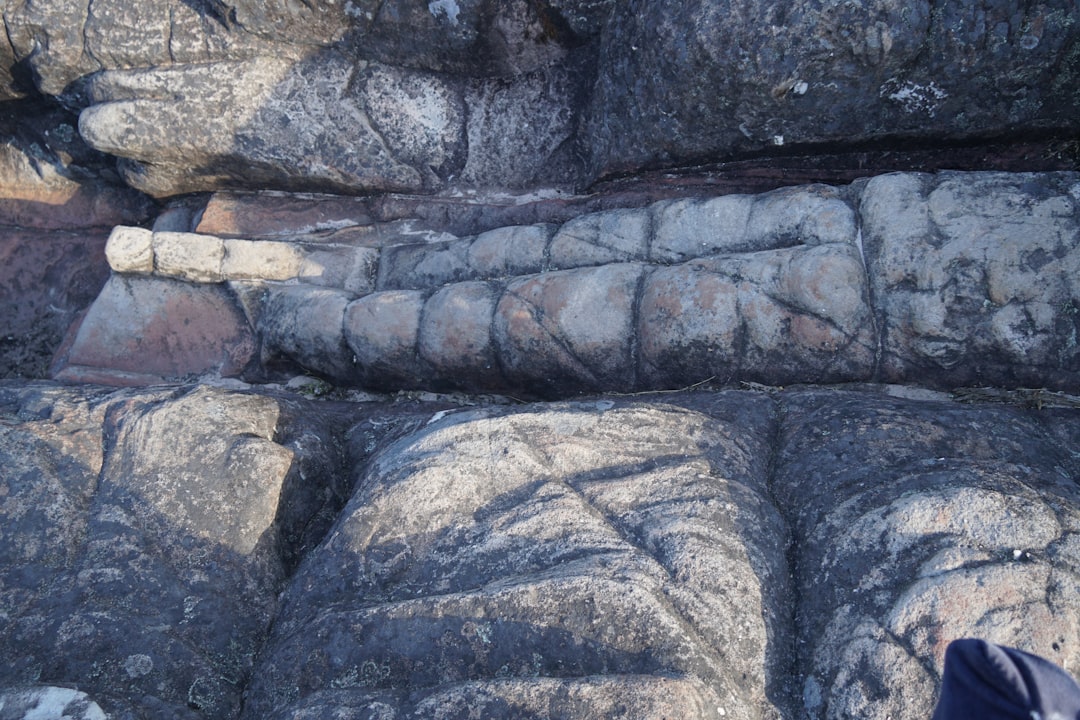
The Earth, a colossal sphere of rock and water, has long captivated human curiosity. From the deepest ocean trenches to the highest mountain peaks, its surface teems with stories etched in stone and shaped by immense forces. Geological sciences, the discipline dedicated to understanding our planet, acts as Earth’s personal historian, interpreting its ancient texts and uncovering the processes that continue to sculpt its ever-changing face. This vast and complex field offers a window into our planet’s past, its present dynamics, and its potential future. It is a realm where the seemingly static ground beneath our feet is revealed as a dynamic entity, a tapestry woven from eons of formation, erosion, and transformation.
Geological sciences encompass the study of the solid Earth, the rocks of which it is composed, and the processes by which they change over time. More broadly, it includes the study of the solid features of any terrestrial planet or natural satellite such as the Moon and Mars. Geologists, the practitioners of this science, are detectives of the Earth, piecing together clues from the very fabric of our planet. They examine the chemical composition, physical properties, and structural arrangements of rocks and minerals, seeking to understand their origins and the forces that forged them. This pursuit is not merely academic; it has demonstrable practical applications, informing decisions on resource extraction, infrastructure development, and disaster mitigation.
Mineralogy: The Building Blocks of Our World
At the most fundamental level of geological inquiry lies mineralogy. Minerals are the naturally occurring, solid, inorganic substances with a defined chemical composition and a specific crystalline structure. They are the bricks and mortar of our planet’s crust. Studying minerals involves classifying them based on their chemical makeup and physical characteristics, such as hardness, cleavage, and luster. This meticulous study allows geologists to identify different rock types, understand their formation environments, and even predict the potential presence of valuable resources. For instance, recognizing the characteristic sparkle of gold within a rock formation can lead to the discovery of a new deposit.
Petrology: Decoding the Stories in Rocks
Petrology delves into the study of rocks, which are aggregates of minerals. Rocks are the primary archives of Earth’s history, each type whispering tales of volcanic eruptions, ancient seas, or the slow compression of buried sediments. Petrologists classify rocks into three main categories: igneous, sedimentary, and metamorphic.
Igneous Rocks: Born of Fire
Igneous rocks are formed from the cooling and solidification of molten rock, known as magma when below the Earth’s surface and lava when it erupts onto the surface. The rate of cooling dictates the size of the mineral crystals, with slow cooling resulting in large, visible crystals (intrusive igneous rocks) and rapid cooling producing fine-grained or glassy textures (extrusive igneous rocks). Understanding igneous rocks provides insights into volcanic activity and the heat engine driving our planet’s interior.
Sedimentary Rocks: Layers of Time
Sedimentary rocks are formed from the accumulation and cementation of mineral and organic particles, called sediment. These sediments are typically deposited by water, wind, or ice and then compacted and cemented over vast periods. Sedimentary rocks often preserve evidence of past environments, such as fossilized remains of ancient organisms, ripple marks from ancient water currents, or the remnants of plant life. They are the Earth’s history books, with each layer representing a distinct chapter in time.
Metamorphic Rocks: Changed by Pressure and Heat
Metamorphic rocks are formed when existing rocks (igneous, sedimentary, or even other metamorphic rocks) are subjected to intense heat and pressure deep within the Earth. These conditions cause the minerals within the rocks to recrystallize and reform, creating new textures and mineral assemblages. The study of metamorphic rocks reveals the immense tectonic forces that shape the Earth’s crust and the deep geological processes that occur beneath our feet.
Structural Geology: The Architecture of the Earth
Structural geology focuses on the deformation of rocks and the resulting geological structures, such as folds and faults. These structures are the scars and wrinkles on Earth’s surface, evidence of immense stresses that have acted upon its crust. Understanding these deformations is crucial for comprehending tectonic plate movement, earthquake generation, and the formation of mountain ranges.
In the field of geological sciences, understanding the processes that shape our planet is crucial for both research and practical applications. A related article that delves into various geological phenomena can be found on Freaky Science, which explores topics ranging from plate tectonics to volcanic activity. For more insights into these fascinating subjects, you can read the article here: Freaky Science.
Unearthing Earth’s Inner Workings: Geophysics and Geochemistry
Beyond the examination of rocks and minerals at the surface, geological sciences venture deeper, employing geophysical and geochemical techniques to probe the hidden realms of our planet. These disciplines allow us to “see” through the solid Earth, revealing its complex internal structure and the dynamic processes at play.
Geophysics: Listening to the Earth’s Song
Geophysics applies the principles of physics to study the Earth’s physical properties and processes. Seismology, a branch of geophysics, uses seismic waves generated by earthquakes or artificial sources to map the Earth’s interior, revealing its distinct layers: the crust, mantle, and core. Magnetic surveys help understand variations in the Earth’s magnetic field, which is generated by the motion of molten iron in the outer core. Gravity surveys detect subtle changes in gravitational pull, which can indicate variations in subsurface density, hence the presence of different geological formations or mineral deposits.
Seismology: The Earth’s Tremors as a Diagnostic Tool
Seismologists analyze the arrival times and characteristics of seismic waves as they travel through the Earth. These waves act like an X-ray, providing data that allows scientists to construct detailed models of the planet’s internal structure, from the thin crust to the molten outer core. The study of earthquakes themselves, their frequency, magnitude, and distribution, also falls under seismology and is vital for understanding tectonic plate boundaries and assessing seismic hazards.
Geomagnetism: The Earth’s Protective Shield
The Earth’s magnetic field, generated by the convection of molten iron in the outer core, acts as a crucial shield, protecting life from charged particles from the sun. Geomagnetism studies the origin, behavior, and historical variations of this field. Paleomagnetism, a sub-discipline, examines the magnetic signatures preserved in rocks, allowing scientists to reconstruct past positions of the continents and understand the history of magnetic pole reversals.
Geochemistry: The Chemical Fingerprints of Our Planet
Geochemistry investigates the chemical composition of the Earth and the processes that control the distribution and migration of chemical elements. This includes studying the composition of rocks, minerals, water, and the atmosphere. By analyzing the isotopic ratios and elemental concentrations in various geological materials, geochemists can trace the origins of rocks, understand the cycling of elements through different Earth systems, and even date geological events.
Isotope Geochemistry: Cosmic Clocks in Rocks
Isotope geochemistry employs the natural variations in the abundance of isotopes – atoms of the same element with different numbers of neutrons – to unlock secrets about Earth’s history. Radioactive isotopes, which decay at a predictable rate, act as geological clocks, allowing scientists to precisely date rocks and determine the timing of geological events, such as volcanic eruptions or the formation of mountain ranges. Stable isotopes can reveal information about past temperatures, the source of water in ancient environments, or the atmospheric conditions that prevailed millions of years ago.
Aqueous Geochemistry: The Chemistry of Water and Rocks
Aqueous geochemistry focuses on the chemical interactions between water and rocks. This is fundamental to understanding processes such as weathering, the formation of caves, the movement of groundwater, and the dissolution and precipitation of minerals. The chemical composition of natural waters, from rivers to oceans to deep underground reservoirs, provides valuable clues about the underlying geology and the biogeochemical cycles operating within them.
Shaping the Surface: Geomorphology and Surface Processes
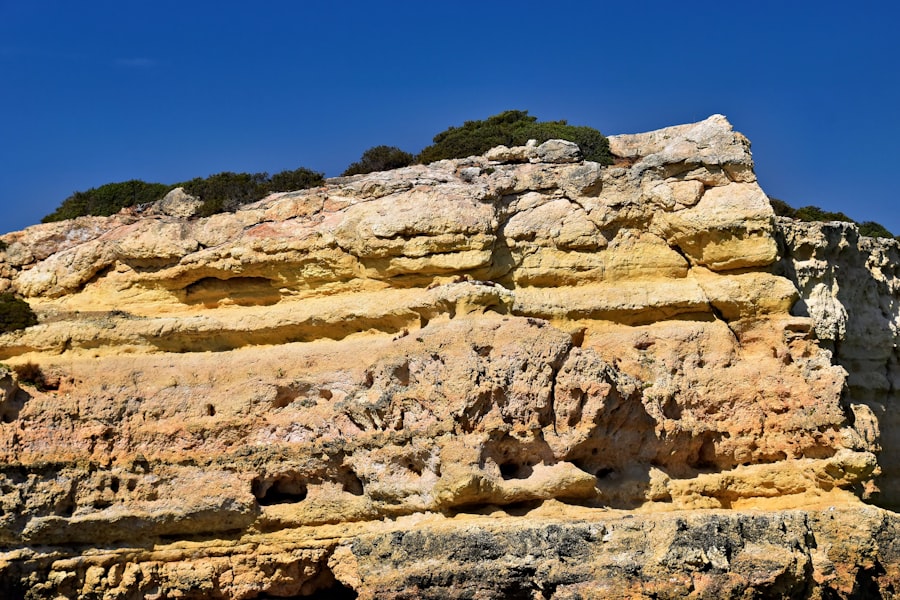
The Earth’s surface is not a static canvas but a dynamic landscape constantly sculpted by a multitude of forces. Geomorphology, the study of landforms and the processes that create and shape them, unveils this ongoing transformation.
Erosion and Weathering: The Slow Grinding of Time
Erosion, the process by which surface materials are worn away and transported, and weathering, the breakdown of rocks and minerals in situ, are paramount sculptors of the Earth’s surface. Water, wind, ice, and gravity all play roles in these relentless processes. Rivers carve out valleys, glaciers grind down mountains, and wind shapes desert dunes. Understanding these processes is crucial for managing landscapes, predicting the impact of natural events, and even understanding the formation of soils.
Fluvial Geomorphology: The Artistry of Rivers
Fluvial geomorphology specifically examines the landforms created by rivers and streams. This includes the study of river channels, floodplains, deltas, and the depositional patterns of sediments. Rivers are powerful agents of erosion and deposition, transporting vast quantities of material and shaping landscapes over geological timescales. Their intricate branching patterns, much like the veins in a leaf, tell tales of the topography they traverse and the volume of water they carry.
Glacial Geomorphology: Sculptures of Ice
Glacial geomorphology investigates the impact of glaciers on the landscape. During past ice ages, massive ice sheets carved out U-shaped valleys, deposited moraines, and left behind a wealth of distinctive landforms. Studying these glacial features provides insights into past climate conditions and the immense power of ice as a geological agent.
Coastal Geomorphology: The Edge of Continents
Coastal geomorphology focuses on the dynamic interface between land and sea. This includes the study of beaches, cliffs, sand dunes, and tidal flats, all of which are shaped by the relentless action of waves, tides, and currents. Understanding coastal processes is essential for coastal protection, managing erosion, and predicting the impact of rising sea levels.
Forces from Within: Plate Tectonics and Tectonics
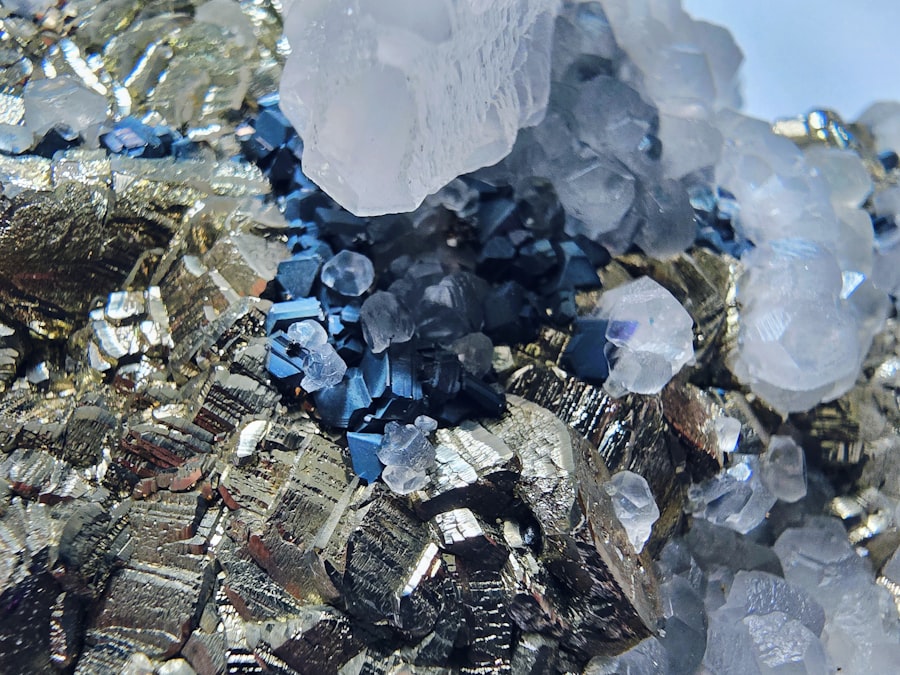
The Earth’s seemingly solid crust is, in reality, a mosaic of colossal plates that are constantly moving. Plate tectonics is the unifying theory of geology, explaining a vast array of geological phenomena, from mountain building to earthquake occurrences to the distribution of volcanoes.
The Theory of Plate Tectonics: Earth’s Dynamic Skin
The Earth’s lithosphere, the rigid outer shell, is broken into several large and smaller tectonic plates that float on the semi-fluid asthenosphere beneath. These plates interact at their boundaries, driving geological change. The theory of plate tectonics provides a framework for understanding how continents have drifted over millions of years, how oceans have formed and closed, and how the Earth’s surface has been sculpted into its current configuration. It is the grand narrative of our planet’s ceaseless motion.
Divergent Plate Boundaries: Where Plates Pull Apart
At divergent plate boundaries, tectonic plates move away from each other. This process often leads to the creation of new oceanic crust, as magma rises from the mantle to fill the gap. Mid-ocean ridges, like the Mid-Atlantic Ridge, are prime examples of such boundaries, where seafloor spreading continuously expands the ocean basins.
Convergent Plate Boundaries: The Collision of Worlds
Convergent plate boundaries are where tectonic plates collide. The outcome of such collisions depends on the types of plates involved. When oceanic and continental plates collide, the denser oceanic plate is forced beneath the continental plate in a process called subduction, often leading to the formation of volcanic mountain ranges and deep ocean trenches. When two continental plates collide, neither can subduct easily, resulting in immense crustal thickening and the formation of towering mountain belts like the Himalayas.
Transform Plate Boundaries: Sliding Past
At transform plate boundaries, tectonic plates slide horizontally past each other. The San Andreas Fault in California is a classic example of a transform boundary, characterized by significant seismic activity as the plates grind against one another.
Orogenesis: The Birth of Mountains
Orogenesis, the process of mountain formation, is intimately linked to plate tectonics. The immense forces generated by colliding continental plates can uplift and deform the Earth’s crust over millions of years, creating the majestic mountain ranges that define our continents. The folding and faulting of rock layers are hallmarks of this colossal geological construction.
In the fascinating field of geological sciences, researchers continually uncover new insights about Earth’s processes and history. A recent article discusses the impact of climate change on sediment transport and erosion patterns, highlighting how these changes can reshape landscapes over time. For those interested in exploring this topic further, you can read more about it in the article available at Freaky Science. Understanding these dynamics is crucial for predicting future geological events and managing natural resources effectively.
Applied Geological Sciences: From Resources to Risks
| Metric | Description | Typical Range/Value | Unit |
|---|---|---|---|
| Rock Density | Mass per unit volume of rock | 2.0 – 3.0 | g/cm³ |
| Seismic Wave Velocity | Speed of seismic waves through Earth’s layers | 3.0 – 8.0 | km/s |
| Earthquake Magnitude | Measure of earthquake energy release | 0 – 9+ | Richter scale |
| Soil pH | Acidity or alkalinity of soil | 4.0 – 9.0 | pH units |
| Mineral Hardness | Resistance to scratching (Mohs scale) | 1 – 10 | Mohs scale |
| Porosity | Percentage of void space in rock or soil | 5 – 30 | % |
| Geothermal Gradient | Rate of temperature increase with depth | 20 – 30 | °C/km |
| Plate Tectonic Movement Rate | Speed of tectonic plate movement | 1 – 10 | cm/year |
The understanding gained from geological sciences is not confined to academic curiosity; it has profound practical implications for humanity. Applied geological sciences translate fundamental knowledge into solutions for pressing global challenges.
Economic Geology: The Earth’s Generosity
Economic geology focuses on the exploration and extraction of Earth’s mineral and energy resources. Geologists use their understanding of rock formations, geological processes, and geophysical methods to locate deposits of valuable minerals such as gold, copper, iron, and diamonds, as well as fossil fuels like oil and natural gas. This discipline plays a vital role in global economies and resource management.
Environmental Geology: Protecting Our Planet
Environmental geology applies geological knowledge to address environmental issues. This includes studying the impact of human activities on the Earth, assessing the risks associated with natural hazards, and developing strategies for sustainable resource management and pollution control. Understanding groundwater contamination, landslide susceptibility, and the geological factors influencing climate change are crucial aspects of this field.
Natural Hazards Assessment: Preparing for Earth’s Fury
Geologists play a critical role in assessing and mitigating the risks associated with natural hazards. This includes studying the frequency and intensity of earthquakes, volcanic eruptions, landslides, floods, and tsunamis. By understanding the geological potential for these events, scientists can inform urban planning, develop early warning systems, and implement engineering solutions to protect communities.
Hydrogeology: The Flow of Life
Hydrogeology is the study of groundwater, its occurrence, movement, and quality. Groundwater is a vital resource for drinking water, irrigation, and industrial processes. Hydrogeologists investigate aquifer systems, predict groundwater flow patterns, and assess the impact of human activities on groundwater resources, ensuring the sustainable management of this precious resource.
In conclusion, the geological sciences offer a sweeping perspective on our planet, from its deepest molten heart to the very air we breathe. It is a field that continuously unravels the intricate narratives written in stone, empowering us to understand our past, navigate our present, and build a more informed future upon the ever-shifting foundations of our dynamic Earth.
FAQs
What is geological sciences?
Geological sciences is the study of the Earth, including its materials, processes, history, and the organisms that have inhabited it. It encompasses various subfields such as mineralogy, paleontology, volcanology, and seismology.
What are the main branches of geological sciences?
The main branches include mineralogy (study of minerals), petrology (study of rocks), paleontology (study of fossils), sedimentology (study of sedimentary rocks and processes), and geophysics (study of Earth’s physical properties).
How do geological scientists study the Earth?
Geological scientists use fieldwork, laboratory analysis, remote sensing, and computer modeling to study rock formations, fossils, soil samples, and Earth’s internal structure to understand geological processes and history.
Why is geological science important?
Geological science helps us understand natural hazards like earthquakes and volcanoes, locate natural resources such as minerals and fossil fuels, manage environmental issues, and study climate change through Earth’s history.
What careers are available in geological sciences?
Careers include geologist, environmental consultant, petroleum geologist, seismologist, volcanologist, hydrologist, and academic researcher, among others, working in industries, government agencies, and academia.