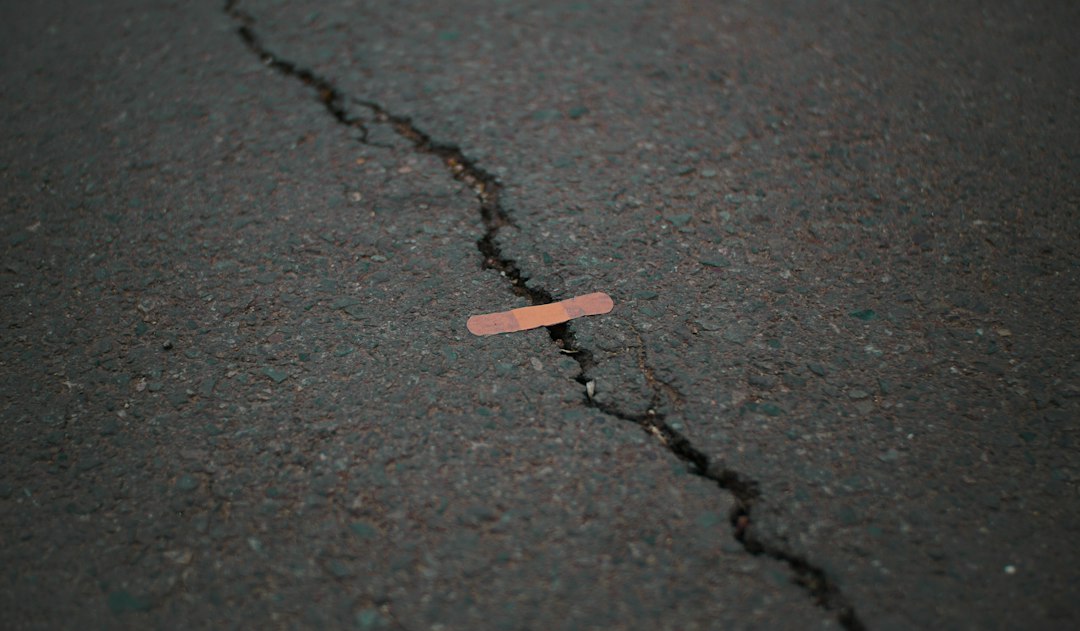
The Earth’s crust, the seemingly solid outer shell we inhabit, is far from static or monolithic. Beneath its familiar surface lies a dynamic and complex realm where immense pressures and temperatures sculpt a subterranean landscape shaped by fluids and fractures. These deep crustal fluids, often unseen and underappreciated, play a pivotal role in geological processes, influencing everything from mineral formation and earthquake generation to the potential for geothermal energy extraction. Unraveling the mysteries of these fluids and the fractures they inhabit is a fundamental pursuit for geoscientists, offering profound insights into the Earth’s inner workings and its potential resources.
The Subterranean Reservoir: Understanding Deep Crustal Fluids
Deep crustal fluids are not simply stagnant puddles of water. They represent a diverse array of aqueous solutions, brines, and even supercritical fluids that circulate through the Earth’s lithosphere. Their presence and behavior are dictated by a complex interplay of factors, including lithology, temperature, pressure, and the pervasive presence of fractures.
What Constitutes Deep Crustal Fluids?
The composition of deep crustal fluids is highly variable, reflecting the rocks through which they have migrated and the geological conditions they have encountered. Typically, these fluids are dominated by water, but dissolved ions significantly alter their chemical properties.
Salinity and Ionic Composition
Salinity in deep crustal fluids can range from near-fresh to hypersaline, comparable to or exceeding that of ocean water. This salinity is often a result of the dissolution of minerals within the host rock. Common ions include sodium (Na+), chloride (Cl-), calcium (Ca2+), potassium (K+), magnesium (Mg2+), sulfate (SO42-), and bicarbonate (HCO3-). The specific ratios of these ions can serve as geochemical fingerprints, providing clues about the fluid’s origin and history. For instance, high concentrations of chloride are often associated with evaporite deposits or seawater interaction, while elevated calcium and bicarbonate might indicate interaction with carbonate rocks.
Dissolved Gases
Beyond dissolved ions, deep crustal fluids can also contain significant quantities of dissolved gases. These can include:
- Carbon Dioxide (CO2): A common component, CO2 plays a crucial role in weathering reactions, carbonate precipitation, and can contribute to the acidity of the fluids. Its presence is often linked to magmatic activity or the breakdown of organic matter at depth.
- Methane (CH4): While often associated with biological processes near the surface, methane can also be generated through thermochemical reactions at greater depths. Its presence can indicate a lack of oxygen and the potential for microbial activity in subsurface environments.
- Hydrogen Sulfide (H2S): This gas is often associated with the reduction of sulfate minerals or the decomposition of organic matter. It is corrosive and can be a significant factor in mineral alteration.
- Noble Gases (e.g., Helium (He), Argon (Ar)): These inert gases are primarily of radiogenic origin, produced by the radioactive decay of elements like uranium and thorium within the crust. Their isotopic ratios can be invaluable for tracing fluid pathways and estimating the age of fluid-rock interaction.
Supercritical Fluids
At temperatures and pressures exceeding their critical point, water and other substances exist as supercritical fluids. In these states, they exhibit properties of both liquids and gases, possessing high diffusivity like gases and strong solvating power like liquids. Supercritical fluids are particularly effective at dissolving and transporting minerals, playing a critical role in ore formation and the transport of heat. The presence of supercritical CO2 is also significant in certain geological settings, influencing the rheology of the crust and acting as a solvent for hydrocarbons.
Sources and Pathways of Deep Crustal Fluids
The origin and circulation of these fluids are multifaceted, stemming from a variety of sources and utilizing intricate pathways.
Meteoric Water Infiltration
Rainwater and surface waters can infiltrate the crust, especially in areas with significant fracturing or permeable rock formations. As this water descends, it is heated by the geothermal gradient and interacts with the surrounding rocks, becoming enriched in dissolved minerals.
Hydrothermal Fluids
Hydrothermal fluids are typically associated with magmatic activity. As magma cools, volatile components like water and CO2 are released, forming hydrothermal fluids. These fluids are often hot, corrosive, and rich in dissolved elements, playing a key role in the formation of many ore deposits and the alteration of crustal rocks.
Connate Water
Connate waters are trapped within sedimentary rocks during their deposition. These are essentially ancient seawater or pore fluids that have been isolated from further interaction with the surface environment for geological timescales. Their chemical composition can provide insights into the paleosalinity and paleoenvironmental conditions of ancient depositional basins.
Metamorphic Fluids
During metamorphism, the breakdown of minerals under high temperature and pressure can release chemically bound water and other volatiles, forming metamorphic fluids. These fluids can migrate and interact with surrounding rocks, driving further mineral transformations.
Fluid Migration Mechanisms
The movement of deep crustal fluids is primarily driven by:
- Pressure Gradients: Fluids tend to flow from areas of higher pressure to lower pressure. This can be driven by tectonic forces, overburden pressure, or the expansion of fluids due to heating.
- Buoyancy: Hot fluids are less dense than cooler fluids, leading to upward convection. This is a fundamental process in hydrothermal systems.
- Capillary Forces: In porous media, capillary forces can influence fluid movement, particularly in the presence of immiscible fluid phases.
- Tectonic Pumping: Earthquakes and seismic activity can induce transient pressure changes, effectively pumping fluids through fracture networks.
Deep crust fluids and fractures play a crucial role in understanding geological processes and the behavior of the Earth’s crust. For a more in-depth exploration of this topic, you can refer to a related article that discusses the implications of these fluids on tectonic activity and mineral formation. To read more about this fascinating subject, visit Freaky Science.
The Role of Fractures: Conduits in the Crust
Fractures, the discontinuities that crisscross the Earth’s crust, are the indispensable conduits for the movement and accumulation of deep crustal fluids. Without these cracks and fissures, the subterranean hydrological system would be largely stagnant.
Types of Fractures
Fractures in the Earth’s crust manifest in various forms, each with distinct origins and characteristics.
Joints
Joints are tensile fractures that exhibit no significant movement along the fracture surface. They are typically formed by extensional stresses, leading to the opening of the rock mass. Joints can significantly increase the permeability of otherwise impermeable rocks, allowing for fluid ingress.
Faults
Faults are fractures along which there has been significant displacement of the rock masses on either side. They are formed by shear stresses and are often associated with tectonic activity. Large-scale fault zones can act as major conduits for fluid flow, transporting fluids over vast distances and influencing regional hydrological systems.
Microfractures
Microfractures are small, often microscopic, cracks that are ubiquitous in the Earth’s crust. They are formed by a variety of processes, including stress, thermal expansion and contraction, and weathering. While individually small, the cumulative effect of microfractures can significantly enhance the overall permeability of rock formations.
Shear Zones
Shear zones are broader zones of deformation characterized by intense fracturing and rock alteration. They are formed under significant shear stress and often contain a complex network of smaller fractures and brecciated material, providing abundant pathways for fluid flow.
Fracture Networks and Permeability
The interconnectedness of fractures, forming what are known as fracture networks, is critical for understanding fluid flow.
Connectivity and Tortuosity
The degree to which fractures are connected and the tortuosity of the pathways they create significantly influence fluid flow rates and patterns. Highly connected fracture networks with relatively straight pathways will allow for more efficient fluid transport compared to disconnected or highly tortuous networks.
Aperture and Roughness
The aperture, or the width of a fracture, is a primary control on permeability. Larger apertures generally lead to higher flow rates. However, the roughness of the fracture surfaces also plays a role, as it can create constrictions and preferential flow paths.
Fracture Filling and Sealing
Over time, fractures can become filled with precipitated minerals, such as quartz, calcite, or clay minerals. This mineral precipitation, often driven by the interaction with circulating fluids, can reduce or even seal the fracture, thereby impeding fluid flow. Conversely, some fractures can act as sites for the deposition of valuable minerals, forming ore bodies.
Geophysical Techniques: Probing the Subsurface
Direct observation of deep crustal fluids and fractures is challenging due to the extreme depths involved. Therefore, geoscientists rely on a suite of geophysical techniques to infer their presence, distribution, and properties.
Seismic Methods
Seismic surveys utilize the propagation of seismic waves through the Earth to image subsurface structures.
Seismic Reflection
Seismic reflection surveys involve generating seismic waves at the surface and recording the reflected waves that return from subsurface interfaces. Variations in seismic velocity and impedance, which are influenced by the presence of fluids and fractures, can be detected. Fluids, particularly when they are less dense than the surrounding rock, can significantly reduce seismic velocities. Fractures can create zones of anisotropy, where seismic wave speeds vary depending on the direction of propagation.
Seismic Tomography
Seismic tomography uses travel times of seismic waves that have passed through the Earth to create a 3D image of subsurface velocity variations. Areas with lower seismic velocities can indicate the presence of fluids or fractured rock. Anomalous velocity zones can pinpoint potential fluid reservoirs or fractured zones of interest.
Electrical and Electromagnetic Methods
These methods exploit the electrical properties of subsurface materials.
Electrical Resistivity and Induced Polarization
Fluids, especially saline fluids, can significantly reduce the electrical resistivity of rocks. Electrical resistivity surveys measure the resistance of the subsurface to electrical current. Low resistivity zones can indicate the presence of fluid-filled fractures or porous media. Induced Polarization (IP) measures the chargeability of the subsurface, which can be enhanced by the presence of conductive minerals or clays associated with fluid flow.
Magnetotellurics (MT)
Magnetotellurics uses natural electromagnetic fields to probe the Earth’s conductivity structure to great depths. Fluids with high ionic content, particularly saline brines, are highly conductive and can be detected by MT surveys. Anomalous conductive zones at depth can be indicative of extensive fluid-filled fracture networks or fluid-rich geological formations.
Well Logging
In boreholes that penetrate deep crustal environments, a variety of well logging techniques are employed to characterize the subsurface directly.
Resistivity Logs
These logs measure the electrical resistivity of the rock formations encountered by the borehole. Fluctuations in resistivity can highlight fluid-filled pores or fractures.
Sonic Logs
Sonic logs measure the travel time of sound waves through the rock. Fluids and fractures can affect the velocity of sound, providing information about rock properties and potential fluid presence.
Formation Testing
Formation testing involves injecting or extracting fluids from the borehole to measure reservoir pressure and permeability. This provides direct data on the flow properties of the subsurface.
Implications of Deep Crustal Fluids and Fractures
The understanding of deep crustal fluids and fractures has profound implications across various scientific and economic domains.
Geothermal Energy Potential
Deep crustal fluids, particularly those heated by magmatic activity or circulating through permeable fracture networks, are the primary reservoirs for geothermal energy.
Hydrothermal Systems
Hydrothermal systems are characterized by the circulation of hot fluids within the Earth’s crust. These systems can provide a sustainable source of heat for electricity generation and direct-use applications like heating buildings. Understanding the permeability of fracture networks and the fluid flow dynamics within these systems is crucial for successful geothermal exploration and development.
Enhanced Geothermal Systems (EGS)
In areas where natural permeability is insufficient, Enhanced Geothermal Systems (EGS) aim to create artificial fracture networks through hydraulic fracturing. This allows for the circulation of fluids in otherwise impermeable rock formations, unlocking geothermal potential in a wider range of geological settings. The success of EGS heavily relies on understanding fracture behavior and fluid transport under high pressure.
Mineral Exploration and Ore Formation
Deep crustal fluids are the primary agents responsible for the formation of many economically important mineral deposits.
Hydrothermal Veins
Hydrothermal veins are tabular bodies of minerals that have precipitated from hot, mineral-rich fluids circulating through fractures. The composition of these fluids and the architecture of the fracture network dictate the type and concentration of valuable metals, such as gold, silver, copper, and lead-zinc.
Porphyry Deposits
Porphyry deposits, which are major sources of copper and molybdenum, are formed by hydrothermal alteration and metal precipitation associated with intrusions of magma at intermediate depths. The circulation of magmatic-hydrothermal fluids through a network of fractures is a fundamental process in their genesis.
Seismicity and Tectonic Processes
The presence and movement of deep crustal fluids can significantly influence tectonic processes, including earthquake generation.
Pore Pressure and Fault Lubrication
Fluids within fractures can increase the pore pressure within fault zones. High pore pressure reduces the effective normal stress across a fault, lowering the frictional resistance and making it easier for the fault to slip. This can trigger earthquakes, particularly in seismically active regions.
Fluid Migration and Induced Seismicity
The injection of fluids into the subsurface, whether for geothermal energy production, wastewater disposal, or hydrocarbon extraction, can lead to induced seismicity. Understanding the pathways of fluid migration and the sensitivity of faults to pore pressure changes is crucial for mitigating the risks associated with induced earthquakes.
Carbon Sequestration and Storage
Deep geological formations, particularly those with fractured rock matrices, are being investigated as potential sites for the long-term storage of carbon dioxide (CO2).
CO2 Solubility and Reactivity
CO2 injected into deep saline aquifers can dissolve in the pore fluids, forming carbonic acid, which can then react with the surrounding rock to form stable carbonate minerals. Fractures can act as conduits for CO2 injection and migration, but they can also pose a risk of leakage if they are not adequately sealed. Understanding the long-term behavior of CO2 within fracture networks is critical for ensuring the effectiveness and safety of carbon sequestration.
Recent studies have shed light on the intricate relationship between deep crust fluids and fractures, revealing how these elements interact to influence geological processes. For a deeper understanding of this topic, you can explore a related article that discusses the implications of these findings on tectonic activity and mineral formation. This insightful piece can be found here, providing valuable information for those interested in the dynamics of the Earth’s crust.
Challenges and Future Directions
Despite significant advancements, unraveling the complexities of deep crustal fluids and fractures remains an active and challenging area of research.
Imaging and Characterization Limitations
The immense depths and often opaque nature of the Earth’s crust present significant limitations to directly imaging and characterizing these subsurface features. Developing more advanced geophysical techniques with higher resolution and deeper penetration capabilities is a key future direction.
Modeling and Prediction
Accurately modeling fluid flow and fracture behavior at deep crustal scales is essential for predicting resource potential, assessing seismic hazards, and evaluating the safety of subsurface activities. Integrating diverse datasets and developing more sophisticated numerical models are crucial.
Interdisciplinary Collaboration
Addressing the multifaceted challenges associated with deep crustal fluids and fractures requires close collaboration among geologists, geophysicists, geochemists, and engineers. Bringing together expertise from different disciplines will accelerate progress and lead to more comprehensive understanding.
In conclusion, the Earth’s deep crust is a vibrant and dynamic system, profoundly shaped by the interplay of fluids and fractures. By continuing to unravel the mysteries of this hidden realm, geoscientists are not only deepening our fundamental understanding of our planet but also unlocking its potential for sustainable energy, valuable resources, and better management of geological hazards. The ongoing quest to understand these unseen forces promises to yield significant discoveries for years to come.
We Drilled 12 KM Into Earth—Then the Rock Started Bending
FAQs

What are deep crust fluids?
Deep crust fluids refer to water, gases, and other substances that are found deep within the Earth’s crust. These fluids play a crucial role in various geological processes, such as the formation of minerals and the movement of tectonic plates.
How do deep crust fluids contribute to the formation of fractures?
Deep crust fluids can create fractures in the Earth’s crust through a process known as fluid-induced fracturing. When these fluids are under pressure, they can cause rocks to break apart, leading to the formation of fractures and faults.
What is the significance of fractures in the Earth’s crust?
Fractures in the Earth’s crust play a vital role in the movement of fluids, such as groundwater and hydrocarbons. They also provide pathways for the migration of minerals and can influence the stability of geological formations.
How are deep crust fluids and fractures studied by scientists?
Scientists study deep crust fluids and fractures using various techniques, including seismic imaging, borehole logging, and geochemical analysis. These methods help researchers better understand the properties and behavior of these fluids and fractures.
What are the implications of understanding deep crust fluids and fractures?
Understanding deep crust fluids and fractures is essential for various applications, such as predicting earthquakes, managing groundwater resources, and exploring for natural resources like oil and gas. This knowledge can also help mitigate geological hazards and improve our understanding of Earth’s dynamic processes.