You’re about to embark on a fascinating journey, one that delves into the very core of consciousness and the profound mystery of how your brain communicates. Specifically, you’ll be unraveling the intricate dance of neural networks when you’re under anesthesia. It’s a topic that feels almost like science fiction, the idea of willingly shutting down your awareness, yet it’s a daily reality in operating rooms worldwide. Understanding this process isn’t just academic; it holds the key to safer surgeries, more effective pain management, and perhaps even unlocking new therapeutic avenues for a range of neurological conditions. Prepare to explore the silent symphony of your sleeping brain.
Before we delve into the world of anesthesia, it’s crucial to establish a baseline. What does your brain sound like when it’s fully operational, when you’re alert and aware of your surroundings? This isn’t a static hum, but a dynamic, complex symphony of electrical and chemical signals, a constant dialogue between billions of neurons. You experience this as your thoughts, your senses, your emotions, and your ability to interact with the world.
The Neuronal Orchestra: A Swarm of Activity
Think of your brain as an immense orchestra, with each neuron a musician playing its part. When you’re awake, this orchestra is in full swing, producing a rich tapestry of sounds. This activity is characterized by rapid firing rates and synchronized oscillations across various brain regions.
The Role of Neurons: The Individual Musicians
Neurons, the fundamental building blocks of your nervous system, are the individual musicians. They communicate with each other through electrical impulses called action potentials, which travel along their axons. When an action potential reaches the end of an axon, it triggers the release of chemical messengers called neurotransmitters into the synaptic cleft, the tiny gap between neurons. These neurotransmitters then bind to receptors on the next neuron, either exciting it to fire or inhibiting it from doing so.
Synaptic Connections: The Sheet Music and Conductor
The intricate network of synapses, the connections between neurons, acts as the sheet music and the conductor. These connections are not fixed; they are constantly being strengthened, weakened, or even formed anew, a phenomenon known as neuroplasticity. This dynamic rewiring allows your brain to learn, adapt, and process an endless stream of information.
Brainwave Frequencies: The Rhythms of Consciousness
The collective electrical activity of your neurons generates distinct patterns of brainwave frequencies. These frequencies are measured using electroencephalography (EEG) and provide a window into your cognitive state.
Beta Waves: The Sound of Engagement
When you are actively engaged in thinking, problem-solving, or focused attention, your brain primarily exhibits beta waves. These are fast, low-amplitude waves, reflecting high levels of neuronal activity and information processing. You might feel this as a sharp, alert mental state.
Alpha Waves: The Gentle Hum of Relaxation
As you relax and let your mind wander, or when you close your eyes, alpha waves become more prominent. These are slower, higher-amplitude waves than beta waves, and they often signify a state of calm wakefulness and receptivity. This is the state where creative ideas might begin to bubble up.
Information Flow: The Interconnectedness of Brain Regions
Consciousness isn’t localized to a single area; it emerges from the coordinated activity of widespread brain networks. Different brain regions specialize in processing specific types of information, but they are constantly communicating and integrating these inputs to create a unified experience.
The Prefrontal Cortex: The Conductor’s Baton
Your prefrontal cortex, located at the front of your brain, plays a crucial role in executive functions like planning, decision-making, and working memory. It acts like a conductor, orchestrating the flow of information and guiding your thoughts and actions.
The Thalamus: The Central Relay Station
The thalamus, deep within your brain, acts as a central relay station, filtering and transmitting sensory information to the cerebral cortex. It’s like a busy switchboard, ensuring that the right signals reach the right destinations for processing.
Recent studies have shed light on the fascinating topic of brain communication during general anesthesia, revealing how neural networks may still interact even when consciousness is suppressed. For a deeper understanding of this phenomenon, you can explore the related article that discusses the implications of these findings on our understanding of consciousness and anesthesia. To read more, visit this article.
The Anesthetic Enigma: Silencing the Symphony
Now, let’s step into the world of anesthesia, where the vibrant symphony of wakefulness is intentionally and reversibly silenced. Anesthesia is not a simple “off” switch; it’s a complex manipulation of brain communication that leads to unconsciousness, amnesia, and analgesia. The precise mechanisms are still being unraveled, but researchers are beginning to piece together the puzzle.
How Anesthetics Work: Disrupting the Dialogue
Anesthetics achieve their effect by interfering with the normal communication pathways between neurons. They don’t just dampen activity; they selectively disrupt specific types of signaling, leading to a cascade of effects that ultimately result in loss of consciousness.
Targeting Neurotransmitter Receptors: The Jamming of the Signals
Many anesthetics work by binding to and modulating the activity of specific neurotransmitter receptors. These receptors are like locks, and neurotransmitters are the keys that open them. Anesthetics can act as keys that either enhance the action of inhibitory neurotransmitters or block the action of excitatory neurotransmitters, effectively altering the balance of excitation and inhibition in the brain.
GABA Receptors: The Brakes on Neuronal Firing
Gamma-aminobutyric acid (GABA) is the primary inhibitory neurotransmitter in the brain. Anesthetics like propofol and benzodiazepines bind to GABA receptors, enhancing their ability to inhibit neuronal firing. This essentially puts the brakes on widespread brain activity, contributing to sedation and unconsciousness. You can think of this as turning down the volume on the entire orchestra.
NMDA Receptors: The Muting of Excitatory Signals
N-methyl-D-aspartate (NMDA) receptors are a type of glutamate receptor, and glutamate is the primary excitatory neurotransmitter. Many anesthetics, particularly ketamine, can block NMDA receptors. This inhibits the signaling of excitatory neurons, further contributing to the suppression of consciousness and memory formation. This is like taking out specific instruments that are playing too loudly.
Modulating Ion Channels: The Control of Electrical Flow
Beyond neurotransmitter receptors, anesthetics also affect the flow of ions across neuronal membranes. Ion channels are pores in the cell membrane that allow specific ions to pass through, which is essential for the generation and propagation of electrical signals.
Voltage-Gated Channels: The Gates of Neuronal Firing
Anesthetics can interact with voltage-gated sodium and potassium channels, which are critical for the initiation and repolarization of action potentials. By altering the function of these channels, anesthetics can reduce the excitability of neurons and impede the transmission of signals. This is akin to tampering with the wiring that allows the musicians to produce their sounds.
The Spectrum of Anesthesia: From Sedation to Deep Unconsciousness
It’s important to recognize that anesthesia exists on a spectrum. The depth of unconsciousness can be precisely controlled, allowing for different levels of sedation and surgical intervention.
Minimal Sedation: A Light Drowsiness
At the lighter end of the spectrum, you might experience minimal sedation. You’re awake and able to respond to verbal commands, but you’re relaxed and less anxious. Your brain activity might show a shift towards alpha waves, indicating relaxation, but with some residual beta activity for responsiveness.
Moderate Sedation: A Deeper Calm
Moderate sedation brings a deeper level of relaxation. You might be drowsy and have difficulty remembering events that occur during the procedure. Your brainwaves will show a greater prevalence of slower frequencies, and the connectivity between different brain regions might begin to decrease.
Deep Sedation and General Anesthesia: The Profound Silence
The deepest levels of sedation and general anesthesia involve profound unconsciousness. You will have no memory of the procedure, and your brain will exhibit dramatically altered patterns of activity. This is where the orchestra falls silent, and the intricate communication networks are significantly disrupted.
Unraveling the Neural Correlates of Anesthesia: What Brain Activity Looks Like
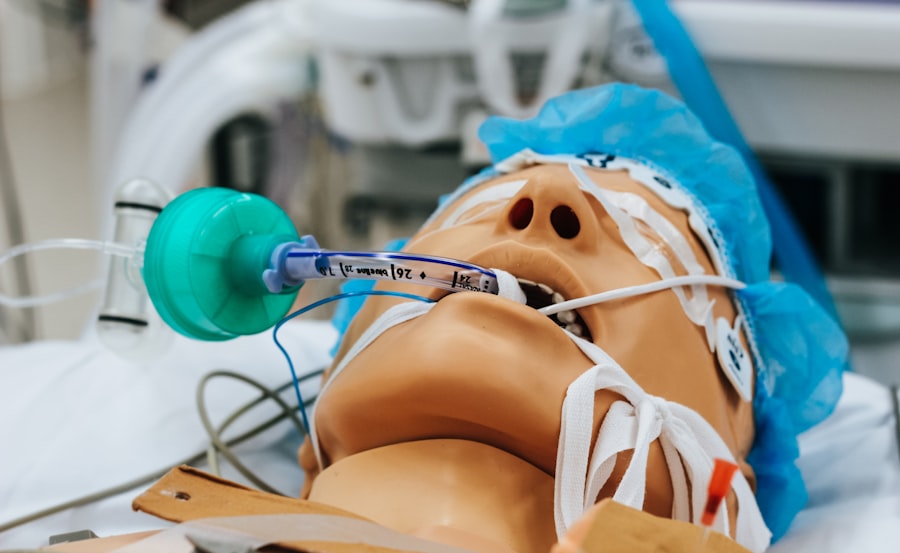
While you’re under anesthesia, your brain isn’t simply turned off. Instead, its communication patterns undergo profound and specific changes. Researchers use various neuroimaging techniques to observe these alterations, revealing the neural correlates of unconsciousness.
Global Brain Activity Suppression: The Fading Echoes
One of the most striking changes observed during anesthesia is a widespread suppression of brain activity. This isn’t a uniform shutdown but rather a disruption of the synchronized firing that characterizes wakefulness.
Reduced Thalamocortical Connectivity: The Broken Relay
The thalamus plays a crucial role in relaying sensory information to the cortex, enabling conscious perception. Anesthetics often disrupt the communication between the thalamus and the cerebral cortex. This reduced thalamocortical connectivity is a hallmark of anesthetic-induced unconsciousness, effectively blocking the flow of information necessary for awareness. It’s as if the switchboard operator is no longer connecting the calls.
Decreased Functional Connectivity: The Disconnected Networks
Functional connectivity refers to the statistical dependencies between different brain regions. During anesthesia, this connectivity is often reduced, meaning that brain areas that would normally work together in a coordinated fashion become more independent or disconnected. This breakdown in communication between distributed brain networks is a key factor in the loss of consciousness. Imagine the different sections of the orchestra no longer playing in unison.
Altered Brainwave Dynamics: The Shift in Rhythms
The characteristic brainwave frequencies of wakefulness are replaced by different patterns under anesthesia, reflecting the underlying changes in neuronal activity.
The Emergence of Delta Waves: The Slowing Down
As anesthesia deepens, there is often an increase in slow-wave activity, particularly delta waves. These are the slowest brainwave frequencies, typically associated with deep sleep. Their prominence under anesthesia suggests a significant reduction in the speed and complexity of neuronal firing. The orchestra’s tempo has dramatically slowed.
Loss of Alpha and Beta Power: The Fading Alertness
The energetic alpha and beta waves associated with wakefulness and cognitive engagement diminish or disappear under anesthesia. This reflects the loss of conscious processing and the transition to a state of unresponsiveness. The lively rhythms of alertness have ceased.
Predictors of Anesthetic Depth: Monitoring the Brain’s Response
Monitoring brain activity can help anesthesiologists assess the depth of anesthesia and ensure patient safety. Certain patterns in brainwave activity can predict how deeply unconscious a patient is and how they might respond to stimuli.
Bispectral Index (BIS): A Numerical Score of Unconsciousness
The Bispectral Index (BIS) is a widely used monitor that analyzes EEG signals to provide a numerical score representing the depth of anesthesia. Lower BIS values generally indicate deeper anesthesia and reduced responsiveness. This numerical score is a direct attempt to quantify the silencing of the brain’s symphony.
Entropy and Other EEG-Based Indices: Refining the Measurement
Beyond BIS, other EEG-based indices and advanced signal processing techniques are being developed to provide even more nuanced information about the brain’s state under anesthesia. These aim to capture the complex changes in neuronal communication more accurately.
The Pathways to Amnesia: Why You Don’t Remember

A crucial aspect of anesthesia is amnesia – the inability to recall events that occurred during the procedure. This is achieved by disrupting the brain’s ability to encode and consolidate memories.
Memory Formation: The Encoding and Consolidation Process
Memory formation is a multi-stage process that involves encoding new information, consolidating it into long-term storage, and retrieving it later. Anesthetics interfere with these stages, particularly at the initial encoding and consolidation phases.
Hippocampus and Medial Temporal Lobe: The Memory Keepers
The hippocampus and surrounding medial temporal lobe structures are critical for forming new episodic memories – memories of specific events. Anesthetics can disrupt the activity within these regions and their connections to other brain areas involved in memory processing. This is like disrupting the recording studio where new memories are being produced.
Synaptic Plasticity: The Foundation of Memory Storage
Memory formation relies on changes in synaptic strength, a phenomenon known as synaptic plasticity. Anesthetics can interfere with the molecular mechanisms underlying synaptic plasticity, making it difficult for new connections to be formed or strengthened, thereby impairing memory encoding. The very building blocks of memory are being affected.
The Role of Anesthetic Agents in Amnesia: Different Drugs, Different Impacts
Different anesthetic agents have varying effects on memory. Some are more potent in inducing amnesia than others, and this is an important consideration in anesthetic selection.
Propofol and Benzodiazepines: Potent Amnesic Effects
Drugs like propofol and benzodiazepines are known for their strong amnestic properties. They appear to significantly impair the hippocampus’s ability to encode new information, leading to a lack of recall for the period of anesthesia.
Ketamine: A More Complex Picture
Ketamine has a more complex effect on memory. While it can induce amnesia, it can also cause dissociative states where patients may have fragmented or unusual experiences that are sometimes recalled. This highlights the multifaceted ways anesthetics interact with memory systems.
Recent studies have shed light on the intriguing phenomenon of brain communication during general anesthesia, revealing that even when patients are unresponsive, their brains may still exhibit complex patterns of activity. This research opens up new avenues for understanding consciousness and the mechanisms of anesthesia. For a deeper dive into this fascinating topic, you can read more in the article found at Freaky Science.
Emerging Frontiers: Unlocking the Secrets for Better Care
| Brain Communication during General Anesthesia | |
|---|---|
| Brain waves | Decrease in alpha and beta waves |
| Neuronal activity | Reduction in neuronal firing |
| Brain regions | Decreased connectivity between different brain regions |
| Consciousness | Loss of consciousness and perception |
The ongoing research into brain communication during anesthesia is not just about understanding the present; it’s about shaping the future of patient care. These insights are paving the way for more personalized and effective anesthetic strategies.
Personalized Anesthesia: Tailoring to the Individual
Understanding how individual brains respond to anesthetics can lead to personalized anesthetic regimens. This means adjusting drug dosages and combinations based on a patient’s specific neurological characteristics and predicted response.
Predicting Anesthetic Responsiveness: The Future of Pre-Operative Assessment
Future pre-operative assessments might involve analyzing a patient’s baseline brain activity patterns to predict how they will respond to different anesthetic agents. This could help avoid prolonged recovery times or adverse reactions. You could be assessed before surgery to see how your brain orchestra plays, allowing the conductor (anesthesiologist) to fine-tune the music.
Optimizing Recovery: Reducing Post-Operative Confusion
By understanding the neural mechanisms behind post-anesthetic cognitive impairment, researchers aim to develop strategies to minimize confusion, delirium, and other adverse cognitive effects after surgery. This could involve specific interventions during or after anesthesia.
Novel Therapeutic Applications: Beyond the Operating Room
The knowledge gained from studying anesthesia might have implications beyond the operating room, potentially offering new avenues for treating neurological and psychiatric disorders.
Anesthesia and Depression: A Glimmer of Hope
The rapid antidepressant effects observed with ketamine have sparked significant interest in its potential for treating severe depression. Researchers are investigating the neural mechanisms underlying these effects, which may involve stimulating neuroplasticity and altering brain connectivity.
Anesthesia and Neurological Rehabilitation: Resetting the Brain
The ability of anesthetics to temporarily alter brain states is being explored for its potential in neurological rehabilitation. For example, inducing a controlled period of altered brain activity might help “reset” maladaptive neural circuits following stroke or brain injury, potentially facilitating recovery.
The Future of Anesthesia Research: A Continuous Unraveling
The quest to unravel brain communication in anesthesia is a continuous journey. New technologies and innovative research designs are constantly pushing the boundaries of our understanding. As we gain deeper insights, we move closer to ensuring that every patient’s experience under anesthesia is as safe, comfortable, and effective as possible. You are at the forefront of this exciting scientific endeavor, and the insights you are gaining promise to revolutionize healthcare.

You’re Not Asleep Under Anesthesia. So Where Do You Go?
FAQs
What is general anesthesia?
General anesthesia is a state of controlled unconsciousness where a patient is put into a deep sleep and is unable to feel pain or move during medical procedures.
How does the brain communicate during general anesthesia?
During general anesthesia, the communication between different parts of the brain is disrupted. The anesthetic drugs affect the neurotransmitters and receptors in the brain, leading to a loss of consciousness and a decrease in brain activity.
What are the effects of general anesthesia on the brain?
General anesthesia can cause changes in brain activity, including a decrease in overall brain function, altered connectivity between different brain regions, and disruption of normal communication pathways.
Are there any long-term effects of general anesthesia on the brain?
While most patients recover fully from the effects of general anesthesia, some studies suggest that there may be potential long-term cognitive effects, especially in older adults. However, more research is needed to fully understand the long-term impact of general anesthesia on the brain.
How do anesthesiologists monitor brain activity during general anesthesia?
Anesthesiologists use various monitoring techniques, such as electroencephalography (EEG) and bispectral index (BIS) monitoring, to assess the level of consciousness and brain activity in patients under general anesthesia. These tools help ensure the patient’s safety and proper depth of anesthesia during surgery.