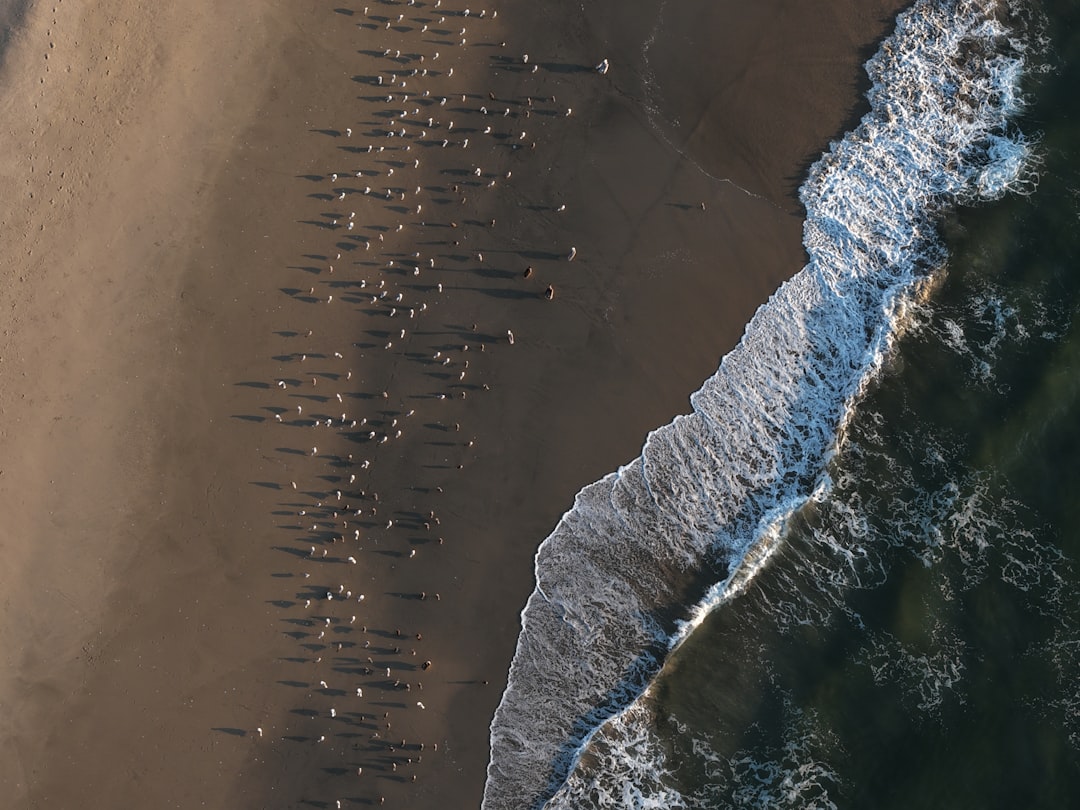
The ocean, a vast and ancient entity, is responding to the relentless pressure of climate change in ways that are proving both profound and profoundly unpredictable. For decades, scientists have meticulously gathered data, piecing together a picture of a planet warming, and a significant portion of that heat is absorbed by this immense body of water. However, the ocean’s reaction is not a simple, linear progression. It is a complex interplay of chemical, physical, and biological processes, creating a cascade of effects that defy easy prediction. Understanding these nuances is crucial, for the ocean is not merely a passive recipient of our atmospheric emissions; it is a dynamic engine driving global climate and supporting a rich tapestry of life.
The ocean has historically played a vital role in mitigating the impacts of increased atmospheric carbon dioxide (CO2) by absorbing a significant portion ofanthropogenically emitted CO2. This process, known as the ocean carbon sink, has been a critical buffer, slowing the rate of atmospheric warming. However, this buffering capacity is not infinite, and the ocean’s ability to absorb CO2 is itself being altered by climate change.
Saturation and the Fate of Dissolved CO2
As atmospheric CO2 concentrations rise, the partial pressure of CO2 in the atmosphere also increases. This creates a larger gradient between the atmosphere and the ocean surface, driving more CO2 into the ocean. Initially, this appears to be a simple diffusion process, like water seeping into a dry sponge. However, the ocean’s ability to hold dissolved CO2 is not a fixed quantity. As CO2 dissolves, it reacts with water to form carbonic acid, which then dissociates into bicarbonate and carbonate ions. This chemical transformation is essential for the ocean to continue absorbing CO2.
The Carbonate Chemistry Cascade
The influx of CO2 triggers a complex series of chemical reactions that alter the ocean’s pH. The formation of carbonic acid leads to a decrease in pH, a phenomenon known as ocean acidification. This shift in the ocean’s fundamental chemistry is akin to slowly adding a dilute acid to a vast, delicate ecosystem. The consequences of this lowered pH are far-reaching, impacting marine organisms that rely on calcium carbonate to build their shells and skeletons.
Regional Variations in CO2 Uptake
The efficiency of CO2 uptake is not uniform across the globe. Factors such as sea surface temperature, ocean currents, and biological activity play significant roles. Colder waters, for instance, can dissolve more CO2 than warmer waters. This means that polar and subpolar regions are currently absorbing a disproportionately large amount of anthropogenic CO2. However, as these regions warm, their capacity to act as carbon sinks may diminish, potentially accelerating the buildup of CO2 in the atmosphere.
The Biological Pump’s Uncertainty
Beyond chemistry, the ocean’s biological pump also plays a crucial role in carbon sequestration. Phytoplankton, microscopic marine plants, absorb CO2 during photosynthesis. When these organisms die, they sink to the deep ocean, taking their stored carbon with them. This process effectively removes carbon from the surface ocean and atmosphere for extended periods. However, the productivity and efficiency of the biological pump are sensitive to changes in ocean conditions, including temperature, nutrient availability, and light penetration, all of which are being influenced by climate change.
Impact of Warming on Phytoplankton Blooms
Rising sea surface temperatures can alter the stratification of the ocean, leading to a less efficient mixing of nutrient-rich deep waters with the sunlit surface layers. This nutrient limitation can reduce phytoplankton growth and, consequently, the effectiveness of the biological pump. Conversely, in some regions, changes in stratification might lead to increased nutrient availability, potentially enhancing phytoplankton blooms. The net effect of these competing influences is a subject of ongoing research.
The Role of Ocean Currents in Carbon Transport
Ocean currents act as vast conveyor belts, transporting carbon both horizontally and vertically. Changes in these currents, driven by altered wind patterns and thermal gradients, can significantly impact the distribution of dissolved CO2 and the efficiency of carbon sequestration. For example, a weakening of the Atlantic Meridional Overturning Circulation (AMOC) could, in theory, lead to reduced CO2 uptake in the North Atlantic.
Recent studies have highlighted the complexities of nonlinear climate responses in ocean systems, emphasizing how small changes in temperature can lead to significant shifts in marine ecosystems. For a deeper understanding of these dynamics, you can explore a related article that discusses the implications of such nonlinear responses on global climate patterns. To read more, visit this article.
Ocean Warming: A Thermal Expansion and Energy Storage Crisis
The ocean acts as a massive heat sink, absorbing over 90% of the excess heat trapped by greenhouse gases in the Earth’s atmosphere. This absorption of heat has profound consequences, leading to thermal expansion of seawater and increased ocean stratification, with significant implications for sea level rise and marine ecosystems.
Thermal Expansion and Sea Level Rise: The Silent Submergence
As water heats up, it expands. This seemingly simple physical principle, when applied to the immense volume of the ocean, translates into a significant contributor to global sea level rise. It is akin to filling a vast bathtub with warm water; the water level inevitably creeps upwards.
Layer by Layer Expansion
The ocean does not warm uniformly. While the surface layers are experiencing the most rapid warming, heat is also penetrating into deeper waters, albeit at a slower rate. This gradual warming of the entire water column contributes to a cumulative thermal expansion, adding volume to the ocean basin.
The Role of Arctic Amplification
The Arctic region is warming at a rate significantly faster than the global average. This Arctic amplification has direct implications for ocean warming and subsequent thermal expansion. Melting sea ice, a phenomenon directly linked to warming temperatures, also plays a role. While melting sea ice itself does not directly contribute to sea level rise (as it is already floating ice), it reduces the Earth’s albedo, leading to further absorption of solar radiation by the darker ocean surface, accelerating warming.
Stratification and its Ecosystemic Ripples
Warmer surface waters are less dense than cooler, deeper waters. This density difference leads to increased ocean stratification, where distinct layers of water are formed with limited mixing. This stratification can act as a barrier, hindering the exchange of heat, oxygen, and nutrients between the surface and the deep ocean.
Impacts on Nutrient Cycling
The reduced mixing caused by stratification can limit the upward transport of essential nutrients from the deep ocean to the surface. Phytoplankton, the base of most marine food webs, rely on these nutrients for growth. This nutrient limitation can therefore lead to decreased primary productivity in surface waters, with cascading effects throughout the ecosystem.
Oxygen Depletion in Deeper Waters
Conversely, warmer water holds less dissolved oxygen. The reduced mixing associated with stratification can also limit the replenishment of oxygen in deeper waters. This can lead to the expansion of oxygen-minimum zones (OMZs), areas where oxygen levels are critically low, threatening marine life that cannot tolerate such conditions.
Marine Heatwaves: Intense Bursts of Warmth
Beyond the gradual, overarching warming trend, the ocean is also experiencing increasingly frequent and intense marine heatwaves. These are periods of unusually high sea surface temperatures that can last for days, weeks, or even months. These events are like sudden, ferocious storms within the ocean’s overall warming trend, causing rapid and severe disruptions.
Ecological Devastation
Marine heatwaves can trigger mass mortality events for a wide range of marine organisms, including corals, kelp forests, and fish populations. The sudden shift in temperature can overwhelm the physiological tolerance of these species, leading to widespread die-offs.
Shifts in Species Distribution
When faced with extreme heat, marine species often attempt to migrate to cooler waters. This can lead to significant shifts in species distribution, with some species expanding their ranges and others facing local extinctions. This reshuffling of marine communities can have profound impacts on ecosystem structure and function.
Ocean Acidification: The Silent Corrosion of Marine Life
The absorption of excess atmospheric CO2 by the ocean leads to a significant decrease in seawater pH, a process known as ocean acidification. This chemical shift, while gradual, poses a substantial threat to marine organisms, particularly those that rely on calcium carbonate to build their shells and skeletons.
The Impact on Calcifying Organisms: A Growing Challenge
For many marine creatures, from microscopic plankton to large mollusks and corals, carbonate ions are the building blocks of their protective structures. As the ocean becomes more acidic, the availability of these crucial building blocks diminishes, and existing structures can even begin to dissolve.
Pteropods: The Canary in the Coal Mine
Pteropods, small, free-swimming sea snails, are particularly vulnerable to ocean acidification. Their delicate shells are made of aragonite, a form of calcium carbonate that dissolves more readily in acidic conditions. Observations have already shown evidence of shell dissolution in pteropods in some regions, serving as an early warning sign of the broader impacts of acidification.
Coral Reefs: Bleaching and Dissolution
Coral reefs, vibrant ecosystems that support a quarter of all marine life, are profoundly threatened by ocean acidification and warming. Acidification directly impairs the ability of corals to build their calcium carbonate skeletons, making them more fragile and susceptible to damage. In conjunction with warming, which causes coral bleaching, ocean acidification presents a double-edged sword for these vital habitats.
Shellfish and Other Mollusks
Oysters, clams, mussels, and other shellfish also rely on calcium carbonate for their shells. Ocean acidification can hinder their growth and survival, particularly during their larval stages when their shells are still developing. This has significant implications for both marine ecosystems and the shellfish aquaculture industry.
Food Web Disturbances: A Ripple Effect of Chemical Change
The impact of ocean acidification extends beyond the direct effects on calcifying organisms. These organisms often form the base of marine food webs, and their decline can have cascading effects throughout the ecosystem.
Impacts on Zooplankton and Phytoplankton
The shells of some species of zooplankton and phytoplankton are also made of calcium carbonate. If these organisms are negatively impacted by acidification, it can affect the food available for higher trophic levels, disrupting the entire food web.
Behavioral and Physiological Alterations
Some studies suggest that ocean acidification can also have broader physiological and behavioral impacts on marine organisms, even those that do not calcify. This can include altered metabolism, reproductive success, and predator-prey interactions, further complicating the prediction of ecosystem-level responses.
Sea Level Rise: The Creeping Threat of Inundation
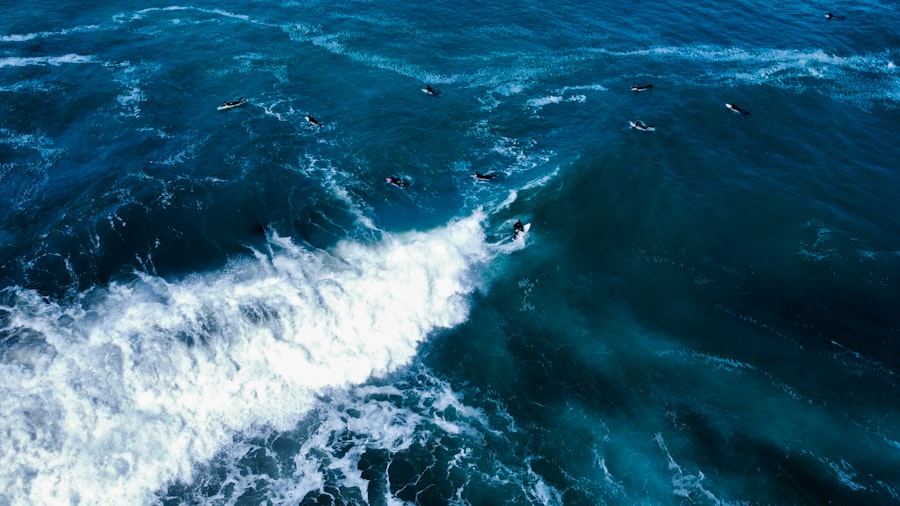
The combination of thermal expansion of seawater and the melting of land-based ice sheets and glaciers is causing a steady and accelerating rise in global sea levels. This phenomenon poses a dire threat to coastal communities, ecosystems, and infrastructure worldwide, representing a slow but relentless encroachment of the sea.
Coastal Flooding and Erosion: Redrawing the Shoreline
As sea levels rise, low-lying coastal areas become increasingly vulnerable to inundation and erosion. This leads to a gradual reshaping of coastlines, displacing human populations and altering natural habitats.
Increased Frequency and Intensity of Storm Surges
Higher sea levels provide a elevated platform for storm surges, meaning that during storms, the water level can reach further inland with greater force. This exacerbates the damaging effects of hurricanes and other coastal storms, leading to increased flood damage and erosion.
Loss of Coastal Wetlands and Mangroves
Coastal wetlands and mangrove forests, vital ecosystems that provide natural storm protection and support diverse marine life, are being squeezed between rising seas and human development. These habitats can be inundated and destroyed, reducing their capacity to buffer coastlines.
Salinization of Freshwater Resources: A Threat to Inland Life
Rising sea levels can lead to the intrusion of saltwater into freshwater aquifers and surface water bodies near the coast. This salinization contaminates drinking water supplies and irrigation water, impacting both human populations and terrestrial ecosystems.
Impacts on Agriculture and Freshwater Ecosystems
The increased salinity of freshwater can render it unsuitable for agriculture, leading to crop failures and food security issues. Freshwater ecosystems, such as rivers and lakes, can also be degraded, impacting the species that rely on them for survival.
Displacement and Migration: The Human Cost of a Changing Coastline
The long-term consequences of sea level rise include the displacement of coastal populations and the potential for mass migration. This presents significant social, economic, and political challenges.
Loss of Homes and Livelihoods
Coastal communities, often home to significant populations and vital economic activities, face the prospect of losing their homes, infrastructure, and traditional livelihoods to the encroaching sea.
Challenges for Infrastructure and Urban Planning
Existing infrastructure, such as roads, bridges, and sewage systems, is often built at elevations that will soon be below sea level. Adapting or relocating this infrastructure requires massive investment and complex planning.
Recent studies have highlighted the complexities of nonlinear climate responses in ocean systems, shedding light on how these dynamics can significantly impact global weather patterns. For a deeper understanding of this intricate relationship, you can explore a related article that discusses various oceanic feedback mechanisms and their implications for climate change. This insightful piece can be found here, providing valuable information for anyone interested in the evolving science of climate interactions.
Ocean Circulation Changes: A Global Rerouting of Heat and Nutrients
| Metric | Description | Typical Range/Value | Relevance to Nonlinear Climate Response |
|---|---|---|---|
| Ocean Heat Content (OHC) | Amount of heat stored in the ocean’s upper layers (0-2000m) | ~10^23 Joules (increasing) | Nonlinear increase can amplify climate feedbacks and delay surface warming |
| Thermohaline Circulation Strength | Measure of the global ocean conveyor belt’s flow rate | ~15-20 Sverdrups (Sv) | Nonlinear weakening can cause abrupt climate shifts and regional cooling |
| Sea Surface Temperature (SST) Anomalies | Deviation of SST from long-term average | ±0.5 to 2 °C in key regions | Nonlinear SST changes affect atmospheric circulation and feedback loops |
| Ocean Acidification Rate | Change in ocean pH due to CO2 uptake | ~0.02 pH units per decade | Nonlinear biological responses can alter carbon cycling and climate feedbacks |
| Sea Level Rise Rate | Increase in global mean sea level | ~3.3 mm/year (recent decades) | Nonlinear ice melt and thermal expansion contribute to accelerated rise |
| Ocean Stratification Index | Measure of density layering in the ocean | Variable by region and season | Nonlinear increases reduce vertical mixing, impacting heat and carbon uptake |
The ocean’s intricate system of currents, driven by differences in temperature, salinity, and wind, acts as a global transport network for heat, nutrients, and gases. Climate change is subtly but significantly altering these patterns, with potentially far-reaching global consequences.
The Atlantic Meridional Overturning Circulation (AMOC): A Slowdown of the Giant Conveyor Belt
The AMOC is a crucial component of the global ocean circulation system, transporting warm surface waters northward in the Atlantic and returning cooler, deeper waters southward. Evidence suggests that this circulation system may be slowing down, a change with profound implications for regional and global climate.
Impact on European Climate
A weakening of the AMOC could lead to significant cooling in Northern Europe, even as the rest of the world warms. This counterintuitive effect is due to the reduced poleward transport of heat.
Altered Precipitation Patterns
Changes in the AMOC can also influence global precipitation patterns, potentially leading to droughts in some regions and increased rainfall in others, disrupting agricultural systems and water availability.
El Niño-Southern Oscillation (ENSO): Amplified Extremes
El Niño and La Niña events, collectively known as ENSO, are natural climate phenomena characterized by fluctuations in sea surface temperatures in the equatorial Pacific Ocean. Climate change is projected to intensify the extremes of ENSO, leading to more severe droughts, floods, and heatwaves in affected regions.
Impacts on Global Weather Patterns
ENSO events have far-reaching impacts on global weather patterns, influencing temperature and precipitation across vast areas. Intensified ENSO events will therefore amplify these global disruptions.
Marine Ecosystem Disruptions
The dramatic shifts in ocean temperatures and currents associated with ENSO events can cause significant disruptions to marine ecosystems, leading to fish population collapses and coral bleaching.
The Role of Arctic Ice Melt: A Driving Force Behind Circulation Shifts
The rapid melting of Arctic sea ice is a significant factor contributing to changes in ocean circulation. The influx of freshwater from melting ice can alter ocean salinity and density, impacting the delicate balance that drives major ocean currents.
Density Changes and Stratification Impacts
The addition of freshwater from melting ice makes the surface ocean less saline and therefore less dense. This can lead to increased stratification and hinder the sinking of surface waters in polar regions, a crucial step in driving deep ocean circulation.
The Thermohaline Circulation: A Domino Effect
The thermohaline circulation, driven by differences in temperature and salinity, is particularly sensitive to changes in Arctic conditions. Disruptions in this circulation can have cascading effects throughout the global ocean, influencing everything from nutrient distribution to heat transport.
The ocean’s response to climate change is a complex, interconnected web of feedback loops and cascading effects. What was once thought to be a relatively stable environment is proving to be a dynamic and unpredictable system. The scientific community continues to work tirelessly to unravel these complexities, but the message is clear: the decisions made today regarding greenhouse gas emissions will determine the future state of our oceans and, by extension, the future of our planet. The ocean, though vast, is not an inexhaustible resource or an unchanging entity. It is a living, breathing system, responding to our actions in ways that demand our urgent attention and a fundamental shift in our relationship with the planet.
FAQs
What is meant by a nonlinear climate response in the ocean?
A nonlinear climate response in the ocean refers to changes in oceanic conditions or behaviors that do not follow a simple, proportional pattern relative to climate drivers. Instead, small changes in factors like temperature or carbon dioxide levels can lead to disproportionately large or unexpected effects in ocean circulation, temperature, or chemistry.
How does the ocean contribute to nonlinear climate responses?
The ocean contributes to nonlinear climate responses through complex interactions involving heat absorption, carbon storage, and circulation patterns. Feedback mechanisms, such as changes in sea ice extent or ocean stratification, can amplify or dampen climate effects, leading to nonlinear outcomes.
Why is understanding nonlinear responses important for climate modeling?
Understanding nonlinear responses is crucial for climate modeling because it improves the accuracy of predictions about future climate conditions. Nonlinearities can cause abrupt or threshold changes in the ocean system, which, if not accounted for, may lead to underestimating risks like rapid sea level rise or shifts in marine ecosystems.
What are some examples of nonlinear phenomena in the ocean related to climate?
Examples include abrupt changes in the Atlantic Meridional Overturning Circulation (AMOC), sudden shifts in ocean heat uptake, and rapid acidification events. These phenomena can occur when certain thresholds are crossed, triggering feedback loops that cause significant and sometimes irreversible changes.
How do scientists study nonlinear climate responses in the ocean?
Scientists use a combination of observational data, laboratory experiments, and advanced computer models to study nonlinear climate responses. These tools help identify thresholds, feedback mechanisms, and potential tipping points in ocean systems under various climate scenarios.