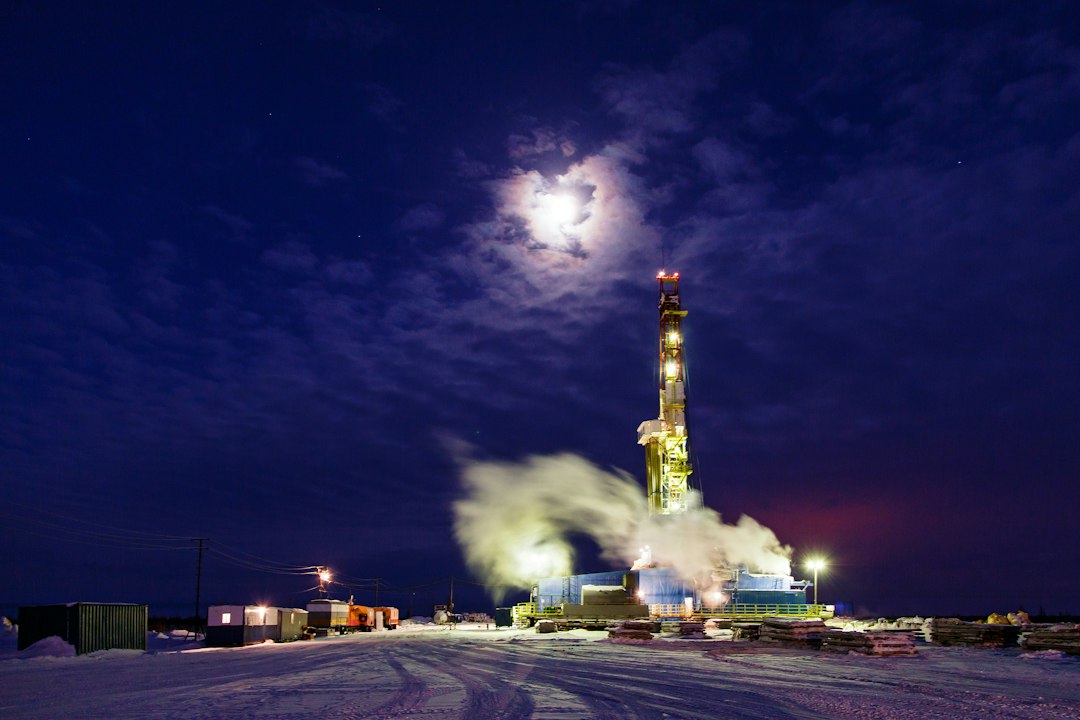
The Earth, a planet teeming with life and veiled in a constant cycle of geological activity, has long held its deepest secrets locked away, far beyond humanity’s easy reach. For centuries, scientists have gazed at volcanoes, studied earthquake patterns, and analyzed the composition of rocks, all while knowing that the true genesis of our planet’s dynamism lay beneath the surface, largely inaccessible. This era of educated guesswork and indirect observation is rapidly giving way to a new frontier: unprecedented scientific drilling. Through ingenious engineering and a relentless pursuit of knowledge, researchers are now pushing the boundaries of what is possible, venturing into the Earth’s crust and upper mantle with an ambition to unravel fundamental questions about our planet’s formation, its internal workings, and the very origins of life.
The desire to understand the Earth’s interior is not a new phenomenon. Early geologists, armed with little more than observational tools and theoretical models, envisioned a molten core and a solid mantle, a picture that would gradually be refined over centuries. The advent of seismology in the early 20th century provided the first tantalizing glimpses, revealing the presence of distinct layers and their varying densities through the analysis of earthquake waves. Yet, these were indirect observations, akin to understanding a complex machine by listening to its hums and vibrations from afar. The limitations of this approach were clear: to truly grasp the processes shaping our planet, direct sampling and in-situ measurements were indispensable.
Early Forays and Technological Hurdles
The initial attempts at deep drilling were, by today’s standards, rudimentary. The Kola Superdeep Borehole in Russia, initiated in 1970, stands as a monumental achievement, reaching a depth of over 12 kilometers. This project, born out of Cold War ambitions and a desire to prove Soviet technological prowess, was a groundbreaking endeavor. However, it was fraught with immense challenges. The extreme temperatures and pressures encountered at such depths pushed the limits of drilling technology, leading to equipment failures, slow progress, and an incomplete picture of the deeper layers. Despite these difficulties, the Kola borehole yielded invaluable data, including the discovery of complex microbial life thriving in conditions previously thought to be sterile, and the revelation that seismic layering did not perfectly align with theoretical models. These early successes, while hard-won, illuminated the vast potential of deep drilling and underscored the need for more advanced technologies.
The Evolution of Drilling Technology
The past few decades have witnessed an exponential leap in drilling technology, fueled by innovation in materials science, computer engineering, and robotics. Today’s scientific drilling vessels are sophisticated mobile laboratories, equipped with dynamically positioned thrusters to maintain their position over drill sites, often in challenging oceanic environments. The drill bits themselves have become marvels of engineering, capable of withstanding immense heat and pressure, while advanced sensor arrays are deployed downhole to collect real-time data on temperature, pressure, seismic activity, and fluid chemistry. The development of specialized drilling fluids, capable of lubricating the drill string and preventing borehole collapse under extreme conditions, has also been critical. Furthermore, the ability to retrieve pristine core samples, preserved under pressure and temperature that mimic their natural environment, allows for detailed analysis of rock formations, fluid inclusions, and even ancient biomolecules.
The deepest scientific drilling project in history, known as the International Ocean Discovery Program (IODP), has provided invaluable insights into Earth’s geological history and climate change. For a more in-depth exploration of this groundbreaking initiative and its implications for our understanding of the planet, you can read the related article at Freaky Science.
Unveiling Earth’s Hidden Layers
The primary objective of scientific drilling is to gain direct access to the Earth’s lithosphere and, in some cases, the uppermost mantle. This allows scientists to move beyond theoretical constructs and collect tangible evidence that can validate or revise our understanding of geological processes. The composition, structure, and dynamics of these deep layers are crucial for understanding everything from plate tectonics and volcanism to the generation of natural resources and the planet’s long-term evolution.
The Oceanic Crust: A Window into Plate Tectonics
The vast majority of Earth’s surface is covered by oceans, and beneath them lies the oceanic crust, a dynamic and constantly renewing layer. Scientific drilling platforms, such as the research vessel JOIDES Resolution, operated by the International Ocean Discovery Program (IODP), have made significant inroads into exploring this submerged realm. By drilling into the seafloor, scientists are able to retrieve sediment cores and rock samples that provide a chronological record of Earth’s history, including past climate changes, oceanic circulation patterns, and the frequency and intensity of seismic events.
Reconstructing Past Climates
The sedimentary layers drilled from the ocean floor act as a vast archive of past environmental conditions. Microscopic fossils of marine organisms, trapped within these sediments, offer clues about ocean temperatures, salinity, and nutrient levels. The chemical composition of the sediments themselves can also reveal information about atmospheric composition and terrestrial weathering processes. By analyzing these archives, scientists can reconstruct paleoclimates with remarkable precision, providing invaluable context for understanding current climate change and predicting future scenarios.
Understanding Seafloor Spreading and Subduction
Oceanic crust is continuously generated at mid-ocean ridges through seafloor spreading, and old oceanic crust is recycled back into the mantle at subduction zones. Drilling at these critical boundaries allows scientists to directly sample the newly formed crust and the rocks involved in subduction processes. This research helps to refine models of plate tectonics, understand the mechanics of earthquakes at subduction zones, and investigate the fate of subducted materials as they descend into the mantle.
The Continental Crust: Unlocking Ore Formation and Seismicity
While the oceanic crust is thinner and more dynamic, the continental crust is thicker, older, and more complex. Drilling into continental settings presents its own set of challenges, including higher elevations, more varied geological structures, and often greater depths to reach target formations. However, the rewards are equally significant, offering insights into the formation of mineral resources, the processes driving continental earthquakes, and the history of mountain building.
Investigating Ore Genesis
Many of the world’s most valuable mineral deposits are found within the continental crust. Scientific drilling projects are crucial for understanding the geological processes that lead to the concentration of metals like gold, copper, and rare earth elements. By drilling into known ore bodies and their surrounding geological environments, researchers can collect samples that reveal the pathways of mineral-rich fluids, the temperature and pressure conditions under which ores form, and the role of tectonic activity in their emplacement. This knowledge not only advances fundamental geological understanding but also has direct implications for resource exploration and sustainable mining practices.
Probing Seismic Hazards
Continental regions are prone to significant earthquakes, and understanding the fault systems and stress regimes that govern seismicity is paramount for hazard assessment and mitigation. Scientific drilling into active fault zones provides an unprecedented opportunity to collect data on the physical properties of faults, the distribution of pore fluids, and the stress state of the crust. These data are vital for developing more accurate earthquake prediction models and designing more resilient infrastructure.
The Quest for Earth’s Origin and Evolution
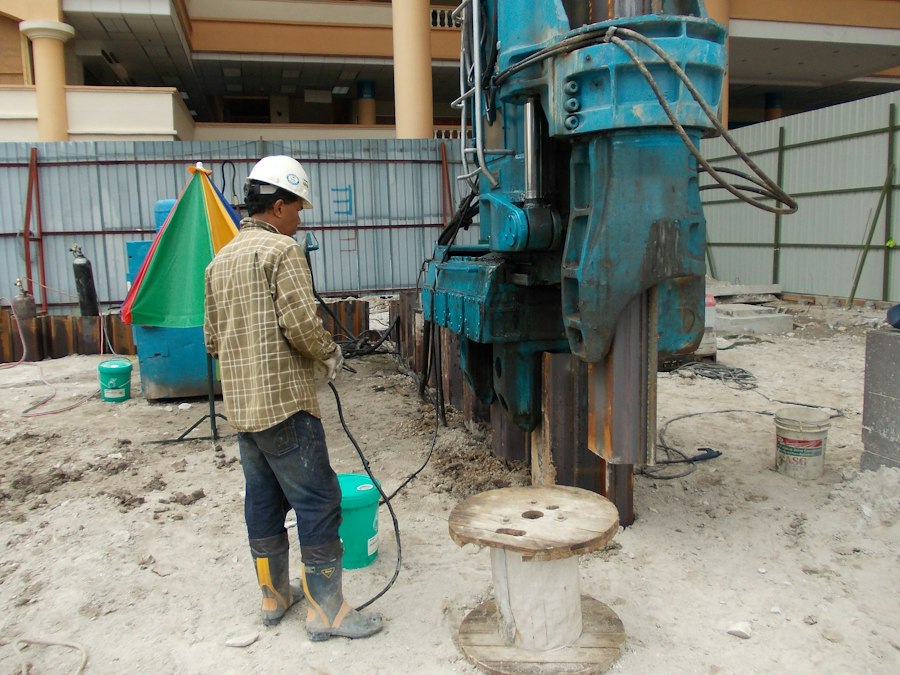
Beyond simply understanding the current state of the Earth, scientific drilling aims to delve into its deep past, seeking answers to fundamental questions about its formation, the evolution of its interior, and the very origins of life itself. By retrieving ancient rock and sediment samples, scientists can reconstruct the planet’s history from its earliest stages.
The deepest scientific drilling project in history, known as the International Ocean Discovery Program (IODP), aims to unlock the mysteries of Earth’s geological past by drilling into the ocean floor. This ambitious endeavor not only seeks to understand climate change and tectonic activity but also provides insights into the origins of life on our planet. For those interested in exploring more about groundbreaking scientific projects, you can read a related article on this topic at Freaky Science, which delves into the implications and discoveries stemming from such deep-sea explorations.
Reconstructing Earth’s Formation and Early History
The earliest history of our planet is largely obscured by billions of years of geological activity. However, by drilling into ancient cratons – the stable, ancient cores of continents – and analyzing meteorites, scientists can glean insights into the conditions of Earth’s formation. The chemical and isotopic signatures preserved in these samples can reveal information about the composition of the primordial solar nebula, the processes of planetary accretion, and the early differentiation of Earth’s core, mantle, and crust.
The Role of Volatiles in Planetary Evolution
Volatiles, such as water and carbon dioxide, played a crucial role in the formation and evolution of Earth. Drilling projects are investigating the reservoirs of these volatiles within the Earth’s mantle and crust, and how they are transported through geological processes. Understanding the cycling of volatiles is essential for comprehending the long-term habitability of our planet, the dynamics of plate tectonics, and the genesis of magmas that erupt as volcanoes.
The Search for Extraterrestrial Life and Early Biospheres
Perhaps one of the most profound implications of deep Earth exploration is the potential to find evidence of life beyond Earth, or to understand the origins of life on our own planet. The discovery of microbial life in extreme environments, such as deep-sea hydrothermal vents and sub-seafloor sediments, has revolutionized our understanding of the limits of life and the potential for life to exist in extraterrestrial settings.
Life in Extreme Environments: The Subsurface Biosphere
The realization that life can thrive in conditions of complete darkness, immense pressure, and limited nutrient availability, deep within the Earth’s crust, has opened up a new field of astrobiological research. Scientific drilling projects are actively exploring this “subsurface biosphere,” collecting samples of ancient microbes that have been metabolically active for millions of years. Studying these organisms provides insights into the fundamental biochemistry of life and its ability to adapt to diverse and challenging environments.
Implications for Life on Other Planets
The discovery of life in Earth’s deep subsurface has profound implications for the search for extraterrestrial life. Planets and moons in our solar system that were once thought to be sterile, such as Mars and the icy moons of Jupiter and Saturn, may harbor subsurface oceans or aquifers where similar life forms could exist. Scientific drilling into these extraterrestrial bodies, or the study of terrestrial analogues, are crucial steps in this ongoing quest.
Challenges and Future Directions in Deep Earth Drilling
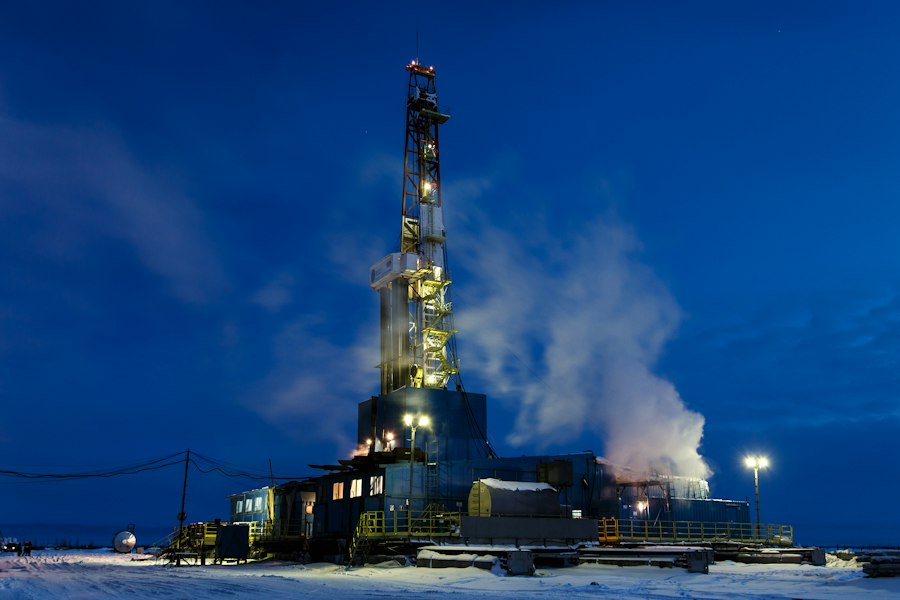
Despite the remarkable progress made, deep Earth scientific drilling remains a technically demanding and resource-intensive undertaking. The inherent challenges of working in extreme environments necessitate continuous innovation and collaboration on a global scale.
Overcoming Technological Barriers
The relentless pursuit of greater depths and more precise sampling requires ongoing advancements in drilling technology. This includes developing more heat-resistant drill bits and drilling fluids, improving downhole sensor capabilities for real-time data acquisition, and enhancing the ability to retrieve intact core samples from increasingly challenging geological formations. The development of autonomous drilling systems and advanced robotics will also play a crucial role in expanding the reach and efficiency of scientific drilling.
The Importance of International Collaboration
The scale and complexity of deep Earth scientific drilling projects necessitate significant financial investment and expertise. International collaboration, through programs like IODP, is therefore essential for pooling resources, sharing knowledge, and achieving common scientific goals. Such collaborations foster a global community of researchers dedicated to unraveling the mysteries of our planet.
The Promise of New Frontier Projects
Looking ahead, several ambitious projects are on the horizon, promising to push the boundaries of scientific drilling even further. These include endeavors to reach the Mohorovičić discontinuity (Moho), the boundary between the Earth’s crust and mantle, and even to sample the upper mantle directly. Such projects would provide unprecedented insights into the fundamental processes that drive plate tectonics and shape the planet’s surface.
Drilling the Mantle: The Ultimate Frontier
Reaching the Earth’s mantle represents the ultimate frontier in scientific drilling. The sheer depth and extreme conditions present immense technological hurdles. However, the potential scientific rewards are immense, offering direct access to the material that drives much of Earth’s geological activity, including volcanism and plate motion. The insights gained from such an endeavor would revolutionize our understanding of planetary evolution and dynamics.
The ongoing advancements in scientific drilling represent a pivotal moment in our exploration of Earth. By venturing into its deepest realms, humanity is not only expanding its scientific knowledge but also gaining a profound appreciation for the dynamic and intricate processes that have shaped our planet and continue to influence our future. The quest to understand Earth’s depths is a testament to human curiosity, ingenuity, and the enduring desire to unravel the profound mysteries of the world beneath our feet.
We Drilled 12 KM Into Earth—Then the Rock Started Bending
FAQs
What is the deepest scientific drilling project in history?
The deepest scientific drilling project in history is the Kola Superdeep Borehole, located in Russia. It reached a depth of 12,262 meters (40,230 feet) in 1989.
When was the Kola Superdeep Borehole project initiated?
The Kola Superdeep Borehole project was initiated in 1970 by the Soviet Union with the goal of drilling as deep as possible into the Earth’s crust.
What was the purpose of the Kola Superdeep Borehole project?
The main purpose of the Kola Superdeep Borehole project was to study the Earth’s crust, specifically its composition, temperature, and structure at great depths.
What were some of the scientific discoveries made during the Kola Superdeep Borehole project?
During the Kola Superdeep Borehole project, scientists discovered that the Earth’s crust is much hotter at greater depths than previously thought. They also found microscopic fossils at depths of over 6 kilometers.
Why was the Kola Superdeep Borehole project eventually abandoned?
The Kola Superdeep Borehole project was eventually abandoned in 1992 due to a lack of funding and technical difficulties in drilling beyond the depth of 12,262 meters.