
Zealandia, a vast and largely unexplored continent submerged beneath the Pacific Ocean, holds significant untapped potential for the extraction of critical minerals. As global demand for these resources intensifies, driven by the transition to a green economy and advancements in technology, understanding and potentially harnessing Zealandia’s deep-sea mineral wealth becomes a matter of increasing geopolitical and economic interest. This article delves into the complexities, opportunities, and challenges associated with unlocking Zealandia’s deep-sea mining potential for critical minerals.
Zealandia, often dubbed the “eighth continent,” is a microcontinent that largely lies submerged, with only its higher elevations forming the landmasses of New Zealand and its surrounding islands. Geologically, it is a distinct continental fragment, much larger than New Zealand itself, and its seafloor is characterized by diverse geological formations, including underwater mountain ranges, plateaus, and deep ocean basins. These varied environments are the crucible where mineral deposits form over geological timescales.
The Geological Formation of Zealandia’s Mineral Resources
The formation of Zealandia’s seabed has been a complex dance of tectonic forces, volcanic activity, and marine deposition. Over millions of years, the movement of tectonic plates has contributed to the creation of underwater volcanoes and hydrothermal vents, which are crucial for the concentration of certain minerals.
Hydrothermal Vents: Nature’s Mineral Factories
Hydrothermal vents, often termed “black smokers” and “white smokers,” are fissures on the seafloor where superheated, mineral-rich water erupts from the Earth’s crust. These vents are akin to natural alchemical furnaces, dissolving metals from the surrounding rocks and then precipitating them as solid mineral deposits as the hot fluids mix with the cold ocean water. The concentration of metals such as copper, gold, silver, zinc, and lead around these vents can be exceptionally high, forming polymetallic sulfides.
Seamounts and Guyots: Underwater Plateaus of Riches
Seamounts are underwater mountains, while guyots are flat-topped seamounts that were once above sea level and have since subsided. Volcanic activity is responsible for their formation, and as they are weathered and eroded over millennia, they can host significant deposits of ferromanganese crusts and nodules.
Ferromanganese Crusts: A Multi-Mineral Treasure Trove
Ferromanganese crusts are hard, dense layers of mixed iron and manganese oxides that form on the surface of rocks, often on seamounts and underwater plateaus. These crusts grow very slowly, accumulating minerals from seawater over millions of years. Crucially, they are rich in a diverse array of critical minerals, including cobalt, nickel, manganese, platinum, rare earth elements (REEs), and molybdenum. Cobalt, in particular, is a key component in batteries for electric vehicles and renewable energy storage.
Polymetallic Nodules: Scattered Jewels of the Deep
Polymetallic nodules are potato-shaped concretions that lie on the abyssal plains, the vast, flat expanses of the deep ocean floor. Like ferromanganese crusts, they form through the slow accretion of minerals from the surrounding seawater, primarily iron and manganese oxides. However, they also incorporate significant concentrations of nickel, copper, cobalt, and other strategically important metals. Their widespread distribution on the seafloor makes them a potential target for large-scale mining operations.
The Critical Minerals Landscape
Critical minerals are elements that are essential for modern economies and technologies, and whose supply chains are vulnerable to disruption. These include metals vital for renewable energy technologies, advanced electronics, defense systems, and healthcare.
Key Critical Minerals Found in Zealandia’s Deposits
Zealandia’s deep-sea mineral deposits are particularly noteworthy for their potential to yield several critical minerals that are currently dominated by a limited number of exporting countries, creating supply chain risks. These include:
- Cobalt: Essential for high-performance batteries used in electric vehicles and portable electronics.
- Nickel: A key component in stainless steel and lithium-ion batteries.
- Copper: A fundamental metal for electrical conductivity, used in everything from wiring to renewable energy infrastructure.
- Rare Earth Elements (REEs): Indispensable for magnets in wind turbines, electric vehicle motors, and advanced electronics.
- Manganese: A crucial element in steel production and battery cathodes.
- Platinum Group Metals (PGMs): Including platinum and palladium, vital for catalytic converters, fuel cells, and electronic components.
Geopolitical Significance of Critical Mineral Supply
The concentration of critical mineral extraction and processing in a few nations creates geopolitical vulnerabilities. Disruptions, whether due to political instability, trade disputes, or resource nationalism, can have far-reaching economic consequences. Securing diverse and reliable sources of these minerals is therefore a strategic imperative for many developed nations.
Deep sea mining in Zealandia has garnered significant attention due to its potential for extracting critical minerals essential for modern technology. An insightful article that explores the implications and challenges of this emerging industry can be found at Freaky Science. This piece delves into the environmental concerns, regulatory frameworks, and the future of mineral extraction in one of the world’s least explored regions, highlighting the balance between resource demand and ecological preservation.
The Promise of Deep-Sea Mining in Zealandia
The prospect of mining these deep-sea deposits in Zealandia offers a potential solution to some of the most pressing supply chain challenges for critical minerals. The scale of some of these deposits, particularly polymetallic nodules on the abyssal plains, is thought to be vast enough to meet global demand for certain metals for decades to come.
Resource Estimates and Potential Yield
While precise estimates are still being refined, preliminary surveys and scientific studies suggest that the potential resource base for critical minerals within Zealandia’s exclusive economic zone and the adjacent international waters is substantial. For instance, some estimates indicate that the Clarion-Clipperton Zone (CCZ) in the Pacific, which shares geological similarities with potential areas around Zealandia, could contain enough cobalt to meet global demand for many years.
Polymetallic Nodules: A Seabed Motherlode
The sheer abundance of polymetallic nodules on the abyssal plains presents a compelling economic case. These nodules, scattered across millions of square kilometers, contain concentrations of nickel and copper that rival those found in many land-based mines. The added presence of cobalt and manganese makes them an attractive multi-metal resource.
Ferromanganese Crusts: High-Value, High-Concentration Targets
The ferromanganese crusts, while more geographically constrained, offer higher concentrations of certain critical metals, particularly cobalt and REEs. Their formation on the flanks of seamounts means that targeted extraction, rather than large-scale dredging, might be more applicable.
Contributing to Global Supply Chain Diversification
Unlocking Zealandia’s deep-sea mining potential could be a significant step towards diversifying global supply chains for critical minerals. For nations like New Zealand, it could represent an opportunity to develop a sovereign source of these essential resources.
Reducing Reliance on Existing Suppliers
A successful deep-sea mining industry in Zealandia could reduce the reliance of many countries on a handful of dominant suppliers, thereby enhancing supply chain resilience and mitigating the risks of price volatility and export restrictions.
Facilitating the Green Transition
The availability of critical minerals is a bottleneck for the widespread adoption of renewable energy technologies, such as wind turbines and solar panels, as well as for the production of electric vehicles. Deep-sea mining could provide the necessary raw materials to accelerate this transition.
Challenges and Environmental Considerations
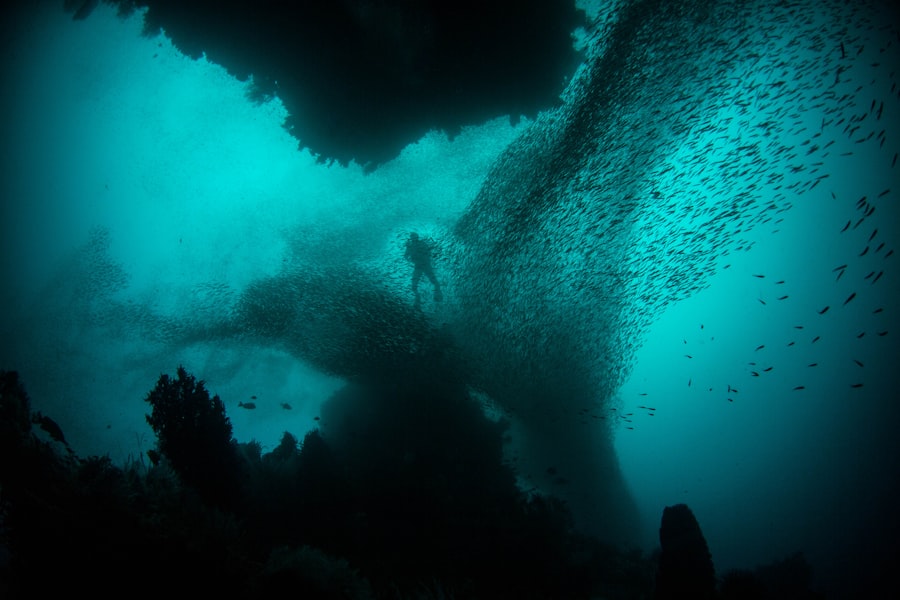
Despite the enticing mineral potential, the path to unlocking Zealandia’s deep-sea mining resources is fraught with significant challenges, foremost among them being the profound environmental implications. The deep ocean is a delicate and poorly understood ecosystem, and any industrial-scale intervention carries inherent risks.
Environmental Impacts of Deep-Sea Mining
The process of extracting minerals from the seabed, whether through nodule collection, crust scraping, or vent mining, has the potential to cause widespread and long-lasting damage to deep-sea environments.
Habitat Destruction and Sediment Plumes
The physical disturbance of the seafloor during mining operations will inevitably lead to habitat destruction. Machines may scrape or dredge the seabed, removing the existing environment and its inhabitants. Furthermore, the resuspension of sediments, creating vast plumes that can travel great distances, poses a significant threat. These plumes can smother benthic communities, impair filter-feeding organisms, and alter water chemistry.
Benthic Ecosystems: Fragile and Slow to Recover
The communities living on the deep-sea floor, known as benthic ecosystems, are often characterized by slow growth rates, long lifespans, and low reproductive rates. These organisms are highly adapted to stable deep-sea conditions. The physical disturbance and sedimentation caused by mining can be devastating, and the recovery of these ecosystems, if it occurs at all, could take centuries or millennia.
Pelagic Ecosystems: The Unforeseen Ripples
Sediment plumes can also extend into the mid-water (pelagic) zones, affecting organisms that drift or swim in the water column. This can include plankton, fish larvae, and even larger marine animals. The long-term consequences of these widespread impacts on pelagic food webs are not well understood.
Noise and Light Pollution
The operation of mining vessels, remotely operated vehicles (ROVs), and processing equipment will introduce unprecedented levels of anthropogenic noise and light into the normally dark and quiet deep-sea environment. Many deep-sea creatures rely on sound for communication, navigation, and foraging. Disrupting these sensory pathways can have profound effects on their behavior and survival.
Biodiversity Loss and Endemism
Many deep-sea environments are characterized by high levels of endemism, meaning that species are found nowhere else on Earth. The destruction of these unique habitats would lead to irreversible biodiversity loss, extinguishing species before they are even discovered or studied.
Scientific Understanding: A Knowledge Deficit
Our understanding of deep-sea ecosystems is still remarkably limited. While scientific exploration is advancing, we are still in the early stages of cataloging the biodiversity, understanding the ecological processes, and assessing the resilience of these environments. This knowledge gap makes it incredibly difficult to predict the full scope of environmental impacts from deep-sea mining.
Baseline Data: The Crucial Starting Point
Before any mining activities commence, comprehensive baseline data on the existing environment must be collected. This includes cataloging species, understanding food webs, mapping habitats, and assessing ecosystem functions. Without this baseline, it is impossible to accurately measure the effects of mining.
Cumulative Impacts: The Sum of Many Small Changes
The potential for cumulative impacts from multiple mining operations, or from a combination of mining and other human activities, is a significant concern. The long-term consequences of these combined stressors are largely unknown.
Technological Hurdles and Economic Viability
Beyond the environmental concerns, there are significant technological and economic hurdles to overcome. Deep-sea mining is an extremely complex and expensive undertaking, requiring novel technologies for extraction, transportation, and processing at great depths.
Extraction Technologies: Designing for the Abyss
Developing robust and efficient machinery capable of operating in the harsh conditions of the deep ocean – high pressure, low temperatures, corrosive seawater, and extreme darkness – is a monumental engineering challenge. Current technologies are still in their nascent stages, and scaling them up for commercial operations presents further difficulties.
Transportation and Processing: A Complex Logistics Chain
Once minerals are extracted from the seafloor, they must be transported to shore for processing. This involves complex logistics chains, including dewatering, lifting, and refining. The energy intensity and potential for spills associated with these operations are also points of concern.
High Capital Costs and Uncertain Returns
The capital investment required for deep-sea mining operations is enormous. The uncertain economic viability, coupled with the long lead times for development and the potential for unforeseen operational challenges, makes it a high-risk, high-reward venture.
Regulatory Frameworks and Governance
The governance of deep-sea mining operations, particularly in international waters, is a complex and evolving area. International bodies, such as the International Seabed Authority (ISA), are tasked with regulating activities in the seabed beyond national jurisdiction, but the framework is still under development.
The Role of the International Seabed Authority (ISA)
The ISA, established under the United Nations Convention on the Law of the Sea (UNCLOS), is responsible for organizing, regulating, and controlling all mineral-related activities in the international seabed area beyond national jurisdiction. It has the power to grant exploration and exploitation contracts.
Developing the Mining Code
The ISA is currently in the process of developing a comprehensive legal and regulatory framework, often referred to as the “Mining Code,” which will govern the environmental, social, and economic aspects of deep-sea mining. This process involves extensive consultation and negotiation among member states, industry, and civil society.
Balancing Economic Interests with Environmental Protection
A central challenge for the ISA is to strike a delicate balance between enabling the exploitation of mineral resources and ensuring the effective protection of the marine environment. This requires robust environmental impact assessment procedures, stringent operational standards, and effective compliance and monitoring mechanisms.
Environmental Impact Assessments (EIAs)
Under the ISA’s framework, contractors are required to conduct detailed Environmental Impact Assessments (EIAs) to evaluate the potential environmental consequences of their proposed mining activities. These EIAs are crucial for informing decision-making and for developing appropriate mitigation measures.
National Jurisdiction and Exclusive Economic Zones (EEZs)
For mineral resources within national exclusive economic zones (EEZs), like those surrounding New Zealand, national governments are responsible for setting the regulatory framework and issuing licenses for exploration and exploitation.
New Zealand’s Approach to Deep-Sea Mining
New Zealand has established a regulatory system for offshore mining, which includes requirements for environmental impact assessments, public consultation, and the consideration of cultural and social values. However, the debate surrounding deep-sea mining in New Zealand’s waters is ongoing, with strong advocacy from both proponents and opponents.
Precautionary Principle in Practice
Many argue that New Zealand should adopt a highly precautionary approach, given the limited understanding of the deep-sea environment and the potential for irreversible damage. This would involve stringent requirements for scientific research and robust evidence demonstrating that any mining activity would not cause significant harm.
Indigenous Rights and Consultation
In New Zealand, any consideration of deep-sea mining must involve meaningful consultation with Māori, the indigenous people of New Zealand, who hold deep cultural and spiritual connections to the ocean and its resources. Their kaitiakitanga (guardianship) principles are central to any decision-making process.
International Cooperation and Transparency
Given the transboundary nature of the deep ocean and the global demand for critical minerals, international cooperation and transparency are essential for responsible governance.
Data Sharing and Scientific Collaboration
Sharing scientific data and fostering international collaboration on research are critical for improving our understanding of deep-sea ecosystems and the potential impacts of mining.
Public Engagement and Stakeholder Participation
Ensuring public engagement and the participation of all relevant stakeholders, including scientists, environmental groups, industry, and local communities, is vital for building trust and ensuring that decisions are made in a democratic and informed manner.
Deep sea mining in Zealandia is gaining attention due to its potential for extracting critical minerals essential for modern technology. As countries look to secure resources for renewable energy and advanced electronics, the underwater landscapes of Zealandia present both opportunities and challenges. For a deeper understanding of the implications and developments in this field, you can explore a related article that discusses the environmental and economic aspects of deep sea mining. This insightful piece can be found here.
The Future of Deep-Sea Mining in Zealandia
| Metric | Value | Unit | Notes |
|---|---|---|---|
| Estimated Critical Mineral Reserves | 1.2 million | tons | Includes cobalt, nickel, and rare earth elements |
| Depth of Mining Sites | 1500 – 3000 | meters | Located in the Zealandia submerged continent region |
| Primary Minerals Targeted | Cobalt, Nickel, Copper, Rare Earth Elements | N/A | Essential for battery and electronics industries |
| Environmental Impact Assessment Status | Ongoing | N/A | Studies on biodiversity and ecosystem effects underway |
| Projected Annual Extraction Volume | 50,000 | tons/year | Based on current exploration data |
| Regulatory Framework | Under Development | N/A | New Zealand government and international bodies involved |
| Potential Economic Impact | High | N/A | Supports green technology supply chains |
The future of deep-sea mining in Zealandia is not yet written. It is a complex equation with significant scientific, environmental, economic, and ethical variables. While the allure of critical minerals is strong, the imperative to safeguard the largely unknown deep-sea environment must be paramount.
Advancements in Technology and Research
Continued investment in cutting-edge research and technological innovation will be crucial in shaping the future of deep-sea mining.
Robotic Exploration and Monitoring
The development of advanced robotic systems for exploration, monitoring, and even some forms of low-impact data collection could provide invaluable insights into deep-sea ecosystems without causing significant disruption. These tools can act as our eyes and ears in the abyss, gathering information to inform better decisions.
Sustainable Extraction Techniques
Research into more sustainable and less impactful extraction methods is ongoing. This could include technologies that minimize seafloor disturbance, reduce sediment plumes, and selectively target mineral deposits, akin to a skilled surgeon rather than a bulldozer.
Developing Alternatives and Circular Economy Models
Simultaneously, efforts must intensify in developing alternatives to virgin mineral extraction. This includes exploring advanced recycling technologies for existing metals and promoting circular economy models that prioritize reuse and remanufacturing.
The Precautionary Principle: A Guiding Light
The application of the precautionary principle will be a critical determinant of whether deep-sea mining proceeds in Zealandia. This principle, which suggests that if an action or policy has a suspected risk of causing harm to the public or to the environment, in the absence of scientific consensus that harm would not ensue, the burden of proof falls on those taking an action to demonstrate that it is not harmful, is particularly relevant here, given our limited understanding of the deep sea.
“Do No Harm” as an Aspiration
Before any large-scale exploitation is considered, there must be a robust demonstration that deep-sea mining can proceed without causing significant or irreversible harm to the marine environment. This is a high bar to meet, and one that current scientific understanding may not yet be able to clear.
The Role of New Zealand and the International Community
New Zealand, as a custodian of a portion of Zealandia’s submerged continent, has a unique responsibility in this debate. Its decisions regarding deep-sea mining within its EEZ will have significant implications, potentially setting precedents for other nations and for the broader international community.
A Beacon of Responsible Stewardship
New Zealand has the potential to be a beacon of responsible stewardship, prioritizing scientific understanding and environmental protection over immediate economic gains. This could involve a moratorium on deep-sea mining until sufficient scientific knowledge is acquired and robust environmental safeguards are in place.
International Collaboration for a Shared Ocean
The international community must also work collaboratively to ensure that any deep-sea mining activities, whether within national waters or in international areas, are conducted sustainably and transparently. This requires robust multilateral agreements, rigorous oversight, and a commitment to protecting the global ocean commons for future generations.
Conclusion: A Crossroads of Opportunity and Responsibility
Zealandia’s deep-sea mineral potential represents a compelling opportunity to secure vital resources for a growing global economy and a rapidly transitioning green future. However, this potential is intricately linked with a profound responsibility to protect the largely unexplored and intrinsically fragile deep-sea ecosystems. The unlocking of this potential is not a predetermined destiny but a choice that will be shaped by advancements in science, technological innovation, robust governance, and a collective commitment to safeguarding one of Earth’s last great frontiers. The path forward requires careful deliberation, a dedication to precautionary principles, and a global dialogue to ensure that any mining activities serve both human needs and the enduring health of our planet’s oceans.

WARNING: The 8th Continent Is Moving
FAQs
What is deep sea mining and why is it important?
Deep sea mining involves extracting minerals and metals from the ocean floor, often at depths of several thousand meters. It is important because it provides access to critical minerals such as cobalt, nickel, copper, and rare earth elements, which are essential for modern technologies including batteries, electronics, and renewable energy systems.
What are critical minerals and why are they significant for Zealandia?
Critical minerals are natural resources that are vital for economic and national security but have supply risks. Zealandia, a submerged continental fragment near New Zealand, is believed to have rich deposits of these minerals on its seafloor, making it a potential key source for supplying critical minerals needed for technological and green energy advancements.
Where is Zealandia and what makes it unique for deep sea mining?
Zealandia is a largely submerged continental mass located in the southwest Pacific Ocean, encompassing New Zealand and surrounding areas. Its uniqueness lies in its extensive mineral-rich seabed, which includes polymetallic nodules and sulfide deposits containing valuable critical minerals, making it a promising site for deep sea mining exploration.
What are the environmental concerns associated with deep sea mining in Zealandia?
Environmental concerns include potential disruption of fragile deep sea ecosystems, sediment plumes that can affect marine life, loss of biodiversity, and unknown long-term impacts on ocean health. Because Zealandia’s deep sea environment is relatively unexplored, there is uncertainty about the full ecological consequences of mining activities.
What regulations govern deep sea mining activities around Zealandia?
Deep sea mining activities in the region are regulated by international bodies such as the International Seabed Authority (ISA) and national governments like New Zealand. These regulations aim to ensure responsible exploration and mining practices, environmental protection, and sustainable use of marine mineral resources, though regulatory frameworks are still evolving as the industry develops.