
The vast, inscrutable blue of Earth’s oceans holds a universe of life, and within its depths, a remarkable symphony plays out – the intricate and often mysterious world of marine mammal communication. For millennia, humans have gazed at the surface, entranced by the spouting whales, the playful dolphins, and the sleek seals. Yet, the true nature of their conversations, their social structures, and their understanding of the world has remained largely hidden beneath the waves, a secret whispered in clicks, whistles, and songs. Unlocking these secrets is not merely an academic pursuit; it is a quest to understand the very essence of intelligence and connection in non-human beings, to decipher a language spoken in a medium fundamentally different from our own, and to gain invaluable insights into the health and future of our planet’s oceans.
Marine mammals employ an astonishingly diverse array of sounds to navigate their aquatic realm, maintain social bonds, and signal their intentions. These vocalizations, ranging from the haunting melodies of baleen whales to the rapid-fire clicks of odontocetes, form the bedrock of their communication systems. Scientists are constantly striving to decode the nuances of these sounds, recognizing that each chirp, growl, and squeak carries meaning.
Cetacean Sonar: A World Built on Sound
The toothed whales, or odontocetes, are renowned for their sophisticated use of echolocation. This biological sonar system allows them to “see” their environment with sound, a critical adaptation for hunting and navigating in the often murky depths.
Clicks: The Building Blocks of Echolocation
The primary components of echolocation are high-frequency clicks, emitted in rapid succession. These clicks are produced by the phonic lips in the nasal passages and are focused by the melon, a fatty organ in the forehead. Traveling through the water at the speed of sound, these clicks bounce off objects in the environment – prey, obstacles, the seafloor – and the returning echoes are received by the whale’s lower jaw, which funnels them to the inner ear.
Discrimination and Detail: Interpreting the Echoes
The brain of an odontocete is remarkably adept at processing these complex echoes. It can discern size, shape, texture, distance, and even the internal structure of prey. This allows for precise targeting of fast-moving fish or squid. Researchers have observed variations in click trains, suggesting that different types of information might be encoded. For instance, a rapid burst of clicks might indicate an imminent capture, while a slower, more spread-out sequence could be for general navigation.
Whistles: The Language of Social Interaction
Beyond echolocation, odontocetes also produce a range of tonal whistles, which are believed to be crucial for social communication. These whistles can vary in frequency, duration, and modulation, creating a complex melodic repertoire.
Signature Whistles: Individual Identities in the Ocean
One of the most fascinating discoveries in marine mammal communication is the concept of signature whistles. Certain dolphin species, such as bottlenose dolphins, develop unique whistles that act as individual identifiers, much like human names. These signature whistles are used to call out to specific individuals, maintain contact within a pod, and even to re-establish connections after separation. Studies have shown that dolphins can learn and mimic the signature whistles of others, suggesting a capacity for social learning and recognition.
Social Calls and Emotional States
Beyond signature whistles, a variety of other whistles, squawks, and squeaks are produced during social interactions. These calls are thought to convey information about emotional states, such as excitement, alarm, or aggression. The complexity of these social calls suggests a rich and nuanced social life within dolphin pods, with intricate dynamics of cooperation, competition, and affiliation.
Baleen Whales: The Giants of Song
The baleen whales, with their massive size and their filter-feeding lifestyle, possess a very different communication system, characterized by low-frequency, long-duration calls. These are the whales whose songs have captured the human imagination for centuries.
Whale Song: Melodies of the Deep
Humpback whale song is perhaps the most iconic example of marine mammal vocalization. These complex, structured sequences of moans, groans, and whistles can last for minutes and are sung primarily by males, especially during the breeding season. The purpose of these elaborate songs is still debated, but leading theories suggest roles in attracting mates, establishing dominance, or even as a form of territorial advertisement.
Structure and Evolution of Song
Whale songs are not static; they evolve over time and across different populations. Researchers have observed that melodies can spread geographically, with neighboring whale populations adopting similar song patterns. This suggests a cultural transmission of information, akin to musical trends in human societies. The intricate structure of these songs, with their repeatable phrases and themes, points to a sophisticated cognitive ability.
Other Baleen Whale Vocalizations
While humpback songs are the most well-known, other baleen whales also produce a variety of sounds. Blue whales, the largest animals on Earth, emit incredibly powerful, low-frequency rumbles that can travel for hundreds, if not thousands, of miles. Fin whales produce a complex pattern of pulses and moans, while right whales have a repertoire of calls that include moans, up-calls, and down-calls, used for various social and navigational purposes.
Pinnipeds: From Barks to Roars
The seals, sea lions, and walruses, collectively known as pinnipeds, also utilize a range of vocalizations, often associated with their terrestrial or ice-based haul-out sites. Their communication is often more context-specific, related to territorial defense, mating, and pup recognition.
Sea Lion Social Calls
Sea lions are particularly vocal, with a diverse range of barks, roars, and growls. These sounds are crucial for maintaining social hierarchies, advertising territory, and signaling aggression or courtship. Males often engage in vocal duels to establish dominance on breeding colonies.
Pup Recognition and Maternal Bonds
Pinniped mothers and pups develop strong vocal bonds. Pups often have specific calls that their mothers recognize, and mothers respond with distinctive vocalizations. This acoustic recognition is vital in crowded rookeries where separation could be fatal.
Seal Vocalizations: A More Subtle Language
True seals, while often perceived as quieter, also use vocalizations. Harbor seals, for instance, produce a range of sounds from growls and barks to whistles and clicks, though their repertoire is generally less boisterous than that of sea lions. These sounds are used in social interactions and, in some species, have been linked to territorial displays.
Marine mammal communication is a fascinating area of study that reveals the complex social structures and behaviors of these creatures. For those interested in exploring this topic further, a related article can be found at Freaky Science, which delves into the various methods marine mammals use to communicate with one another, including vocalizations, body language, and even echolocation. Understanding these communication methods not only enhances our knowledge of marine biology but also emphasizes the importance of preserving their natural habitats.
Beyond Sound: Non-Vocal Communication in Marine Mammals
While sound is the dominant mode of communication for many marine mammals, it is not the only one. Visual signals, tactile interactions, and even chemical cues likely play significant roles in their complex social lives, particularly in shallow waters or during close encounters.
Visual Displays: Body Language in the Ocean
The often-transparent nature of water can limit the effectiveness of visual communication over long distances, but in closer proximity, visual cues are undoubtedly important.
Posturing and Body Movement
Dolphins and whales use a variety of body postures and movements to convey meaning. This can include breaching, tail-slapping, flipper-slapping, and different swimming patterns. A powerful tail-slap, for instance, can be used as a warning signal or as a way to flush prey. Synchronized swimming within a pod can indicate cooperation and social cohesion.
Facial Expressions and Pigmentation Changes
While not as pronounced as in primates, some marine mammals exhibit subtle changes in facial expression or body coloration that may convey social information. The deliberate movements of fins, the opening of the mouth, and the direction of gaze can all be interpreted by conspecifics.
Tactile Communication: The Power of Touch
Physical contact is a fundamental aspect of social bonding and interaction for many species, and marine mammals are no exception.
Grooming and Affectionate Touches
Dolphins, for example, engage in frequent tactile interactions, including rubbing, nuzzling, and alloparental care (care provided by individuals other than the parents). These actions serve to reinforce social bonds, reduce stress, and express affection. Mothers and calves often maintain constant physical contact, especially in the early stages of life.
Aggressive Touches and Dominance Displays
Conversely, physical contact can also be used to establish dominance or to signal aggression. Nipping, pushing, and biting can be employed in competitive encounters, particularly during mating or feeding.
Chemical Signals: The Unseen Language
The role of chemical communication, or olfaction, in marine mammals is less understood than vocalizations, but evidence suggests it plays a role, especially in certain species and environments.
Scent Marking and Territory
While less common than in terrestrial mammals, some pinnipeds may use scent marking to delineate territories or signal reproductive status. The release of pheromones could also play a role in attracting mates.
Identification and Social Recognition
It is plausible that some marine mammals can detect and interpret chemical cues released by conspecifics, aiding in individual identification or the assessment of social status. However, the challenges of studying chemical signaling in the vast marine environment make definitive conclusions difficult.
The Significance of Marine Mammal Communication Research

Understanding how marine mammals communicate is not simply an academic exercise; it has profound implications for their conservation and for our broader understanding of animal intelligence and behavior.
Conservation Efforts: Protecting Vocal Species
Effective conservation strategies rely heavily on understanding the needs and behaviors of the species we aim to protect.
Identifying Critical Habitats and Migration Routes
The study of marine mammal vocalizations can reveal important information about their habitats, migration routes, and social structures. By tracking vocalizations, scientists can identify areas of high importance for feeding, breeding, or resting, allowing for the designation of protected zones.
Mitigating the Impact of Anthropogenic Noise
Human activities, such as shipping, seismic surveys, and sonar use, generate considerable underwater noise pollution. This noise can interfere with marine mammal communication, disrupting their ability to navigate, find food, and maintain social bonds. Research into how these animals use sound can inform policies and technologies aimed at reducing acoustic impacts.
Understanding Cetacean and Pinniped Intelligence
The complexity and sophistication of marine mammal communication systems offer compelling insights into their cognitive abilities.
Social Learning and Cultural Transmission
The ability of some marine mammals to learn and transmit vocalizations, such as signature whistles and whale song, indicates a capacity for social learning and cultural transmission, challenging traditional notions of animal intelligence.
Complex Social Structures and Cooperation
The nuanced vocal repertoires and the variety of communication methods employed suggest that marine mammals live in sophisticated social groups with complex hierarchies, cooperative behaviors, and intricate individual relationships.
Insights into Marine Ecosystem Health
The vocalizations of marine mammals can act as indicators of the health of the marine environment.
Detecting Environmental Changes
Changes in vocalization patterns, such as a decrease in call rates or a shift in acoustic habitats, could signal stress caused by environmental degradation, pollution, or changes in prey availability.
Biodiversity and Population Monitoring
The ability to identify and differentiate between species based on their vocalizations allows for non-invasive population monitoring and can help assess biodiversity within marine ecosystems.
Challenges and Future Directions in Marine Mammal Communication
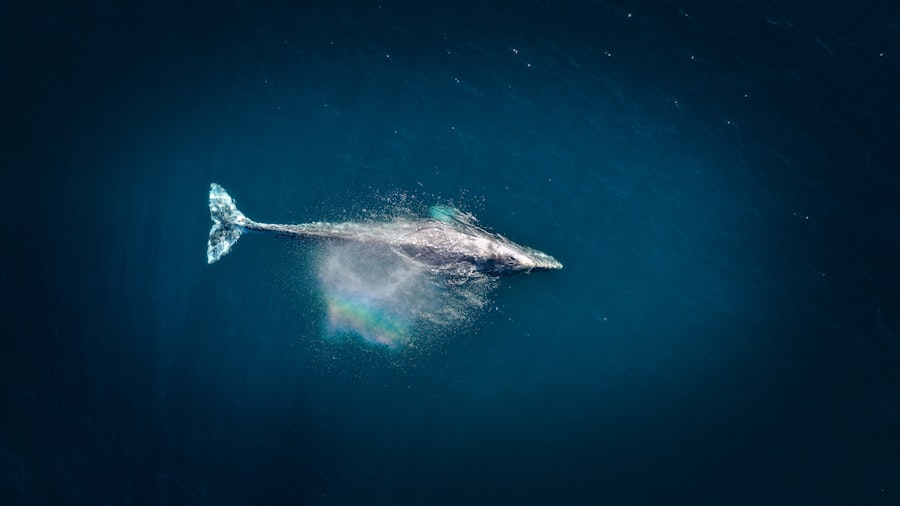
Despite significant advancements, unlocking the full secrets of marine mammal communication remains a formidable challenge. The vastness of the ocean, the dynamic nature of sound transmission, and the inherent difficulty of observing these animals in their natural habitat present significant hurdles.
Technological Innovations: Listening to the Unheard
The development of advanced underwater acoustic monitoring technologies is revolutionizing our ability to study marine mammal communication.
Autonomous Acoustic Recorders and Hydrophones
Deploying networks of autonomous acoustic recorders and sophisticated hydrophones allows for continuous, long-term monitoring of vocal activity across vast ocean areas. These devices can capture a wealth of data, providing insights into species distribution, behavior, and acoustic environments.
Machine Learning and Artificial Intelligence
The sheer volume of acoustic data generated by these recorders necessitates the use of advanced analytical tools. Machine learning algorithms and artificial intelligence are proving invaluable in identifying, classifying, and analyzing the complex patterns within marine mammal vocalizations, accelerating the process of decoding their languages.
Decoding Meaning: From Sounds to Sentences
The ultimate goal is to move beyond simply identifying sounds to understanding their meaning and syntax, essentially deciphering the “sentences” of marine mammal communication.
Bioacoustics and Comparative Linguistics
By combining bioacoustics with principles from comparative linguistics, researchers are attempting to identify recurring patterns, combinatorial rules, and contextual associations within vocal repertoires. This involves correlating specific vocalizations with observed behaviors, social interactions, and environmental conditions.
Playback Experiments and Behavioral Responses
Controlled playback experiments, where recorded vocalizations are played back to animals, can provide crucial insights into how they respond to different sounds. Observing their behavioral reactions to specific calls can help validate hypotheses about their meaning and function.
Understanding the Neurological Basis of Sound Production and Perception
Delving deeper into the neurobiology of marine mammals offers a path to understanding the biological underpinnings of their communication.
Brain Structure and Auditory Processing
Studying the specialized brain structures responsible for sound production and auditory processing in marine mammals can reveal the neurological mechanisms that enable their complex vocal behaviors and sophisticated acoustic perception.
Genetic and Evolutionary Influences
Investigating the genetic basis of vocalization and auditory abilities can shed light on the evolutionary pathways that have shaped these communication systems and the potential for learning and modification.
Recent studies have shed light on the fascinating world of marine mammal communication, revealing complex vocalizations and social interactions among species such as dolphins and whales. For those interested in exploring this topic further, a related article discusses the intricate ways these animals convey messages and emotions through sound. You can read more about it in this insightful piece on marine communication techniques found at Freaky Science. Understanding these communication methods not only enhances our knowledge of marine life but also emphasizes the importance of conserving their habitats.
The Ocean’s Symphony: A Continuous Unfolding
| Species | Communication Method | Frequency Range |
|---|---|---|
| Dolphins | Whistling, clicking, and body language | 0.25-150 kHz |
| Whales | Singing, clicking, and echolocation | 10-31 kHz |
| Seals | Vocalizations and body postures | 1-50 kHz |
The quest to unlock the secrets of marine mammal communication is a testament to human curiosity and our enduring fascination with the natural world. With each new discovery, we peel back another layer of mystery, revealing a world of complex social lives, sophisticated cognition, and a profound connection to their aquatic environment. The symphony of the ocean, once a largely incomprehensible chorus, is gradually becoming clearer, thanks to dedicated researchers and cutting-edge technology. As we continue to listen, to analyze, and to marvel at these underwater dialogues, we gain not only a deeper appreciation for these magnificent creatures but also a renewed sense of responsibility to protect the vibrant, vocal, and vital ecosystems they call home. The secrets of marine mammal communication are not just their own; they are clues to understanding life on Earth and our place within it.

The Secret Ocean Layer That Lets Sound Travel for Thousands of Miles
FAQs
What are marine mammals?
Marine mammals are a diverse group of animals that have adapted to life in the ocean. They include species such as whales, dolphins, seals, sea lions, and manatees.
How do marine mammals communicate?
Marine mammals communicate using a variety of methods, including vocalizations, body language, and even chemical signals. They use these forms of communication to convey information about their location, social status, and to coordinate group activities such as hunting.
What are some examples of marine mammal communication?
Examples of marine mammal communication include the complex songs of humpback whales, the echolocation clicks of dolphins, the vocalizations of seals and sea lions, and the underwater calls of manatees. These forms of communication play a crucial role in the social and ecological lives of marine mammals.
Why is marine mammal communication important?
Marine mammal communication is important for maintaining social bonds, coordinating group activities such as hunting, and navigating the underwater environment. It also plays a crucial role in the survival and reproduction of these animals.
How do human activities impact marine mammal communication?
Human activities such as shipping, industrial noise, and sonar can disrupt marine mammal communication by creating underwater noise pollution. This can interfere with their ability to communicate, navigate, and locate prey, ultimately impacting their survival.