
You often hear about the gut as the “second brain,” a place where digestion happens and perhaps some fuzzy feelings reside. But have you ever considered the intricate world of tiny sensory cells within your gut, acting as your internal antennae, constantly monitoring your inner environment? These remarkable cells, often overlooked in casual conversation, are the unsung heroes of your digestive well-being and beyond. They’re not just passively waiting for food; they’re actively gathering vital information, sending it upwards to your brain, and influencing everything from your mood to your nutrient absorption. It’s time to pull back the curtain and explore the fascinating secrets these gut sensory cells hold.
Imagine your gut as a vast, dark cavern, a place where the magic of nourishment occurs. For centuries, we’ve largely focused on the mechanical and chemical processes happening within this labyrinth. But beneath the surface, a sophisticated communication network is at play, orchestrated by specialized sensory cells. These cells are your earliest and most direct link to the internal chemical landscape of your digestive tract. They are the first responders to the presence of food, the detection of pathogens, and the subtle shifts in the delicate balance of your gut microbiome. Understanding their role isn’t just an academic exercise; it’s about unlocking the keys to a healthier, more vibrant you.
The Gut-Brain Axis: A Two-Way Street
The term “gut-brain axis” is ubiquitous in health and wellness circles, but its fundamental mechanism often remains elusive. At its core, this axis is a robust communication pathway, and your gut sensory cells are the primary conduits. They don’t just “feel” things; they translate chemical signals into electrical impulses that travel along the vagus nerve, a crucial cranial nerve connecting your brainstem to your internal organs. This constant chatter ensures your brain is aware of what’s happening in your gut, and in turn, your brain can send signals back to regulate gut function, influencing everything from motility to the release of digestive enzymes.
Sensing the Symphony of Digestion
When you take a bite of food, an entire orchestra of sensory cells springs into action. These cells are equipped with an astonishing array of receptors, allowing them to detect a vast spectrum of chemical compounds. They can identify the presence of carbohydrates, proteins, fats, and even specific amino acids. This initial detection is critical for preparing your gut for what’s to come.
The Carbohydrate Detectives
Specific sensory cells, like those expressing T1R2/T1R3 sweet receptors, can detect the presence of sugars. This detection triggers the release of hormones like GLP-1 (glucagon-like peptide-1), which plays a vital role in regulating blood sugar levels and promoting feelings of satiety. Other carbohydrate-sensing cells might focus on different saccharide types, ensuring a nuanced response to the diverse carbohydrates you consume.
The Protein Patrol
Amino acid sensing is another crucial function. Cells equipped with receptors for specific amino acids, such as umami receptors (T1R1/T1R3), can signal the presence of proteins. This detection prompts the release of digestive enzymes and hormones that aid in protein breakdown and absorption. The identification of essential amino acids is particularly important, as it influences appetite and nutrient signaling.
Fat Detectors: Unveiling the Oils
The detection of fats is more complex, involving specialized G protein-coupled receptors (GPCRs). These receptors can sense fatty acids and other lipids, triggering the release of cholecystokinin (CCK), a hormone that slows gastric emptying, stimulates bile release, and further contributes to satiety. The ability to accurately sense and respond to fats is paramount for efficient energy extraction and the absorption of fat-soluble vitamins.
Recent research has shed light on the fascinating role of gut sensory cells in regulating digestive processes and overall health. For a deeper understanding of this topic, you can explore the article titled “The Role of Gut Sensory Cells in Digestive Health” on Freaky Science. This article delves into how these specialized cells communicate with the brain and influence our eating behaviors. To read more, visit Freaky Science.
Microbial Messengers: The Gut Microbiome’s Whisper Network
Your gut is not an empty vessel; it’s a bustling ecosystem teeming with trillions of microorganisms – your gut microbiome. These tiny inhabitants are not passive bystanders; they are active participants in your gut’s sensory landscape, producing a remarkable array of metabolites and signaling molecules, many of which are detected by your gut sensory cells.
From Bacteria to Brain: Metabolite Signaling
The gut microbiome ferments dietary fibers, producing short-chain fatty acids (SCFAs) like butyrate, propionate, and acetate. These SCFAs are not just byproducts; they are potent signaling molecules. SCFAs can directly interact with sensory cells, influencing their activity and the signals they send to the brain. For instance, butyrate is a primary energy source for colonocytes and can have anti-inflammatory effects, mediated, in part, through sensory cell activation.
The SCFAs and Their Sensory Allies
Specific sensory cells have evolved to recognize SCFAs. G-protein coupled receptors, like GPR43 and GPR109A, are key players here. Activation of these receptors by SCFAs can lead to the release of gut hormones, influencing appetite, energy metabolism, and even immune responses within the gut. This direct interaction highlights the profound influence of your microbial residents on your physiology.
The Bile Acid Barometer
Bile acids, produced by the liver and crucial for fat digestion, are also extensively metabolized by the gut microbiota. These altered bile acids can then signal to sensory cells, influencing their function and, in turn, affecting host metabolism and even gut inflammation. This creates a dynamic feedback loop between your diet, your microbes, and your sensory cells.
Detecting Danger: The Immune Surveillance System Within
Beyond the detection of nutrients and microbial signals, your gut sensory cells play a critical role in your immune defense. They act as sentinels, alerted to the presence of pathogens, toxins, or any disruption to the gut barrier. This rapid detection is vital for mounting an appropriate immune response and protecting you from harm.
The Alarm Bells: Recognizing Pathogens and Toxins
Specialized sensory cells, particularly enterochromaffin (EC) cells, are equipped with receptors that can detect a range of noxious stimuli. These include inflammatory mediators released by immune cells, bacterial toxins, and even mechanical damage to the gut lining. Upon detection, these cells can release signaling molecules that trigger pain, nausea, vomiting, or diarrhea, all protective reflexes designed to expel the offending agent.
The TRP Channels: Feeling the Heat and the Irritation
Transient Receptor Potential (TRP) channels are a fascinating family of ion channels found on sensory neurons and other cells, including those in the gut. Various TRP channels are activated by different stimuli. For example, TRPV1, often called the “capsaicin receptor,” is activated by heat and certain chemical irritants, contributing to the burning sensation you might feel from spicy foods or inflammatory conditions. TRPA1, another TRP channel, is exquisitely sensitive to electrophilic compounds, which are often found in irritants and inflammatory mediators. Their activation by these signals on gut sensory cells can contribute to pain and inflammation.
The Innate Immune Sensors
Gut sensory cells also express pattern recognition receptors (PRRs) that are part of the innate immune system. These receptors can detect conserved molecular patterns associated with microbes (pathogen-associated molecular patterns or PAMPs) or stressed host cells (damage-associated molecular patterns or DAMPs). This allows them to initiate immune responses by alerting other immune cells and releasing pro-inflammatory mediators.
The Mood Connection: How Gut Signals Shape Your Emotions
The gut-brain axis isn’t just about digestion; it has a profound impact on your mental state. The information flowing from your gut, largely via your sensory cells, significantly influences your mood, stress levels, and even cognitive function. This is why you often “feel it in your gut” when something is wrong, or experience butterflies when nervous.
Serotonin: A Gut Feeling for Happiness
Did you know that a staggering 95% of the body’s serotonin, a key neurotransmitter associated with mood regulation and happiness, is produced in your gut? A significant portion of this serotonin is housed and released by enterochromaffin (EC) cells, a major type of gut sensory cell. When stimulated by food components, microbial products, or inflammatory signals, EC cells release serotonin, which then acts on various targets, including sensory neurons connected to the vagus nerve, and locally within the gut wall. This release can influence gut motility and has been strongly implicated in mood regulation.
The Vagus Nerve Symphony of Serotonin
The serotonin released by EC cells acts locally and also signals to the vagus nerve. The vagus nerve then transmits these signals to the brain, influencing mood centers. Disruptions in EC cell function or serotonin signaling in the gut have been linked to conditions like depression and anxiety.
The Influence on Appetite and Satiety
Besides mood, serotonin also plays a role in regulating appetite and satiety. The signals from gut sensory cells, influenced by serotonin, contribute to feelings of fullness and satisfaction after eating, helping to prevent overeating.
Recent research has shed light on the fascinating role of gut sensory cells in regulating our digestive processes and overall health. These specialized cells are crucial for detecting nutrients and signaling to the brain, influencing our appetite and food choices. For a deeper understanding of this topic, you can explore a related article that discusses the intricate relationship between gut health and sensory perception. Check it out here: related article.
Beyond Digestion: Emerging Roles in Systemic Health
The influence of gut sensory cells extends far beyond the confines of your digestive tract. Emerging research is revealing their involvement in a growing number of systemic conditions, highlighting their importance in maintaining overall health.
The Gut Barrier Guardians
A healthy gut barrier is essential for preventing harmful substances from entering your bloodstream. Gut sensory cells are involved in maintaining the integrity of this barrier. They can detect breaches in the barrier and release signaling molecules that promote tissue repair and reduce inflammation, helping to keep your gut sealed.
Signaling for Tight Junction Integrity
Some gut sensory cells can influence the “tight junctions” between intestinal epithelial cells. These junctions act like a molecular zipper, controlling what passes between cells. By signaling to these epithelial cells, sensory cells can help maintain their integrity, preventing unwanted leakage.
The Inflammatory Cascade Control
When the gut barrier is compromised, it can trigger an inflammatory response. Gut sensory cells, by detecting inflammatory signals or damage, can release mediators that either dampen or amplify this inflammation, playing a crucial role in disease progression or resolution.
Potential Therapeutic Targets for a Healthier Future
The profound roles of gut sensory cells are making them increasingly attractive targets for therapeutic interventions. By understanding how these cells function, researchers are developing innovative strategies to treat a wide range of conditions.
Modulating Gut Sensation for Pain Relief
Chronic gut pain, irritable bowel syndrome (IBS), and inflammatory bowel diseases (IBD) are often characterized by hypersensitivity in the gut. Targeting the sensory receptors and signaling pathways within gut sensory cells offers a promising avenue for developing new pain relief medications.
Harnessing the Microbiome-Sensory Cell Connection
Given the intimate relationship between the gut microbiome and sensory cells, future therapies might focus on manipulating the microbiome to positively influence sensory cell function and improve gut health and beyond. This could involve probiotics, prebiotics, or even fecal microbiota transplants.
Restoring the Gut-Brain Harmony
As we continue to unravel the complexities of the gut-brain axis, interventions aimed at restoring the communication balance between the gut and the brain, with gut sensory cells at the forefront, hold immense potential for treating not only digestive disorders but also mood disorders, neurological conditions, and metabolic dysregulation.
You are a walking, talking ecosystem, and your gut sensory cells are the sophisticated network that keeps it all in balance. From the moment you ingest food to the subtle signals that influence your mood, these tiny cellular detectives are constantly working behind the scenes. By understanding and appreciating their intricate roles, you gain a deeper insight into your own body and unlock new pathways to optimizing your health and well-being. The secrets of your gut sensory cells are no longer in the abyss; they are waiting for you to explore them.

The Hidden Sense Inside Your Gut
FAQs
What are gut sensory cells?
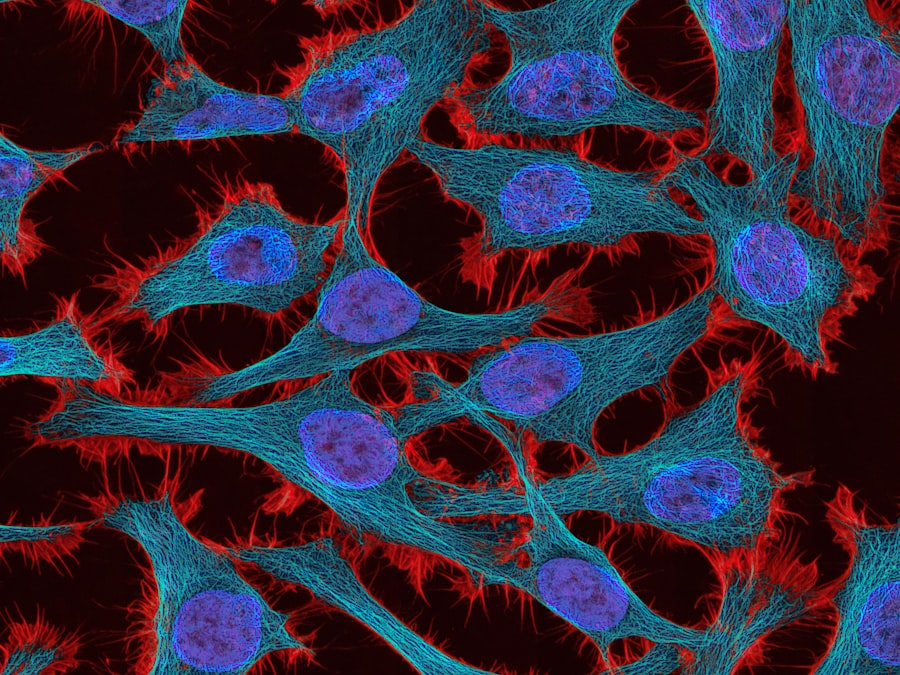
Gut sensory cells are specialized cells located in the lining of the gastrointestinal tract that are responsible for detecting and responding to various stimuli, such as nutrients, toxins, and mechanical forces.
What is the function of gut sensory cells?
The main function of gut sensory cells is to transmit information about the internal environment of the gut to the central nervous system, which then regulates processes such as digestion, nutrient absorption, and gut motility.
How do gut sensory cells communicate with the nervous system?
Gut sensory cells communicate with the nervous system through the release of neurotransmitters and the activation of nerve fibers that transmit signals to the brain and spinal cord.
What types of stimuli can gut sensory cells detect?
Gut sensory cells can detect a wide range of stimuli, including the presence of nutrients, the release of hormones, the stretching of the gut wall, and the presence of harmful substances or pathogens.
What role do gut sensory cells play in gut-brain communication?
Gut sensory cells play a crucial role in gut-brain communication by relaying information about the gut environment to the central nervous system, which in turn influences processes such as appetite, satiety, and overall gut health.