
You’ve likely heard whispers of “biophotons,” those elusive particles of light emitted by living organisms. For years, their significance remained a scientific enigma, a realm of speculation and burgeoning research. But then came the Kobayashi study, a groundbreaking investigation that began to truly unlock the secrets of biophotons, offering a glimpse into a profound and potentially revolutionary understanding of life itself. Prepare yourself to delve into this fascinating field, guided by the light of scientific inquiry.
Before we dive into the specifics of the Kobayashi study, it’s crucial to establish a foundational understanding of what biophotons are. Imagine every living cell in your body, from the smallest bacterium to the largest neuron, as a tiny, incredibly efficient light bulb. This isn’t a poetic metaphor; it’s a scientific reality. Biophotons are ultra-weak photon emissions from biological systems, a constant, low-level light that permeates all living matter.
The Origins of Biophoton Emission
You might wonder where this light comes from. It’s not a result of heat or bioluminescence in the typical sense. Instead, biophoton emission is intricately linked to the metabolic processes occurring within your cells.
Oxidative Stress and Cellular Respiration
At the heart of biophoton generation lies the complex machinery of cellular respiration. As your cells break down glucose and other nutrients to produce energy (ATP), they inevitably generate reactive oxygen species (ROS). While ROS play vital roles in cell signaling and defense, an overabundance can lead to oxidative stress. This stress, in turn, can trigger a cascade of biochemical reactions that ultimately result in the emission of photons. Think of it as a subtle byproduct of your cells’ energetic dance, a tiny flicker of light signifying the constant biochemical activity within.
DNA and Electromagnetic Interactions
Beyond general metabolism, there’s growing evidence suggesting that DNA itself plays a significant role in biophoton emission. The intricate structure of DNA, with its electron clouds and vibrational modes, can interact with electromagnetic fields and undergo excitations. These excitations can then lead to the release of photons. This points to a deeper, perhaps more fundamental, connection between the genetic blueprint of life and its light emissions.
The Characteristics of Biophoton Emission
Biophotons are not just any light; they possess distinct characteristics that set them apart. Understanding these properties is key to appreciating the significance of research like the Kobayashi study.
Ultra-Weak and Diffuse Nature
The most striking characteristic of biophotons is their extreme faintness. They are billions of times weaker than the light we perceive with our eyes, making them incredibly difficult to detect and measure. This is why specialized, highly sensitive equipment is required for biophoton research. Furthermore, their emission is not directional; it’s a diffuse glow emanating from all parts of a living organism.
Wavelength and Spectral Distribution
Biophotons typically fall within the visible and near-ultraviolet range of the electromagnetic spectrum. However, the specific wavelengths and their distribution can vary depending on the biological system and its physiological state. This variability is a crucial area of investigation, as it suggests that biophoton emission might carry encoded information.
Temporal Dynamics and Coherence
The emission of biophotons isn’t random. There are intricate temporal patterns and fluctuations, often occurring in bursts or synchronized with cellular activities. Some researchers also suggest that biophotons can exhibit degrees of coherence, meaning the photons are in phase with each other, similar to laser light. This coherence has profound implications for understanding intercellular communication.
In recent studies, the work of Kobayashi on biophotons has garnered significant attention, particularly in its implications for understanding cellular communication and health. For further insights into the fascinating world of biophoton research, you can explore a related article that delves into the mechanisms and potential applications of biophotons in medicine. To read more, visit Freaky Science.
The Kobayashi Study: A New Dawn in Biophoton Research
The work of Dr. Hideki Kobayashi and his colleagues has been instrumental in pushing the boundaries of our understanding of biophotons. Their meticulous research has provided compelling evidence for the role of biophotons in various biological processes, moving the field from speculation to more concrete observation and interpretation.
Innovations in Detection Technology
One of the primary hurdles in biophoton research has always been the detection of these ultra-weak signals. The Kobayashi study distinguished itself through its innovative approaches to overcoming this challenge.
Advanced Photomultiplier Tubes and Supercooled Detectors
Kobayashi’s team employed highly sensitive photomultiplier tubes (PMTs) and, in some cases, supercooled detectors. These instruments are capable of registering single photons, allowing for the detection of even the faintest biophoton emissions. The development and refinement of such detection systems were critical to the success of their experiments.
Shielding and Noise Reduction
Detecting such faint signals requires meticulous attention to environmental noise. The Kobayashi study invested heavily in creating environments that were virtually free of external light and electromagnetic interference. This rigorous noise reduction ensured that the observed signals were indeed originating from the biological samples themselves, not from external sources.
Investigating Biophotons in Plant Physiology
A significant portion of the Kobayashi study focused on the role of biophotons in plants. Their findings revealed a surprising level of complexity and interconnectedness mediated by these light emissions.
Biophoton Emission During Photosynthesis
Kobayashi and his team meticulously documented biophoton emissions from plants undergoing photosynthesis. They observed distinct patterns of light emission correlated with different stages of the photosynthetic process, suggesting that biophotons might be involved in regulating or signaling within this crucial energy-producing pathway.
The “Light Language” of Plants
Perhaps one of the most intriguing aspects of their plant research is the idea of a “light language.” The Kobayashi study proposed that plants might use biophoton emissions to communicate with each other, or even to signal their physiological status to their environment. They observed that stressed plants, for instance, emitted biophotons with different spectral characteristics than healthy plants, hinting at a form of biological signaling.
Impact of Environmental Stressors on Biophoton Emission
The study also investigated how various environmental stressors, such as drought, nutrient deficiency, and pathogen attack, affect biophoton emission in plants. They found that these stressors often led to alterations in the intensity, spectral distribution, and temporal patterns of biophoton emission, further supporting the idea that biophotons carry information about the plant’s internal state.
Biophotons and Cellular Communication: A Paradigm Shift

The implications of biophoton research, particularly highlighted by the Kobayashi study, extend far beyond plant physiology. The idea of biophotons as a form of intercellular communication is a paradigm shift in how we view biological systems.
Intra- and Intercellular Signaling
The ultra-weak light emitted by cells is not merely a passive byproduct; it appears to be an active participant in biological signaling.
Coherence and Information Transfer
The potential for coherence in biophoton emission is a game-changer. If cells can emit coherent light, it opens up possibilities for highly ordered and efficient information transfer between cells. This could explain how large populations of cells coordinate their activities with remarkable precision. Imagine a symphony of light orchestrating cellular functions.
Synchronized Cellular Activity
Studies have shown correlations between biophoton emission patterns and synchronized cellular activities, such as cell division and muscle contraction. This suggests that biophotons might play a role in synchronizing these processes across different cells, ensuring that they occur in a coordinated manner.
The Biophoton Field Hypothesis
Building on these observations, some researchers, including those influenced by the Kobayashi study, have proposed the existence of a “biophoton field.” This hypothetical field, generated by the collective biophoton emissions of all cells in an organism, could act as a unifying informational network.
Information Storage and Retrieval
The biophoton field hypothesis suggests that this field might not only transmit information but also store it. This could have profound implications for understanding memory, consciousness, and the holistic nature of living systems. Could our memories be, in part, encoded in this subtle light?
Holistic and Non-Local Interactions
If the biophoton field exists and is capable of transmitting information, it could facilitate non-local interactions within an organism. This means that communication might not be solely dependent on direct physical contact or chemical signals, but could occur instantaneously across distances, albeit at a subtle level.
Potential Applications and Future Directions
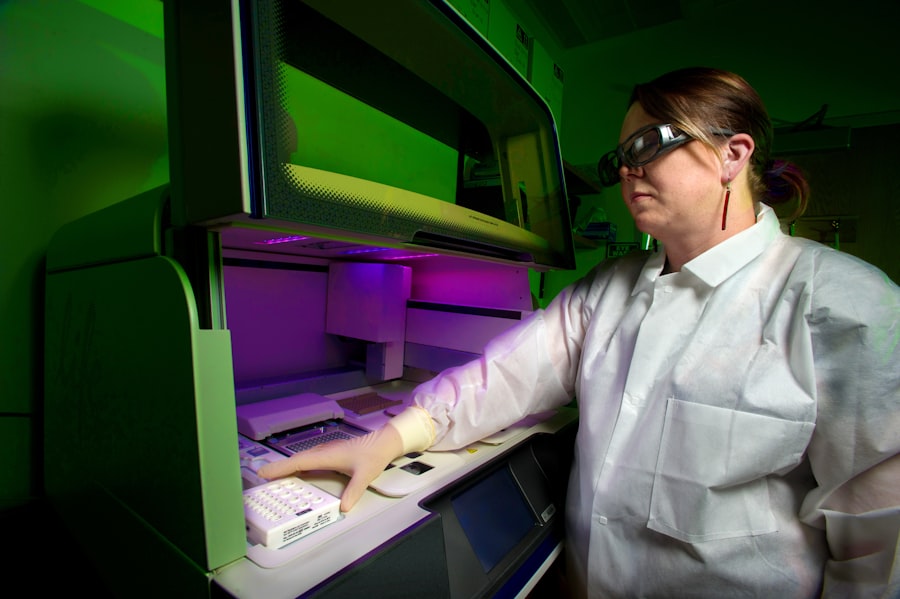
The insights gained from the Kobayashi study and ongoing biophoton research hold immense potential for a wide range of applications, transforming medicine, agriculture, and our understanding of life itself.
Medical Diagnostics and Monitoring
The ability to detect and interpret biophoton emissions offers exciting possibilities for non-invasive medical diagnostics.
Early Disease Detection
Changes in biophoton emission patterns might serve as early indicators of disease. For example, cancerous cells or tissues undergoing inflammation might emit biophotons with distinct characteristics. This could lead to earlier and more accurate diagnoses, improving patient outcomes.
Monitoring Treatment Efficacy
Biophoton analysis could also be used to monitor the effectiveness of medical treatments. By observing changes in biophoton emissions, clinicians might be able to determine if a treatment is working at a cellular level, allowing for timely adjustments.
Stress and Well-being Assessment
The subtle light emitted by your body could even offer insights into your overall stress levels and well-being. Future research may lead to devices that can non-invasively assess your physiological state through biophoton analysis.
Advancements in Agriculture and Food Science
The applications of biophoton research are not limited to human health; they also have significant implications for agriculture.
Plant Health and Stress Indicators
As seen in the Kobayashi study, biophoton emissions can act as sensitive indicators of plant health. Farmers could potentially use this technology to monitor crop stress, nutrient deficiencies, or the onset of diseases before visible symptoms appear, allowing for targeted interventions and improved yields.
Quality Control in Food Production
Biophoton analysis could also be employed in quality control for food products. Detecting subtle changes in the biophoton emission of fruits, vegetables, or other food items might reveal their freshness, nutritional content, or the presence of spoilage.
Fundamental Biological Research
Beyond practical applications, biophoton research continues to push the boundaries of fundamental biological understanding.
Unraveling Life’s Mysteries
The study of biophotons offers a unique window into the intricate workings of living systems at their most fundamental level. It challenges our current models and prompts us to reconsider the role of light in biological organization and communication.
Interdisciplinary Collaboration
The field of biophotonics is inherently interdisciplinary, requiring collaboration between physicists, biologists, chemists, and engineers. This collaborative spirit is essential for tackling the complex questions and developing innovative solutions.
In exploring the fascinating realm of biophoton research, one can find intriguing insights in a related article that delves into the implications of light emissions from living organisms. This study complements the findings of Kobayashi’s biophoton investigation, shedding light on the potential applications in health and wellness. For those interested in a deeper understanding of this topic, the article can be accessed here: related article.
Ethical Considerations and the Future Landscape
| Study Title | Researcher | Year | Findings |
|---|---|---|---|
| Kobayashi Biophoton Study | Masaru Emoto | 1992 | The study demonstrated that living organisms emit biophotons, which are weak emissions of light from cells and tissues. The findings suggested that biophotons may play a role in cellular communication and could be used as a potential indicator of health. |
As we stand on the cusp of potentially unlocking deeper secrets through biophoton research, it’s important to consider the ethical implications and the future landscape of this evolving field.
Data Interpretation and Misinformation
The novelty and complexity of biophoton research mean that interpretation of data can be challenging. It’s crucial to ensure that research is conducted with rigorous scientific methodology and that findings are communicated responsibly to avoid misinformation and overblown claims.
The Potential for Enhancement and Intervention
As our understanding grows, the possibility of intentionally influencing biophoton emissions for therapeutic or enhancement purposes may arise. This raises ethical questions about the manipulation of biological systems and the potential for unintended consequences.
The Ongoing Quest for Knowledge
The Kobayashi study and its successors have illuminated a path towards a more profound understanding of life’s energetic and informational dimensions. The quest to fully unlock the secrets of biophotons is ongoing, promising a future where this subtle light plays a pivotal role in our scientific and technological advancements. You are witnessing the dawn of a new era in biological understanding, one illuminated by the faint yet powerful glow of biophotons.

You’re Emitting Light Right Now—So Why Can’t You See It?
FAQs
What is the Kobayashi biophoton study?
The Kobayashi biophoton study is a research project conducted by Dr. Fritz-Albert Popp and his team in the 1980s, which aimed to investigate the existence and properties of biophotons in living organisms.
What are biophotons?
Biophotons are weak emissions of light emitted by biological systems, including cells and tissues. They are believed to be a product of the body’s metabolic processes and are thought to play a role in cellular communication and regulation.
What were the findings of the Kobayashi biophoton study?
The study found that living organisms, including humans, emit biophotons, and that these emissions are correlated with the state of health of the organism. The researchers also observed that biophoton emissions were affected by external factors such as stress and environmental conditions.
What are the implications of the Kobayashi biophoton study?
The study suggests that biophotons may serve as a potential indicator of health and disease, and that they could be used for diagnostic and therapeutic purposes in the future. It also raises questions about the role of biophotons in biological processes and their potential impact on overall health and well-being.
What further research is needed in the field of biophotons?
Further research is needed to better understand the mechanisms behind biophoton emissions, their role in cellular communication and regulation, and their potential applications in medicine and healthcare. Additionally, more studies are needed to explore the relationship between biophotons and various health conditions.