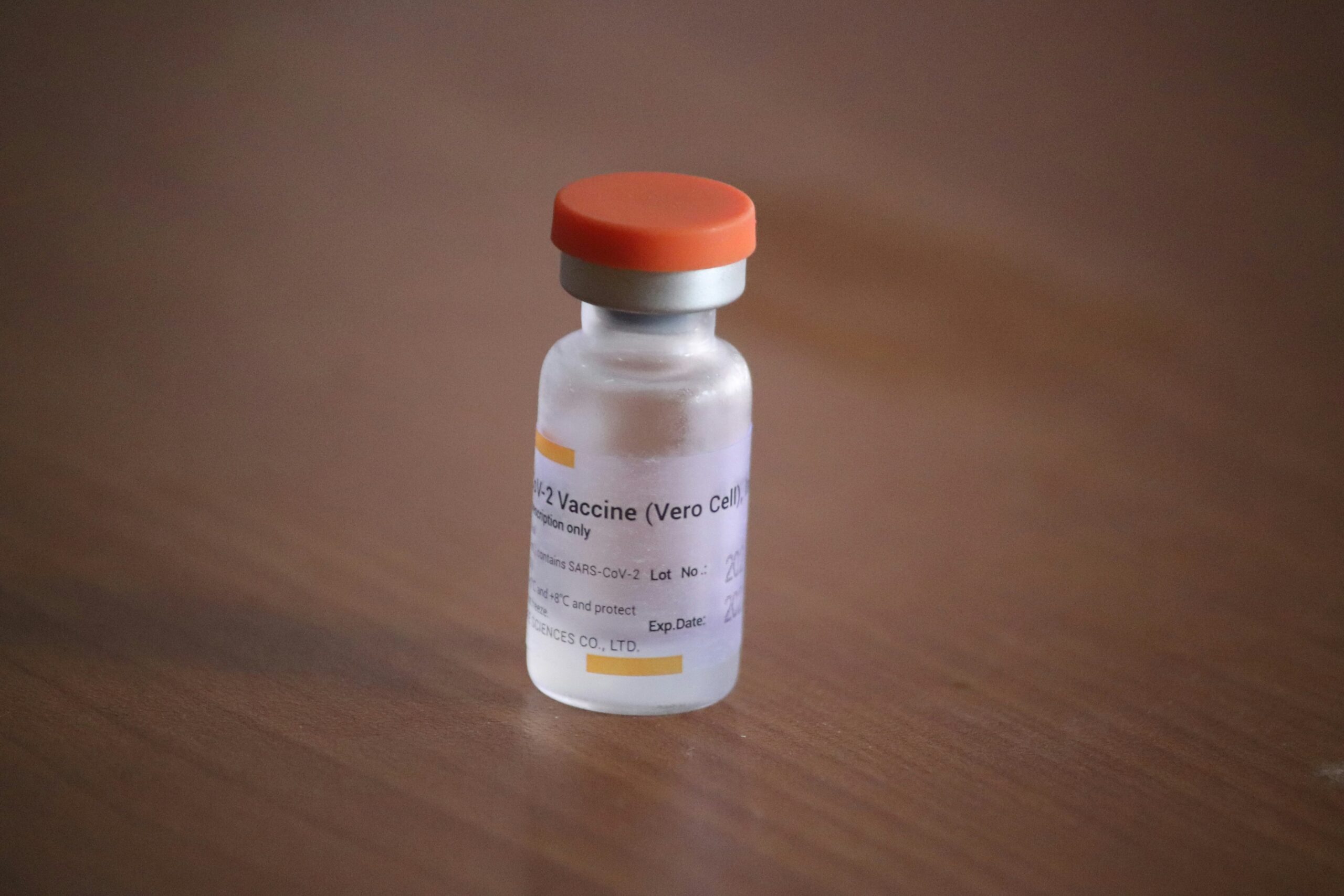
You stand at the precipice of a revolution in cancer treatment, one that draws inspiration not from synthetic drugs, but from the ancient and cunning strategies of viruses. Viral mimicry immunotherapy represents a paradigm shift, leveraging the inherent ability of viruses to interact with the immune system to guide your body’s own defenses precisely where they are needed most: to eliminate cancerous cells. This approach is not about introducing live viruses to cause harm, but about skillfully mimicking viral components and their signaling mechanisms to awaken and direct your immune response against malignancy. The potential is significant, offering a path towards more targeted, less toxic, and ultimately more effective cancer therapies.
Understanding the Viral Advantage
Viruses, for all their notoriety, are master manipulators of cellular machinery. Their survival hinges on their ability to evade or co-opt the host immune system. They have evolved sophisticated mechanisms to trigger specific cellular responses, often involving the activation of pattern recognition receptors (PRRs). These receptors, present on various immune cells, are designed to detect molecular patterns commonly found in pathogens, including viruses. When a virus enters a cell, it displays these “pathogen-associated molecular patterns” (PAMPs), which are then recognized by cellular PRRs. This recognition initiates a cascade of events, including the release of signaling molecules called cytokines and chemokines, which alert and recruit other immune cells to the site of infection. Cancer cells, in their aberrant growth and nature, can sometimes present molecular signatures that are inadvertently recognized by PRRs. However, the immune system’s response to these signals, when it occurs, is often insufficient or misdirected to mount a sustained anti-cancer attack.
The Innate Immune System’s Role
Your innate immune system is your first line of defense. It’s a rapid, non-specific response that acts as an early warning system. PRRs, such as Toll-like receptors (TLRs) and RIG-I-like receptors (RLRs), are key components of this system. They reside on the surface of or within your cells, ready to detect intracellular or extracellular threats. When a PRR binds to a viral PAMP, it triggers the activation of downstream signaling pathways. These pathways can lead to the production of interferons (IFNs), a critical group of cytokines that possess potent antiviral and anti-tumoral properties. IFNs not only directly inhibit viral replication but also prime other immune cells, like natural killer (NK) cells and dendritic cells (DCs), to become more effective in recognizing and destroying infected or abnormal cells.
Mimicking Viral Signaling
Viral mimicry immunotherapy seeks to exploit this understanding. Instead of relying on the haphazard presentation of viral-like signals by cancer cells, researchers are developing therapeutic agents that are designed to specifically engage these PRRs with potent viral PAMPs. These mimic molecules can be derived from actual viral components or synthesized to replicate specific viral structures. The goal is to deliver a clear and unambiguous signal to your immune system: “This is a threat, and it needs to be eliminated.” This targeted activation is crucial because a poorly controlled immune response can be detrimental. Viral mimicry aims for a precise and effective engagement, steering your immune cells towards cancer cells without causing undue systemic inflammation.
Recent advancements in cancer treatment have highlighted the potential of viral mimicry immunotherapy, which leverages the body’s immune response to combat tumors. A related article that delves deeper into this innovative approach can be found at Freaky Science. This article explores the mechanisms by which viral mimicry can enhance the efficacy of immunotherapy, offering insights into how this strategy could revolutionize cancer treatment and improve patient outcomes.
The Pillars of Viral Mimicry in Cancer Therapy
The application of viral mimicry in cancer treatment is built upon several key principles, all aimed at robustly activating and directing your anti-cancer immune response. The underlying idea is to replicate the potent immune-stimulating effects of viral infections in a controlled and targeted manner.
Direct Tumor Antigens
One of the primary mechanisms employed by viral mimicry therapies is the direct stimulation of tumor-associated antigens. Cancer cells often harbor unique proteins or altered forms of normal proteins on their surface, known as tumor antigens. Your immune system, particularly T cells, can recognize these antigens as foreign and mount an attack. Viral mimicry agents can work in conjunction with these antigens in several ways. They can enhance the presentation of these antigens by antigen-presenting cells (APCs), such as dendritic cells. APCs are crucial for initiating adaptive immune responses. By stimulating APCs, viral mimicry can improve their ability to capture, process, and present tumor antigens to T cells, thereby amplifying the anti-cancer immune response.
Enhancing Antigen Presentation
The effectiveness of T cell recognition of tumor antigens is heavily dependent on how well these antigens are presented to them. Viral mimicry agents can significantly boost this process. By interacting with PRRs on APCs, these agents trigger signaling pathways that upregulate the expression of MHC (Major Histocompatibility Complex) molecules on the APC surface. MHC molecules are essential for displaying antigens to T cells. Increased MHC expression means more antigens are presented, increasing the likelihood of T cell activation. Furthermore, viral mimicry can promote the maturation of APCs, transforming them from an immature, surveying state to a mature, highly immunogenic state, better equipped to initiate a robust immune response.
Maturation of Dendritic Cells
Dendritic cells (DCs) are considered the maestros of the immune system, responsible for bridging innate and adaptive immunity. When viral mimicry agents activate PRRs on DCs, they undergo maturation. This maturation involves a series of changes: DCs migrate from peripheral tissues to lymph nodes, where they encounter T cells; they increase their expression of co-stimulatory molecules, which are essential for providing the “second signal” that T cells need for full activation; and they enhance their antigen-presenting capacity. Mature DCs programmed by viral mimics are far more effective at initiating and sustaining a potent anti-cancer T cell response.
Bystander Activation
Beyond direct targeting of tumor antigens, viral mimicry can also induce “bystander activation.” This phenomenon refers to the priming of immune cells to attack not only the cells directly presenting the mimic or associated tumor antigens but also nearby cells that might not be displaying the primary target. This is akin to a widespread alarm being sounded. By broadly stimulating innate immune pathways, viral mimicry can create an inflammatory microenvironment that makes immune cells more sensitive and responsive to any abnormal cells in the vicinity, including cancer cells. This can be particularly beneficial in heterogeneous tumors where not all cells may express the same antigens or respond uniformly to direct targeting.
Broadening the Immune Attack
The complexity of tumors means that a narrowly focused immune attack might not be sufficient. Bystander activation helps overcome this by creating a more generalized state of immune readiness. Once immune cells are activated by the viral mimic, they become more aggressive and readily search for and eliminate any cells that display signs of abnormality or stress, which are common features of cancer cells. This broadens the net of the immune attack, potentially reaching more cancer cells than a purely antigen-specific response might achieve.
Modulating the Tumor Microenvironment
The tumor microenvironment (TME) is a complex ecosystem of cancer cells, immune cells, stromal cells, and signaling molecules. It can often be immunosuppressive, hindering the immune system’s ability to attack the tumor. Viral mimicry therapies can dynamically remodel the TME. By inducing inflammatory signals, they can recruit beneficial immune cells, such as cytotoxic T lymphocytes (CTLs) and NK cells, while simultaneously inhibiting the activity of immunosuppressive cells. This shift in the TME from an immune-tolerant state to an immune-hostile state is critical for the success of immunotherapy.
Modalities of Viral Mimicry Immunotherapy
The concept of viral mimicry is being translated into therapeutic strategies through a variety of innovative modalities. These agents are designed to selectively engage viral recognition pathways, prompting a potent immune response.
Viral Vectors
Recombinant viral vectors, engineered from naturally occurring viruses, are a prominent modality for viral mimicry. These vectors are modified to carry therapeutic genes or to express viral PAMPs themselves. While some viral therapies aim to directly lyse cancer cells, viral mimicry vectors are designed to stimulate the immune system. They can be engineered to preferentially infect cancer cells, delivering their cargo or expressing viral mimic molecules directly within the tumor. This localized activation ensures that the immune response is concentrated at the site of the tumor, minimizing off-target effects.
Oncolytic Viruses
While not strictly mimicry in all cases, oncolytic viruses are a related and highly relevant area. These viruses are naturally tumor-tropic or engineered to selectively replicate in and kill cancer cells. As they replicate and lyse cells, they release tumor antigens and also trigger inflammatory signals that mimic viral infection, thus activating the immune system against the tumor. Some oncolytic viruses are specifically designed to express immunomodulatory molecules, further enhancing the anti-tumor immune response, thereby blurring the lines between direct viral killing and immune activation.
Gene Therapy Vectors
In gene therapy applications of viral mimicry, the viral vector acts as a delivery vehicle for genetic material encoding viral PAMPs or molecules that stimulate PRRs. The vector itself might not directly cause disease, but the expression of these genes within cells, particularly tumor cells or APCs, triggers the desired immune response. This approach offers precise control over which immune pathways are activated and to what extent.
Toll-Like Receptor Agonists
Toll-like receptors (TLRs) are a major class of PRRs, and various molecules that activate them have been developed as therapeutic agents. These TLR agonists are designed to mimic the PAMPs recognized by different TLRs. For instance, certain bacterial lipopeptides mimic ligands for TLR2, while oligonucleotides containing unmethylated CpG motifs mimic ligands for TLR9. By directly administering these agonists, either systemically or intratumorally, you can precisely engage specific TLR pathways to stimulate immune cells like DCs and B cells, leading to the production of cytokines and the activation of cytotoxic cells.
TLR Agonists as Standalone Therapies
Some TLR agonists can be used as standalone treatments to enhance a patient’s immune system. They can be administered to prime the immune system before other treatments like chemotherapy or surgery, or they can be used to boost the immune response against residual cancer cells after initial therapy. Their ability to activate a broad range of immune cells makes them versatile tools in immunotherapy.
Combination with Other Therapies
A major area of research is the combination of TLR agonists with other cancer therapies. For example, combining a TLR agonist with a checkpoint inhibitor (which blocks the “brakes” on T cells) can lead to a synergistic effect, significantly amplifying the anti-tumor immune response. Similarly, combining them with chemotherapy can enhance the tumoricidal effects of chemotherapy and simultaneously stimulate an immune response against the released tumor antigens.
Mimics of Other Viral Pattern Recognition Pathways
Beyond TLRs, other PRRs are also crucial in viral recognition. For instance, RIG-I and MDA5 are intracellular sensors that detect viral RNA. Therapies that mimic RNA sensing pathways are also being explored. These might involve synthetic RNA molecules designed to trigger these pathways and induce interferon production, a potent anti-viral and anti-cancer cytokine. The precise targeting of these different PRRs allows for a nuanced approach to immune modulation, tailoring the response to specific cancer types and patient profiles.
Clinical Applications and Future Directions
The translation of viral mimicry into clinical practice is an ongoing and dynamic process. Early results are promising, and research is rapidly expanding into new applications and combinations.
Enhancing Vaccine Efficacy
Cancer vaccines aim to train your immune system to recognize and attack cancer cells by presenting tumor antigens. However, many cancer vaccines struggle to elicit a robust and sustained immune response. Viral mimicry agents can act as potent adjuvants for cancer vaccines. When co-administered with a vaccine, they significantly amplify the immune response to the tumor antigens. This is because the viral mimic provides the necessary danger signals that mature APCs and prime T cells to respond effectively to the presented antigens.
Improved Antigen-Specific T Cell Responses
The inclusion of viral mimicry adjuvants in vaccines can lead to a substantial increase in the number and potency of antigen-specific T cells. These T cells are better equipped to infiltrate the tumor, recognize cancer cells, and exert their cytotoxic effects. This is a critical step towards developing effective cancer vaccines that can provide long-lasting immunity.
Overcoming Immune Tolerance
Cancer cells often induce a state of immune tolerance, where the immune system learns to ignore them. Viral mimicry can help break down this tolerance by providing a strong inflammatory signal that overrides the suppressive mechanisms employed by the tumor. This allows for the immune system to re-engage with the cancer and mount an effective attack.
Overcoming Immune Resistance
One of the major challenges in cancer immunotherapy is the development of resistance to treatment. Cancer cells can evolve mechanisms to evade immune surveillance and destruction. Viral mimicry therapies are being investigated as a way to overcome these resistance mechanisms. By broadly activating the immune system and remodeling the tumor microenvironment, they can potentially reignite a dormant immune response or overcome specific escape pathways employed by cancer cells.
Restimulating Exhausted T Cells
T cells can become “exhausted” after prolonged exposure to tumor antigens. Exhausted T cells have reduced effector functions and are less capable of killing cancer cells. Viral mimicry, by providing strong co-stimulatory signals and promoting a pro-inflammatory environment, can help to “reinvigorate” these exhausted T cells, restoring their anti-tumor activity.
Synergistic Effects with Checkpoint Inhibitors
As mentioned previously, the combination of viral mimicry agents with immune checkpoint inhibitors (ICIs) is a particularly exciting area of research. ICIs release the brakes on T cells, allowing them to attack cancer. However, their effectivenesscan be limited if the immune system is not adequately activated in the first place. Viral mimicry agents can provide this initial activation and boost, making the T cells more responsive to the release of the brakes provided by ICIs. This synergistic approach has shown significant promise in preclinical studies and is moving into clinical trials.
Recent advancements in cancer treatment have highlighted the potential of viral mimicry immunotherapy, which harnesses the body’s immune response to target and eliminate cancer cells. A related article discusses the innovative approaches being explored in this field, showcasing how researchers are leveraging viral components to enhance the effectiveness of immunotherapy. For more insights on this topic, you can read the full article here. This emerging strategy represents a promising frontier in oncology, offering hope for more effective and personalized cancer treatments.
Challenges and Considerations
Despite the immense potential of viral mimicry immunotherapy, several challenges and considerations need to be addressed for its widespread and safe implementation. The key lies in achieving a precise balance between potent immune activation and the avoidance of excessive or harmful inflammation.
Off-Target Effects and Toxicity
A primary concern with any potent immune-activating therapy is the potential for off-target effects and toxicity. While viral mimicry aims for tumor-specific immune responses, uncontrolled activation of the immune system can lead to cytokine storms, autoimmune reactions, and damage to healthy tissues. Carefully designing the molecular mimics, optimizing dosing, and choosing appropriate delivery methods are crucial to minimizing these risks. Targeted delivery to the tumor site, rather than systemic administration, is a preferred strategy to confine the immune activation to where it is needed.
Managing Cytokine Release Syndrome
The release of large amounts of cytokines, known as cytokine release syndrome (CRS), is a significant potential adverse event associated with potent immunotherapies. Viral mimicry, by its nature, can induce cytokine production. Strategies to mitigate CRS include careful patient selection, dose titration, and the use of cytokine-blocking agents if needed. Monitoring patients closely for early signs of CRS is paramount.
Autoimmunity and Inflammatory Processes
The immune system, when broadly activated, can sometimes mistakenly attack the body’s own healthy tissues. This can manifest as autoimmune diseases. Viral mimicry therapies must be carefully designed to avoid triggering an autoimmune response. This involves understanding the specific patterns recognized by the immune system and ensuring that these patterns are predominantly associated with cancer cells or the tumor microenvironment. The specific nature of the mimic, its target receptors, and its delivery method all play a role in controlling this risk.
Manufacturing and Scalability
The production of complex biological molecules, such as engineered viral vectors or specific TLR agonists, can be challenging and expensive. Scaling up these manufacturing processes to meet the demands of widespread clinical use requires significant investment in infrastructure and innovation. Ensuring the consistency, purity, and stability of these therapeutic agents is critical for patient safety and treatment efficacy.
Ensuring Product Consistency and Quality
The efficacy and safety of any pharmaceutical agent depend heavily on the consistency of its manufacturing. For viral mimicry therapies, this involves rigorous quality control at every stage of production, from the selection of raw materials to the final product formulation. Standardized protocols and robust analytical methods are essential to ensure that each batch of therapeutic agent meets the required standards.
Cost-Effectiveness and Accessibility
The development and manufacturing of novel immunotherapies are often associated with high costs. This can pose a barrier to access for many patients. Ongoing research and development efforts are focused on finding more cost-effective manufacturing methods and exploring different therapeutic modalities that might be more scalable and affordable. The goal is to ensure that these potentially life-saving treatments are accessible to the broadest possible patient population.
The Future of Cancer Immunotherapy
Viral mimicry immunotherapy represents a convergence of our understanding of virology, immunology, and cancer biology. It offers a sophisticated approach to harnessing the power of your own immune system to fight cancer, moving beyond broad-strokes treatments towards precise and targeted interventions. As research progresses, you can anticipate the development of more refined viral mimic agents, novel combination therapies, and personalized treatment strategies tailored to the individual’s tumor and immune profile. The ongoing exploration of viral mimicry holds the promise of transforming the landscape of cancer treatment, offering new hope and improved outcomes for countless individuals.
FAQs
What is viral mimicry immunotherapy for cancer?
Viral mimicry immunotherapy for cancer is a treatment approach that involves using viral components or viral-like particles to stimulate the immune system to recognize and attack cancer cells. This approach aims to harness the body’s natural immune response to fight cancer.
How does viral mimicry immunotherapy work?
Viral mimicry immunotherapy works by introducing viral components or viral-like particles into the body, which then activate the immune system to recognize and target cancer cells. This can lead to an enhanced immune response against the cancer, potentially leading to tumor regression and improved patient outcomes.
What are the potential benefits of viral mimicry immunotherapy for cancer?
The potential benefits of viral mimicry immunotherapy for cancer include improved tumor control, reduced risk of cancer recurrence, and potentially fewer side effects compared to traditional cancer treatments such as chemotherapy or radiation therapy. Additionally, this approach may also have the potential to be effective against a wide range of cancer types.
Are there any risks or limitations associated with viral mimicry immunotherapy for cancer?
While viral mimicry immunotherapy shows promise, there are potential risks and limitations to consider. These may include immune-related side effects, the need for further research to optimize treatment protocols, and the potential for cancer cells to develop resistance to the treatment over time.
What is the current status of viral mimicry immunotherapy for cancer research and development?
Viral mimicry immunotherapy for cancer is an active area of research and development, with ongoing clinical trials and studies aimed at further understanding its potential and optimizing its effectiveness. While it is not yet widely available as a standard treatment, it holds promise as a novel approach to cancer immunotherapy.