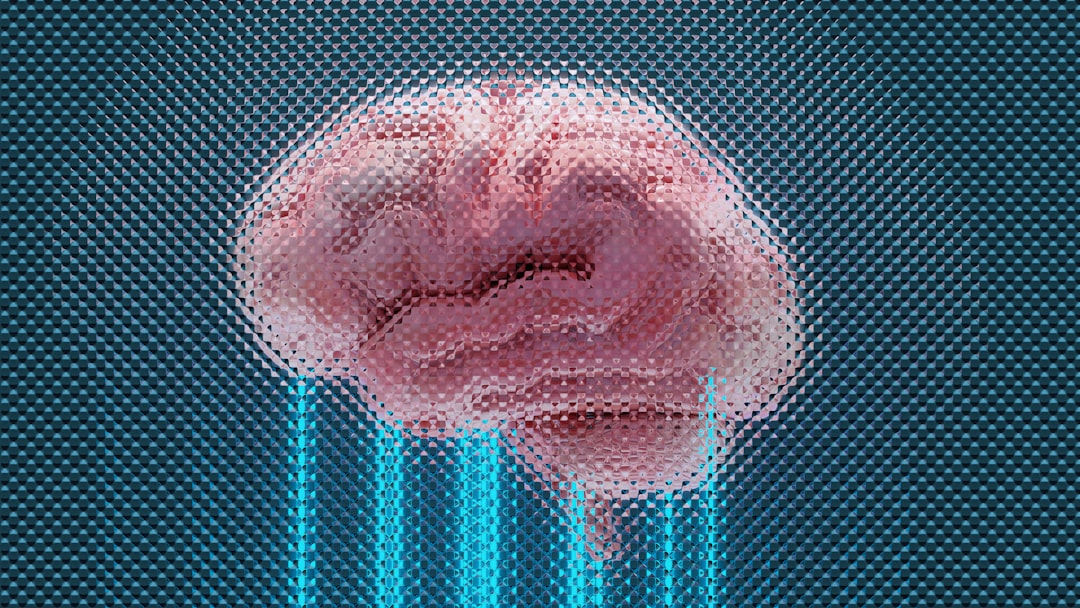
Neural interfaces represent a groundbreaking intersection of neuroscience and technology, allowing for direct communication between the brain and external devices. These interfaces translate neural signals into actionable commands, creating possibilities for both medical and non-medical applications. The concept of connecting the human brain to machines is rapidly evolving from science fiction into reality, with ongoing research and engineering efforts continuously refining these technologies.
The potential applications of neural interfaces span from restoring lost functions in individuals with disabilities to enhancing cognitive abilities in healthy individuals. The field encompasses various types of neural interfaces, including invasive and non-invasive systems, each presenting distinct advantages and challenges. Understanding the fundamental principles underlying these technologies provides insight into the future implications for human-machine interaction.
One fascinating concept explored in modern science is simulation theory.
Key Takeaways
- Neural interfaces enable direct communication between the brain and external devices, bridging biological and machine systems.
- Current applications include medical treatments, prosthetics, assistive devices, and cognitive enhancement.
- Significant challenges remain, such as technical limitations, safety concerns, and ethical considerations.
- Advances in technology are improving the precision, reliability, and usability of neural interfaces.
- The future of neural interfaces holds potential for transformative impacts on communication, control, and human capabilities.
The Science Behind Brain-Machine Links
At the core of neural interfaces lies a complex understanding of how the brain communicates through electrical signals. Neurons transmit information via action potentials, which are rapid changes in electrical charge that propagate along their axons. When you consider how these signals can be captured and interpreted, it becomes evident that a sophisticated interplay of biology and technology is at work.
Researchers employ various techniques to record these signals, including electroencephalography (EEG), which measures electrical activity on the scalp, and more invasive methods like intracranial electrodes that directly interface with brain tissue. The challenge of decoding these neural signals is significant. You may find it fascinating that machine learning algorithms play a crucial role in this process.
By training models on vast datasets of neural activity, researchers can develop systems capable of interpreting specific patterns associated with particular thoughts or movements. This decoding process is essential for creating effective brain-machine interfaces that can respond accurately to your intentions, whether it be moving a cursor on a screen or controlling a robotic limb.
Current Applications of Neural Interfaces

As you explore the current landscape of neural interfaces, you will encounter a variety of applications that showcase their transformative potential. One of the most prominent areas is in the realm of medical treatments, where these technologies are being used to help individuals with neurological disorders regain lost functions. For instance, deep brain stimulation (DBS) has been employed to treat conditions such as Parkinson’s disease, alleviating symptoms by delivering electrical impulses to specific brain regions.
In addition to medical applications, neural interfaces are making strides in the realm of assistive technologies. You may be intrigued by how individuals with paralysis can use brain-computer interfaces (BCIs) to control computers or robotic devices simply by thinking about the desired action. This capability not only enhances independence but also significantly improves the quality of life for those affected by severe motor impairments.
As you consider these applications, it becomes clear that neural interfaces are not just theoretical constructs; they are actively changing lives today.
Challenges and Limitations of Neural Interfaces
Despite the promising advancements in neural interface technology, several challenges and limitations remain. One significant hurdle is the issue of signal quality and stability. As you might imagine, the brain is a dynamic organ, and the signals it produces can vary over time due to factors such as fatigue or emotional state.
Ensuring consistent and reliable communication between the brain and external devices is crucial for the success of these interfaces. Another challenge lies in the invasiveness of certain neural interface technologies.
You may find it concerning that complications such as infection or tissue damage can arise from these procedures. Non-invasive methods, while safer, often provide lower fidelity data, leading to trade-offs that researchers must navigate as they strive to improve the efficacy of neural interfaces.
Ethical Considerations in Neural Interface Development
| Metric | Description | Typical Range / Value | Unit | Notes |
|---|---|---|---|---|
| Signal Bandwidth | Frequency range of neural signals captured | 0.1 – 10,000 | Hz | Depends on neural interface type (EEG, ECoG, intracortical) |
| Number of Channels | Number of independent recording or stimulation sites | 16 – 1024+ | Channels | Higher channel counts enable finer spatial resolution |
| Signal-to-Noise Ratio (SNR) | Ratio of neural signal amplitude to background noise | 5 – 30 | dB | Higher SNR improves decoding accuracy |
| Latency | Time delay between neural event and system response | 1 – 100 | ms | Lower latency critical for real-time control |
| Data Transmission Rate | Speed of data transfer from implant to external device | 100 kbps – 10 Mbps | bits per second | Wireless or wired communication methods |
| Power Consumption | Energy used by the neural interface system | 1 – 100 | mW | Lower power extends implant battery life |
| Decoding Accuracy | Percentage of correctly interpreted neural commands | 70 – 95 | % | Varies with algorithm and signal quality |
| Implant Lifetime | Duration the implant remains functional | 1 – 10+ | Years | Depends on materials and biocompatibility |
As you delve deeper into the world of neural interfaces, ethical considerations become increasingly important. The ability to access and interpret neural data raises profound questions about privacy and consent. You may ponder who owns the data generated by your brain activity and how it could be used or misused in various contexts.
The potential for surveillance or unauthorized access to personal thoughts is a pressing concern that necessitates careful regulation and oversight. Moreover, the implications of cognitive enhancement through neural interfaces present ethical dilemmas as well. As technology advances, you might wonder about the societal impact of enhancing cognitive abilities in some individuals while leaving others behind.
Issues of equity and access come to the forefront, prompting discussions about who gets to benefit from these advancements and how they might exacerbate existing inequalities. Engaging with these ethical considerations is essential as society navigates the complexities of integrating neural interfaces into everyday life.
Advancements in Neural Interface Technology

The field of neural interfaces is evolving rapidly, with ongoing research leading to exciting advancements that push the boundaries of what is possible. You may be intrigued by recent developments in materials science that have led to the creation of flexible and biocompatible electrodes. These innovations allow for more comfortable and effective long-term implantation in the brain, reducing the risk of complications associated with traditional rigid electrodes.
Additionally, advancements in wireless technology are transforming how neural interfaces operate. You might find it fascinating that researchers are developing systems capable of transmitting data wirelessly from implanted devices to external computers or smartphones. This capability not only enhances user convenience but also opens up new avenues for real-time monitoring and feedback, allowing for more responsive interactions between the brain and machines.
Neural Interfaces in Medical Treatments
In the medical field, neural interfaces are proving to be invaluable tools for treating a range of neurological conditions. You may be particularly interested in how these technologies are being utilized in rehabilitation settings. For instance, BCIs are being employed to help stroke patients regain motor function by facilitating neuroplasticity—the brain’s ability to reorganize itself by forming new neural connections.
By providing targeted stimulation based on real-time feedback from the patient’s brain activity, these systems can enhance recovery outcomes. Moreover, neural interfaces are being explored for their potential in managing chronic pain conditions. You might find it compelling that researchers are investigating how targeted stimulation of specific brain regions can modulate pain perception, offering new avenues for treatment where traditional methods have fallen short.
As you consider these applications, it becomes evident that neural interfaces hold promise not only for restoring lost functions but also for improving overall health and well-being.
Neural Interfaces in Prosthetics and Assistive Devices
The integration of neural interfaces into prosthetics represents one of the most exciting frontiers in assistive technology. Imagine being able to control a prosthetic limb with your thoughts—this is becoming a reality thanks to advancements in BCIs. You may be inspired by stories of individuals who have regained mobility and independence through these technologies, allowing them to perform everyday tasks that were once impossible.
You might be fascinated by how machine learning algorithms are being employed to adapt prosthetic movements based on individual user patterns, creating a more seamless experience. This personalization not only enhances functionality but also fosters a deeper connection between users and their devices, transforming prosthetics from mere tools into extensions of one’s own body.
Neural Interfaces in Cognitive Enhancement
The potential for cognitive enhancement through neural interfaces is an area that sparks both excitement and debate. You may find it intriguing that researchers are exploring ways to boost memory retention, learning speed, and overall cognitive performance using targeted stimulation techniques. Imagine being able to enhance your focus or improve your problem-solving skills through direct brain stimulation—this possibility is becoming increasingly plausible as our understanding of brain function deepens.
However, as you consider these advancements, ethical questions arise regarding fairness and accessibility. The prospect of cognitive enhancement raises concerns about creating disparities between those who can afford such technologies and those who cannot. You might reflect on how society will navigate these challenges as we move toward a future where cognitive enhancement becomes more commonplace.
Neural Interfaces in Communication and Control
Neural interfaces are also revolutionizing communication methods for individuals with severe speech impairments or conditions like amyotrophic lateral sclerosis (ALS). You may be inspired by how BCIs enable users to communicate through thought alone, allowing them to express their needs and desires without relying on traditional speech mechanisms. This breakthrough not only empowers individuals but also fosters greater social inclusion.
In addition to communication, neural interfaces are being explored for controlling various devices in smart environments. Imagine being able to control your home appliances or navigate your smartphone simply by thinking about it—this level of convenience is becoming increasingly achievable through advancements in neural interface technology. As you consider these applications, it becomes clear that the potential for enhancing daily life through brain-machine links is vast.
The Future of Neural Interfaces and Brain-Machine Links
Looking ahead, the future of neural interfaces holds immense promise as researchers continue to push the boundaries of what is possible. You may envision a world where seamless integration between humans and machines becomes commonplace, enhancing not only individual capabilities but also collective societal progress. As technology advances, you might anticipate breakthroughs that will further refine our understanding of brain function and improve the efficacy of neural interfaces.
However, as we move forward into this exciting future, it is essential to remain vigilant about ethical considerations and societal implications. You may find it crucial for policymakers, researchers, and ethicists to collaborate in establishing guidelines that ensure responsible development and deployment of these technologies. By fostering an inclusive dialogue around neural interfaces, we can work toward a future where their benefits are accessible to all while minimizing potential risks associated with their use.
In conclusion, as you explore the multifaceted world of neural interfaces, you will uncover a rich tapestry woven from science, technology, ethics, and human experience. The journey ahead promises not only remarkable advancements but also profound questions about what it means to be human in an increasingly interconnected world.
Neural interfaces, particularly brain-machine links, are revolutionizing the way we interact with technology and understand the brain. For a deeper dive into the fascinating developments in this field, you can read more about it in this article on Freaky Science: Freaky Science. This resource provides insights into the latest advancements and potential applications of neural interfaces, highlighting their impact on both medical and technological fronts.
WATCH THIS!🤯 SHOCKING: The Simulation Theory Proof They Don’t Want You To See
FAQs
What are neural interfaces?
Neural interfaces, also known as brain-machine interfaces (BMIs) or brain-computer interfaces (BCIs), are systems that establish a direct communication pathway between the brain and an external device. They enable the recording, decoding, and sometimes stimulation of neural activity to control computers, prosthetics, or other machines.
How do brain-machine interfaces work?
Brain-machine interfaces work by detecting electrical signals generated by neurons in the brain, processing these signals through algorithms, and translating them into commands that can control external devices. This can involve invasive methods, such as implanted electrodes, or non-invasive methods, like EEG caps.
What are the main types of neural interfaces?
The main types of neural interfaces include invasive interfaces (implanted directly into brain tissue), partially invasive interfaces (placed on the surface of the brain), and non-invasive interfaces (placed on the scalp or skin). Each type varies in signal quality, risk, and application.
What are the applications of neural interfaces?
Neural interfaces have applications in medical fields such as restoring movement in paralyzed individuals, controlling prosthetic limbs, treating neurological disorders, and enabling communication for people with severe disabilities. They are also explored for gaming, virtual reality, and cognitive enhancement.
Are neural interfaces safe?
The safety of neural interfaces depends on the type and method of implantation. Non-invasive interfaces are generally considered safe with minimal risk, while invasive interfaces carry risks such as infection, tissue damage, and immune response. Ongoing research aims to improve safety and biocompatibility.
What challenges do neural interfaces face?
Challenges include achieving high-resolution and stable signal recording, minimizing invasiveness and risk, ensuring long-term biocompatibility, developing effective decoding algorithms, and addressing ethical and privacy concerns related to brain data.
Can neural interfaces restore lost sensory or motor functions?
Yes, neural interfaces have been used to restore motor functions by enabling control of prosthetic limbs and to restore sensory functions by providing artificial sensory feedback. Clinical trials have demonstrated promising results in patients with paralysis or limb loss.
What is the difference between invasive and non-invasive neural interfaces?
Invasive neural interfaces involve surgical implantation of electrodes directly into brain tissue, offering high signal quality but higher risk. Non-invasive interfaces use external sensors like EEG to detect brain activity without surgery, offering lower risk but generally lower signal resolution.
How is data from neural interfaces processed?
Data from neural interfaces is processed using signal processing techniques and machine learning algorithms to decode neural signals into meaningful commands. This involves filtering noise, feature extraction, and translating neural patterns into device control signals.
What ethical considerations are associated with neural interfaces?
Ethical considerations include privacy and security of neural data, informed consent, potential for cognitive or behavioral manipulation, equitable access to technology, and the implications of augmenting human capabilities beyond natural limits.