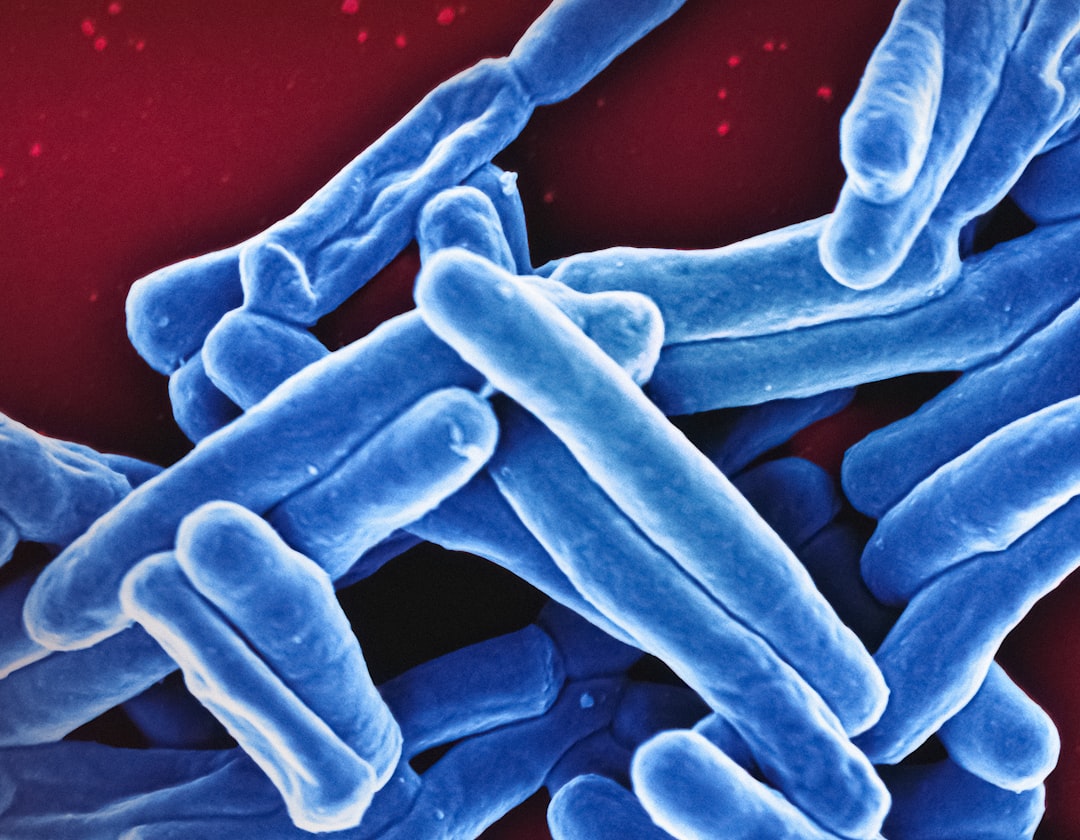
You stand on the precipice of a hidden universe, a teeming metropolis that resides within your very core. This is your gut microbiome, a dazzling constellation of trillions of microorganisms – bacteria, fungi, viruses, and archaea – that call your digestive tract home. For centuries, this internal ecosystem remained shrouded in mystery, a silent partner in your health journey. But now, thanks to groundbreaking scientific research, you are beginning to unlock its secrets, revealing a profound influence on everything from your mood to your immune system.
The journey of understanding your gut microbiome is a fascinating exploration of symbiosis, where you provide a nourishing environment, and in return, these tiny inhabitants perform a symphony of vital functions. It’s a relationship so intricate and powerful that it’s fundamentally reshaping our understanding of human health and disease. Prepare to delve into this microbial world, to discover the profound impact it has on your well-being, and to learn how you can cultivate a flourishing internal garden for optimal health.
You might think of yourself as a singular entity, but within you thrives a complex and dynamic ecosystem, far more populous than the entire human population of Earth. This is the essence of your gut microbiome, a bustling community that colonizes your intestines, primarily the large intestine. It’s not just a passive passenger; it’s an active participant, engaged in a constant dialogue with your body.
The Unseen Majority: What Makes Up Your Microbiome?
The dominant inhabitants of your gut microbiome are bacteria, making up the vast majority of these microorganisms. But don’t let the term “bacteria” conjure images of pathogens; a healthy microbiome is characterized by a diverse and balanced community. Among the most well-known bacterial phyla are Firmicutes and Bacteroidetes, which often exist in a delicate balance. You’ll also find smaller populations of Actinobacteria and Proteobacteria. Beyond bacteria, your gut hosts a variety of fungi, primarily yeasts like Candida, which are usually kept in check by the bacterial community. Viruses, too, play a role, with bacteriophages – viruses that infect bacteria – acting as regulators within this microbial ecosystem. The relative abundance and diversity of these various microbial groups are what define the unique identity of your microbiome.
More Than Just Bacteria: The Symbiotic Dance
Your relationship with your gut microbes is a beautiful example of symbiosis, a mutually beneficial partnership. You provide them with a warm, nutrient-rich environment, a place to thrive and reproduce. In return, they offer you an astonishing array of benefits that are essential for your survival and well-being. This constant exchange is the foundation of your gut health and, by extension, your overall health.
Colonization: From Birth to Adulthood
Your journey with your microbiome begins at birth. You are not born with a sterile gut; rather, you acquire your initial microbial colonists during passage through the birth canal. Vaginal delivery exposes newborns to a diverse community of maternal microbes, which are crucial for kick-starting their immune systems and digestive processes. Caesarean section, on the other hand, can lead to a different colonization pattern, often with more skin-associated microbes. This initial seeding sets the stage for the lifelong development of your microbiome, which continues to evolve and adapt throughout your life based on your diet, environment, lifestyle, and any medications you may take.
The gut microbiome plays a crucial role in our overall health, influencing everything from digestion to immune function. For a deeper understanding of this fascinating topic, you can explore a related article that delves into the intricate relationship between gut bacteria and mental health. To read more about this connection, visit Freaky Science.
The Gut’s Grand Architects: Essential Functions of Your Microbiome
Your gut microbiome is not merely a passive hitchhiker; it actively participates in crucial bodily functions. These microscopic workers are the unsung heroes behind many aspects of your health, and understanding their roles is key to appreciating their importance.
Nutrient Powerhouses: Digestion and Absorption
You are what you eat, but perhaps more accurately, you are what your microbiome helps you digest and absorb. While you possess enzymes to break down many food components, there are many carbohydrates, particularly complex fibers, that your digestive enzymes cannot fully process. This is where your gut bacteria shine. They possess the metabolic machinery to ferment these indigestible fibers, breaking them down into valuable short-chain fatty acids (SCFAs) like butyrate, propionate, and acetate.
TheSCFAs Symphony: More Than Just Energy
These SCFAs are far more than just a byproduct of digestion; they are potent signaling molecules with profound effects on your body. Butyrate, in particular, is the primary energy source for the cells lining your colon, the colonocytes. This sustained energy supply is vital for maintaining the integrity and function of your gut lining, forming a crucial barrier against harmful substances. Propionate and acetate also play roles in regulating blood sugar levels, influencing appetite, and even affecting brain function. So, when your microbes ferment fiber, they are essentially creating a personalized, highly effective nutritional supplement for you.
Vitamin Factories: Essential Micronutrient Synthesis
Your gut microbes are also remarkable vitamin factories. They can synthesize several essential vitamins that you might not be getting enough of from your diet, or that are difficult for your body to absorb on its own. These include B vitamins, such as biotin, folate, and B12, all of which are critical for numerous metabolic processes. They also play a role in the production of vitamin K, which is essential for blood clotting and bone health. This internal synthesis further underscores the symbiotic relationship, where your microbes contribute to your nutritional status.
Your First Line of Defense: Immune System Education
Perhaps one of the most crucial roles of your gut microbiome is its profound influence on your immune system. Your gut is home to a significant portion of your body’s immune cells, and the microbes living there act as constant educators, training and modulating your immune responses.
Priming the Immune System: Early Life Exposure
From your earliest days, the microbes you encounter begin to teach your developing immune system what is friend and what is foe. This process is critical for establishing immune tolerance, preventing your body from mounting unnecessary inflammatory responses against harmless substances or your own beneficial microbes. Without this early education, you are at a higher risk of developing allergies, autoimmune diseases, and other immune-related disorders.
Maintaining Gut Barrier Integrity: The Immune Gatekeeper
The SCFAs produced by your gut bacteria, particularly butyrate, play a vital role in maintaining the integrity of your gut lining. This lining acts as a physical barrier, preventing pathogens and undigested food particles from entering your bloodstream and triggering inflammatory responses. When this barrier is compromised – a condition often referred to as “leaky gut” – it can lead to systemic inflammation and contribute to a wide range of health issues.
Battling Invaders: Microbial Warfare
Your resident microbes are not just passive learners; they actively compete with harmful pathogens for resources and space. This “colonization resistance” is a powerful defense mechanism. A diverse and robust microbiome creates an unfavorable environment for invading microbes, making it harder for them to establish themselves and cause infection. Your beneficial gut bacteria can also produce antimicrobial substances that directly inhibit the growth of pathogens.
The Gut-Brain Connection: A Two-Way Street
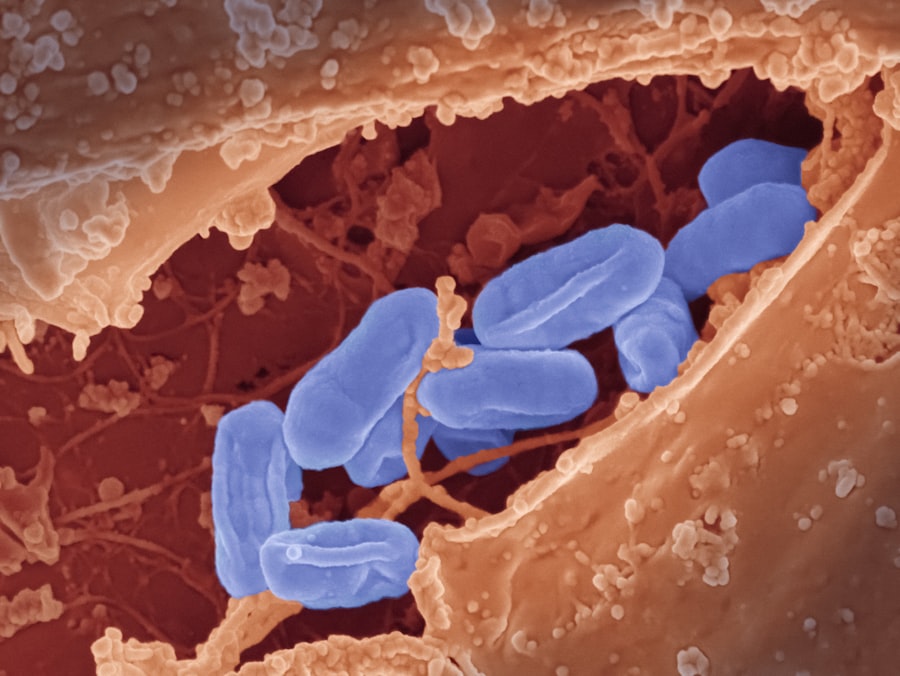
You’ve likely experienced the “gut feeling” – that intuitive sense originating from your stomach. This isn’t just a metaphor; it’s a tangible manifestation of the intricate bidirectional communication between your gut and your brain, a pathway heavily influenced by your microbiome. This “gut-brain axis” is a rapidly evolving area of research, consistently revealing the profound impact your microbial inhabitants have on your mental and emotional well-being.
The Vagus Nerve: The Information Superhighway
The vagus nerve is the primary communication channel connecting your gut to your brain. It’s like a superhighway, transmitting signals in both directions. Your gut microbes can influence the signals sent along the vagus nerve, impacting everything from your mood to your stress responses. For example, some gut bacteria can produce neurotransmitters like serotonin and GABA, which play crucial roles in regulating mood and anxiety.
Neurotransmitter Production: Chemical Messengers of Mood
Your gut microbiome is a major producer of neurotransmitters, the chemical messengers that govern your thoughts, feelings, and behaviors. In fact, a significant portion of the body’s serotonin, often dubbed the “feel-good” neurotransmitter, is produced in the gut. The types and amounts of neurotransmitters produced by your gut microbes can have a profound impact on your mood, anxiety levels, and even your sleep patterns. Imbalances in these microbial productions have been linked to conditions like depression and anxiety.
Stress and Inflammation: A Gut-Mind Loop
The gut-brain axis is also intimately involved in your body’s stress response. When you experience stress, your gut microbiome can be negatively affected, leading to an increase in inflammation. This inflammation can then send signals back to the brain, exacerbating feelings of anxiety and low mood, creating a vicious cycle. Conversely, a healthy and balanced microbiome can help to buffer your body against the negative effects of stress, promoting resilience and better emotional regulation.
Decoding the Signs: How Your Microbiome Affects Your Health
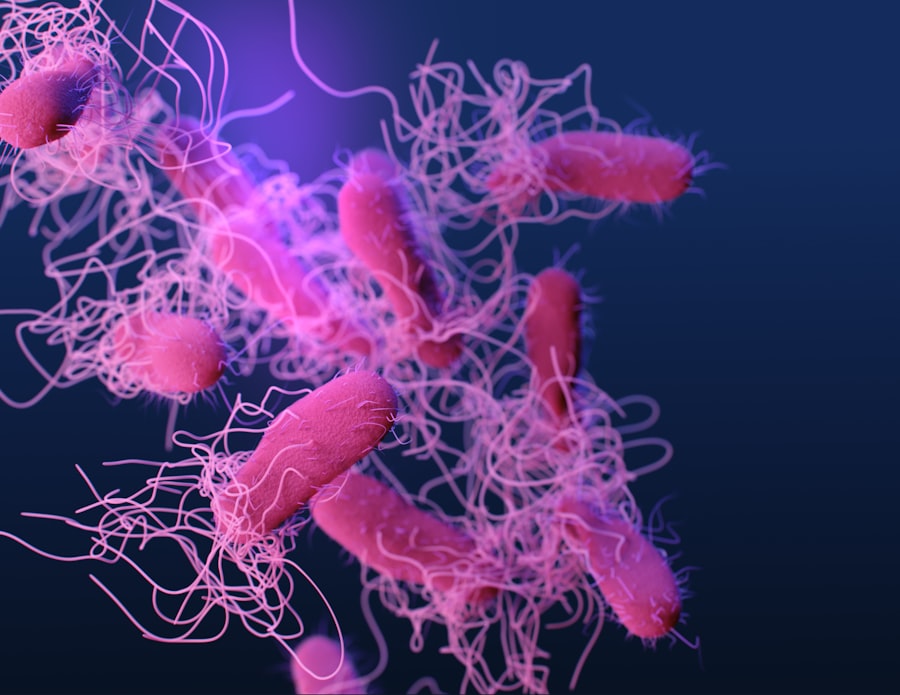
The influence of your gut microbiome extends far beyond digestion and mood; it’s implicated in a bewildering array of health conditions, both directly and indirectly. Understanding these connections empowers you to take proactive steps towards improving your overall well-being.
Digestive Disorders: The Microbiome’s Direct Impact
Many digestive ailments are intrinsically linked to the state of your gut microbiome. Conditions such as Irritable Bowel Syndrome (IBS), Inflammatory Bowel Disease (IBD) – including Crohn’s disease and ulcerative colitis – and even Celiac disease have been associated with specific microbial imbalances, often referred to as dysbiosis.
Irritable Bowel Syndrome (IBS): A Microbial Mosaic
For individuals with IBS, the culprit might lie in an altered composition of their gut bacteria. Some studies suggest that an overgrowth of bacteria in the small intestine (SIBO) or an imbalance in the types and amounts of bacteria in the large intestine contribute to symptoms like bloating, gas, abdominal pain, diarrhea, and constipation. The specific microbial signatures can vary, meaning that treatment approaches may also need to be personalized.
Inflammatory Bowel Disease (IBD): When the Gut Turns Against Itself
IBD is a chronic inflammatory condition of the digestive tract. While the exact causes are complex, an altered gut microbiome is widely believed to play a significant role. A loss of diversity, an increase in pro-inflammatory bacteria, and a decrease in beneficial bacteria that produce anti-inflammatory SCFAs are often observed in individuals with IBD. This dysbiosis can lead to a chronic, misguided immune response directed at the gut lining.
Beyond the Gut: Systemic Health Implications
The reach of your gut microbiome extends far beyond your digestive tract, impacting systemic health in surprising ways.
Metabolism and Weight Management: The Microbial Influence
Your gut microbes can influence how your body stores fat, regulates blood sugar, and metabolizes nutrients. Certain bacterial profiles have been linked to obesity, insulin resistance, and type 2 diabetes. For example, bacteria that are efficient at extracting energy from food may contribute to weight gain if not balanced by other species. The production of SCFAs also plays a role in appetite regulation and satiety signals.
Autoimmune Diseases: The Immune System’s Misguided Attacks
The role of the microbiome in autoimmune diseases is another area of intense research. A compromised gut barrier, coupled with an imbalanced microbiome, can lead to the immune system mistakenly attacking the body’s own tissues. This is thought to be due to a loss of immune tolerance, where the immune system fails to distinguish between foreign invaders and self-antigens.
Mental Health: A Deeper Connection Than You Think
As discussed in the gut-brain axis section, your gut microbes are intimately involved in producing neurotransmitters and influencing brain chemistry. Imbalances in the microbiome have been increasingly linked to a range of mental health conditions, including depression, anxiety, and even neurodevelopmental disorders like autism spectrum disorder. The field of psychobiotics – probiotics that offer mental health benefits – is a testament to this profound connection.
Allergies and Asthma: Early Life Imprinting
The early colonization of the gut microbiome is crucial for educating the immune system and preventing allergic responses. Studies have shown that individuals with a less diverse microbiome in infancy are at a higher risk of developing allergies and asthma later in life. The absence of certain beneficial bacteria might lead to a poorly regulated immune system that overreacts to harmless environmental allergens.
Understanding the gut microbiome is essential for grasping its impact on overall health, and you can explore this topic further in a related article. The intricate relationship between our gut bacteria and various bodily functions is fascinating, and it highlights the importance of maintaining a balanced microbiome. For more insights, check out this informative piece on the subject at Freaky Science, where you can learn about the latest research and findings in this evolving field.
Cultivating Your Inner Garden: Nurturing a Healthy Microbiome
| Aspect | Explanation |
|---|---|
| Definition | The gut microbiome refers to the trillions of microorganisms living in the digestive tract, including bacteria, viruses, fungi, and other microbes. |
| Importance | It plays a crucial role in digestion, immune system function, and overall health. |
| Diversity | A diverse gut microbiome is associated with better health outcomes, while a less diverse microbiome may be linked to certain health conditions. |
| Factors influencing | Diet, lifestyle, medications, and environmental factors can all impact the composition of the gut microbiome. |
The good news is that your gut microbiome is not a fixed entity. You have a remarkable capacity to influence its composition and function through your daily choices. Think of it as cultivating a vibrant inner garden.
The Foundation: Your Diet is Key
The most profound way you can nurture your gut microbiome is through your diet. What you eat directly feeds your microbial inhabitants, shaping their populations and activity.
Embrace Fiber: The Fuel for Beneficial Bacteria
Fiber is the undisputed superfood for your gut microbes. It’s the primary food source for many of the beneficial bacteria that produce SCFAs. Aim for a diverse range of fiber sources, including fruits, vegetables, whole grains, legumes, nuts, and seeds. As you increase your fiber intake, do so gradually to allow your gut to adapt and avoid discomfort.
Fermented Foods: Introducing Live Cultures
Fermented foods are a direct source of beneficial microbes. Incorporating options like yogurt (with live and active cultures), kefir, sauerkraut, kimchi, and kombucha can introduce a variety of helpful bacteria and yeasts into your gut. Look for products that are unpasteurized to ensure the live cultures are present.
Probiotics and Prebiotics: Strategic Support
- Probiotics: These are live microorganisms that, when administered in adequate amounts, confer a health benefit on the host. You can find them in supplements or in fermented foods. Choosing the right probiotic strain for your specific needs can be beneficial, but it’s always wise to consult with a healthcare professional.
- Prebiotics: These are non-digestible fibers that selectively stimulate the growth and/or activity of beneficial bacteria already residing in your gut. Think of them as the fertilizer for your inner garden. Good sources include onions, garlic, leeks, asparagus, bananas, and oats.
The Downside of Processed Foods and Sugars
Conversely, diets high in processed foods, refined sugars, and unhealthy fats can starve beneficial microbes and promote the growth of less desirable ones. These diets can lead to inflammation and contribute to dysbiosis. Limiting these foods is crucial for fostering a healthier gut ecosystem.
Lifestyle Matters: Beyond What You Eat
While diet is paramount, other lifestyle factors also play a significant role in shaping your gut microbiome.
Stress Management: The Gut’s Emotional Balance
As you’ve learned, stress can wreak havoc on your gut microbiome. Implementing effective stress management techniques – such as mindfulness, meditation, yoga, deep breathing exercises, or spending time in nature – can have a positive ripple effect on your gut health and alleviate stress-induced dysbiosis.
Sufficient Sleep: Repair and Regeneration
Your gut microbes, like the rest of your body, benefit from adequate sleep. During sleep, your body undergoes crucial repair and regeneration processes, and this includes supporting a healthy gut environment. Aim for 7-9 hours of quality sleep per night.
Regular Exercise: A Moving Microbe Community
Regular physical activity has been shown to promote a more diverse and robust gut microbiome. Exercise can increase the abundance of beneficial bacteria and enhance the production of SCFAs. Find an activity you enjoy and aim for consistency.
Avoiding Unnecessary Antibiotics: Preserving the Peace
Antibiotics are powerful medications designed to kill harmful bacteria, but they often have a collateral effect of wiping out beneficial bacteria as well. While antibiotics are sometimes necessary, it’s crucial to use them only when prescribed by a doctor and to avoid unnecessary use. If you do need to take antibiotics, consider actively working to restore your gut microbiome afterwards with probiotics and prebiotic-rich foods.
The Future of Gut Health: Personalized Approaches
The field of microbiome research is rapidly advancing, paving the way for increasingly personalized approaches to gut health. Understanding your unique microbial signature will allow for tailored dietary recommendations, targeted probiotic and prebiotic use, and even the development of novel therapies for a range of conditions. Your gut microbiome is a powerful ally in your pursuit of vibrant health, and by understanding and nurturing it, you are unlocking a profound pathway to a healthier, happier you. The journey of discovery continues, and with each new insight, you gain a deeper appreciation for the incredible world thriving within.

The Hidden Sense Inside Your Gut
FAQs
What is the gut microbiome?
The gut microbiome refers to the community of microorganisms, including bacteria, viruses, fungi, and other microbes, that live in the digestive tract of humans and other animals.
Why is the gut microbiome important?
The gut microbiome plays a crucial role in digestion, metabolism, immune function, and overall health. It helps break down food, produce essential nutrients, and protect against harmful pathogens.
How does the gut microbiome develop?
The gut microbiome begins to develop at birth and is influenced by factors such as genetics, diet, environment, and early microbial exposure. It continues to evolve throughout life.
What factors can affect the gut microbiome?
The gut microbiome can be influenced by diet, antibiotics, stress, age, and other lifestyle factors. Changes in the gut microbiome have been linked to various health conditions.
How can we support a healthy gut microbiome?
Maintaining a diverse and balanced diet rich in fiber, fermented foods, and prebiotics can help support a healthy gut microbiome. Avoiding unnecessary antibiotic use and managing stress can also contribute to gut health.