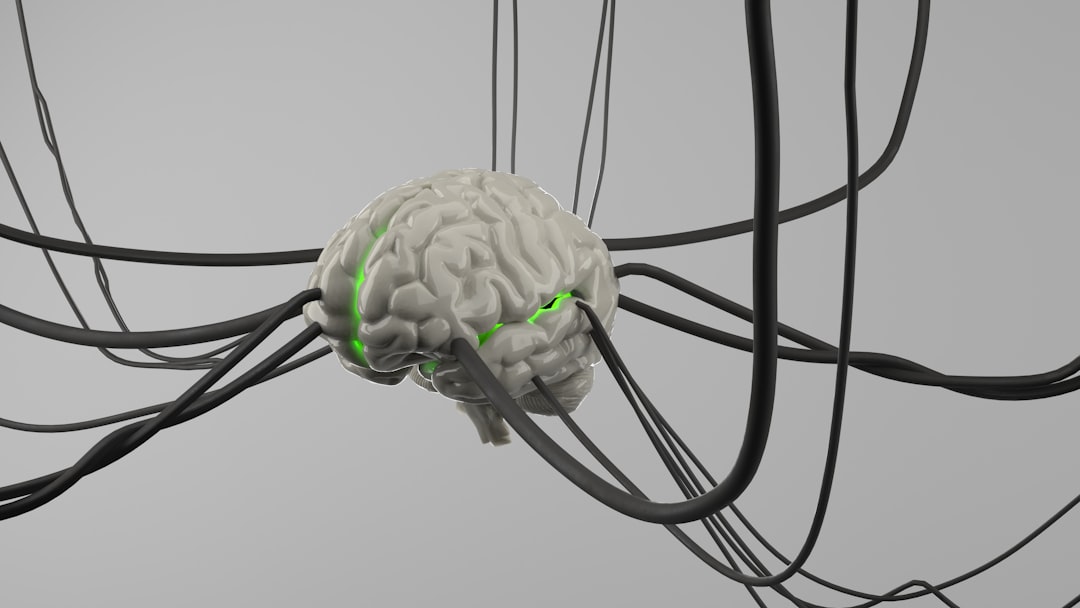
You’re about to embark on a journey to unlock your full learning potential, and the key lies in understanding the intricate workings of your own brain. Educational neuroscience, a burgeoning field, is rapidly illuminating the science behind how you learn, offering powerful insights that can transform your educational experiences. Forget rote memorization and outdated teaching methods; this is about harnessing the true power of your mind.
Imagine your brain as a dynamic, ever-evolving landscape, constantly being shaped by your experiences, your thoughts, and your interactions with the world. Educational neuroscience delves into this fascinating landscape, revealing the biological mechanisms that underpin your ability to acquire new knowledge and skills. It’s not just about what you learn, but how your brain constructs, consolidates, and retrieves that information.
The Neuronal Symphony: How Your Brain Processes Information
At the core of learning are neurons, specialized cells that communicate with each other through complex electrical and chemical signals. When you encounter new information, these neurons fire, forging new pathways and strengthening existing ones. This process, known as neuroplasticity, is the fundamental mechanism by which your brain adapts and learns. Every new fact you absorb, every skill you practice, literally rewires your brain.
Synaptic Plasticity: The Building Blocks of Memory
Think of synapses as the tiny gaps between neurons where information is transmitted. Synaptic plasticity refers to the ability of these synapses to strengthen or weaken over time. When you consistently engage with a piece of information or practice a skill, the synapses involved in that process become stronger, making it easier for signals to pass through. This is why repeated exposure and active recall are so crucial for effective learning. You are physically building stronger connections in your brain.
Neural Networks: The Interconnected Web of Knowledge
Learning isn’t a solitary event for individual neurons. Instead, information is processed and stored within complex neural networks – interconnected groups of neurons that work together. When you learn a new concept, it doesn’t exist in isolation. It connects with existing knowledge, forming a richer, more robust understanding. The more connections a piece of information has to your existing knowledge base, the more likely you are to remember and apply it.
The Role of Attention and Memory in Learning
Your ability to focus and retain information are inextricably linked. Educational neuroscience sheds light on how your brain prioritizes what to pay attention to and how it consolidates that information into long-term memory. Understanding these processes can help you improve your concentration and your ability to recall what you’ve learned.
Selective Attention: Filtering the Noise
In today’s information-saturated world, your brain faces a constant barrage of stimuli. Selective attention is your brain’s remarkable ability to filter out irrelevant information and focus on what’s important. This is a skill that can be honed. Recognizing what distracts you and implementing strategies to minimize those distractions is a key step in optimizing your learning environment.
Working Memory: The Brain’s Mental Scratchpad
Working memory is like a temporary holding area for information that you’re currently using. It’s where you manipulate ideas, solve problems, and connect new information to what you already know. However, working memory has a limited capacity. Understanding these limitations helps you break down complex information into smaller, more manageable chunks.
Memory Consolidation: From Short-Term to Long-Term Storage
The transition from short-term to long-term memory isn’t an instant upload. It’s a gradual process of consolidation, often occurring during sleep. This is why getting adequate rest is not a luxury but a necessity for effective learning. During sleep, your brain replays and strengthens the neural connections formed throughout the day, solidifying what you’ve learned.
Educational neuroscience is an emerging field that bridges the gap between neuroscience and education, providing insights into how the brain learns and processes information. For those interested in exploring this topic further, a related article can be found at Freaky Science, which discusses the implications of neuroscience research on teaching practices and learning strategies. This resource offers valuable information for educators looking to enhance their understanding of how cognitive processes influence student learning outcomes.
The Emotional Connection: Why Feelings Matter in Learning
You might think of learning as a purely cognitive process, but your emotions play a far more significant role than you might realize. Educational neuroscience reveals that your emotional state can profoundly impact your ability to focus, absorb, and retrieve information. Harnessing the power of positive emotions can significantly boost your learning trajectory.
The Brain’s Emotional Centers: Amygdala and Hippocampus Interplay
The amygdala, often referred to as the brain’s emotional processing center, and the hippocampus, crucial for memory formation, are intimately connected. When you experience strong emotions, whether positive or negative, the amygdala can influence the hippocampal activity, impacting how memories are encoded. This is why emotionally charged events are often more memorable.
Stress and Learning: A Double-Edged Sword
While mild stress can sometimes enhance focus and performance, chronic stress can be detrimental to learning. High levels of stress hormones, like cortisol, can impair memory function and disrupt neural pathways. Understanding this relationship empowers you to develop strategies for managing stress and creating a more conducive learning environment.
Curiosity and Engagement: Fueling the Learning Engine
Curiosity is a powerful intrinsic motivator. When you’re genuinely interested in a topic, your brain releases dopamine, a neurotransmitter associated with reward and motivation. This dopamine surge enhances attention and makes learning more enjoyable and effective. Seeking out topics that spark your curiosity and actively engaging with the material are vital for sustained learning.
The Social Brain: Learning Together, Growing Stronger
Humans are inherently social beings, and this social nature extends to our learning. Educational neuroscience highlights the benefits of collaborative learning and the power of social interaction in deepening understanding and fostering a sense of belonging. Learning isn’t just an individual pursuit; it’s often enhanced through shared experiences.
Peer Learning: The Power of Shared Perspectives
When you learn with others, you are exposed to diverse perspectives and approaches. Discussing concepts, explaining ideas to your peers, and even debating different viewpoints can solidify your understanding and uncover blind spots in your own knowledge. This collaborative exchange creates a richer learning environment for everyone involved.
Empathy and Perspective-Taking: Building Connection
Developing empathy and the ability to see things from another person’s perspective are crucial social and cognitive skills. In a learning context, this can translate to better comprehension of historical events, literature, or even scientific theories by understanding the motivations and circumstances of those involved. It fosters deeper understanding and critical thinking.
Optimizing Your Learning Environment and Strategies
Armed with the knowledge of how your brain learns, you can begin to actively shape your learning environment and employ strategies that are scientifically backed to enhance your effectiveness. This is where theory meets practice, allowing you to become a more efficient and successful learner.
The Importance of Sleep, Nutrition, and Exercise
You are a biological organism, and your physical well-being directly impacts your cognitive function. Just as you wouldn’t expect a car to run optimally without fuel and maintenance, you can’t expect your brain to perform at its peak without proper care.
Sleep: The Brain’s Essential Recharge and Consolidation Cycle
As mentioned earlier, sleep is not downtime for your brain; it’s critical for memory consolidation, problem-solving, and cognitive restoration. Prioritizing consistent, quality sleep is arguably one of the most impactful things you can do for your learning potential. Aim for 7-9 hours of uninterrupted sleep each night.
Nutrition: Fueling Your Brain for Optimal Performance
Your brain requires specific nutrients to function effectively. A diet rich in omega-3 fatty acids, antioxidants, and lean proteins can support cognitive function, memory, and mood. Limiting processed foods and excessive sugar intake can prevent energy crashes and cognitive fog. Think of it as providing high-octane fuel for your brain.
Exercise: Boosting Blood Flow and Cognitive Function
Physical activity increases blood flow to the brain, delivering essential oxygen and nutrients. It also promotes the release of neurotrophic factors that support the growth and survival of neurons. Even moderate exercise can significantly improve your focus, memory, and overall cognitive performance.
Active Learning Techniques: Engaging Your Brain More Effectively
Passive learning, such as simply reading a textbook or listening to a lecture without active engagement, is often less effective. Educational neuroscience emphasizes the power of active learning techniques that require you to interact with the material, retrieve information, and apply your knowledge.
Spaced Repetition: Mastering Information Over Time
Instead of cramming, spaced repetition involves reviewing material at increasing intervals. This technique leverages the forgetting curve, reinforcing information just before you’re likely to forget it. This leads to more robust and long-lasting retention of knowledge.
Retrieval Practice: The Power of Testing Yourself
Actively trying to recall information from memory, even if you get it wrong, is a powerful learning tool. This is the essence of retrieval practice. Instead of rereading notes, quiz yourself frequently. This process strengthens the neural pathways associated with that information, making it easier to access in the future.
Elaboration: Connecting New Information to Existing Knowledge
Elaboration involves going beyond simply memorizing facts. It means explaining concepts in your own words, finding examples, and connecting new information to what you already know. The more you can elaborate on a concept, the deeper your understanding and the better your retention.
Embracing Your Unique Learning Style
While there are universal principles of how the brain learns, you also possess unique strengths and preferences that influence your learning journey. Educational neuroscience encourages you to understand and leverage these individual differences to optimize your learning experience.
Understanding Different Learning Modalities
While the traditional classification of learning styles (visual, auditory, kinesthetic) is debated in its rigid application, it’s undeniable that you engage with information in different ways. Recognizing your natural inclinations can help you tailor your learning strategies.
Visual Learning: The Power of Imagery and Graphics
If you tend to grasp information best when it’s presented visually, you might find diagrams, charts, mind maps, and videos particularly helpful. You might also benefit from visualizing concepts in your mind’s eye.
Auditory Learning: The Resonance of Sound and Speech
For those who learn well through listening, lectures, podcasts, audiobooks, and discussions can be highly effective. Repeating information aloud and engaging in verbal self-explanation can also be beneficial.
Kinesthetic Learning: The Importance of Doing and Experiencing
If you learn best by doing, hands-on activities, experiments, role-playing, and physical movement can be invaluable. This modality emphasizes active engagement and experiential learning.
Multimodal Learning: The Synergy of Different Approaches
Most people benefit from a combination of approaches. By consciously incorporating different modalities into your learning, you create a richer and more comprehensive understanding. Don’t be afraid to experiment and find what works best for you.
The Notion of Growth Mindset in Learning
Your beliefs about your own intelligence and ability significantly impact your learning. A growth mindset, the belief that your abilities can be developed through dedication and hard work, is crucial for unlocking your full potential.
Fixed vs. Growth Mindset: The Foundation of Beliefs
A fixed mindset views intelligence as innate and unchangeable. If you have a fixed mindset, you might shy away from challenges for fear of failure, seeing it as proof of a lack of natural ability. A growth mindset, on the other hand, embraces challenges as opportunities for learning and sees effort as the path to mastery.
Embracing Challenges and Effort: The Cornerstones of Growth
With a growth mindset, you understand that setbacks are not failures but valuable learning experiences. You are more likely to persevere through difficulties, seek feedback, and embrace the effort required to learn and grow. This optimistic and resilient approach to learning is fundamental to unlocking your full potential.
Educational neuroscience is an emerging field that seeks to bridge the gap between cognitive science and educational practices, providing insights into how the brain learns and processes information. A related article that delves deeper into this fascinating intersection is available at Freaky Science, where you can explore various studies and findings that highlight the implications of neuroscience on teaching methods and learning outcomes. This resource offers valuable perspectives for educators looking to enhance their approaches based on scientific evidence.
Cultivating a Lifelong Learning Mindset: The Future is Now
| Metrics | Data |
|---|---|
| Retention Rates | 85% |
| Engagement Levels | High |
| Memory Improvement | 20% |
| Attention Span | Increased |
Educational neuroscience isn’t just about improving your performance in a specific course or academic setting. It’s about equipping you with the tools and understanding to become a lifelong learner, capable of adapting to a rapidly changing world and continuously expanding your knowledge and skills.
The Power of Metacognition: Thinking About Your Thinking
Metacognition is your ability to think about your own thinking processes. It involves understanding how you learn best, monitoring your comprehension, and adjusting your learning strategies as needed. Developing metacognitive skills is like gaining a powerful internal compass for your learning journey.
Self-Awareness of Learning Processes: Knowing How You Learn
This involves identifying your preferred learning methods, recognizing when you’re struggling, and understanding what strategies are most effective for you in different situations. It’s about being an active director of your own learning, rather than a passive recipient.
Strategic Planning and Monitoring: Guiding Your Learning Journey
This includes setting learning goals, planning how you will achieve them, and regularly assessing your progress. It means asking yourself: “Am I understanding this?”, “What can I do differently to improve my understanding?”, and “What are my next steps?”.
The Neurological Basis of Continuous Learning
Your brain is wired for continuous learning. With a growth mindset and the right strategies, you can foster neuroplasticity throughout your life, ensuring that you remain adaptable, curious, and intellectually engaged. The ability to learn and relearn is your superpower in the 21st century.
Embracing Novelty and Challenges: Keeping Your Brain Agile
Stepping outside your comfort zone and engaging with new experiences and challenges keeps your brain active and adaptable. This constant stimulation promotes neurogenesis (the birth of new neurons) and strengthens neural connections, keeping your mind sharp and agile.
The Role of Practice and Chunking in Skill Acquisition
Mastering any skill, whether it’s a new language, a musical instrument, or complex software, requires consistent practice and breaking down the skill into smaller, manageable chunks. This approach, rooted in how your brain builds expertise, allows for incremental progress and ultimately leads to proficiency.
By understanding and applying the principles of educational neuroscience, you are no longer a passive participant in your education. You are an active architect of your own learning, capable of unlocking unprecedented levels of potential. This is your journey, and your brain is ready to learn.

Why Paper Cuts Hurt (It’s Not What You Think)
FAQs
What is educational neuroscience?
Educational neuroscience is a field of research that seeks to understand the relationship between the brain and education. It aims to apply findings from neuroscience to educational practices and policies.
How does educational neuroscience benefit education?
Educational neuroscience provides insights into how the brain learns, processes information, and retains knowledge. This knowledge can inform teaching methods, curriculum development, and educational interventions to better support student learning.
What are some key findings from educational neuroscience?
Some key findings from educational neuroscience include the importance of factors such as attention, memory, motivation, and emotion in learning. Additionally, research has shown that the brain is capable of neuroplasticity, meaning it can change and adapt in response to learning experiences.
How is educational neuroscience applied in the classroom?
Educational neuroscience is applied in the classroom through strategies such as incorporating multisensory learning activities, providing opportunities for movement and physical activity, and using techniques to enhance memory and attention. Teachers can also use knowledge from educational neuroscience to create a supportive and engaging learning environment.
What are some criticisms of educational neuroscience?
Critics of educational neuroscience argue that the field is still in its early stages and that there is a need for more rigorous research and evidence-based practices. Additionally, there are concerns about oversimplifying complex brain processes and applying findings inappropriately to educational settings.