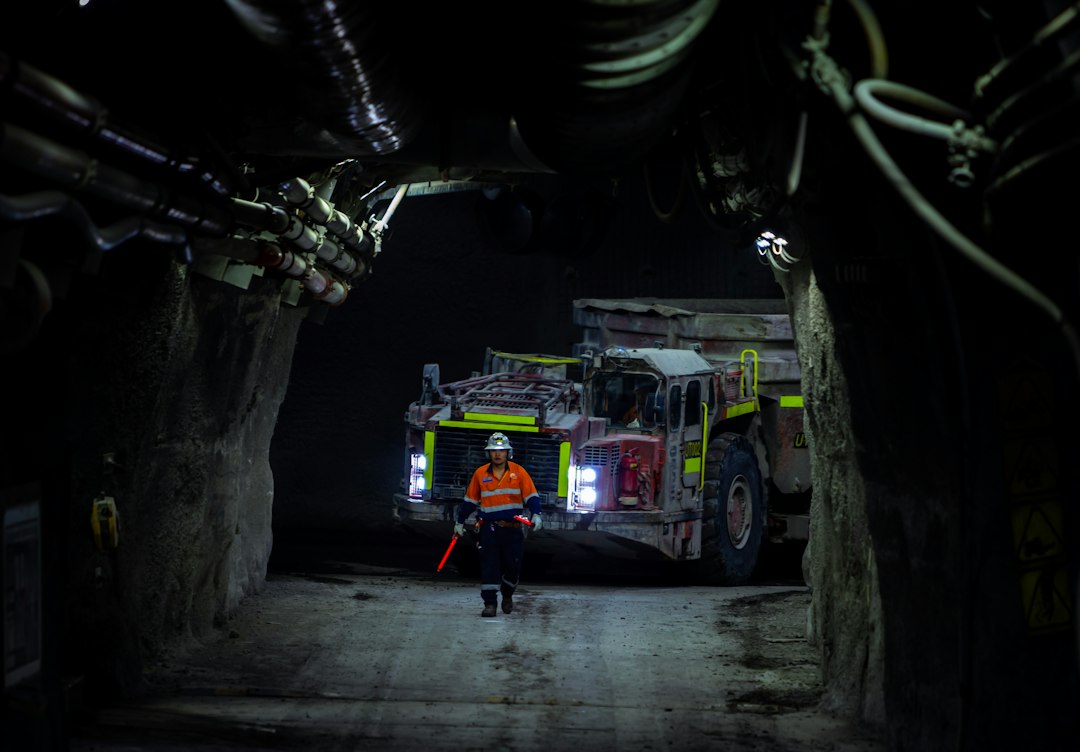
Deep Earth Exploration: Unlocking the Planet’s Hidden Mysteries
The Earth, our vibrant blue marble, is a place of perpetual fascination. From the deepest oceanic trenches to the highest mountain peaks, humanity has strived to understand the intricate processes that shape our world. Yet, beneath the familiar surface, lies a vast and largely unexplored realm – the Earth’s interior. For centuries, scientists have gazed at the ground, pondering the composition, dynamics, and history contained within. Now, through the remarkable feat of deep drilling, researchers are finally peeling back the layers of this enigmatic domain, venturing kilometers beneath our feet to unlock its profound secrets.
This endeavor is not merely about satisfying curiosity; it is about understanding the fundamental forces that govern our planet. The rocks, fluids, and heat found deep underground hold clues to Earth’s formation, the genesis of life, the origin of earthquakes and volcanic eruptions, and the distribution of vital resources. The challenges are immense, pushing the boundaries of engineering, material science, and scientific ingenuity. Yet, the potential rewards are equally staggering, promising a paradigm shift in our comprehension of Earth and its place in the cosmos.
The allure of the subsurface has long captivated the human imagination. From tales of subterranean kingdoms to the practical pursuit of minerals, the idea of exploring what lies beneath has been persistent. However, scientific deep drilling is a more recent and sophisticated endeavor, driven by specific, critical questions about our planet. The motivation behind these ambitious projects is multifaceted, spanning geological understanding, resource exploration, and even the search for life’s origins.
Understanding Plate Tectonics and Earth’s Dynamic Core
One of the most significant drivers for deep drilling is the desire to comprehend the mechanisms of plate tectonics, the grand theory that explains the movement of Earth’s lithospheric plates and the geological phenomena associated with them.
Witnessing Plate Boundaries in Action
Plate boundaries are where the most dramatic geological events occur: earthquakes, volcanic eruptions, and mountain formation. However, directly observing these processes at significant depths has been extremely challenging. Deep boreholes can provide direct access to fault zones and subduction zones, allowing scientists to deploy sensors and collect samples that offer unprecedented insights into the stresses, strains, and fluid pressures that drive these immense geological forces. By drilling into active fault lines, researchers can monitor seismic activity in real-time, potentially improving earthquake prediction and understanding.
Investigating Mantle Convection and Heat Flow
Beneath the crust lies the mantle, a vast, semi-molten layer that is in constant, slow motion. This convection is the engine that drives plate tectonics. Deep drilling projects, particularly those that aim to reach the deeper parts of the crust and the uppermost mantle, can provide direct measurements of temperature gradients and heat flow. These data are crucial for validating and refining models of mantle convection, helping scientists understand how heat is transferred from Earth’s core to the surface, influencing everything from volcanic activity to the long-term evolution of our planet.
Delving into Earth’s Water Cycle and Hydrothermal Systems
The Earth’s water cycle is a complex and vital system, and a significant portion of it exists deep beneath the surface. Understanding this hidden hydrological network is crucial for managing water resources and comprehending geological processes.
Mapping Subsurface Aquifers and Fluid Flow
Deep drilling allows for the direct exploration of vast, underground aquifers that hold enormous quantities of fresh water. These projects can help map the extent and connectivity of these reservoirs, assess their quality, and understand the pathways of groundwater flow over geological timescales. This information is invaluable for sustainable water management, especially in regions facing water scarcity.
Studying Hydrothermal Vents and Their Role in Geochemistry
Hydrothermal vents, both on the ocean floor and within continental crust, are crucial sites for chemical exchange between the Earth’s interior and its surface. Deep drilling can access these systems, allowing scientists to study the unique geochemistry and biology associated with them. These extreme environments are often rich in dissolved minerals and harbor specialized life forms, providing insights into the potential for life on other planets and the origins of life on Earth.
The Quest for Earth’s Deep Biosphere and the Origins of Life
Perhaps one of the most astonishing discoveries in recent decades has been the existence of a vast and diverse biosphere hidden deep within the Earth’s crust. This “deep biosphere” thrives in conditions previously thought to be uninhabitable, challenging our understanding of the limits of life.
Discovering Microbial Life in Extreme Environments
Deep drilling projects have consistently revealed the presence of microbial life in rocks and fluids kilometers below the surface. These organisms, often chemotrophs that derive energy from chemical reactions rather than sunlight, exist in high-pressure, high-temperature, and often anoxic environments. Studying these microbes provides crucial insights into the adaptability of life and the potential for life to exist in similar extreme conditions on other celestial bodies.
Investigating the Genesis of Life on Earth
The deep subsurface, with its ancient rocks and isolated environments, is considered a prime candidate for the crucible in which life on Earth first arose. By drilling into ancient geological formations, scientists can search for chemical biomarkers and fossilized evidence of early life. Understanding the conditions and chemical pathways that led to the emergence of life in these deep environments could revolutionize our understanding of abiogenesis.
Scientists have made remarkable advancements in drilling techniques, allowing them to reach depths of several kilometers underground to study the Earth’s crust and mantle. This process not only helps in understanding geological formations but also aids in the exploration of natural resources. For a deeper insight into the methods and technologies used in deep drilling, you can read a related article at Freaky Science.
Engineering the Impossible: Technologies Pushing the Depths
Drilling kilometers into the Earth’s crust and mantle is an engineering marvel. The extreme conditions encountered – immense pressure, high temperatures, and abrasive rock formations – demand innovative solutions and robust technologies.
Scientists have made remarkable advancements in drilling techniques, allowing them to reach depths of kilometers underground to study the Earth’s crust and mantle. This process not only helps in understanding geological formations but also plays a crucial role in exploring natural resources. For a deeper insight into the methods and technologies used in these drilling projects, you can read a related article that delves into the intricacies of this fascinating field. Check it out here.
Advanced Drilling Techniques and Equipment
The core of deep drilling lies in the development and application of specialized drilling techniques and equipment. Traditional rotary drilling methods are often insufficient for the extreme depths and challenging geological conditions.
Rotary Drilling with Advanced Drill Bits
While seemingly conventional, rotary drilling at extreme depths involves highly specialized drill bits made from diamond or tungsten carbide. These bits are designed to withstand immense forces and abrasion, while continuously cutting through hard rock. The efficiency of these bits is crucial for reducing drilling time and costs.
Innovative Drilling Fluids and Mud Systems
Drilling fluids, often referred to as “drilling mud,” play a vital role in deep drilling operations. They lubricate the drill bit, cool the borehole, carry rock cuttings to the surface, and help stabilize the borehole walls. At extreme depths, these fluids must be engineered to withstand high temperatures and pressures without degrading. Specialized additives are used to control viscosity, density, and chemical reactivity.
Directional Drilling and Wellbore Stability
Achieving specific targets deep underground often requires directional drilling, where the borehole deviates from a vertical path. Advanced downhole motors and measurement-while-drilling (MWD) tools enable precise control over the drill bit’s trajectory. Maintaining wellbore stability is paramount, as the immense pressures can cause the borehole walls to collapse. Casing and cementing techniques are critical for reinforcing the borehole and preventing fluid migration.
Monitoring and Sampling in Extreme Environments
Once a borehole reaches its target depth, the real scientific work begins. This involves deploying sophisticated instruments to monitor conditions and collect samples, all while operating in an environment that would quickly destroy conventional equipment.
Downhole Sensors for Real-Time Data Acquisition
A suite of specialized downhole sensors is deployed to measure parameters such as temperature, pressure, seismic activity, fluid composition, and magnetic fields. These sensors, often designed to withstand thousands of bars of pressure and hundreds of degrees Celsius, transmit real-time data to the surface, providing an unprecedented look at the subsurface.
Core Sampling and Analysis Techniques
Collecting intact rock and fluid samples from deep within the Earth is a critical aspect of research. Specialized coring tools are used to retrieve cylindrical samples of rock, preserving their original structure and composition. Fluid samples are collected using downhole samplers that can operate under extreme pressure. These samples are then meticulously analyzed in laboratories to determine their mineralogy, geochemistry, isotopic composition, and even the presence of ancient or extant life.
The Role of Robotics and Automation
As drilling depths increase, so does the risk to human personnel. Robotics and automation are becoming increasingly important in deep drilling operations. Remotely operated vehicles (ROVs) and autonomous underwater vehicles (AUVs), adapted for terrestrial environments, can be used for inspection, maintenance, and even sample collection in hazardous zones. Automated drilling systems can also improve efficiency and safety.
Landmark Projects and Their Discoveries: A Glimpse into the Abyss
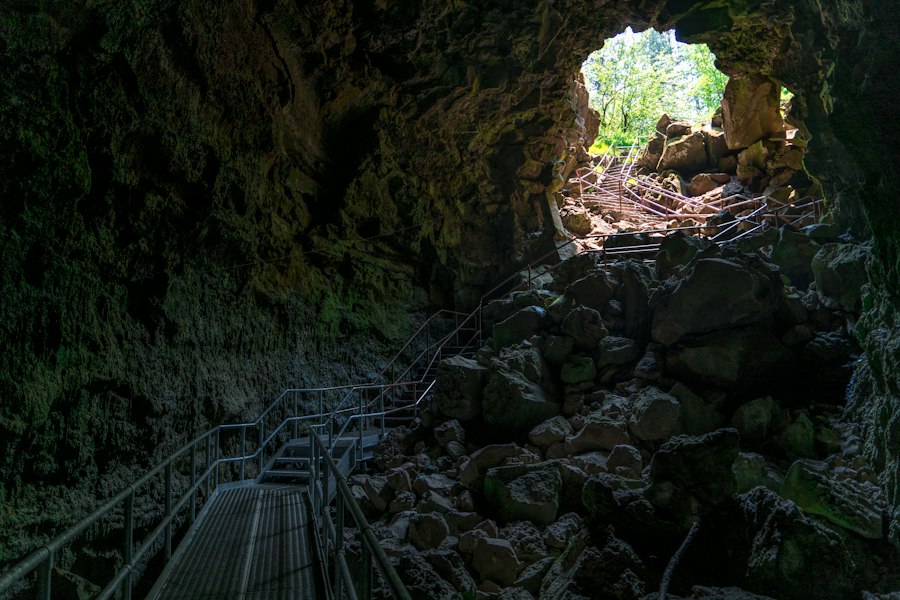
Several ambitious deep drilling projects have already yielded remarkable insights into Earth’s interior, rewriting textbooks and inspiring future explorations. These endeavors, often international collaborations, represent the pinnacle of scientific and engineering achievement.
The Kola Superdeep Borehole: A Window into the Crust
The Kola Superdeep Borehole, located on the Kola Peninsula in Russia, stands as a testament to human ambition in deep Earth exploration. This project, initiated in 1970 and continuing for over two decades, achieved an astonishing depth of 12,262 meters (approximately 7.6 miles).
Unveiling the Nature of the Continental Crust
The Kola borehole provided the first direct glimpse into the deep continental crust. Prior to this project, much of our understanding was based on seismic data and theoretical models. The samples and data collected revealed surprising information about the composition and physical properties of the lower crust, including the presence of fluid-filled fractures and unexpected mineral assemblages.
Challenging Seismic Interpretations of the Crust-Mantle Boundary
One of the most significant findings from Kola was its challenge to established interpretations of the Mohorovičić discontinuity (the Moho), the boundary between the crust and the mantle. Seismic data had suggested a relatively sharp transition, but the borehole encountered a more gradual change, with evidence of mixed rock types and fluids. This led to a reevaluation of how seismic waves are interpreted at these depths.
The Discovery of Microbial Fossils at Extreme Depths
Perhaps one of the most astonishing discoveries at Kola was the finding of microscopic fossils and organic matter in rocks at depths of over 6.7 kilometers. This provided compelling evidence for the existence of a deep biosphere and suggested that life could thrive in conditions previously considered too extreme.
The IODP: Exploring the Ocean Floor’s Secrets
The International Ocean Discovery Program (IODP) is a global collaborative research program that drills into the seafloor to study Earth’s history and processes. While not always achieving the extreme depths of continental boreholes, IODP projects are crucial for understanding the Earth’s crust formed at mid-ocean ridges and subduction zones.
Investigating the Oceanic Crust and Its Formation
IODP expeditions have sampled vast portions of the oceanic crust, revealing the complex processes of seafloor spreading and magma intrusion. These studies provide fundamental insights into the generation and evolution of oceanic lithosphere, a critical component of plate tectonics.
Studying Subduction Zones and the Formation of Earthquakes
Subduction zones, where one tectonic plate slides beneath another, are responsible for much of Earth’s seismic and volcanic activity. IODP has undertaken numerous projects in these regions, drilling into the interfaces between plates to directly sample the materials involved, understand the fluid pressures, and monitor seismic events, contributing to better earthquake hazard assessments.
Uncovering Evidence of Past Climates and Extinctions
Sediments cored from the seafloor act as a historical archive of Earth’s climate and environment. IODP has recovered sediment cores spanning millions of years, providing invaluable data on past climate change, sea-level fluctuations, and the causes of mass extinction events, offering crucial context for understanding current climate change.
Ongoing and Future Projects: Pushing the Envelope
The drive to explore Earth’s interior continues with new, ambitious projects on the horizon, aiming to push beyond previous limits and address remaining scientific frontiers.
The International Ocean Discovery Program (IODP) – Continued Expansion
IODP continues to evolve, with new expeditions planned to explore the deepest parts of the ocean basins and the most active tectonic settings. Future plans include drilling in areas of extreme hydrothermal activity and exploring the role of methane hydrates in the Earth system.
The European Consortium for Ocean Research Drilling (ECORD) – Deep Carbon Observatory
ECORD, a key partner in IODP, is also involved in initiatives like the Deep Carbon Observatory, which aims to quantify and understand the global carbon cycle, including its deep terrestrial reservoirs. This involves drilling in continental rift zones and areas of intense volcanic activity to better understand how carbon is exchanged between the Earth’s interior and its atmosphere.
National Initiatives and Private Sector Involvement
Beyond large international collaborations, individual nations and even private companies are investing in deep drilling research. These initiatives can focus on specific regional geological questions or the exploration of critical resources, often pushing technological boundaries in the process.
The Unseen Impacts: Resources, Hazards, and the Future
The knowledge gained from deep drilling has profound implications that extend far beyond fundamental scientific understanding. It directly impacts our access to vital resources, our ability to mitigate natural hazards, and our long-term stewardship of the planet.
Resource Exploration: Fueling Our Future and Understanding Earth’s Wealth
The subsurface is a repository of numerous valuable resources, and deep drilling is crucial for their discovery and sustainable extraction.
Geothermal Energy: Harnessing Earth’s Internal Heat
Geothermal energy is a clean, renewable energy source derived from the heat within the Earth. Deep drilling is essential for accessing high-temperature geothermal reservoirs, allowing for the generation of electricity. Understanding the subsurface thermal regime through drilling is critical for developing and expanding this vital energy sector.
Critical Minerals and Hydrocarbons: Essential for Modern Society
While the focus is shifting towards sustainability, deep drilling remains fundamental for the exploration and extraction of critical minerals and hydrocarbons that are essential for modern life. Understanding the geological formations and fluid pathways at depth is key to efficient and responsible resource management. This includes the search for rare earth elements, vital for advanced technologies, and the ongoing exploration for oil and gas reserves.
Groundwater Resources: A Lifeline for Humanity
As mentioned earlier, deep drilling is instrumental in understanding and accessing vast subsurface groundwater reserves. This is particularly important in arid and semi-arid regions, where surface water is scarce. Sustainable management of these deep aquifers requires detailed knowledge of their extent, recharge rates, and connectivity, all of which are informed by drilling data.
Hazard Mitigation: Predicting and Protecting Against Earth’s Fury
The Earth’s dynamic nature presents significant natural hazards. Deep drilling offers crucial insights that can help us better predict and mitigate these risks.
Earthquake Prediction and Understanding Fault Behavior
By drilling into active fault zones, scientists can deploy sensitive instruments to monitor stress accumulation, fluid pressure changes, and micro-seismic activity. This data is vital for developing more accurate models of earthquake rupture and, potentially, for improving early warning systems. Understanding the role of fluids in fault slip is a major focus of deep drilling research.
Volcanic Activity Monitoring and Eruption Prediction
Deep boreholes near active volcanoes can provide direct access to the magma chamber and hydrothermal systems. By monitoring temperature, pressure, and gas composition at these depths, scientists can gain valuable insights into magma ascent and the likelihood of future eruptions, aiding in evacuation planning and hazard mitigation.
Managing Subsurface Risks: CO2 Sequestration and Waste Disposal
As humanity grapples with climate change, the concept of carbon capture and storage (CCS) involves injecting CO2 deep underground. Deep drilling and extensive subsurface characterization are essential to ensure the long-term safety and integrity of these storage sites, preventing leakage and potential environmental damage. Similarly, understanding the geological formations at depth is critical for the safe disposal of hazardous waste.
The Future of Deep Exploration: A Deeper Understanding Awaits
The journey into Earth’s interior is far from over. As technology advances and our scientific questions evolve, deep drilling will continue to be a cornerstone of Earth science.
Integrated Earth System Models: Connecting the Surface and the Deep
Future research will likely focus on integrating data from deep drilling with other Earth system observations, such as satellite data, atmospheric measurements, and oceanographic studies. This will allow for the development of more comprehensive and accurate models that can simulate the complex interactions between Earth’s various spheres, from the core to the atmosphere.
The Search for Extraterrestrial Life: Lessons from Earth’s Depths
The discovery of life in Earth’s deep biosphere has profound implications for the search for life beyond our planet. Studying the unique adaptations and metabolic pathways of these extremophiles provides valuable analogues and strategies for exploring potentially habitable environments on Mars, icy moons like Europa, and beyond. Deep drilling research on Earth is, in essence, a terrestrial analogue for astrobiological exploration.
Education and Public Engagement: Inspiring the Next Generation
The awe-inspiring nature of deep drilling exploration has the power to ignite curiosity and inspire future generations of scientists and engineers. Communicating the importance and excitement of these projects to the public is crucial for fostering support and encouraging young minds to pursue careers in STEM fields. The stories of unlocking Earth’s secrets are powerful narratives that can captivate and educate.
In conclusion, the act of drilling kilometers underground represents humanity’s relentless pursuit of knowledge. It is a testament to our ingenuity, our resilience, and our profound desire to understand the very foundations of our existence. Each kilometer penetrated, each rock sample retrieved, and each sensor reading collected brings us closer to unlocking the Earth’s deepest secrets, revealing not only the planet’s past and present but also illuminating the path towards a more sustainable and informed future. The Earth’s interior, once a realm of speculation, is steadily transforming into a landscape of scientific discovery, shaped by the remarkable endeavor of deep drilling.
We Drilled 12 KM Into Earth—Then the Rock Started Bending
FAQs
1. What is the purpose of drilling kilometers underground for scientists?
Scientists drill kilometers underground to study the Earth’s subsurface, collect rock samples, and access resources such as oil, gas, and minerals.
2. How do scientists drill kilometers underground?
Scientists use specialized drilling equipment such as drill rigs, drill bits, and drilling fluids to bore deep into the Earth’s crust. This process can involve both vertical and horizontal drilling techniques.
3. What challenges do scientists face when drilling kilometers underground?
Challenges scientists face when drilling kilometers underground include high temperatures, high pressures, rock formations, and the risk of equipment failure. Additionally, accessing and extracting samples from such depths can be time-consuming and costly.
4. What technologies are used to study the samples collected from kilometers underground?
Scientists use various technologies such as X-ray diffraction, electron microscopy, and geochemical analysis to study the composition and properties of the rock samples collected from kilometers underground. These analyses help researchers understand the Earth’s history, geology, and potential resources.
5. What are some of the discoveries made by scientists drilling kilometers underground?
Scientists drilling kilometers underground have made discoveries such as new species of microorganisms living deep within the Earth’s crust, ancient water reservoirs, and valuable mineral deposits. These discoveries contribute to our understanding of the Earth’s geology and potential for sustainable resource extraction.