The growing concerns surrounding atmospheric carbon dioxide (CO2) concentrations have spurred a diverse array of research and industrial initiatives aimed at mitigating climate change. Among these, carbon mineralization, particularly through the utilization of ultramafic rocks, presents a compelling avenue for permanent CO2 sequestration. This article explores the scientific principles, industrial applications, and inherent challenges associated with “Unlocking Carbon Mineralization: Ultramafic Rocks Industry.”
Carbon mineralization, in its fundamental essence, describes the process by which CO2 reacts with certain minerals to form stable carbonate minerals. This natural geological process, often referred to as chemical weathering, has been occurring on Earth for eons, playing a crucial role in regulating atmospheric CO2 levels over geological timescales. The deliberate acceleration of this process forms the core of many carbon capture and storage (CCS) strategies.
Ultramafic Rocks: Nature’s Carbon Sponges
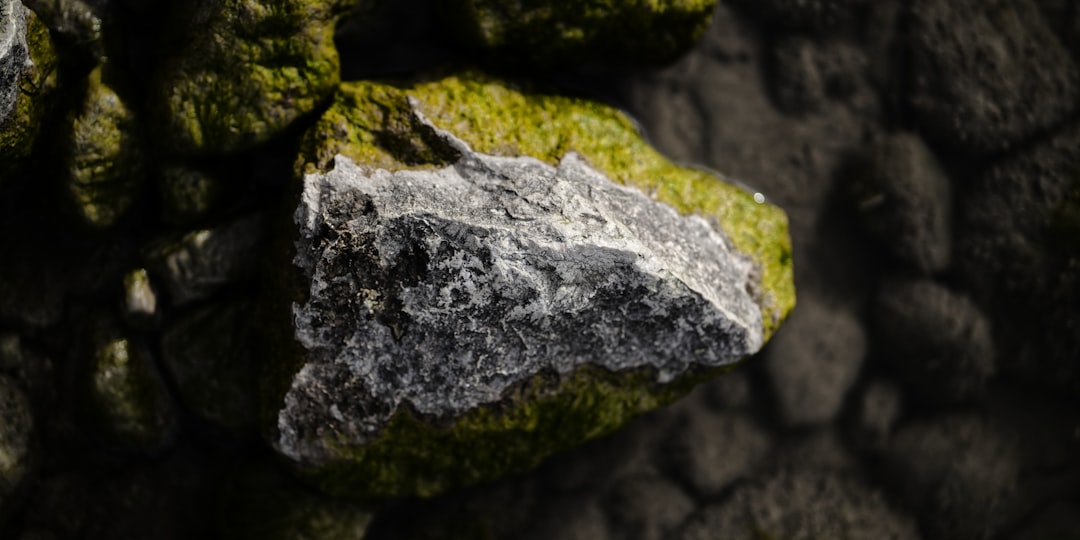
Ultramafic rocks, such as peridotite and serpentinite, are igneous and metamorphic rocks rich in magnesium and iron. Their unique mineralogical composition, particularly the presence of silicates like olivine and pyroxene, makes them ideal candidates for carbon mineralization. These minerals react exothermically with CO2, forming stable magnesium and calcium carbonates (e.g., magnesite and calcite). Think of these rocks as dormant chemical sponges, ready to absorb CO2 when activated.
Key Mineral Reactions
The primary reactions involved in carbon mineralization using ultramafic rocks can be broadly categorized as follows:
- Serpentinization: This natural process, prevalent in many ultramafic rock formations, involves the hydration of olivine and pyroxene to form serpentine minerals. While not directly sequestering CO2, serpentinization increases the reactive surface area and forms minerals like brucite, which readily reacts with CO2.
- Carbonation of Silicates: The direct reaction of silicates (e.g., olivine) with CO2 in the presence of water forms carbonates and silica. This is the ultimate goal of direct carbon mineralization.
- Carbonation of Hydroxides: Minerals like brucite (magnesium hydroxide), often formed during serpentinization, react very rapidly with CO2 to form magnesium carbonate. This intermediate step can significantly accelerate the overall carbonization process.
The kinetics of these reactions are influenced by factors such as temperature, pressure, pH, and the availability of water. Understanding and optimizing these parameters is critical for industrial application.
The carbon mineralization industry, particularly in ultramafic rocks, is gaining traction as a sustainable solution for carbon dioxide sequestration. A related article that delves into the latest advancements and research in this field can be found at Freaky Science. This resource provides insights into the processes involved in mineralizing carbon and highlights the potential of ultramafic rocks in mitigating climate change.
Industrial Approaches to Carbon Mineralization
The application of carbon mineralization using ultramafic rocks can be broadly categorized into in-situ and ex-situ methods, each with its own set of advantages and challenges.
In-Situ Carbon Mineralization
In-situ mineralization involves injecting CO2 directly into subsurface ultramafic rock formations. This approach leverages the natural geological setting, aiming for permanent storage without the need for extensive above-ground infrastructure for rock processing. Picture this as injecting air into a vast underground chamber, where the walls themselves are designed to chemically absorb the injected gas.
Enhanced Weathering
Enhanced weathering, a form of in-situ mineralization, focuses on accelerating natural weathering processes. This often involves techniques such as hydraulic fracturing to increase the reactive surface area of ultramafic rocks, followed by the injection of CO2-rich fluids. The challenge here lies in ensuring efficient contact between the CO2 and the reactive minerals within the vast subsurface.
Basaltic CO2 Storage
While technically not ultramafic, basaltic rocks, which share some geochemical similarities, are also being explored for in-situ carbon mineralization. Projects like CarbFix in Iceland demonstrate the viability of injecting CO2 into basalt formations, where it rapidly mineralizes within a few years. This success offers valuable insights applicable to ultramafic rock formations.
Ex-Situ Carbon Mineralization
Ex-situ mineralization involves excavating ultramafic rocks, crushing them, and then reacting them with CO2 in controlled industrial settings. This approach offers greater control over reaction conditions and kinetics but necessitates significant energy inputs for mining, comminution, and processing. Imagine bringing the “sponges” to a dedicated facility to absorb the CO2 under optimized conditions.
Direct Carbonation of Minerals
In ex-situ settings, direct carbonation processes are developed to maximize the conversion of reactive minerals into carbonates. This typically involves:
- Comminution: Crushing and grinding the rocks to increase surface area, a highly energy-intensive step.
- Leaching: Dissolving the reactive metals (Mg, Ca) from the minerals using acidic solutions.
- Precipitation: Reacting the metal-rich leachate with CO2 to precipitate carbonate minerals.
Accelerated Weathering Reactors
Advanced reactor designs are being developed to optimize the conditions for carbon mineralization, including:
- Slurry Reactors: Ultramafic rock particles are suspended in a CO2-saturated solution, maximizing contact and reaction rates.
- Fluidized Bed Reactors: Similar to slurry reactors, but with enhanced mixing and heat transfer capabilities.
- Pressurized Reactors: Operating at elevated pressures can increase the solubility of CO2 and accelerate reaction kinetics.
The primary objective of these ex-situ methods is to achieve high CO2 uptake efficiency and rapid mineralization rates, alongside the potential to produce valuable co-products.
Potential Co-Products and Economic Value
Beyond carbon sequestration, the ultramafic rock industry holds the potential to generate valuable co-products, which can significantly enhance the economic viability of carbon mineralization projects. This represents a crucial distinction from traditional CCS, where economic incentives often rely solely on avoided emissions.
Magnesium-Based Materials
The abundant magnesium in ultramafic rocks can be extracted and used to produce a range of industrial materials:
- Magnesium Oxide (MgO): A fundamental industrial chemical used in refractories, construction, and agriculture.
- Magnesium Hydroxide (Mg(OH)2): Used as a flame retardant, antacid, and wastewater treatment chemical.
- Magnesium Carbonates: While carbon sequestration directly forms these, purified forms can be used in specialty applications.
Nickel and Cobalt Recovery
Many ultramafic deposits are enriched in economically significant metals such as nickel and cobalt. Integration of metal recovery processes with carbon mineralization could create a multi-revenue stream:
- Nickel: A critical metal for batteries, stainless steel, and alloys.
- Cobalt: Essential for high-performance batteries, superalloys, and catalysts.
The development of efficient and environmentally sound methods for metal extraction alongside carbon capture is an active area of research and development. It is an opportunity to transform a climate solution into a resource recovery initiative.
Challenges and Future Outlook

While carbon mineralization using ultramafic rocks offers a promising pathway for CO2 sequestration, several significant challenges must be addressed for widespread industrial deployment.
Reaction Kinetics and Efficiency
One of the primary challenges is the relatively slow intrinsic reaction rate of many ultramafic minerals with CO2 under ambient conditions. Overcoming this requires:
- Process Intensification: Developing innovative reactor designs and operating conditions (temperature, pressure, pH) to accelerate mineralization.
- Catalyst Development: Identifying and employing catalysts that can lower the activation energy of the carbonation reactions.
- Surface Modification: Treating rock surfaces to enhance reactivity and increase CO2 uptake.
Improving the efficiency of CO2 uptake and the rate of mineralization is paramount to the economic viability of these projects.
Energy Consumption and Footprint
Ex-situ mineralization processes, in particular, can be energy-intensive. Grinding rocks to fine powders, heating reaction mixtures, and pumping fluids require significant energy inputs. This energy footprint must be carefully managed to ensure that the overall process is genuinely carbon-negative.
Renewable Energy Integration
To mitigate the energy impact, significant efforts are focused on:
- Optimizing Comminution: Developing more energy-efficient grinding technologies.
- Waste Heat Recovery: Utilizing waste heat from industrial processes to drive carbon mineralization.
- Renewable Energy Sources: Powering the entire process with solar, wind, or geothermal energy.
The net energy balance and overall lifecycle CO2 emissions must be rigorously assessed for each project.
Resource Availability and Siting Considerations
While ultramafic rocks are widespread globally, the accessibility of suitable deposits near CO2 emission sources is a key consideration. Factors influencing site selection include:
- Geological Characteristics: Sufficient reserves of reactive minerals and suitable hydrogeological conditions for in-situ approaches.
- Infrastructure: Proximity to CO2 sources, transportation networks, and available land for processing facilities.
- Environmental Impact: Minimizing the environmental footprint of mining and processing operations.
Careful geological surveys and comprehensive environmental impact assessments are essential precursors to any large-scale deployment.
Policy and Regulatory Frameworks
Effective policy and regulatory frameworks are crucial to incentivize and facilitate the growth of the ultramafic rock carbon mineralization industry. This includes:
- Carbon Pricing Mechanisms: Establishing robust carbon pricing or credit systems that make carbon mineralization economically competitive.
- Permitting and Licensing: Streamlining the permitting processes for mining, CO2 transport, and storage operations.
- Research and Development Funding: Continued investment in fundamental and applied research to overcome technical barriers.
A supportive regulatory environment can unlock significant private investment and accelerate technological advancements.
The carbon mineralization process in ultramafic rocks has gained significant attention in recent years due to its potential in combating climate change. This innovative approach not only helps in sequestering carbon dioxide but also utilizes naturally occurring minerals to enhance the efficiency of carbon capture. For those interested in exploring more about the advancements in this field, a related article can be found at Freaky Science, which discusses the latest research and developments in carbon mineralization technologies. This could provide valuable insights into how the ultramafic rocks industry is evolving to address environmental challenges.
Conclusion
| Metric | Value | Unit | Notes |
|---|---|---|---|
| CO2 Sequestration Capacity | 0.3 – 0.5 | tons CO2 per ton of rock | Depends on mineral composition and processing method |
| Reaction Time | 1 – 12 | hours | Time for carbonation reaction under optimized conditions |
| Energy Consumption | 100 – 300 | kWh per ton CO2 sequestered | Varies with process technology and scale |
| Typical Feedstock | Serpentine, Olivine | – | Common ultramafic minerals used for carbonation |
| Carbonation Efficiency | 60 – 90 | % | Percentage of CO2 converted to stable carbonate minerals |
| Scale of Operation | Pilot to Commercial | – | Industry is transitioning from pilot projects to commercial scale |
| Typical Particle Size | 10 – 100 | micrometers | Particle size affects reaction kinetics and efficiency |
| Carbonate Product Stability | Geological Timescale | – | Carbonates formed are stable over millions of years |
The ultramafic rock carbon mineralization industry stands as a promising frontier in the quest for effective climate change mitigation. By leveraging Earth’s natural geochemical processes, this industry offers a path towards permanent and verifiable CO2 sequestration, with the added benefit of potential co-product generation. While challenges remain in optimizing reaction kinetics, minimizing energy consumption, and scaling operations, the ongoing research, technological innovations, and evolving policy landscapes present a compelling future for this nascent yet impactful sector. As you consider the multifaceted approaches to climate change, remember that deep within Earth’s mantle, there are rocks poised to play a pivotal role in creating a more sustainable future. Unlocking their potential is not merely a scientific endeavor but a societal imperative.

WATCH NOW ▶️ SHOCKING: Why Your Air Is Literally A Lie
FAQs
What is carbon mineralization in ultramafic rocks?
Carbon mineralization is a natural process where carbon dioxide (CO2) reacts with ultramafic rocks, such as peridotite and serpentinite, to form stable carbonate minerals. This process effectively captures and stores CO2 in a solid, long-term form, helping to reduce greenhouse gas levels in the atmosphere.
Why are ultramafic rocks suitable for carbon mineralization?
Ultramafic rocks are rich in magnesium and calcium, which readily react with CO2 to form carbonate minerals like magnesite and calcite. Their high reactivity and abundance make them ideal candidates for carbon mineralization efforts aimed at carbon capture and storage.
How is the carbon mineralization process applied in the industry?
In the industry, carbon mineralization involves extracting ultramafic rocks, crushing them to increase surface area, and exposing them to CO2 either directly from industrial emissions or captured from the atmosphere. The CO2 chemically binds with the minerals in the rock, forming stable carbonates that can be stored safely underground or used in construction materials.
What are the environmental benefits of carbon mineralization in ultramafic rocks?
Carbon mineralization offers a permanent and safe method of CO2 storage, reducing greenhouse gas concentrations and mitigating climate change. Additionally, it can utilize waste materials from mining operations and reduce the environmental impact of CO2 emissions from industrial sources.
What challenges does the carbon mineralization industry face?
Challenges include the energy and cost requirements for mining, processing, and transporting ultramafic rocks, as well as the need to scale up the technology for significant CO2 capture. Additionally, ensuring the long-term stability of stored carbonates and minimizing environmental impacts during the process are ongoing concerns.