You’ve probably never given it much thought, but the very air you breathe, the seemingly inexhaustible supply of nitrogen, is largely useless to you. Not directly, anyway. That vast ocean of N₂ gas, making up approximately 78% of our atmosphere, is incredibly stable, its two nitrogen atoms locked together by a powerful triple bond. This bond is so strong that it takes an immense amount of energy to break, rendering atmospheric nitrogen inaccessible to most living organisms, including plants, which are the very foundation of your food chain.
However, there’s a chemical wizardry at play, a feat of human ingenuity that has fundamentally reshaped our world: the production of ammonia. This seemingly simple molecule, NH₃, is the gateway to unlocking the atmospheric nitrogen we so desperately need. Ammonia is the linchpin in the creation of fertilizers, which have enabled agriculture to feed billions, prevented widespread famine, and supported a global population that would otherwise be impossible to sustain. It’s the silent hero behind the abundance of food on your plate and the clothes on your back, as nitrogen is also crucial for producing many synthetic fibers. Understanding how you, as humanity, have learned to wrangle that stubborn N₂ gas into the usable form of ammonia is a journey into the heart of industrial chemistry and a testament to your scientific progress.
The core of ammonia production lies in overcoming the formidable strength of the triple covalent bond between two nitrogen atoms (N≡N). This bond is one of the strongest known in chemistry, requiring a significant energy input to cleave. Imagine trying to break two pieces of steel welded together with immense force – that’s the kind of challenge nature presented with atmospheric nitrogen.
Why is the N₂ Bond So Strong?
- Electron Configuration: Nitrogen atoms have a specific electron arrangement. In the N₂ molecule, each nitrogen atom contributes electrons to form three shared pairs, creating the triple bond. This sharing of six electrons results in an exceptionally stable and low-energy state for the molecule.
- Bond Dissociation Energy: The energy required to break this triple bond is exceptionally high, approximately 945 kilojoules per mole (kJ/mol). To put this into perspective, breaking the double bond in oxygen (O₂) requires about 498 kJ/mol, and the single bond in hydrogen (H₂) requires around 436 kJ/mol. This stark difference highlights the difficulty of dissociating nitrogen.
- Inertness of Nitrogen Gas: Because of this strong bond, nitrogen gas (N₂) is remarkably unreactive under normal conditions. It doesn’t readily combine with other elements, which is why it can fill our atmosphere without causing spontaneous combustion or other undesirable reactions.
Biological Nitrogen Fixation: Nature’s Solution
While you might think of ammonia production as purely an industrial endeavor, it’s important to acknowledge that nature has had its own elegant solutions for millennia. Biological nitrogen fixation is a process carried out by certain microorganisms, primarily bacteria, that possess the enzyme nitrogenase.
The Role of Nitrogenase
- Enzyme Power: Nitrogenase is a complex metalloenzyme that contains iron and molybdenum. It is capable of catalyzing the reduction of N₂ to ammonia at ambient temperatures and pressures, a feat that eluded chemists for a long time.
- Symbiotic Relationships: Many nitrogen-fixing bacteria live symbiotically with plants, particularly legumes like peas, beans, and clover. The bacteria reside in root nodules of these plants, receiving carbohydrates from the plant and, in return, providing the plant with a steady supply of fixed nitrogen in the form of ammonia.
- Significance to Ecosystems: This natural process is crucial for the fertility of soils and the overall health of terrestrial ecosystems. It’s the primary way nitrogen enters the biosphere, supporting plant growth and, consequently, the entire food web.
Early Chemical Attempts and the Haber-Bosch Breakthrough
Before the Haber-Bosch process, attempts to synthesize ammonia chemically were inefficient and uneconomical. Various methods were explored, often involving electric arcs or high-temperature reactions, but none could produce ammonia on an industrial scale.
The Dawn of Industrial Synthesis
- Early Efforts: Scientists experimented with reacting nitrogen with hydrogen under extreme conditions, but yields were low, and the energy costs were prohibitive.
- Fritz Haber’s Vision: The German chemist Fritz Haber, driven by the potential for ammonia in fertilizer production and, later, for explosives during wartime, dedicated himself to finding a more practical solution.
- The Crucial Discovery of Catalysis: Haber’s crucial insight was the development of an effective catalyst. He discovered that certain metal oxides, particularly iron oxides, could significantly lower the activation energy required to break the N₂ triple bond, allowing the reaction to proceed at more manageable temperatures and pressures.
Ammonia production from atmospheric nitrogen is a critical process for sustainable agriculture and industrial applications. A related article that delves into innovative methods and technologies for ammonia synthesis can be found at Freaky Science. This resource explores various approaches to harnessing nitrogen from the atmosphere, highlighting advancements that could revolutionize the way we produce this essential compound while minimizing environmental impact.
The Haber-Bosch Process: A Revolution in Ammonia Synthesis
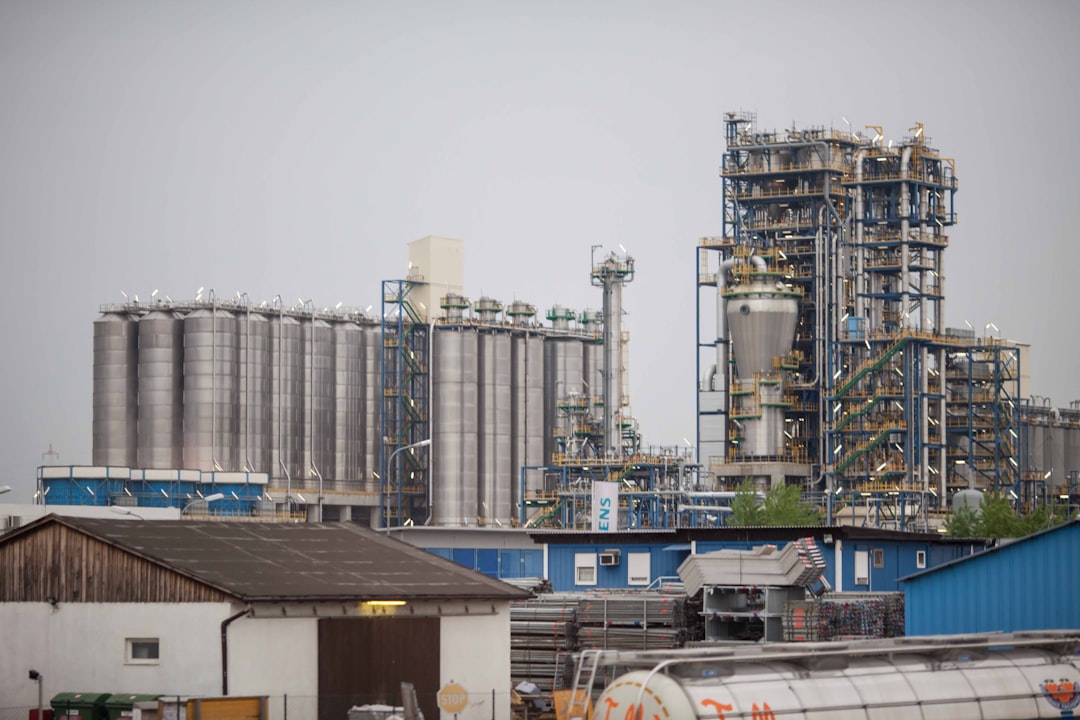
The Haber-Bosch process, named after Fritz Haber and Carl Bosch, stands as one of the most significant chemical engineering achievements of the 20th century. It’s the industrial workhorse for ammonia production, responsible for the vast majority of the ammonia synthesized globally. This process involves the direct reaction of nitrogen gas from the air with hydrogen gas.
The Core Reaction: N₂ + 3H₂ ⇌ 2NH₃
This seemingly simple chemical equation represents a complex industrial operation. The reaction is reversible and exothermic, meaning it releases heat. To optimize ammonia production, several factors must be carefully controlled.
The Equilibrium Challenge
- Le Chatelier’s Principle: The reaction is governed by Le Chatelier’s principle. Since the forward reaction (forming ammonia) produces fewer moles of gas (4 moles of reactants to 2 moles of product), high pressure favors the formation of ammonia. Conversely, the reaction releases heat, so lower temperatures would favor the equilibrium shift towards ammonia.
- Kinetic vs. Thermodynamic Control: However, at low temperatures, the reaction rate becomes exceedingly slow. Therefore, a compromise is struck between thermodynamics (favoring high ammonia yield) and kinetics (ensuring a reasonable reaction speed). This is where catalysts and optimized operating conditions become critical.
Recent advancements in ammonia production from atmospheric nitrogen have sparked significant interest in sustainable agricultural practices. Researchers are exploring innovative methods to harness nitrogen from the air, which could lead to more environmentally friendly fertilizers. For a deeper understanding of these developments, you can read a related article that discusses the implications of this technology on global food security and environmental sustainability. To learn more, visit this article.
Key Components and Stages of the Haber-Bosch Process
The Haber-Bosch process isn’t just a single reaction vessel; it’s a carefully orchestrated series of steps designed to maximize efficiency and yield.
1. Hydrogen Production
Hydrogen gas is a crucial reactant, and its production is a significant part of the overall process. The most common method for producing hydrogen for ammonia synthesis is steam reforming of natural gas.
Steam Reforming of Natural Gas
- The Primary Feedstock: Natural gas, primarily methane (CH₄), is the most economical source of hydrogen for large-scale ammonia production.
- The Reaction: Methane reacts with steam (H₂O) at high temperatures (700-1000 °C) and pressures in the presence of a catalyst (typically nickel-based) to produce hydrogen and carbon monoxide (CO).
CH₄ + H₂O → CO + 3H₂
- Water-Gas Shift Reaction: The carbon monoxide produced in the first step is further reacted with steam in a water-gas shift reaction to produce more hydrogen and carbon dioxide (CO₂).
CO + H₂O → CO₂ + H₂
- Carbon Dioxide Removal: The carbon dioxide produced needs to be removed from the gas mixture as it can poison the catalyst used in the ammonia synthesis step. This is typically achieved through absorption using solutions like potassium carbonate or monoethanolamine.
Other Hydrogen Production Methods
While steam reforming of natural gas is dominant, other methods are used or being explored, especially in regions with different resource availability or for sustainability reasons.
- Electrolysis of Water: This method uses electricity to split water into hydrogen and oxygen. It’s a clean method if the electricity is from renewable sources, but currently more expensive for large-scale production.
- Coal Gasification: In some regions, coal is used as a feedstock to produce hydrogen, but this is a more carbon-intensive process.
2. Ammonia Synthesis Loop
This is the heart of the Haber-Bosch process where nitrogen and hydrogen are directly combined to form ammonia.
The Reactor
- Catalyst Bed: The synthesis gas (a mixture of nitrogen and hydrogen, ideally in a 1:3 molar ratio) is fed into a high-pressure reactor containing the ammonia synthesis catalyst.
- Catalyst Composition: The most common catalyst is iron-based, often promoted with small amounts of other oxides like potassium oxide (K₂O) or aluminum oxide (Al₂O₃). These promoters enhance the catalyst’s activity and stability.
- Operating Conditions: The reaction typically occurs at temperatures between 400-500 °C and pressures ranging from 150 to 350 atmospheres (atm), or even higher in some modern plants. These conditions are a careful balance to achieve a reasonable reaction rate and a satisfactory equilibrium conversion of nitrogen and hydrogen to ammonia.
Separation and Recycling
- Cooling and Condensation: As the hot gas mixture exits the reactor, it is cooled. Ammonia has a much higher boiling point than nitrogen and hydrogen, so it condenses into a liquid under pressure.
- Ammonia Removal: The liquid ammonia is then separated from the unreacted nitrogen and hydrogen.
- Recycling Unreacted Gases: The unreacted nitrogen and hydrogen are recycled back into the synthesis loop, continuously fed back into the reactor to maximize the overall conversion of reactants to ammonia. This recycling is critical for the economic viability of the process, as achieving high single-pass conversion is difficult.
3. Ammonia Purification
While the primary ammonia is condensed, further purification steps are often necessary depending on the intended use.
Removing Impurities
- Trace Water and Inert Gases: Any remaining water vapor or inert gases that might have built up in the system are removed.
- Specific Purity Standards: For applications like chemical synthesis or refrigeration, very high purity ammonia is required, necessitating additional purification stages.
The Role of Catalysts in Haber-Bosch
The discovery and development of effective catalysts were absolutely paramount to the success of the Haber-Bosch process. Without them, the reaction would proceed too slowly to be economically viable.
Evolution of Ammonia Catalysts
- Haber’s Initial Catalyst: Haber’s initial breakthrough involved using finely divided iron as a catalyst, often activated by small amounts of alkali metals.
- Bosch’s Improvements: Carl Bosch, an engineer, focused on scaling up the process and improving the catalyst’s durability and efficiency. He developed methods for producing more robust and active iron catalysts, often promoted with oxides like aluminum oxide and potassium oxide.
- Modern Catalysts: Today’s catalysts are highly sophisticated, optimized for specific operating conditions and feedstocks. While iron-based catalysts remain dominant, research continues into alternative catalytic materials and structures to further improve efficiency and reduce energy consumption.
Environmental and Societal Impacts of Ammonia Production

The Haber-Bosch process has had profound and far-reaching consequences for human civilization and the planet. Its impact is a complex tapestry of benefits and drawbacks that you continue to grapple with.
The Fertilizer Revolution and Food Security
The most direct and arguably most positive impact of ammonia production has been on global food security.
Feeding the World
- Enabling High-Yield Agriculture: Ammonia is the primary ingredient in synthetic nitrogen fertilizers. These fertilizers provide plants with the essential nitrogen they need for growth, leading to significantly higher crop yields than would be possible with natural nutrient cycles alone.
- Preventing Famine: It is estimated that the Haber-Bosch process currently supports the food production for roughly half of the world’s population. Without it, widespread famine would be a constant threat.
- Supporting Population Growth: The ability to produce more food has been a key factor enabling the dramatic population growth experienced in the last century.
Industrial Applications of Ammonia
Beyond agriculture, ammonia is a vital industrial chemical with a wide range of uses.
Beyond Fertilizers
- Production of Nitric Acid: Ammonia is a key precursor in the production of nitric acid (HNO₃), which is used in the manufacture of explosives, dyes, and other chemicals.
- Synthetic Fibers: Ammonia is used in the production of synthetic fibers like nylon and rayon, which are ubiquitous in clothing and textiles.
- Refrigeration: Anhydrous ammonia is an effective and widely used refrigerant in industrial applications due to its thermodynamic properties.
- Cleaning Products: Dilute ammonia solutions are common in household cleaning products.
- Pharmaceuticals: Ammonia and its derivatives are used in the synthesis of various pharmaceutical compounds.
The Environmental Footprint
While undeniably beneficial, the Haber-Bosch process also carries a significant environmental burden.
Energy Intensity
- High Energy Demand: The Haber-Bosch process is extremely energy-intensive, primarily due to the high temperatures and pressures required for the synthesis reaction and the energy needed for hydrogen production, often from fossil fuels.
- Greenhouse Gas Emissions: The steam reforming of natural gas, the primary method of hydrogen production, releases substantial amounts of carbon dioxide (CO₂), a potent greenhouse gas. This contributes to climate change.
Eutrophication and Water Pollution
- Nitrogen Runoff: The widespread use of nitrogen fertilizers can lead to excess nitrogen entering waterways through agricultural runoff.
- Algal Blooms and Oxygen Depletion: This excess nitrogen can cause eutrophication, leading to explosive growth of algae (algal blooms). When these algae die and decompose, they consume dissolved oxygen in the water, creating hypoxic or anoxic zones that are harmful or fatal to aquatic life.
Air Pollution
- Ammonia Emissions: Ammonia can be emitted from fertilizer application and storage, contributing to air pollution and the formation of fine particulate matter.
- Nitrous Oxide Emissions: In certain conditions, nitrogen fertilizers can be converted to nitrous oxide (N₂O), another potent greenhouse gas, through microbial processes in the soil.
Modern Innovations and the Future of Ammonia Production
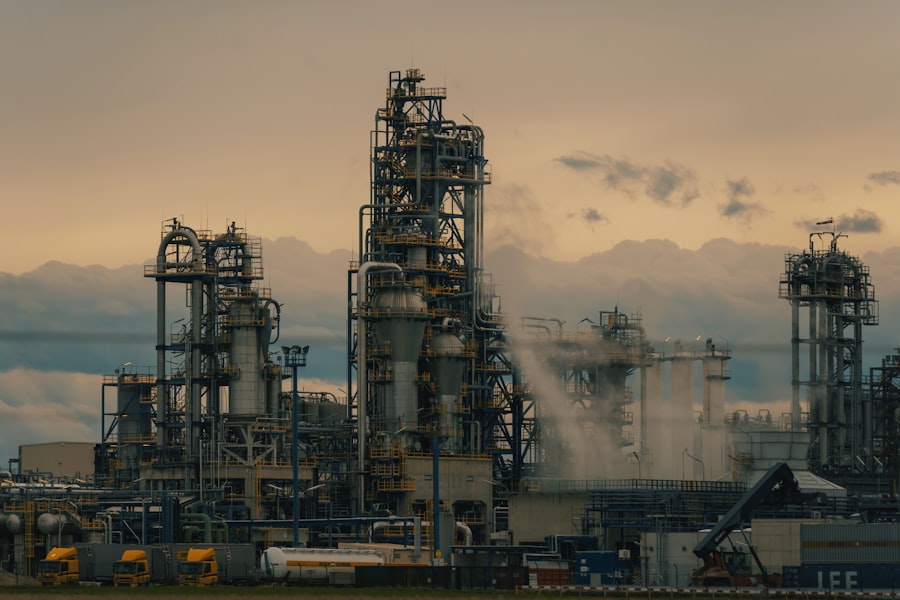
Recognizing the environmental challenges associated with traditional ammonia production, significant research and development efforts are underway to make the process more sustainable and less impactful.
Greening the Haber-Bosch Process
The focus is on reducing the energy intensity and the reliance on fossil fuels.
Green Hydrogen Production
- Electrolysis with Renewables: The most promising avenue is the production of “green hydrogen” through the electrolysis of water powered by renewable energy sources like solar, wind, or hydroelectric power. This eliminates the CO₂ emissions associated with steam reforming.
- Challenges: Scaling up green hydrogen production to meet the massive demand for ammonia synthesis remains a significant technological and economic challenge.
Carbon Capture and Utilization (CCU)
- Mitigating CO₂ Emissions: For processes that still rely on steam reforming, carbon capture technologies can be employed to capture the CO₂ produced. This captured CO₂ can then be stored underground or utilized in other industrial processes.
Alternative Feedstocks and Processes
- Biomass Gasification: Research is exploring the use of biomass as a feedstock for hydrogen production, offering a potentially renewable alternative to natural gas.
- Direct Electrochemical Ammonia Synthesis: Scientists are investigating novel electrochemical methods that could directly synthesize ammonia from nitrogen and water at ambient temperatures and pressures, potentially bypassing the energy-intensive Haber-Bosch process. This is a long-term research goal with the potential for a paradigm shift.
- Photocatalytic Ammonia Synthesis: Another area of research involves using light energy to drive the direct conversion of nitrogen and water into ammonia, mimicking natural processes.
Optimizing Existing Processes
Even within the conventional Haber-Bosch framework, there are ongoing efforts to improve efficiency.
Enhanced Catalysts
- Lower Operating Temperatures and Pressures: Developing new catalysts that can operate effectively at lower temperatures and pressures would significantly reduce energy consumption.
- Increased Longevity and Activity: Improving the durability and activity of existing catalysts means less frequent replacement and higher production rates.
Process Intensification
- Modular and Distributed Production: Exploring smaller, modular ammonia plants that can be located closer to agricultural areas could reduce transportation costs and emissions.
- Integration with Renewable Energy Sources: Designing ammonia plants that are more closely integrated with intermittent renewable energy sources is crucial for enabling widespread green ammonia production.
The Role of Ammonia as a Hydrogen Carrier
Beyond its role in fertilizers, ammonia is gaining attention as a potential carrier for hydrogen, a clean fuel for the future.
Ammonia as a Fuel and Energy Storage Medium
- High Hydrogen Content: Ammonia has a high hydrogen content by volume and weight, making it an efficient way to store and transport hydrogen.
- Ease of Liquefaction: Ammonia can be liquefied at much less extreme conditions than hydrogen, simplifying storage and transportation infrastructure.
- Decarbonization of Shipping and Industry: The ability to transport hydrogen as ammonia opens up possibilities for decarbonizing sectors like international shipping and heavy industry, which are difficult to electrify.
- Challenges for Direct Combustion: While ammonia can be burned directly as fuel, it produces NOx emissions that need to be managed. Research into cleaner combustion technologies and selective catalytic reduction is ongoing.
You stand at a critical juncture. The Haber-Bosch process, your monumental achievement in harnessing atmospheric nitrogen, has undeniably shaped your world for the better, feeding billions and driving industrial progress. Yet, you must also acknowledge its environmental cost. The future of ammonia production lies in your ability to innovate, to develop cleaner, more sustainable methods that harness the power of nitrogen without depleting your planet’s resources. This is not just an engineering challenge; it is a societal imperative.

We Figured Out How to Turn Air Into Food
FAQs
What is ammonia production from atmospheric nitrogen?
Ammonia production from atmospheric nitrogen refers to the process of converting nitrogen gas from the air into ammonia, which is a key component in fertilizers, explosives, and various other industrial applications.
How is ammonia produced from atmospheric nitrogen?
Ammonia is produced from atmospheric nitrogen through the Haber-Bosch process, which involves reacting nitrogen and hydrogen gases at high temperature and pressure in the presence of a catalyst to form ammonia.
What are the uses of ammonia produced from atmospheric nitrogen?
Ammonia produced from atmospheric nitrogen is primarily used in the production of fertilizers for agriculture. It is also used in the manufacturing of various chemicals, cleaning products, and as a refrigerant.
What are the environmental impacts of ammonia production from atmospheric nitrogen?
The production of ammonia from atmospheric nitrogen can have environmental impacts, including the release of greenhouse gases and the potential for nitrogen pollution in water bodies if not managed properly.
What are the challenges in ammonia production from atmospheric nitrogen?
Challenges in ammonia production from atmospheric nitrogen include the high energy requirements of the Haber-Bosch process, the need for a constant supply of hydrogen gas, and the environmental concerns associated with nitrogen pollution and greenhouse gas emissions.