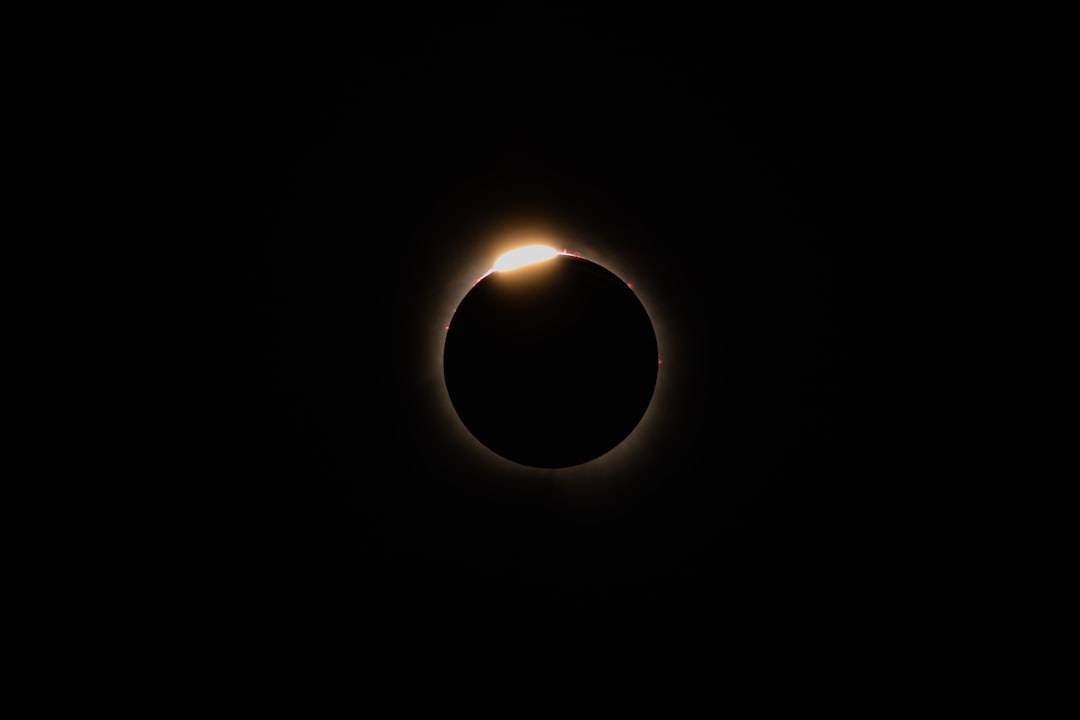
The hum of servers, the silent ballet of data packets, the intricate web of transactions that underpins global commerce – these are the invisible arteries of the modern financial world. Unbeknownst to many, this complex ecosystem, so reliant on the steady pulse of technology, is acutely vulnerable to disturbances originating light-years away: solar flares. These colossal eruptions of energy from the Sun, while a breathtaking spectacle, can unleash forces that ripple through our atmosphere and, critically, into the digital infrastructure that facilitates your daily banking, your stock market investments, and the stability of entire economies.
The Sun, a giant nuclear fusion reactor, is a constant source of energy that sustains life on Earth. However, its activity is not always benign. The Sun’s magnetic field, a dynamic and complex entity, is responsible for phenomena like sunspots, which are cooler, darker regions on its surface. These sunspots are the birthplaces of solar flares and Coronal Mass Ejections (CMEs).
What Exactly is a Solar Flare?
A solar flare is an intense burst of electromagnetic radiation from the Sun’s surface. These can manifest as a sudden surge of energy across the entire spectrum, from radio waves to X-rays and gamma rays. They are typically associated with the sudden release of magnetic energy stored in the Sun’s atmosphere. Think of it like a massive cosmic lightning strike, but on a scale that dwarfs anything we experience on Earth. The energy released during a powerful solar flare can be equivalent to millions of hydrogen bombs exploding simultaneously.
The Relationship Between Flares and Coronal Mass Ejections
While solar flares are primarily bursts of radiation, they are often accompanied by Coronal Mass Ejections (CMEs). A CME is a massive expulsion of plasma and magnetic field from the Sun’s corona into space. These are like colossal bubbles of magnetized solar material that can travel at speeds of millions of miles per hour. When a CME is directed towards Earth, it can unleash a geomagnetic storm, a far more disruptive event for our planet’s technological systems than a solar flare alone.
Understanding Solar Cycles and Their Impact
The Sun operates on an approximately 11-year cycle of activity. During the solar maximum, the Sun is more active, with more sunspots, more frequent solar flares, and a higher likelihood of strong CMEs. This cyclical nature means that periods of heightened solar activity pose a greater risk to our interconnected world. The current solar cycle, Cycle 25, is showing signs of accelerating towards solar maximum, suggesting that the potential for disruptive space weather events is increasing.
Recent studies have begun to explore the intriguing connection between solar flares and their potential impact on banking and finance systems. These solar events can disrupt satellite communications and power grids, leading to significant operational challenges for financial institutions. For a deeper understanding of this phenomenon and its implications for the financial sector, you can read more in this related article: How Solar Flares Affect Banking and Finance.
The Invisible Threat: How Solar Flares Interact with Earth’s Defenses
Earth is not entirely defenseless against solar onslaughts. Our planet is enveloped by a magnetic field, the magnetosphere, which acts as a shield, deflecting most of the charged particles from the Sun. However, during particularly powerful solar events, this shield can be overwhelmed.
The Role of the Magnetosphere
The magnetosphere is a crucial protective layer. It traps charged particles, preventing them from bombarding our atmosphere and surface. This region of space surrounding Earth is a dynamic force field, constantly interacting with the solar wind. When a CME hits the magnetosphere, it can compress and distort this shield.
Geomagnetic Storms: The Earth’s Response to Solar Outbursts
When the Sun’s activity is intense, particularly when CMEs carry strong magnetic fields that are oriented in a way that can interact with Earth’s magnetosphere, a geomagnetic storm can occur. This is not a weather system in the traditional sense; it’s a disturbance of Earth’s magnetic field. The energetic particles from the Sun can penetrate the magnetosphere and interact with the upper atmosphere, causing phenomena like the aurora borealis and aurora australis. However, these same particles can induce currents in electrical conductors on or near the Earth’s surface.
Ionospheric Disturbances: The Battleground for Communication
The ionosphere, a region of Earth’s upper atmosphere, is particularly sensitive to solar radiation and geomagnetic storms. It is the layer where radio waves propagate and reflect, enabling long-distance communication. During solar flares and geomagnetic storms, the ionosphere can become highly disturbed, disrupting these vital communication pathways. This disruption is akin to static on a radio receiver, but on a planetary scale, scrambling signals and rendering them useless.
The Ripple Effect: Transmitting Disruptions to Banking and Finance
The impact of solar flares and geomagnetic storms on banking and finance is not direct, like a physical vault being shaken. Instead, it’s a cascade effect, a chain reaction initiated by disruptions to the technological infrastructure that underpins these sectors.
Satellites: The Backbone of Global Finance
A significant portion of modern financial operations relies on satellites. These include:
- Time Synchronization: Financial transactions are meticulously time-stamped for accuracy and auditability. High-precision atomic clocks on GPS satellites are crucial for synchronizing financial systems globally. A disruption to these satellites can lead to timing errors, potentially causing transactions to fail or be misrepresented. This is like all the clocks in a city suddenly running at different speeds, leading to chaos when trying to coordinate appointments.
- Communication Networks: Many transcontinental financial data transfers and interbank communications rely on satellite links, especially in remote regions or as backups for terrestrial fiber optic cables. Disruptions can sever these critical arteries of information flow.
- Trading Platforms: High-frequency trading relies on near-instantaneous data transmission. Satellite delays or outages can render these strategies ineffective, leading to market volatility and potential losses.
- Global Positioning System (GPS): Beyond navigation, GPS signals are used for a variety of financial applications, including location tracking for asset management and verification of certain financial transactions.
Geomagnetically Induced Currents (GICs): The Unseen Hazard for Power Grids
When a geomagnetic storm hits, it can induce large electrical currents in long conductors, such as power lines and pipelines. These are called Geomagnetically Induced Currents (GICs).
Impact on Electrical Grids
Power grids are particularly vulnerable to GICs. These induced currents can flow into the grid, overloading transformers and other sensitive equipment. This can lead to:
- Transformer Damage: GICs can cause transformers to overheat and fail, leading to widespread power outages. This is like pouring too much electricity into a delicate circuit, causing it to burn out.
- Grid Instability: Fluctuations in voltage and current caused by GICs can destabilize the entire power grid, potentially leading to cascading failures.
- Costly Repairs: Replacing damaged transformers and repairing grid infrastructure can be incredibly expensive and time-consuming, impacting economic activity.
The Indirect Impact on Financial Infrastructure
The banking and finance sector is a voracious consumer of electricity. Power outages directly impact:
- Data Centers: The massive server farms that store and process financial data require constant power. An outage can shut down these critical facilities, halting all operations.
- Trading Floors: The physical locations where traders operate are heavily reliant on electricity for their computers, communication systems, and lighting.
- Branch Operations: While increasingly digital, many banking branches still depend on electricity for their operations, including ATMs and secure transaction processing.
Communication Network Failures: The Silent Blockade
Beyond satellite disruptions, geomagnetic storms can also affect terrestrial communication networks.
Terrestrial Fiber Optic Cables
While generally more robust than satellites, long-haul fiber optic cables can be affected by GICs flowing through the ground. These currents can interfere with the repeaters and amplifiers that boost signals along the cables, leading to data loss or transmission failures.
Wireless Communication Systems
The ionospheric disturbances mentioned earlier directly impact radio and microwave communication. This can affect:
- Mobile Banking: Communication with mobile devices will be degraded or lost.
- Point-of-Sale (POS) Terminals: Many credit and debit card transactions rely on wireless communication to process payments.
- Interbank Communication Protocols: SWIFT and other critical interbank messaging systems rely on stable communication channels. Disruptions can create bottlenecks and delays.
Specific Scenarios: How Banking and Finance Might Be Affected

The potential impacts of a severe space weather event on banking and finance are multifaceted and can manifest in several ways, ranging from minor inconveniences to systemic crises.
Disruption of Payment Systems
Imagine a scenario where a major solar flare triggers a geomagnetic storm that knocks out key satellite communication channels and induces currents that damage critical power grid infrastructure. This could lead to:
- Failed Transactions: Your attempt to pay for groceries with a credit card might fail. Online purchases could be impossible.
- ATM Outages: ATMs may become inoperable due to power failures or communication disruptions.
- Interbank Settlements Delayed: The rapid transfer of funds between banks, essential for the smooth functioning of the economy, could be significantly delayed or halted. This could impact the availability of liquidity for businesses and individuals.
Volatility in Financial Markets
The stock market is a sophisticated ecosystem driven by rapid information flow. A severe space weather event could introduce unprecedented volatility:
- Trading Halt: If critical communication links or power to major stock exchanges are disrupted, trading might be halted for extended periods, creating uncertainty and panic.
- Algorithmic Trading Failures: High-frequency trading algorithms, which rely on split-second data, could malfunction due to timing errors or communication glitches, potentially exacerbating market swings.
- Information Asymmetry: In a blackout scenario, access to real-time market information would be lost, leading to a free-for-all where those with limited information are at a severe disadvantage. This can be likened to a ship losing its navigation systems in a fog – all vessels are sailing blind.
Compromised Data Integrity and Security
While solar flares primarily affect infrastructure, there are also concerns about data integrity.
Data Corruption
Induced currents and electromagnetic interference can, in rare but plausible circumstances, corrupt data being transmitted or stored. While modern systems have built-in error detection and correction mechanisms, a sufficiently powerful and prolonged event could overwhelm these defenses. This is like a whisper in a crowded room becoming a yell – the intended message can be distorted beyond recognition.
System Reboots and Inadvertent Data Loss
Power surges and disruptions can cause sensitive electronic equipment to reboot unexpectedly. If these reboots are not handled gracefully, there is a risk of data loss or file corruption within financial systems.
Recent studies have highlighted the potential impact of solar flares on various sectors, including banking and finance, as these cosmic events can disrupt satellite communications and power grids. This disruption may lead to significant challenges in transaction processing and data integrity, raising concerns among financial institutions. For a deeper understanding of the implications of solar activity on our daily lives, you can explore a related article that discusses these phenomena in detail at Freaky Science.
Mitigation and Preparedness: Building Resilience in the Face of Cosmic Threats
| Metric | Impact of Solar Flares | Effect on Banking and Finance | Mitigation Strategies |
|---|---|---|---|
| Geomagnetic Storm Intensity | High solar flare activity increases geomagnetic storm intensity | Disrupts electronic transactions and data centers due to power fluctuations | Use of surge protectors and backup power systems |
| Satellite Communication Disruption | Solar flares cause signal degradation and outages | Impairs real-time trading and communication between financial institutions | Redundant communication channels and satellite shielding |
| GPS Signal Interference | Solar flares affect GPS accuracy | Impacts timing systems critical for transaction timestamping and fraud detection | Use of atomic clocks and alternative timing sources |
| Power Grid Stability | Solar-induced currents can cause blackouts | Leads to downtime in banking operations and ATM services | Grid hardening and emergency response protocols |
| Data Integrity Risks | Electromagnetic interference can corrupt data | Potential loss or alteration of financial records and transactions | Regular data backups and error-checking algorithms |
Recognizing the vulnerability of our financial systems to space weather is the first step. The next is implementing robust mitigation and preparedness strategies.
Redundancy and Diversification in Infrastructure
The principle of “not putting all your eggs in one basket” is paramount.
Multiple Communication Pathways
Financial institutions and critical infrastructure providers are increasingly investing in redundant communication systems. This includes:
- Terrestrial Fiber Optic Networks: Ensuring diverse routing and multiple providers for critical data links.
- Satellite Diversity: Utilizing different satellite constellations and orbital positions to reduce the risk of a single event impacting all communication.
- Backup Power Sources: Implementing robust uninterruptible power supplies (UPS) and backup generators for data centers and operational facilities.
Grid Hardening and Smart Grid Technologies
Efforts are underway to make electrical grids more resilient to GICs.
- GIC Blocking Devices: These devices can be installed in substations to block or mitigate the flow of GICs into the grid.
- Smart Grid Technologies: Advanced grid management systems can help monitor and respond to GIC events more effectively, rerouting power and isolating vulnerable components.
Enhanced Monitoring and Forecasting
Predicting space weather, while challenging, is improving.
Space Weather Services
Organizations like the Space Weather Prediction Center (SWPC) in the United States and similar bodies globally provide forecasts and warnings of solar activity. Financial institutions need to actively monitor these alerts.
Predictive Modeling
Developing and utilizing sophisticated models that predict the potential impact of solar events on specific infrastructure can help financial entities make informed decisions and take proactive measures.
Regulatory Measures and Industry Collaboration
A coordinated approach is essential to address this global threat.
Stress Testing and Risk Assessments
Financial regulators are increasingly incorporating space weather risks into their assessments of systemic financial stability. This includes requiring financial institutions to conduct stress tests that simulate severe space weather scenarios.
Information Sharing Protocols
Establishing clear protocols for information sharing between space weather agencies, critical infrastructure operators, and financial institutions is vital for rapid and effective response.
The Future Outlook: A Growing Challenge
As our reliance on precise technology deepens and solar activity increases towards its predicted maximum, the threat of solar flares disrupting banking and finance will only intensify. The invisible arteries of finance, so vital to our global economy, are indeed vulnerable to forces from beyond our planet. By understanding these risks and proactively building resilience, we can strive to ensure that the steady pulse of financial stability is not silenced by the unpredictable fury of the Sun.
FAQs
What are solar flares and how do they occur?
Solar flares are sudden, intense bursts of radiation emanating from the sun’s surface, caused by the release of magnetic energy stored in the sun’s atmosphere. They often occur near sunspots and can last from minutes to hours.
How can solar flares impact banking and finance systems?
Solar flares can disrupt satellite communications, GPS signals, and power grids, which are critical for banking operations. This can lead to transaction delays, data loss, and interruptions in electronic payment systems.
Are financial institutions prepared for solar flare disruptions?
Many financial institutions have contingency plans and backup systems to mitigate the effects of solar flare-induced disruptions. These include redundant communication channels, data backups, and protocols for manual processing during outages.
What measures can banks take to minimize risks from solar flares?
Banks can invest in robust cybersecurity, maintain offline transaction capabilities, monitor space weather forecasts, and collaborate with technology providers to ensure system resilience against solar flare impacts.
Have there been historical instances where solar flares affected financial markets?
While direct impacts on financial markets are rare, significant solar storms like the 1989 geomagnetic storm have caused widespread power outages and communication failures, highlighting the potential risks to financial infrastructure.