The Clear Path: Demystifying Your Car’s Glass
You interact with your car’s glass every single day, often without a second thought. It’s the silent guardian that allows you to see the world, protects you from the elements, and plays a crucial role in your safety. But have you ever stopped to truly understand what makes up this seemingly simple component of your vehicle? From the windshield that shields you from wind and debris to the side windows that offer situational awareness, each piece of glass has a specific purpose and is engineered with advanced technology. This exploration will delve into the various types of automotive glass, the intricate safety features embedded within them, and why understanding them is paramount for both your driving experience and your well-being on the road. Think of it as unlocking a deeper appreciation for the technology that surrounds you every time you get behind the wheel.
When considering the type of glass used in your car, it’s essential to understand the differences between laminated and tempered glass, as each serves a unique purpose in vehicle safety and performance. For a deeper dive into the various types of automotive glass and their functions, you can read more in this informative article on Freaky Science. Check it out here: Freaky Science.
The Foundation: Understanding the Core Technologies of Automotive Glass
At its heart, automotive glass is designed to be strong, transparent, and safe. However, the specific demands of its role in a vehicle necessitate different approaches to its composition and manufacturing. You’ll find that not all glass is created equal when it comes to automotive applications. The fundamental difference lies in how the glass is treated after it’s initially formed, a process that significantly alters its properties and enhances its safety characteristics.
Tempering Strength: The Magic of Heat Treatment
One of the most common types of automotive glass you’ll encounter is tempered glass. You might have heard it referred to as “toughened glass.” The process of tempering is essentially a controlled heating and rapid cooling of standard glass. Imagine heating a pane of glass to a very high temperature, then blasting it with cool air. This rapid cooling creates internal stresses within the glass. The outer layers cool and solidify first, contracting and compressing the inner layers, which are still molten. As the inner layers cool and contract, they pull on the outer layers, creating a state of permanent compression on the surface and tension in the core. This internal tension is the key to its strength.
When tempered glass breaks, instead of shattering into sharp, jagged shards like regular glass, it breaks into small, relatively dull, pebble-like pieces. This is a critical safety feature. If a side window or rear window made of tempered glass were to break during an accident, the risk of severe lacerations to occupants is significantly reduced. The uniformity of the small fragments also makes them easier to clear from the vehicle and minimizes the danger to first responders. Think of it as a built-in fail-safe designed to protect you and your passengers from the most dangerous aspects of glass breakage.
The Laminated Layers: A Sandwich of Safety
Your car’s windshield is a prime example of laminated glass, and it’s arguably the most important piece of safety glass on your vehicle. Laminated glass is constructed by bonding two or more layers of glass together with a tough, transparent interlayer, typically made of polyvinyl butyral (PVB). This interlayer acts like a strong adhesive and a shock absorber. The manufacturing process involves placing the PVB film between two sheets of glass and then subjecting them to heat and pressure in an autoclave. This process fuses the layers together, creating a single, strong unit.
The beauty of laminated glass lies in its fracture behavior. When impacted with enough force to crack it, the glass layers might fracture, but the PVB interlayer will hold the pieces together. This means that instead of the glass shattering and falling inwards, it will typically crack in a spiderweb pattern but remain largely intact, adhered to the interlayer. This is incredibly important for several reasons. Firstly, it prevents occupants from being ejected from the vehicle in a severe collision, a major cause of fatalities. Secondly, it maintains the structural integrity of the vehicle’s cabin, providing a crucial barrier against external elements and helping to support the roof in a rollover. Thirdly, it significantly reduces the amount of glass debris that can enter the passenger compartment. You’ll also notice that laminated glass is often thicker than tempered glass due to the additional layers and interlayer.
Beyond the Basics: Specialized Glass Treatments
While tempered and laminated glass form the backbone of automotive glazing, you might also encounter other specialized treatments that enhance performance and safety. These can include:
- Solar Control Glass: This type of glass has a special coating or is tinted during manufacturing to reduce the amount of solar heat and ultraviolet (UV) radiation that enters the vehicle. This can significantly improve interior comfort and reduce the strain on your air conditioning system, leading to better fuel efficiency. You’ll often see a subtle tint or a metallic sheen on the glass of newer vehicles.
- Hydrophobic Coatings: These are clear, invisible coatings applied to the exterior of glass, particularly the windshield. They repel water, causing it to bead up and roll off more easily. This dramatically improves visibility during rain, allowing your wipers to work more effectively and reducing the need for them at higher speeds. You might notice that rain seems to “slide” off the windshield when you’re driving.
- Acoustic Glass: Becoming increasingly common, acoustic glass incorporates an extra-thick PVB interlayer with enhanced sound-dampening properties. This helps to reduce the amount of external noise, such as wind noise and road noise, that enters the cabin, leading to a quieter and more comfortable driving experience.
The Safety Features You Can See and Feel
Your car’s glass isn’t just about letting you see; it’s actively designed to contribute to your safety through a variety of integrated features. These features are often so seamlessly incorporated that you might not even realize they’re there, but they play a vital role in keeping you safe and informed.
The Importance of Visibility: More Than Just a Window
The primary safety function of any car glass is to provide you with clear and unobstructed visibility. This might seem obvious, but the design and quality of the glass are critical to achieving this.
- Optical Clarity: Automotive glass is manufactured to extremely high standards of optical clarity. This means it’s free from distortions, bubbles, and imperfections that could affect your perception of the road and other vehicles. Any such flaw could lead to misjudgments of distance or speed, increasing the risk of an accident. You can often test this by looking through the glass at straight lines; they should remain perfectly straight.
- Wiper and Washer System Integration: The design of your windshield is intrinsically linked to the functionality of your wipers and washer system. The curvature of the glass ensures that the wipers can effectively sweep away water and debris across the entire swept area. The placement of washer nozzles is also carefully considered to direct fluid to the most effective cleaning points. A well-maintained wiper system and clean glass are fundamental to safe driving in inclement weather.
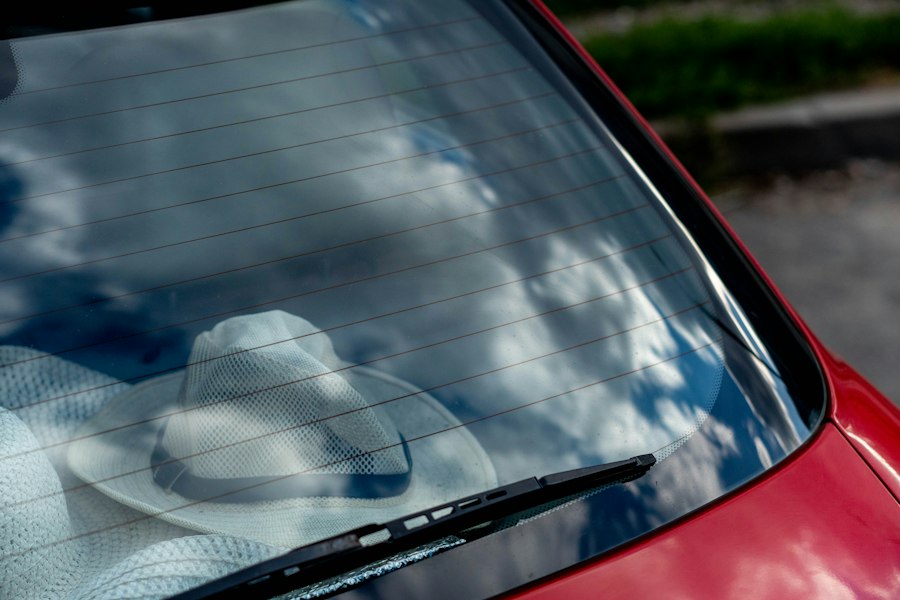
- Defroster and Demister Grids: Many vehicles feature integrated heating elements, often visible as fine lines, within the rear window (tempered glass) and sometimes the windshield (laminated glass). These grids are designed to quickly defrost or demist the glass, restoring visibility in cold or humid conditions. Without these, fogged-up windows can quickly render your car undrivable, creating a hazardous situation.
Beyond the Obvious: Advanced Integrated Safety
Modern automotive glass is a hub for increasingly sophisticated safety technologies. These are often hidden within the layers of glass or integrated into their structure.
- Antenna Integration: In many vehicles, radio antennas are discreetly integrated into the rear or side windows. Instead of a bulky external antenna, thin conductive wires are printed or embedded within the glass. This not only offers a cleaner aesthetic but also protects the antenna from damage and the elements. While primarily for convenience, a functional radio can be a lifeline for emergency information.
- Camera and Sensor Mounting Points: Modern cars are equipped with numerous cameras and sensors for advanced driver-assistance systems (ADAS) such as lane departure warning, adaptive cruise control, and automatic emergency braking. The windshield, in particular, is a common location for forward-facing cameras. The glass in these areas is designed to be precisely flat and free from distortions to ensure the accurate functioning of these sensitive electronic eyes. Improper installation or replacement of windshields can critically impact the performance of these safety features, making professional installation crucial.
- Heated Wiper Park Area: Some advanced vehicles feature heating elements in the area where the windshield wipers rest when not in use. This prevents ice and snow from freezing the wipers to the windshield, ensuring they can function immediately when needed, even in the harshest winter conditions.
- Heated Windshields: While less common than rear defrosters, some luxury or performance vehicles offer heated windshields. These systems use fine, almost invisible heating elements embedded within the laminated glass to quickly defrost or demist the entire windshield, providing unparalleled visibility in freezing weather.
The Role of Glass in Collision Safety
When you think about car safety, you might immediately picture airbags and seatbelts. However, the glass in your vehicle plays an equally vital, albeit often overlooked, role in protecting you during a collision. Its strength, flexibility, and how it breaks are all engineered with occupant safety as a top priority.
Windshield: The Structural Backbone
Your car’s windshield is much more than just a piece of glass to see through; it’s a critical structural component of your vehicle’s safety cage.
- Airbag Deployment Support: In many modern vehicles, the passenger-side airbag is designed to deploy and rest against the windshield. A strong and intact windshield is essential for this deployment to happen correctly and effectively cushion the passenger. If the windshield were to shatter or deform improperly during a collision, the airbag’s effectiveness would be compromised, potentially leading to more severe injuries.
- Roof Crush Resistance: The windshield, along with the A-pillars (the pillars that support the windshield), helps to maintain the structural integrity of the vehicle’s roof. In a rollover accident, the windshield bears a significant portion of the load, helping to prevent the roof from collapsing inwards and crushing the occupants. This resistance to roof crush is a life-saving feature, and a compromised windshield can drastically reduce this protection.
- Ejection Prevention: As mentioned earlier, the laminated nature of the windshield is a major factor in preventing occupant ejection during severe accidents. The strong PVB interlayer keeps the glass fragments bonded, maintaining a barrier that significantly reduces the likelihood of occupants being thrown from the vehicle.
Side and Rear Windows: Controlled Breakage for Escape
While your windshield is designed to stay intact, your side and rear windows are typically made of tempered glass, designed to break in a specific way for safety.
- Controlled Shattering for Escape: In the event of a severe accident, especially one where the vehicle might end up submerged in water or on fire, the ability for occupants to escape is paramount. Tempered glass, when broken, disintegrates into small, relatively harmless pieces. This allows for a quicker and safer egress from the vehicle. Imagine trying to break through a solid pane of laminated glass in an emergency – it would be incredibly difficult and dangerous.
- Reduced Injury Risk: The small, blunt fragments of tempered glass are far less likely to cause deep lacerations compared to the sharp, jagged shards of regular glass. This significantly reduces the risk of serious injury from broken glass during an impact or as the vehicle breaks apart.
- Emergency Escape Tools: Many vehicles now come equipped with small, dedicated tools designed to break tempered glass, often integrated into seatbelt cutters or keychains. These are a testament to the understanding that controlled breakage of tempered glass is a vital escape mechanism.
When considering the type of glass used in your car, it’s important to understand the various options available and their specific benefits. For instance, laminated glass is commonly used for windshields due to its ability to hold together when shattered, enhancing safety. If you’re curious to learn more about the different types of automotive glass and their characteristics, you can check out this informative article on the subject. For further insights, you can read more about it here.
Maintaining Your Vision and Value: Care and Replacement Considerations
| Type of Glass | Location in Car | Material | Safety Features | Common Uses |
|---|---|---|---|---|
| Tempered Glass | Side Windows, Rear Window | Heat-treated glass | Shatters into small, blunt pieces to reduce injury | Side and rear windows for impact resistance |
| Laminated Glass | Windshield | Two layers of glass with a plastic interlayer | Holds together when shattered, prevents ejection | Front windshield for safety and UV protection |
| Acoustic Laminated Glass | Windshield, Side Windows (in some models) | Laminated glass with sound-dampening interlayer | Reduces noise and vibration | Luxury or premium vehicles for noise reduction |
| Privacy Glass (Tinted) | Rear Side Windows, Rear Window | Tempered or laminated glass with tint film | Reduces glare and UV exposure, adds privacy | Rear windows for privacy and heat reduction |
Understanding your car’s glass is one thing, but ensuring it remains in optimal condition is crucial for both your safety and the longevity of your vehicle. Proper care and timely replacement of damaged glass can prevent minor issues from becoming major hazards and expensive problems.
The Art of Glass Care: Simple Steps for Long-Term Clarity
Taking good care of your car’s glass isn’t just about aesthetics; it contributes directly to your driving safety and helps maintain the resale value of your vehicle.
- Regular Cleaning: The most basic but essential step is regular cleaning. Use a high-quality automotive glass cleaner and a soft, lint-free microfiber cloth. Avoid ammonia-based cleaners, as they can damage window tint and some automotive coatings. Clean both the inside and outside of your windows to ensure optimal visibility and to spot any potential damage early. Streaks on the inside of your windshield can be particularly distracting at night.
- Wiper Maintenance: Your windshield wipers are your first line of defense against poor visibility in wet conditions. Inspect them regularly for signs of wear, such as cracking, tearing, or hardening of the rubber. Replace them at least once a year, or sooner if you notice streaking, skipping, or chattering. Keeping the wiper fluid reservoir topped up is also essential.
- Addressing Minor Chips and Cracks Promptly: A small chip or crack in your windshield might seem insignificant, but it can quickly spread due to vibrations, temperature changes, or further impacts. These small imperfections can also compromise the structural integrity of the windshield, particularly its ability to support the airbag. Many professional auto glass repair services can effectively repair small chips and cracks, often at a fraction of the cost of replacement, and restore the structural integrity. Don’t delay in getting these addressed.
When Replacement is Necessary: Choosing Wisely
There are times when glass damage is too severe to repair, and replacement becomes the only safe option. Making informed decisions during this process is vital.
- Understanding Repair vs. Replacement: Generally, chips that are smaller than a quarter and cracks that are less than six inches long, and not in the driver’s direct line of sight, can be repaired. Anything larger or in critical areas will likely require replacement. Your auto glass professional will be able to assess the damage and advise you on the best course of action.
- OEM vs. Aftermarket Glass: When replacing your windshield or other glass, you’ll often have the option of Original Equipment Manufacturer (OEM) glass or aftermarket glass. OEM glass is manufactured by the same company that made the original glass for your car, ensuring it meets the exact specifications and quality standards. Aftermarket glass is produced by other manufacturers and can be a more affordable option, but it’s essential to ensure it meets all relevant safety standards and is compatible with your vehicle’s ADAS features if applicable. Always inquire about the quality and certifications of aftermarket glass.
- Professional Installation is Key: Especially for windshields equipped with cameras and sensors, professional installation is not just recommended; it’s essential. Technicians need to recalibrate these systems after replacement to ensure they function correctly. Improper installation can lead to malfunctioning ADAS features, rendering them useless or even dangerous. Always choose a reputable auto glass shop with experienced technicians. Don’t underestimate the importance of correct installation, as it directly impacts your safety.
By understanding the different types of glass in your car, the safety features they incorporate, and how to properly care for and replace them, you gain a deeper appreciation for the engineering that keeps you safe on the road. This knowledge empowers you to make informed decisions about maintenance and repairs, ensuring that your car’s vision remains clear and its safety systems function as intended.

Your Car Window Can Keep You In—Even When You Need Out
FAQs
What type of glass is used in car windshields?
Car windshields are typically made of laminated safety glass, which consists of two layers of glass with a layer of polyvinyl butyral (PVB) sandwiched in between. This type of glass is designed to reduce the risk of shattering upon impact.
What type of glass is used in car side windows?
Car side windows are usually made of tempered glass, which is created through a process of extreme heating and rapid cooling. This type of glass is designed to shatter into small, blunt pieces upon impact to reduce the risk of injury.
What type of glass is used in car rear windows?
Car rear windows are typically made of tempered glass, similar to car side windows. This type of glass is chosen for its safety features, as it shatters into small pieces upon impact rather than breaking into sharp shards.
What type of glass is used in car sunroofs?
Car sunroofs are often made of tempered glass for safety reasons, just like car side and rear windows. This type of glass is designed to break into small, dull pieces upon impact to reduce the risk of injury in case of an accident.
What type of glass is used in car mirrors?
Car mirrors are typically made of flat glass, which is a type of float glass that is manufactured by floating molten glass on a bed of molten metal. This type of glass is commonly used in mirrors due to its clarity and reflective properties.