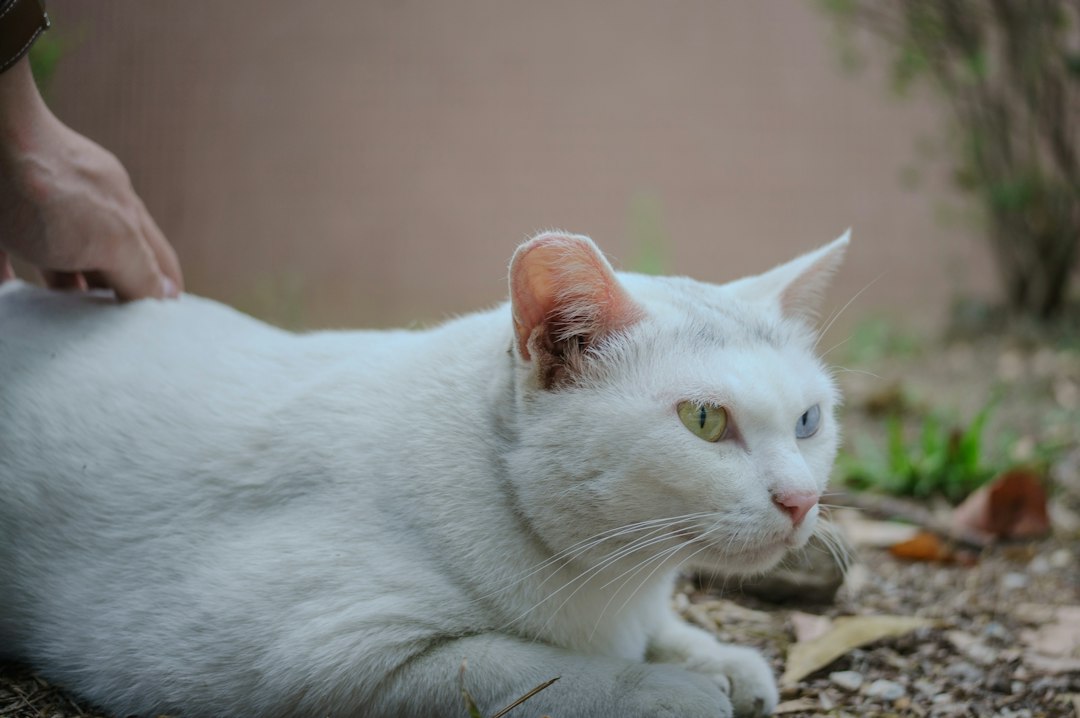
The Unique Considerations of White Feline Skin: Why Veterinary Insight is Crucial
White cats, with their striking alabaster coats and often captivating blue or odd-colored eyes, are a beloved sight. Their distinctive appearance, however, can come with certain physiological considerations that owners should be aware of, particularly when it comes to their skin. Unlike cats with darker pigmentation, white cats possess less melanin in their skin, which can make them more susceptible to specific health issues. Understanding these vulnerabilities and knowing the right questions to ask a veterinarian is paramount for ensuring the long-term health and well-being of these special felines. This article delves into the essential aspects of white cat skin health and outlines key questions owners should pose to their veterinary professionals.
If you’re concerned about the skin health of your white cat, it’s essential to ask your veterinarian the right questions to ensure proper care. A related article that provides valuable insights on this topic can be found at Freaky Science. This resource offers guidance on common skin issues in cats, particularly those with lighter fur, and highlights the importance of regular veterinary check-ups to maintain your pet’s overall health.
Understanding the Biology Behind White Feline Skin

The genetics that lead to a white coat in cats are multifaceted and can be attributed to several different genes. The most common mechanism is the dominant white gene (W), which masks the expression of all other color genes, resulting in a completely white cat. Other genes, like the piebald gene (S), can also contribute to white spotting, leading to cats with large patches of white. Regardless of the specific genetic pathway, the underlying theme for white cats is a reduced or absent production of melanin. Melanin is a pigment that not only gives cats their coat color but also plays a crucial role in protecting the skin from the damaging effects of ultraviolet (UV) radiation.
Melanin’s Protective Role
Melanin acts as a natural sunscreen. It absorbs UV rays, preventing them from penetrating the skin and damaging cellular DNA. In cats with significant pigmentation in their skin, such as those with dark fur and skin, this protection is robust. White cats, however, have skin that is largely devoid of this protective pigment. This leaves their skin, especially in areas with less fur coverage or where the fur is thin, vulnerable to the sun’s harmful rays.
Predisposition to Sunburn and Skin Damage
The lack of melanin directly translates to a higher risk of sunburn in white cats. Areas most commonly affected include the tips of the ears, the nose, and eyelids, as these areas often have less fur coverage and are directly exposed to sunlight. Repeated sun exposure and subsequent sunburn can lead to chronic inflammation, skin thickening, and, in the long term, increase the risk of developing skin cancers.
The Link Between White Fur and Vision
While not directly a skin issue, it’s worth noting that many white cats, especially those with blue eyes, carry genes linked to deafness. This is because the gene for white fur and the gene for blue eyes are often linked to the gene responsible for the development of inner ear structures. While not all white cats are deaf, and not all blue-eyed white cats are deaf, it’s a common association that owners should be aware of. This genetic linkage highlights how seemingly cosmetic traits can be tied to deeper physiological aspects.
Essential Veterinary Questions Regarding White Cat Skin Health

When visiting the veterinarian with a white cat, it’s crucial to focus on questions that address their unique skin vulnerabilities. Proactive care and regular check-ups are key to identifying potential issues early and implementing preventive measures.
Questions About Sun Exposure and Protection
The most significant concern for white cat skin is sun damage. Owners should be prepared to discuss their cat’s lifestyle and the level of sun exposure they experience.
What level of sun exposure is considered safe for my white cat?
This question aims to understand the practical limitations of outdoor time for the cat. The veterinarian can provide guidance based on the cat’s individual skin sensitivity and local climate. For cats that spend time outdoors, especially in sunny regions, minimizing direct sun exposure during peak hours (typically between 10 am and 4 pm) is often recommended. This might involve keeping them indoors during these times or providing shaded areas if they are in a supervised outdoor enclosure.
Are there specific times of day or year when I should be most vigilant about sun protection?
Just as with humans, UV intensity varies. The veterinarian can advise on seasonal variations and the importance of vigilance during summer months or in geographical locations with strong sunlight.
What are the early signs of sunburn in cats, and what should I look for?
Early detection is crucial. The veterinarian can educate owners on recognizing subtle changes in the skin, such as redness, increased sensitivity to touch, or mild flaking, particularly on the ears and nose. They can also explain more severe signs like blistering or raw patches, which would require immediate veterinary attention.
Are there any safe and effective sunscreens for cats? If so, which ones do you recommend?
While the idea of sunscreen for cats might seem unusual, it can be a vital tool for specific situations. The veterinarian can recommend products specifically formulated for feline use, as human sunscreens often contain ingredients that are toxic to cats if ingested through grooming. They can also advise on the best application methods and areas to target, such as the tips of the ears and nose.
Should I be concerned about my cat’s ears, nose, and eyelids specifically?
These areas are typically the most vulnerable due to less fur coverage. The veterinarian can provide targeted advice for protecting these sensitive zones, which might involve topical applications or more stringent behavioral management.
Questions About Skin Cancer and Pre-cancerous Lesions
The long-term consequences of repeated sun damage can include the development of skin cancer. Regular veterinary examinations are essential for early detection.
What are the signs of pre-cancerous lesions or skin cancer in white cats?
The veterinarian can describe the visual characteristics of these lesions, which might appear as crusty, scaly patches, non-healing sores, or areas of thickened skin that change in appearance over time. They can also explain the difference between benign growths and those that require further investigation.
How often should my white cat have a skin check specifically for cancer screening?
This depends on the cat’s age, lifestyle, and previous history. The veterinarian will recommend a schedule, which might be annual for most cats or more frequent for those with a history of sun exposure or known skin issues.
What types of skin cancer are most common in white cats?
The most common type of skin cancer affecting sun-exposed areas of white cats is squamous cell carcinoma. Understanding the specific risks helps owners be more vigilant.
What is the prognosis if skin cancer is detected early?
The veterinarian can provide realistic expectations regarding treatment options and the potential for successful outcomes if the cancer is caught in its early stages. Early intervention significantly improves the prognosis.
What are the treatment options if my cat is diagnosed with skin cancer?
This will involve discussing surgical removal, topical treatments, or other therapeutic interventions. The veterinarian will tailor the treatment plan to the specific type, stage, and location of the cancer.
Questions About Allergies and Sensitivities
While not exclusive to white cats, some breeds or individuals might have a higher predisposition to allergies, which can manifest as skin issues.
Are white cats more prone to skin allergies or sensitivities?
The veterinarian can address whether there’s a genetic or breed-specific predisposition for allergies in white cats. While not a universal rule, some white cat breeds might be associated with certain sensitivities.
What are the common allergens that affect cats’ skin?
Understanding common culprits like environmental allergens (pollen, dust mites), food ingredients, or flea bites can help owners identify triggers for their cat’s skin issues.
What are the signs of skin allergies in cats?
Beyond redness, signs can include excessive itching, scratching, licking, hair loss, and recurrent skin infections. The veterinarian can help differentiate between allergies and other skin conditions.
How are feline skin allergies typically diagnosed and treated?
Diagnosis often involves a process of elimination, diagnostic tests (like intradermal skin testing or blood tests), and dietary trials. Treatment can involve medication, dietary changes, environmental management, or a combination of approaches.
Are there any specific skincare products or grooming practices that can help manage sensitive skin?
The veterinarian can recommend hypoallergenic shampoos, conditioners, or grooming tools that are gentle on sensitive skin and advise on appropriate grooming frequencies to avoid further irritation.
Routine Veterinary Care and Specific Examinations for White Cats
Beyond addressing specific concerns, regular veterinary check-ups are the cornerstone of maintaining any cat’s health, and white cats are no exception. However, certain aspects of a routine examination should be emphasized for these felines.
The Importance of a Comprehensive Physical Examination
During a routine check-up, the veterinarian will conduct a thorough physical examination, observing the cat’s overall condition, including their coat and skin. For white cats, this examination should include a detailed inspection of the skin for any abnormalities, paying close attention to the areas most exposed to the sun. This includes palpating the skin for lumps or thickenings, examining the ears for inflammation or debris, and checking the eyelids for any signs of irritation or growths.
Ocular Examinations and Associated Concerns
Many white cats, particularly those with blue eyes, are at a higher risk of certain eye conditions, some of which can be genetically linked. The veterinarian will perform an ocular examination to check for common issues such as cataracts, glaucoma, or other signs of visual impairment. Early detection of these conditions is crucial for managing them effectively and preserving the cat’s vision. It is also important to discuss any observed behavioral changes that might indicate vision problems, such as bumping into objects or apparent disorientation.
Dental Health and its Impact on Overall Well-being
While not directly related to skin, dental health is a crucial component of a cat’s overall well-being. Poor dental hygiene can lead to systemic inflammation, which can indirectly affect the skin. The veterinarian will examine the cat’s teeth and gums for signs of plaque, tartar, gingivitis, or periodontal disease. They can offer advice on dental care at home, such as tooth brushing or the use of dental treats, and recommend professional dental cleanings if necessary.
Behavioral Observations and Their Significance
A cat’s behavior can often provide clues to underlying health issues. The veterinarian will inquire about any changes in the cat’s appetite, thirst, activity levels, or grooming habits. For white cats, excessive grooming of specific areas might indicate skin irritation or discomfort, prompting further investigation into potential causes like allergies or infections. Conversely, a lack of grooming could also be a sign of underlying illness.
If you’re concerned about the skin health of your white cat, it’s essential to ask your veterinarian specific questions regarding potential issues like sunburn or skin allergies. A related article that provides valuable insights on this topic can be found at Freaky Science, where you can learn more about the unique needs of white cats and how to care for their sensitive skin. Understanding these aspects can help ensure your feline friend remains healthy and comfortable.
Preventive Strategies for Maintaining Healthy White Cat Skin
| Question | Reason to Ask | Possible Vet Response | Follow-up Actions |
|---|---|---|---|
| Is my white cat at higher risk for skin cancer? | White cats have less pigment, increasing UV sensitivity. | Yes, white cats are more prone to sunburn and skin cancer. | Limit sun exposure, use pet-safe sunscreen, schedule regular skin checks. |
| What signs of skin problems should I watch for? | Early detection of skin issues is crucial for treatment. | Look for redness, sores, scabs, hair loss, or unusual lumps. | Monitor skin regularly and report any changes promptly. |
| Can my cat’s white skin cause sensitivity or allergies? | White skin may be more sensitive to irritants or allergens. | Yes, they can be more prone to irritation and allergic reactions. | Use gentle grooming products and avoid harsh chemicals. |
| How often should I bring my white cat for skin check-ups? | Regular vet visits help catch problems early. | At least once or twice a year, or more if issues arise. | Schedule routine skin exams and follow vet recommendations. |
| Are there special grooming tips for white cats? | Proper grooming can maintain skin health and detect issues. | Use gentle brushes, check skin during grooming, keep coat clean. | Establish a regular grooming routine and inspect skin closely. |
| What treatments are available if my cat develops skin problems? | Understanding treatment options helps in managing conditions. | Options include topical creams, medications, or surgery if needed. | Follow vet’s treatment plan and monitor response carefully. |
Prevention is always better than cure, and for white cats, a proactive approach to skin health can significantly reduce the risk of developing serious issues. This involves a combination of environmental management, appropriate grooming, and consistent veterinary care.
Environmental Modifications for Sun Protection
The most effective way to protect white cat skin from sun damage is to control their exposure. If the cat enjoys spending time outdoors, creating safe, shaded areas is essential. This could involve providing a covered patio, a shaded porch, or an enclosed catio with ample shaded spots. For cats that are allowed unsupervised outdoor access, owners might consider limiting their outdoor time during the hottest parts of the day or ensuring they have access to cool, dark indoor spaces. Reflective window films can also help reduce the amount of UV radiation entering the home, offering an additional layer of protection.
The Role of Grooming and Hygiene
While white cats do not necessarily require more frequent grooming than other cats, maintaining a good grooming routine is important. Regular brushing helps to remove loose hair, which can prevent matting and distribute natural oils throughout the coat, promoting healthy skin. It also provides an opportunity for owners to inspect the skin for any changes, such as lumps, sores, or patches of redness. Bathing is generally not necessary for cats unless they have a specific skin condition that requires medicated shampoos. If bathing is recommended by the veterinarian, using a gentle, cat-specific shampoo is crucial to avoid irritating the skin.
Nutritional Considerations for Skin Health
A balanced and nutritious diet is fundamental to maintaining healthy skin and a glossy coat. The veterinarian can recommend a high-quality cat food that provides all the essential nutrients, including omega-3 and omega-6 fatty acids, which are known to support skin health. If the cat has a diagnosed allergy or sensitivity, a specialized hypoallergenic diet may be recommended. Ensuring the cat has constant access to fresh, clean water is also vital for overall hydration and skin health.
The Value of Early Intervention and Regular Vet Visits
As reiterated throughout this article, consistent veterinary care is paramount. Regular check-ups allow the veterinarian to monitor the cat’s skin health, detect any potential issues early, and provide timely advice and treatment. Owners should not hesitate to contact their veterinarian if they notice any changes in their cat’s skin, no matter how minor they may seem. Early intervention can make a significant difference in the outcome of many skin conditions, particularly those related to sun damage and skin cancer. Building a strong relationship with a trusted veterinarian ensures that the unique needs of a white cat are understood and addressed throughout their life.

Which Cat Color Lives Longest? The Research Has a Twist
FAQs
1. What are common skin issues that white cats may experience?
White cats are more prone to sunburn and skin cancer due to their lack of pigmentation in their skin. They may also be more susceptible to skin allergies and infections.
2. How can I protect my white cat’s skin from sunburn?
It is important to keep your white cat indoors during peak sun hours, provide shaded areas outside, and apply pet-safe sunscreen to their ears, nose, and any other exposed areas when they are outside.
3. What signs should I look for that indicate a skin issue in my white cat?
Signs of a skin issue in a white cat may include redness, itching, flaking, hair loss, lumps or bumps, and changes in skin color. If you notice any of these signs, it is important to consult with a veterinarian.
4. Are there specific grooming practices I should follow for my white cat’s skin?
Regular grooming is important for white cats to prevent matting and to check for any skin abnormalities. Brushing your cat regularly can help distribute natural oils and prevent skin issues.
5. What questions should I ask my vet about my white cat’s skin during a check-up?
During a vet visit, you can ask about any recommended skin care products, tips for preventing sunburn, signs of skin cancer to watch for, and any specific grooming practices that may benefit your white cat’s skin health.