The Chill Factor: Decoding the Magic of Vapor Compression
Have you ever wondered how your refrigerator keeps your milk cold, or how that air conditioner manages to transform a sweltering room into a haven of coolness? It’s not magic, although it can certainly feel like it. It’s the remarkable science of the vapor compression cycle. This fundamental refrigeration process is the backbone of countless everyday comforts, and understanding its inner workings is surprisingly accessible, even for a beginner. So, buckle up, because we’re about to embark on a journey into the heart of cooling, demystifying the elegant dance of refrigerants that makes it all possible.
At its core, the vapor compression cycle is a closed loop, a continuous journey for a special fluid called a refrigerant. This refrigerant undergoes a series of phase changes – from liquid to gas and back again – absorbing heat in one place and releasing it in another. Imagine it like a tiny, tireless heat courier, constantly ferrying unwanted warmth away from where you don’t want it and depositing it elsewhere. This cycle is driven by changes in pressure and temperature, orchestrated by a few key components that work in perfect harmony. Think of it as a precisely timed ballet of physics, where each movement plays a crucial role in achieving the desired outcome: cooling.
For those looking to deepen their understanding of the vapor compression cycle, a great resource is the article available at Freaky Science. This beginner-friendly guide breaks down the fundamental concepts of the vapor compression cycle, making it easier to grasp how this essential process operates in refrigeration and air conditioning systems. By exploring this article, readers can gain valuable insights into the mechanics and applications of the cycle, enhancing their overall comprehension of thermodynamic principles.
The Four Pillars of the Cycle: Your Essential Components
To truly grasp the vapor compression cycle, you need to get acquainted with its four main players. Each component has a distinct role and works in conjunction with the others to achieve the cooling effect. Let’s break down these essential parts, understanding what each one does and why it’s indispensable to the overall process. Without any one of these, the cycle simply wouldn’t function.
The Compressor: The Heartbeat of the System
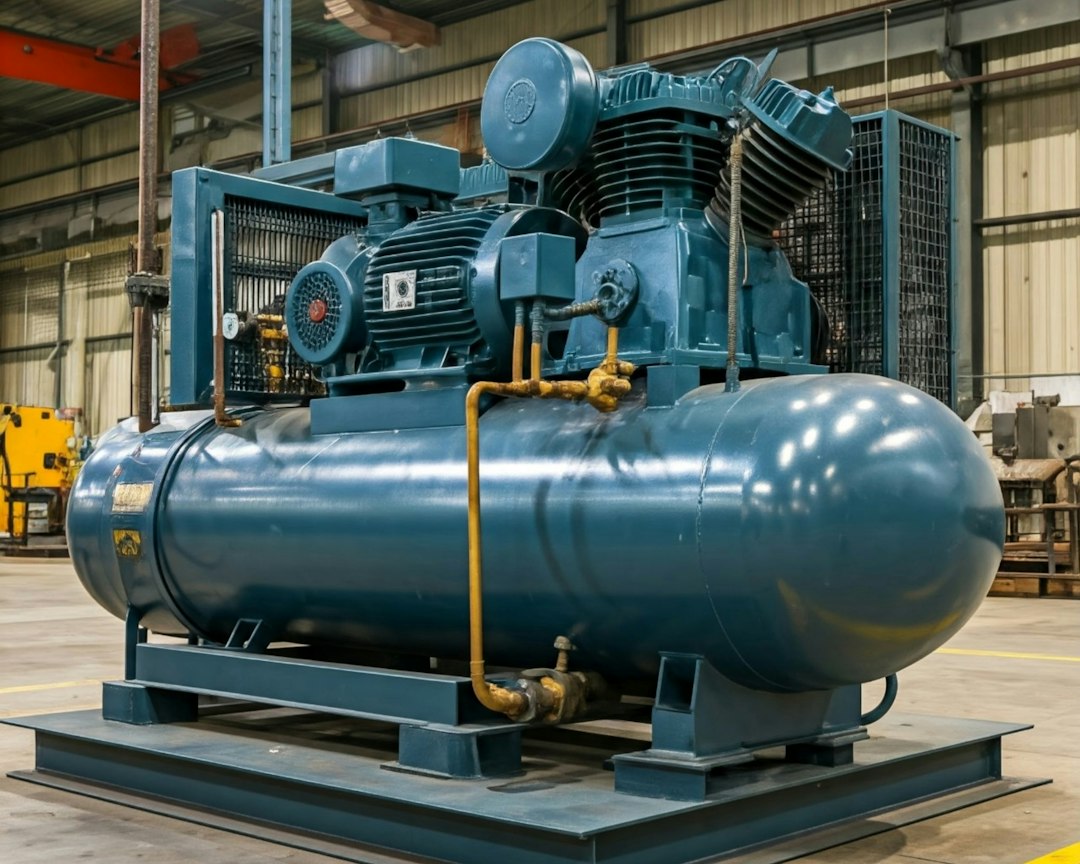
The compressor is often referred to as the “heart” of the vapor compression cycle, and for good reason. Its primary job is to increase the pressure of the refrigerant gas. This might seem straightforward, but it’s a critical step. As the low-pressure, low-temperature refrigerant gas enters the compressor, it’s squeezed, forcing its molecules closer together. This compression dramatically raises both its pressure and its temperature. Think of it like pumping up a bicycle tire – you’re increasing the pressure, and the pump itself often gets warm from the effort. In the context of the refrigeration cycle, this elevated temperature is crucial for the next stage. The compressor is typically an electrically driven device, meaning it requires power to operate and perform its vital function. It’s the engine that keeps the entire cycle in motion.
The Condenser: Where Heat Takes Flight
Once the refrigerant has been compressed and is now a hot, high-pressure gas, it enters the condenser. This component is designed to release the heat that the refrigerant has absorbed. Imagine a radiator in your car – it’s there to dissipate heat. The condenser functions similarly. It’s usually a series of coils or tubes, often exposed to the surrounding air or water. As the hot refrigerant gas flows through these coils, the heat it carries is transferred to the cooler environment outside the system. This heat transfer causes the refrigerant to cool down and, more importantly, to condense back into a high-pressure liquid. This is where the “condensation” in “vapor compression cycle” truly comes into play. The refrigerant, having shed its thermal burden, is now a liquid ready for its next transformation.
The Expansion Valve: The Pressure Drop Artist
After leaving the condenser as a high-pressure liquid, the refrigerant encounters the expansion valve, also sometimes called a throttling device. This is where a dramatic change in pressure occurs. The expansion valve is a precisely engineered restriction, like a narrow doorway that the liquid refrigerant is forced through. As the refrigerant passes through this constriction, its pressure drops significantly. This sudden drop in pressure also causes a corresponding drop in temperature, making the refrigerant a cold, low-pressure mixture of liquid and vapor. Think of spraying an aerosol can – the propellant inside is under pressure, and when you release it, it expands rapidly and cools down. The expansion valve is the key to initiating the cooling phase of the cycle.
The Evaporator: The Heat Sponge
Finally, the cold, low-pressure refrigerant mixture enters the evaporator. This is where the magic of cooling truly happens. The evaporator is another set of coils, typically located in the space you want to cool (like inside your refrigerator or air conditioner). Because the refrigerant is so cold and at a low pressure, it readily absorbs heat from its surroundings – the air in your room or the food in your fridge. As it absorbs heat, the liquid refrigerant boils and evaporates, transforming back into a low-pressure gas. This absorption of heat is what cools the desired space. The refrigerant, now a low-pressure gas carrying the absorbed heat, then travels back to the compressor, ready to begin the cycle anew. It has successfully completed its mission of heat removal.
The Refrigerant’s Journey: A Tale of Phase Changes
The lifeblood of the vapor compression cycle is the refrigerant itself. These specialized fluids are chosen for their unique thermodynamic properties, particularly their ability to easily transition between liquid and gas states at specific temperatures and pressures. The entire cooling process hinges on these phase changes. Let’s delve deeper into how the refrigerant’s journey dictates the cycle’s effectiveness.
From Gas to Liquid: The Condensation Story
As we’ve seen, the compressor’s work is to raise the pressure and temperature of the refrigerant gas. This superheated gas then flows into the condenser. Here, the higher temperature of the refrigerant gas compared to its surroundings allows heat to transfer outwards. This loss of heat is what causes the refrigerant to change from a gaseous state to a liquid state. Imagine steam from a kettle hitting a cool window pane – it condenses into water. The refrigerant does something similar within the condenser coils. This condensation is vital because it allows the refrigerant to be transported as a liquid to the expansion valve, where its pressure can be effectively manipulated.
From Liquid to Gas: The Evaporation Advantage
Conversely, the evaporator is where the refrigerant undergoes the reverse phase change: evaporation. After the pressure drop at the expansion valve, the refrigerant is a very cold, low-pressure liquid (or a mixture of liquid and vapor). When this cold substance encounters the warmer air or objects in the space to be cooled, it readily absorbs heat. This absorbed heat provides the energy needed for the liquid refrigerant to boil and turn into a gas. This evaporation process is the direct mechanism by which heat is removed from the intended cooling zone. The more readily the refrigerant evaporates, the more heat it can absorb, and the more effective the cooling.
Pressure and Temperature: The Dynamic Duo
The vapor compression cycle is intrinsically linked to the interplay of pressure and temperature. Changes in pressure are the primary drivers that induce the desired temperature changes within the refrigerant, facilitating its phase transitions. Understanding this relationship is key to appreciating the efficiency and effectiveness of the system.
The Power of Pressure: Driving Temperature Changes
Think about how squeezing a gas makes it hotter. This is the principle at play in the compressor. By increasing the pressure, you increase the internal energy of the refrigerant molecules, leading to a rise in temperature. Conversely, when you allow a compressed fluid to expand rapidly, as happens at the expansion valve, its internal energy decreases, causing a significant drop in temperature. This pressure manipulation is the central mechanism for controlling where heat is absorbed and where it is released. The compressor creates high pressure and temperature for heat rejection, while the expansion valve creates low pressure and temperature for heat absorption.
Temperature as an Indicator: Gauging the Cycle’s Health
Temperature readings at various points in the cycle serve as crucial indicators of its performance. For instance, the temperature of the refrigerant leaving the compressor should be significantly higher than what entered it. Similarly, the refrigerant exiting the condenser should be a liquid at a temperature lower than its condensation point at that pressure, indicating effective heat rejection. And, of course, the refrigerant entering the evaporator should be very cold to effectively absorb heat. Monitoring these temperatures can help diagnose potential issues within the system. A malfunctioning component will often manifest as abnormal temperature readings at specific points in the cycle.
If you’re looking to understand the vapor compression cycle in a simple and straightforward way, you might find this article on Freaky Science particularly helpful. It breaks down the essential components and processes involved, making it easier for beginners to grasp the concept. By exploring the various stages of the cycle, readers can gain insights into how refrigeration and air conditioning systems operate, enhancing their overall understanding of thermodynamics in everyday applications.
Putting It All Together: The Cycle in Action
| Component | Function | State of Refrigerant | Temperature Change | Pressure Change |
|---|---|---|---|---|
| Evaporator | Absorbs heat from the environment, causing refrigerant to evaporate | Low pressure, low temperature vapor | Temperature increases as refrigerant absorbs heat | Pressure remains low |
| Compressor | Compresses refrigerant vapor, increasing pressure and temperature | Low pressure vapor to high pressure vapor | Temperature increases significantly | Pressure increases significantly |
| Condenser | Releases heat to the surroundings, causing refrigerant to condense | High pressure, high temperature liquid | Temperature decreases as refrigerant releases heat | Pressure remains high |
| Expansion Valve | Reduces pressure of refrigerant, causing partial evaporation and cooling | High pressure liquid to low pressure liquid/vapor mixture | Temperature decreases sharply | Pressure decreases sharply |
Now that you understand the individual components and the fundamental principles of pressure and temperature, let’s visualize the entire vapor compression cycle as a continuous, flowing process. Imagine the refrigerant embarking on its never-ending quest to maintain a comfortable temperature.
The Refrigerant’s Endless Loop
Start with the low-pressure, low-temperature refrigerant gas leaving the evaporator. This gas, having just absorbed heat from your refrigerator or air-conditioned room, is drawn into the compressor. The compressor, powered by electricity, squeezes this gas, increasing its pressure and temperature significantly, transforming it into a hot, high-pressure gas. This hot gas then flows into the condenser, which is typically located on the exterior of the appliance (think the coils on the back of your fridge or the outdoor unit of your air conditioner). Here, the hot gas releases its heat to the surrounding environment and condenses into a warm, high-pressure liquid. This liquid then travels to the expansion valve, where it passes through a narrow opening. This rapid pressure drop causes the liquid to cool down dramatically, becoming a very cold, low-pressure mixture of liquid and vapor. This chilled mixture then enters the evaporator, located inside the appliance, where it absorbs heat from the air or objects you want to cool, causing it to boil and turn back into a low-pressure gas. This gas, now carrying the absorbed heat, returns to the compressor, and the cycle begins again. It’s a perpetual motion of heat transfer, a constant cycle of absorption and rejection.
Beyond the Basics: Applications and Variations
The vapor compression cycle is not just a theoretical concept; it’s a practical powerhouse that enables a vast array of modern conveniences. While the core principles remain the same, there are variations and specific applications that highlight the versatility of this refrigeration method.
Refrigerators and Air Conditioners: The Everyday Heroes
Your kitchen refrigerator and home air conditioning system are perhaps the most familiar examples of the vapor compression cycle in action. In a refrigerator, the evaporator is located inside the insulated cabinet, absorbing heat from the food and air. The condenser is usually on the back, releasing the heat into your kitchen. For an air conditioner, the evaporator is inside your home, cooling the air, while the condenser is in the outdoor unit, expelling the heat to the outside. These systems are designed for continuous operation, maintaining a consistent cool temperature. The efficiency of these systems is paramount, and ongoing advancements focus on minimizing energy consumption while maximizing cooling capacity.
Heat Pumps: Reversing the Flow
Interestingly, the vapor compression cycle can be reversed to provide heating as well as cooling. This is the principle behind heat pumps. In heating mode, the cycle’s components are essentially repurposed. The “outdoor” unit becomes the evaporator, absorbing heat from the outside air (even in cold temperatures, there is still heat energy available). This absorbed heat is then amplified and transferred inside your home via the “indoor” unit, which acts as the condenser. While the concept might seem counterintuitive – extracting heat from cold air – it’s a highly efficient method of heating, often using less energy than traditional electric resistance heaters. The ability to both cool and heat with the same fundamental cycle makes heat pumps a very attractive and versatile option for climate control.
The vapor compression cycle, with its elegant interplay of pressure, temperature, and phase changes, is a testament to the power of applied thermodynamics. By understanding these fundamental principles, you gain a newfound appreciation for the technology that keeps our food fresh and our living spaces comfortable. It’s a cycle that, while often unseen, plays a vital role in our daily lives, a silent but powerful force in the modern world.

Your AC Blows Hot Air Outside. Is That Heat From Your Room?
FAQs
What is a vapor compression cycle?
A vapor compression cycle is a thermodynamic process used in refrigeration and air conditioning systems to transfer heat from a low temperature region to a high temperature region.
How does a vapor compression cycle work?
In a vapor compression cycle, a refrigerant undergoes a series of state changes (evaporation, compression, condensation, and expansion) to absorb heat from the space being cooled and release it outside.
What are the main components of a vapor compression cycle system?
The main components of a vapor compression cycle system include a compressor, condenser, evaporator, and expansion valve. These components work together to facilitate the heat transfer process.
What are the advantages of using a vapor compression cycle in refrigeration and air conditioning systems?
Some advantages of using a vapor compression cycle include its efficiency in transferring heat, its ability to provide cooling in a controlled manner, and its versatility in various applications.
Are there any limitations or drawbacks to using a vapor compression cycle?
Some limitations of a vapor compression cycle include the potential for refrigerant leaks, the need for regular maintenance, and the environmental impact of certain refrigerants on the ozone layer and global warming.