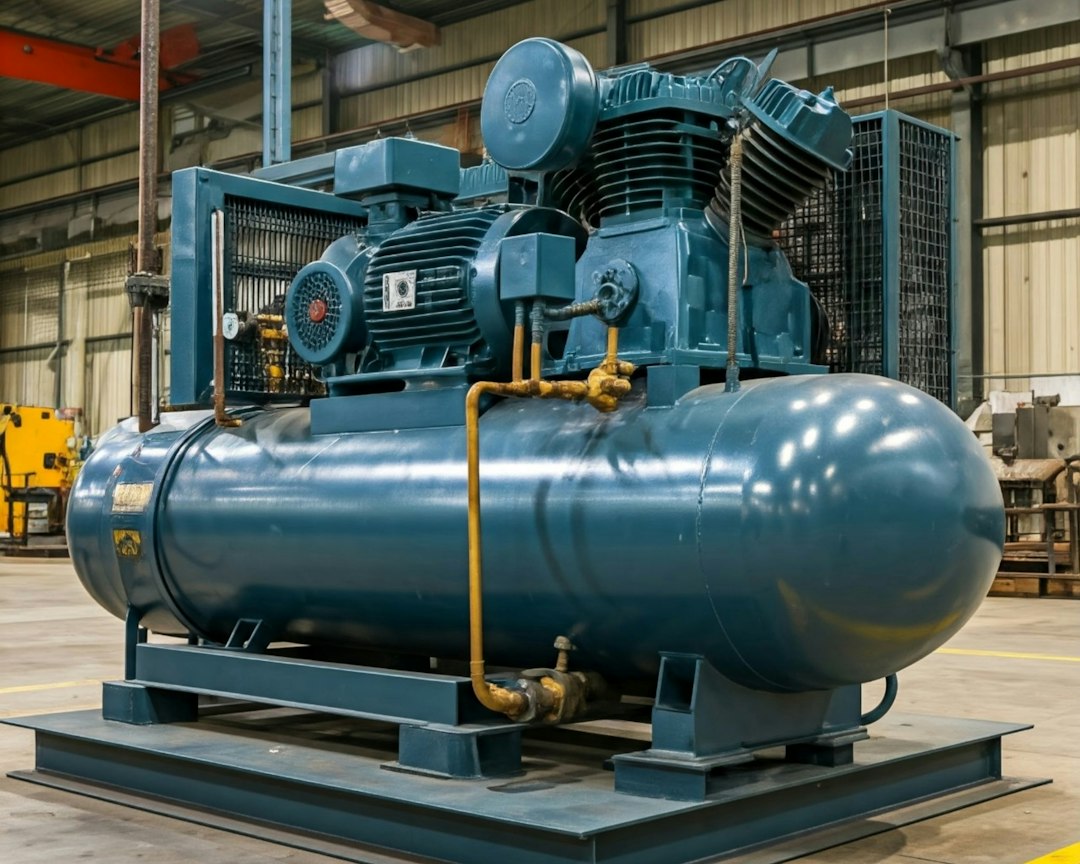
You know that feeling, don’t you? The oppressive heat of a summer day, the sticky air, the undeniable urge to retreat into the cool embrace of your home. And when that sweet relief floods your senses, you instinctively thank your air conditioning system. But have you ever stopped to consider the unsung hero of that operation, the component that makes all that cool air possible? You’re likely not thinking about the AC compressor. Yet, this robust piece of machinery is the heart of your entire cooling system, the engine that drives the magic. Understanding its role is key to appreciating your comfort and ensuring the longevity of your AC unit.
The Heartbeat of Your Cooling System: What the AC Compressor Actually Does
Imagine your AC system as a circulatory system for cool air. Just as your heart pumps blood throughout your body, your AC compressor pumps refrigerant, the lifeblood of your cooling process, through the entire system. Without its relentless effort, the cycle of heat absorption and expulsion simply wouldn’t happen. It’s a complex process, but at its core, the compressor’s job is to increase the pressure and temperature of the refrigerant, setting in motion the thermodynamic principles that lead to cooling.
The Refrigerant Cycle: A Symphony of Pressure and Temperature
To truly grasp the compressor’s significance, you need to understand the refrigerant cycle. This cycle has four main stages, and the compressor is pivotal in two of them. The refrigerant, a special chemical compound designed to absorb and release heat, begins its journey as a low-pressure, low-temperature gas.
Entering the Compressor: The Gas Takes a Deep Breath
As the gaseous refrigerant enters the compressor, it’s met with mechanical force. This force is applied by an electric motor within the compressor unit. Think of it like squeezing a balloon – you’re reducing the volume available for the gas. This compression is the first critical step. As the gas molecules are forced closer together, their kinetic energy increases, leading to a significant rise in both pressure and temperature. The refrigerant, now a high-pressure, high-temperature gas, is ready for its next transformation.
Exiting the Compressor: The Hot Breath of Change
Once compressed, the hot, high-pressure gas is expelled from the compressor and directed towards the condenser coil, typically located in your outdoor AC unit. Here, the heat that has been absorbed from your indoor air, and the additional heat generated by the compression process itself, is released into the outside environment. This is why your outdoor AC unit feels warm when the air conditioner is running. As the refrigerant loses heat, it begins to cool and condense into a high-pressure liquid.
Beyond Compression: The Compressor’s Ancillary Duties
While its primary function is indeed compression, the AC compressor is more than just a simple pump. It’s a sophisticated piece of engineering that also plays a role in regulating the flow and pressure within the system.
Lubrication is Key: Keeping the Engine Running Smoothly
Like any engine, the AC compressor relies on lubrication to prevent wear and tear. A small amount of specialized oil is mixed with the refrigerant and circulates throughout the system. This oil ensures that the moving parts within the compressor – such as pistons, scrolls, or rotors, depending on the compressor type – are adequately lubricated, minimizing friction and prolonging the compressor’s operational life. The type and amount of oil are critical; using the wrong type can lead to significant damage.
Protecting Itself: Internal Safety Mechanisms
Compressors are designed with internal safety features to protect themselves from damage caused by extreme conditions. These can include high-pressure cut-off switches that will shut down the compressor if the pressure within the system becomes too high, preventing catastrophic failure. They may also have thermal overload protectors that engage if the compressor motor overheats. These safeguards are essential for maintaining the integrity of the unit and preventing costly repairs.
The AC compressor plays a crucial role in the air conditioning system by compressing refrigerant and circulating it through the system to facilitate heat exchange. For a deeper understanding of how air conditioning systems work and the importance of each component, you can check out this related article on the topic at Freaky Science. This resource provides valuable insights into the mechanics of air conditioning and the science behind temperature control.
The Inner Workings: A Glimpse Inside the AC Compressor
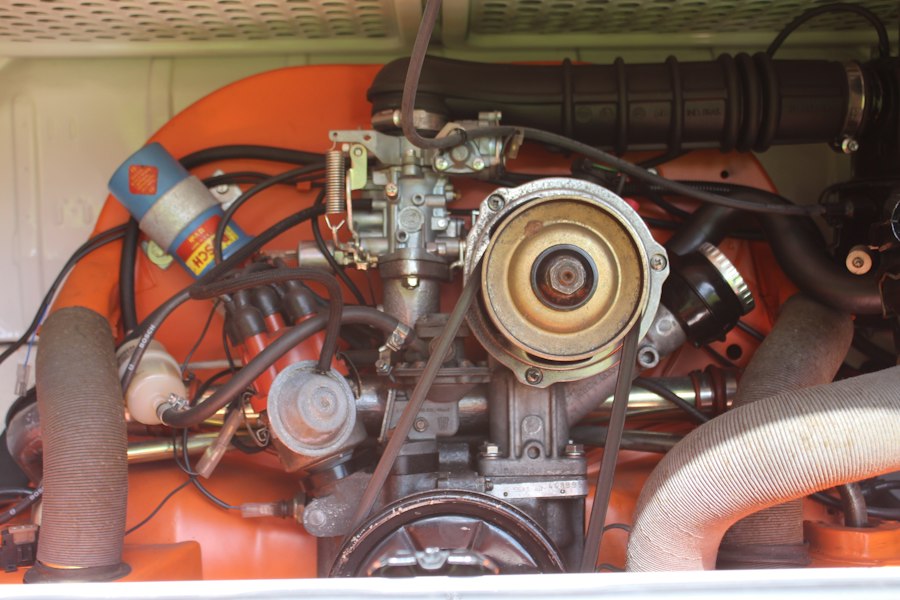
You’ve learned what the compressor does, but have you ever wondered how it does it? The internal mechanisms vary depending on the type of compressor your AC unit utilizes. While the fundamental goal is always the same – to compress the refrigerant – the methods employed can differ significantly. Understanding these differences can shed light on why certain compressors are more prevalent in residential settings than others and what factors contribute to their efficiency and reliability.
The Stalwart Piston Compressor: A Familiar Design
The piston compressor is one of the oldest and most common types found in air conditioning systems, particularly in older or smaller units. It operates much like the engine in your car.
The Compression Action: Up and Down Power
Inside a piston compressor, a crankshaft, driven by an electric motor, causes one or more pistons to move up and down within cylinders. As a piston moves down, it creates a vacuum, drawing low-pressure refrigerant gas into the cylinder through an intake valve. As the piston moves back up, it compresses the gas, forcing it out through an exhaust valve as a high-pressure, high-temperature gas. Some piston compressors are “reciprocating,” meaning they have a single piston, while others are “hermetic” or “semi-hermetic,” allowing for different sealing mechanisms and maintenance access.
Advantages and Disadvantages: A Balance of Pros and Cons
Piston compressors are known for their durability and relatively simple design. They can handle a wide range of operating pressures and are generally cost-effective to manufacture. However, they can also be less energy-efficient compared to newer designs, and their moving parts can generate more noise and vibration. Wear and tear on the pistons and cylinders can also lead to a gradual decrease in efficiency over time.
The Smooth Operator: Scroll Compressors
Scroll compressors have become increasingly popular in modern residential and light commercial AC systems due to their efficiency and quieter operation.
The Enveloping Motion: A Gentle Squeeze
A scroll compressor features two spiral-shaped components, or scrolls. One scroll is fixed, while the other orbits eccentrically around it without rotating. As the orbiting scroll moves, it traps pockets of refrigerant gas between the two scrolls. With each orbital motion, these pockets are progressively reduced in volume, effectively compressing the gas from the outer edges towards the center. The compressed gas is then discharged from the center of the scrolls.
Efficiency and Quietude: The Benefits of Scroll Design
The continuous, enveloping motion of the scrolls results in a smoother, more consistent compression process. This leads to higher energy efficiency, as there are fewer mechanical losses compared to the stop-and-start action of pistons. The lack of reciprocating parts also makes scroll compressors significantly quieter and less prone to vibration, contributing to a more pleasant indoor environment. They also tend to have fewer moving parts, which can translate to greater reliability.
The Rotational Force: Rotary Compressors
Rotary compressors, while perhaps less common in single-family homes compared to scroll or piston types, are still important in certain HVAC applications.
The Cylindrical Squeeze: A Continuous Flow
Rotary compressors utilize a rotating element to compress the refrigerant. There are a few sub-types, including the vane-type rotary compressor, which features a rotor with vanes that slide in and out of slots, creating compression chambers as they rotate. Another type is the screw compressor, which uses two intermeshing helical rotors to trap and compress the refrigerant.
Applications and Performance: Where They Shine
Rotary compressors are often found in smaller window units or in specific commercial applications where their compact size and consistent output are advantageous. They can offer good efficiency and reliability, particularly the screw type, which is known for its high capacity and efficiency in larger systems.
The Power Behind the Performance: Understanding Compressor Motor Types
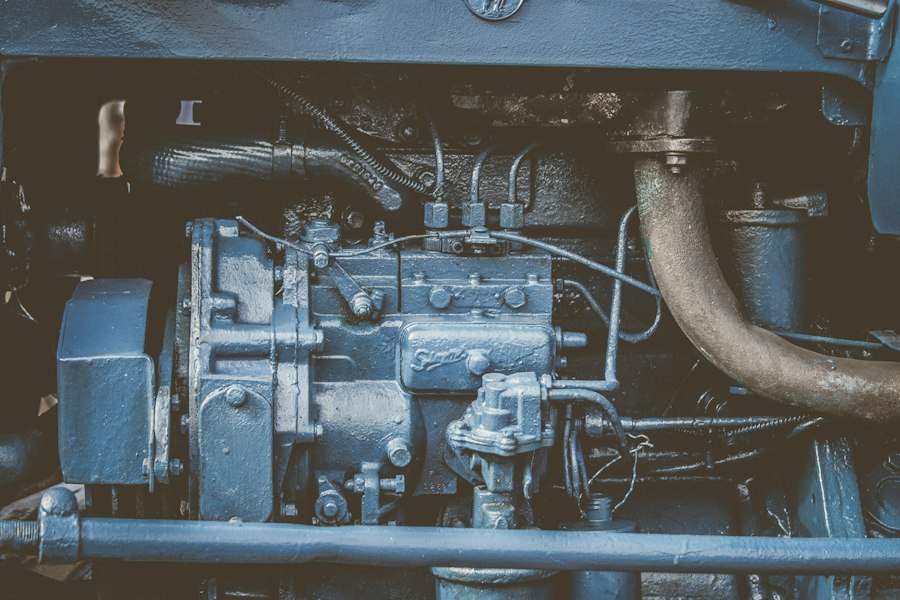
The compressor itself is a mechanical device, but it needs a power source to operate. This power comes from an electric motor, and the type of motor used can have significant implications for your AC system’s performance, energy consumption, and even its lifespan.
Single-Phase vs. Three-Phase Motors: A Crucial Distinction
The most fundamental difference in AC motors lies in the type of electrical power they utilize.
Single-Phase Power: The Home Standard
The vast majority of residential homes are supplied with single-phase electricity. Single-phase motors are designed to run on this type of power, which alternates in a single sinusoidal wave. They are generally simpler and less expensive to manufacture.
Three-Phase Power: For Larger Demands
Three-phase electricity, characterized by three alternating current waves that are offset in phase, is typically found in commercial and industrial settings. Three-phase motors are more efficient and provide a more consistent power output, making them ideal for larger or more demanding HVAC systems. While you likely won’t encounter a three-phase compressor in a standard residential unit, understanding the distinction is important when discussing AC technology broadly.
The Efficiency Edge: Variable-Speed Motors
In the pursuit of greater energy efficiency and enhanced comfort, variable-speed compressor technology has emerged as a game-changer.
Adjusting the Pace: Demand-Based Cooling
Instead of simply turning on at full power or off, variable-speed compressors can adjust their operating speed to precisely match the cooling demand. This means that when your home only needs a small amount of cooling, the compressor will run at a lower speed, consuming less energy and operating more quietly. As the demand increases, it can ramp up to provide more powerful cooling.
The Benefits of Modulation: Consistent Comfort and Savings
This ability to modulate its output offers several advantages. Firstly, it leads to significant energy savings, as the compressor isn’t constantly cycling on and off at full power, which is an energy-intensive process. Secondly, it provides more consistent indoor temperatures, as the system can maintain a desired level of comfort without the noticeable swings that can occur with single-stage compressors. Finally, reduced cycling can also lead to less wear and tear on the compressor and other system components.
Signs of Trouble: When Your AC Compressor Needs Attention
Your AC compressor is a workhorse, but like any mechanical component, it can eventually experience issues. Recognizing the early warning signs of compressor problems can save you from a complete system breakdown and a much larger repair bill. It’s always better to address minor issues before they escalate into major ones.
Unusual Noises: The Symphony of Distress
Your AC unit should operate with a relatively consistent hum. Any sudden or dramatic change in the sounds it produces could indicate a problem with the compressor.
Grinding or Screeching: A Clear Warning
A loud grinding or screeching sound, especially when the AC kicks on or during operation, is often a sign of internal mechanical issues within the compressor. This could be due to worn bearings, damaged pistons, or a lack of lubrication.
Clanking or Knocking: Deeper Internal Issues
A rhythmic clanking or knocking sound might suggest that internal components are loose or have become damaged, leading to them striking against each other. This is a serious issue that requires immediate attention.
Reduced Cooling Performance: The Slow Fade to Warmth
Perhaps the most obvious sign of a compressor problem is a noticeable decrease in your AC’s ability to cool your home.
Not Reaching Temperature: The Struggle is Real
If your thermostat is set to a comfortable temperature, but your AC unit is struggling to reach it, or if the air coming from the vents feels less cool than usual, your compressor might not be operating at its full capacity. This could be due to a variety of issues, including refrigerant leaks or a compressor that is starting to fail.
Inconsistent Cooling: The Rollercoaster Ride
You might also experience inconsistent cooling, where some rooms are cool while others remain warm, or the temperature fluctuates significantly throughout the day. This can be a symptom of a compressor that is not effectively circulating the refrigerant.
Increased Energy Bills: The Silent Drain
A struggling compressor often has to work harder to perform its job, which can lead to a noticeable increase in your electricity bills.
Working Overtime: The Cost of Inefficiency
If your AC unit seems to be running for longer periods without achieving the desired cooling, or if you notice a sudden spike in your energy consumption that can’t be explained by other factors like extreme weather, your compressor might be the culprit. It’s attempting to compensate for its own inefficiencies or failing capacity.
The AC compressor plays a crucial role in the overall functioning of your air conditioning system, as it is responsible for circulating refrigerant and maintaining the pressure needed for cooling. Understanding its operation can help you identify potential issues and ensure your system runs efficiently. For a deeper dive into the mechanics of air conditioning and how various components work together, you might find this informative article on air conditioning systems particularly helpful.
Maintenance and Longevity: Keeping Your Compressor Healthy
| Metric | Description | Typical Value/Range | Unit |
|---|---|---|---|
| Function | Compresses refrigerant gas to increase pressure and temperature | N/A | N/A |
| Pressure Increase | Raises refrigerant pressure from low to high side of AC system | 30 – 50 | psi (pounds per square inch) |
| Power Consumption | Energy used by compressor to compress refrigerant | 0.5 – 2.5 | kW (kilowatts) |
| Refrigerant Flow Rate | Amount of refrigerant circulated through the system | 0.1 – 0.3 | kg/s (kilograms per second) |
| Temperature Increase | Raises refrigerant temperature before condenser | 20 – 40 | °C (degrees Celsius) |
| Role in Cooling Cycle | Enables heat transfer by circulating refrigerant through AC system | N/A | N/A |
Just like regular check-ups for your car can prevent major breakdowns, consistent maintenance for your AC system is crucial for ensuring the health and longevity of its most vital component – the compressor. Proactive care is far more cost-effective than reactive repairs.
Regular Professional Servicing: The Expert Touch
Your AC unit is a complex piece of machinery. While you can perform some basic upkeep, entrusting your system to qualified HVAC professionals for regular servicing is paramount.
Annual Tune-Ups: A Proactive Approach
An annual AC tune-up, typically performed before the start of the cooling season, is essential. During these appointments, technicians will inspect the compressor, check refrigerant levels, clean coils, inspect electrical connections, and identify any potential issues before they become serious problems. They can also identify if the compressor is showing early signs of wear or strain.
Lubrication Checks and Replenishment: The Lifeblood
As mentioned earlier, proper lubrication is vital for the compressor. Technicians will check the oil levels and quality and replenish or replace it as needed. They can also identify if the oil has become contaminated, which could indicate internal wear.
Environmental Factors: Protecting Your Investment
The environment in which your AC unit operates can also impact the compressor’s performance and lifespan.
Keeping the Outdoor Unit Clean: Breathing Freely
Your outdoor AC unit, which houses the compressor, needs to be able to breathe. Ensure that the area around the unit is kept clear of debris, leaves, and vegetation. Overgrown plants can restrict airflow, causing the compressor to overheat. Regular cleaning of the condenser fins will also improve heat dissipation.
Protecting from the Elements: Shielding from Extremes
While AC units are designed to withstand outdoor conditions, extreme weather can take a toll. Consider using a protective cover during extended periods of non-use, especially in areas with heavy snowfall or intense sunlight, to shield the unit from unnecessary wear.
Addressing Minor Issues Promptly: Nip it in the Bud
Don’t ignore small, seemingly insignificant problems. A minor refrigerant leak, for example, can put a significant strain on your compressor over time.
Refrigerant Levels: The Critical Balance
Refrigerant is what your AC uses to absorb and release heat. Low refrigerant levels, often indicative of a leak, force the compressor to work much harder to achieve the desired cooling effect. Promptly addressing refrigerant leaks ensures your compressor isn’t overworking.
Electrical Connections: The Flow of Power
Loose or corroded electrical connections can disrupt the flow of power to the compressor motor, leading to inconsistent operation or even failure. Regular inspections by a technician can catch these issues early. By understanding the critical role your AC compressor plays, you can better appreciate the technology that keeps you comfortable and take the necessary steps to ensure its continued, efficient operation. It’s a complex, hardworking component, and a little knowledge and attention can go a long way in guaranteeing those cool, refreshing breezes for years to come.

Your AC Blows Hot Air Outside. Is That Heat From Your Room?
FAQs
What is the function of the AC compressor?
The AC compressor is responsible for pressurizing and circulating the refrigerant in the air conditioning system of a vehicle or building. It plays a crucial role in cooling the air that is then circulated throughout the space.
How does the AC compressor work?
The AC compressor works by taking in low-pressure, low-temperature refrigerant gas and compressing it into high-pressure, high-temperature gas. This process increases the refrigerant’s temperature and pressure, allowing it to release heat as it flows through the system.
What are the common signs of a failing AC compressor?
Common signs of a failing AC compressor include reduced cooling performance, strange noises coming from the compressor, leaking refrigerant, and visible damage to the compressor itself. If you notice any of these signs, it is important to have the compressor inspected and repaired by a professional.
Can an AC compressor be repaired or does it need to be replaced?
In some cases, an AC compressor can be repaired by replacing certain components such as the clutch or bearings. However, if the compressor is severely damaged or worn out, it may need to be replaced entirely. A professional technician can assess the condition of the compressor and recommend the best course of action.
How can I maintain the AC compressor to prolong its lifespan?
To maintain the AC compressor and prolong its lifespan, it is important to regularly check and replace the air filter, keep the system clean, ensure proper refrigerant levels, and have the system inspected and serviced by a professional on a regular basis. Proper maintenance can help prevent issues and extend the life of the AC compressor.