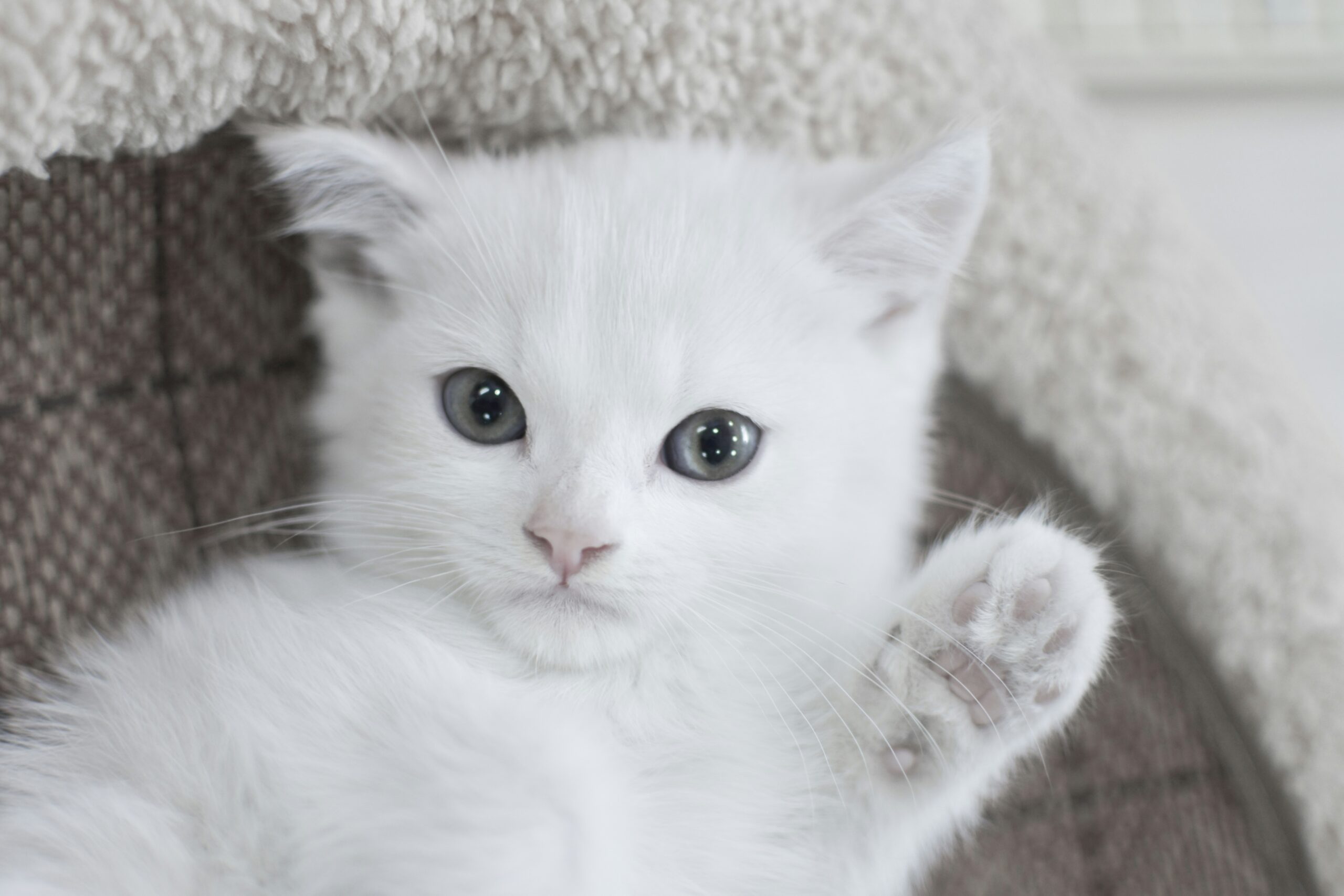
Understanding the Health Risks for White Cats
The Curious Case of the White Coat: More Than Just Aesthetics
The ethereal beauty of a white cat is undeniable. Their pristine coats, often likened to freshly fallen snow or moonlight, possess a captivating allure. However, this striking coloration, while aesthetically pleasing, is not merely a superficial trait. For white cats, their lack of pigment carries with it a specific set of potential health concerns that responsible pet owners should be aware of. Understanding these risks is crucial for providing optimal care, ensuring these beautiful felines can live long, healthy, and comfortable lives. This article delves into the various health implications associated with white fur, exploring the genetic underpinnings, common ailments, and preventative measures that can help mitigate these challenges.
The genetic basis for white fur in cats is complex and often linked to the expression of specific genes. The most common gene responsible for a completely white coat is the epistatic white gene (W). This gene masks the expression of all other color genes, meaning a cat with the W gene will be white regardless of its underlying genetic makeup for coat color. Another significant factor, particularly in relation to deafness, is the piebald gene (S). While the piebald gene itself doesn’t always result in a completely white cat, it can lead to extensive white spotting. When the piebald gene is present in a dominant form, it can result in a “dominant white” phenotype, where the cat appears entirely white. However, it is the interaction of these genes, especially when combined with specific alleles of the white spotting gene, that can predispose white cats to certain health issues.
It is important to distinguish between true white cats and those with light-colored fur. A true white cat lacks any pigment in its fur, skin, and often its eyes. This absence of melanin, the pigment responsible for color, plays a direct role in many of the health considerations discussed herein. Conversely, cats with very light cream, pale grey, or white-and-color patterns, where color is present but diluted, may not share all of the same risks as completely white cats. The focus of this discussion remains on felines whose coats are entirely devoid of pigment.
When considering the health risks associated with white cats, it’s essential to explore various factors that can impact their well-being. A related article that delves deeper into this topic is available at Freaky Science, where you can find comprehensive insights on the specific health concerns that white cats may face, including genetic predispositions and environmental influences. Understanding these risks can help cat owners provide better care and ensure a healthier life for their feline companions.
The Shadow of Deafness: A Genetic Link to White Fur

One of the most widely recognized health risks associated with white cats is deafness. This connection is not a mere coincidence but a well-established genetic phenomenon. The gene responsible for white fur, particularly the dominant white gene (W), is often linked to the development of the inner ear structures. Specifically, the absence of pigment in the outer ear may be correlated with the degeneration of sensory cells within the cochlea.
The Role of Melanin in Auditory Health
Melanin, the same pigment that gives color to fur, skin, and eyes, also plays a vital role in the development and function of the inner ear. In felines, the melanocytes that produce melanin are also present in the stria vascularis, a structure within the cochlea responsible for maintaining the ionic environment necessary for hearing. When these melanocytes are absent or non-functional due to the genetic predisposition for white fur, the stria vascularis can be underdeveloped or degenerate. This deficiency can lead to a loss of auditory function, resulting in deafness.
Piebaldism and Congenital Deafness
The piebald gene (S), which causes white spotting, is particularly implicated in congenital deafness when it is present in a dominant form and leads to a largely or entirely white cat. It is believed that the absence of pigment in the skin around the ear canal, a consequence of the piebald gene’s action, is directly linked to the neurological pathways responsible for hearing. While not all white cats are deaf, and not all deaf cats are white, there is a statistically significant correlation. Studies have shown that white cats with blue eyes are at a higher risk of deafness than white cats with other eye colors. The exact mechanisms are still being researched, but the presence of the same genes that dictate white fur color is often intertwined with the development of the auditory system.
Identifying Deafness in White Cats
Recognizing deafness in a feline companion is crucial for providing appropriate care. Deaf cats may exhibit several behavioral cues. They might not respond to their name being called, startle easily when approached from behind, or seem unaware of ambient noises like doorbells or vacuum cleaners. In some cases, their meows might be louder or more frequent than expected, as they cannot regulate their vocalizations based on auditory feedback. Owners can conduct simple tests at home, such as dropping a set of keys behind the cat without them seeing, or using a loud toy. If the cat shows no reaction, a veterinary consultation is recommended. A veterinarian can perform specialized hearing tests, such as Brainstem Auditory Evoked Response (BAER) testing, to definitively diagnose deafness.
Sunlight’s Double-Edged Sword: Skin Cancer Risks in White Felines

While sunlight is essential for life and can provide warmth and comfort, for white cats, it presents a significant health hazard, particularly concerning their skin. The absence of melanin, the protective pigment that absorbs ultraviolet (UV) radiation, leaves their skin incredibly vulnerable to sun damage. This vulnerability translates into an increased risk of developing various forms of skin cancer, most notably squamous cell carcinoma.
The Vulnerability of Unpigmented Skin
Melanin acts as a natural sunscreen, absorbing and scattering UV rays from the sun, thereby protecting the underlying skin cells from DNA damage. White cats, lacking this protective pigment, have skin that is essentially unprotected when exposed to direct sunlight. This is especially true for areas with less fur, such as the tips of their ears, their nose, and eyelids. These areas are the most common sites for sun-induced skin damage and subsequent tumor development.
Squamous Cell Carcinoma: A Persistent Threat
Squamous cell carcinoma (SCC) is the most prevalent type of skin cancer diagnosed in cats, and white felines are disproportionately affected. SCCs are locally invasive and can spread to lymph nodes and other organs if not treated promptly. Initial signs of SCC can be subtle and may include scabs, crusts, sores that do not heal, or thickened skin. Often, these lesions appear on the bridge of the nose, around the edges of the ears, or on the eyelids. In their early stages, they can be mistaken for minor irritations or wounds.
Recognizing and Preventing Sunburn
Preventing sunburn is the first and most critical step in mitigating the risk of skin cancer in white cats. Owners should be mindful of their cat’s sun exposure habits. If a cat enjoys basking in sunny spots, it is imperative to limit their access to direct sunlight, especially during peak hours of UV intensity (typically between 10 am and 4 pm). Providing shaded areas, both indoors and outdoors, is essential. For cats that are particularly prone to sunbathing, consulting with a veterinarian about the use of pet-specific sunscreens can be beneficial. These sunscreens are formulated to be safe for feline consumption and application. Regular visual inspection of the skin, particularly on the ears, nose, and eyelids, for any suspicious lesions, redness, or changes is paramount. Early detection significantly improves the prognosis for skin cancer treatment.
Eye Concerns: From Blue Eyes to Potential Vision Impairment
The striking blue eyes often found in white cats, while beautiful, can also be indicative of genetic predispositions that may affect their vision. The same genetic factors that lead to a lack of pigment in the fur can also influence the development and health of the eyes, leading to a range of potential issues.
The Link Between White Fur and Blue Eyes
As previously mentioned, the gene for white fur, particularly the dominant white gene, can also lead to the absence of pigment in the iris of the eye. This results in the characteristic blue coloration. In some cases, white cats may have one blue eye and one eye of a different color (heterochromia), or both eyes can be blue. While blue eyes themselves are not inherently a health problem, they are often a marker for the underlying genetic traits that can predispose a cat to other ocular conditions.
Congenital Eye Abnormalities
In a small percentage of white cats, the lack of pigment can be associated with congenital eye abnormalities. These can include conditions such as microphthalmia (abnormally small eyes) or coloboma (a gap or notch in the eye structure, often in the iris). These abnormalities can affect vision and, in some cases, may require veterinary intervention. While not as common as deafness or skin issues, these potential congenital defects underscore the importance of early veterinary eye examinations for white kittens.
Increased Susceptibility to Ocular Irritation and Photophobia
Cats with unpigmented irises are more susceptible to the effects of bright light. This condition is known as photophobia, and it can cause discomfort and squinting in brightly lit environments. While not a direct disease, photophobia can impact a cat’s quality of life and may lead them to seek out dark, secluded areas. Furthermore, the lack of pigment in the iris offers less protection against UV radiation, potentially making the sensitive tissues of the eye more vulnerable to damage over time. While less common than in humans, long-term UV exposure could theoretically contribute to age-related ocular issues. Owners of white cats with blue eyes should be mindful of their cat’s comfort in bright sunlight and ensure they have access to shaded resting places. Regular eye checks by a veterinarian can help detect any early signs of irritation or abnormalities.
When considering the health risks associated with white cats, it’s important to explore various factors that can affect their well-being. A related article that delves deeper into this topic can be found at Freaky Science, where you can learn about the specific genetic predispositions and environmental influences that may impact these beautiful felines. Understanding these risks can help cat owners provide better care and ensure a healthier life for their pets.
Overall Health and Well-being: A Holistic Approach to Care
| Health Risk | Description | Common Symptoms | Preventive Measures |
|---|---|---|---|
| Deafness | White cats, especially those with blue eyes, have a higher risk of congenital deafness due to genetic factors. | Unresponsiveness to sounds, lack of startle reflex | Regular hearing tests, keeping the cat indoors for safety |
| Sunburn and Skin Cancer | White cats have less pigment, making their skin more susceptible to UV damage and skin cancer. | Redness, sores, scabs on ears, nose, and face | Limit sun exposure, use pet-safe sunscreen, provide shaded areas |
| Eye Sensitivity | Light-colored eyes in white cats can be more sensitive to bright light, causing discomfort. | Squinting, excessive blinking, avoiding bright areas | Provide shaded or dimly lit environments, avoid direct sunlight |
| Genetic Disorders | Some white cats may carry genes linked to other hereditary conditions. | Varies depending on disorder | Genetic screening, regular veterinary check-ups |
While specific health risks are associated with white fur, it is crucial to remember that white cats, like all felines, require comprehensive and attentive care to thrive. A holistic approach that considers their unique predispositions alongside general feline health needs is paramount for ensuring their long and happy lives.
The Importance of Regular Veterinary Check-ups
Consistent and thorough veterinary examinations are the cornerstone of good health for any cat, but they are particularly vital for white felines. Veterinarians can identify early signs of potential issues related to deafness, skin conditions, and eye problems, allowing for timely intervention and treatment. These check-ups also provide an opportunity for owners to discuss any concerns they may have and to receive tailored advice regarding their cat’s specific needs. Routine examinations can include hearing assessments, dermatological evaluations, and comprehensive eye screenings.
Nutritional Needs and a Balanced Diet
A balanced and high-quality diet is essential for supporting the overall health of all cats, including white ones. While there are no specific dietary requirements directly linked to white fur color, ensuring adequate nutrition provides the building blocks for a strong immune system and healthy bodily functions. This can help mitigate the impact of any potential health challenges. A diet rich in protein, essential fatty acids, vitamins, and minerals, tailored to the cat’s age, activity level, and any underlying health conditions, is recommended.
Creating a Safe and Stimulating Environment
Beyond addressing specific health risks, providing a safe and enriching environment is crucial for a white cat’s overall well-being. This includes ensuring their living space is free from hazards, offering opportunities for exercise and mental stimulation, and fostering a strong bond between the cat and their owner. For white cats, this also means being mindful of their environmental needs, such as providing shaded areas for sun-sensitive cats and ensuring they have quiet spaces to retreat to if they are prone to photophobia or startle easily due to potential hearing loss. Understanding their individual personalities and sensitivities will allow owners to create an optimal living situation. By being proactive, informed, and attentive, owners can help their white cats lead healthy, happy, and fulfilling lives, celebrating their unique beauty without overlooking their specific health considerations.

Which Cat Color Lives Longest? The Research Has a Twist
FAQs
What are some common health risks for white cats?
White cats are more prone to developing skin cancer, deafness, and sunburn due to their lack of pigmentation in their skin and fur.
How does the lack of pigmentation in white cats contribute to health risks?
The lack of pigmentation in white cats makes them more susceptible to harmful UV rays from the sun, leading to an increased risk of skin cancer and sunburn.
Are white cats more likely to be deaf?
Yes, white cats with blue eyes are more likely to be deaf compared to cats with other coat colors. This is due to a genetic link between white coat color and deafness.
What can be done to protect white cats from health risks?
White cats should be kept indoors during peak sun hours to reduce their exposure to harmful UV rays. Regular veterinary check-ups are also important to monitor their health.
Are there any specific breeds of white cats that are more prone to certain health risks?
Certain breeds of white cats, such as the Turkish Van and the Khao Manee, may have a higher prevalence of deafness due to their genetic makeup. It is important for owners of these breeds to be aware of this risk and take necessary precautions.