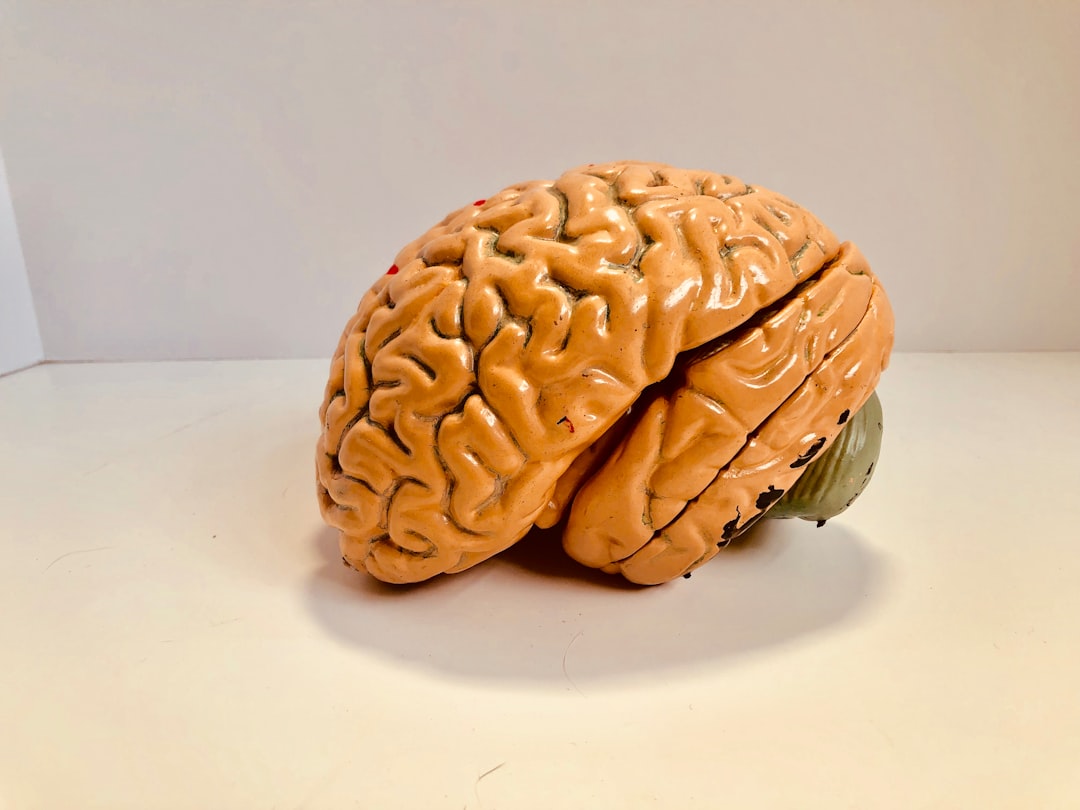
You’ve probably heard the buzz about the “gut-brain axis” – a term that sounds a bit like it belongs in a sci-fi novel, but it’s actually a fundamental aspect of your well-being. It’s the intricate, two-way communication highway connecting your digestive system and your brain. Think of it as a constant conversation, where your gut sends signals upstairs to your brain, and your brain, in turn, influences what happens downstairs. Understanding this complex interplay is crucial, not just for your digestive health, but for your mood, cognition, immunity, and even your overall mental state.
You might initially picture your gut and brain as separate entities, functioning independently. However, the truth is far more interconnected. The gut-brain axis isn’t a single structure but a network of pathways and mechanisms that facilitate this constant dialogue.
The Vagus Nerve: The Superhighway
The undisputed star player in this communication system is the vagus nerve. This incredibly long and complex cranial nerve acts as a direct physical link between your brainstem and many internal organs, including your stomach, intestines, heart, and lungs. It’s like the main fibre optic cable, transmitting a massive amount of information in both directions.
From Gut to Brain: Sensing Your Inner World
The vagus nerve is packed with sensory neurons, originating in the lining of your gut. These neurons are constantly monitoring your internal environment: the presence of food, the speed of digestion, the types of nutrients being absorbed, and even the presence of harmful bacteria or inflammatory signals. When something changes in your gut, these sensory neurons fire, sending signals up the vagus nerve to your brain. This is how your brain gets real-time updates on your digestive status. Remember that feeling of fullness after a meal? That’s your gut sending satiety signals to your brain via the vagus nerve.
From Brain to Gut: Orchestrating Digestion
But the vagus nerve isn’t a one-way street. Your brain also sends signals down the vagus nerve to your gut, influencing a multitude of digestive processes. These signals can:
- Regulate motility: Control the muscular contractions that move food through your digestive tract.
- Influence enzyme and acid secretion: Dictate the release of digestive juices needed to break down food.
- Modulate blood flow: Adjust the amount of blood sent to your gut for nutrient absorption.
- Impact the gut barrier: Influence the integrity of the intestinal lining, preventing unwanted substances from entering your bloodstream.
This means your brain’s emotional state can directly impact how efficiently your gut functions. When you’re stressed or anxious, your brain can signal your gut to slow down or even speed up digestive processes, leading to common symptoms like indigestion, nausea, or the dreaded “butterflies.”
Neurotransmitters: The Chemical Messengers
Beyond the physical wiring of nerves, a sophisticated chemical language fuels the gut-brain axis. Neurotransmitters are chemical messengers that transmit signals between nerve cells, and many of them are produced and utilized in both your brain and your gut.
Serotonin: The Feel-Good Connection
Perhaps the most famous neurotransmitter in this context is serotonin. While often associated with mood regulation in the brain, a staggering 90% of the body’s serotonin is actually produced by specialized cells in your gut lining, called enterochromaffin cells. Serotonin plays a vital role in regulating your gut motility, influencing your appetite, and even contributing to your overall sense of well-being. This explains why gut health issues can often manifest as changes in mood, and why interventions that support gut health can sometimes improve mental well-being.
Other Key Neurotransmitters
- Dopamine: Associated with reward and motivation in the brain, dopamine also plays a role in gut motility and nutrient absorption.
- GABA (Gamma-Aminobutyric Acid): Primarily known as an inhibitory neurotransmitter in the brain, promoting calmness, GABA is also produced by gut bacteria and can influence anxiety levels and gut function.
- Norepinephrine: Involved in the “fight or flight” response in the brain, norepinephrine also affects gut motility and secretion.
The interplay of these and other neurotransmitters creates a complex chemical symphony, where imbalances in one area can ripple through the entire system.
The gut-brain axis is a fascinating area of research that explores the intricate communication between our digestive system and brain, influencing everything from mood to cognitive function. For a deeper understanding of this complex relationship, you can read a related article that delves into the mechanisms and implications of the gut-brain connection. Check it out here: Gut-Brain Axis Explained.
The Gut Microbiome: The Unseen Architects
You might think of your gut as simply a tube for digesting food. But it’s actually a bustling ecosystem, teeming with trillions of microorganisms – bacteria, viruses, fungi, and other microbes – collectively known as your gut microbiome. This microbial community is no longer seen as a passive bystander; it’s an active and essential partner in the gut-brain axis.
Who Are These Tiny Tenants?
Your gut microbiome is incredibly diverse and unique to you, influenced by factors like your diet, genetics, lifestyle, and even the environment you grew up in. While the vast majority of these microbes are beneficial or neutral, a healthy balance is crucial.
How the Microbiome Influences Your Brain
The microbial residents in your gut wield surprising power over your brain through several mechanisms:
Producing Neuroactive Compounds
Your gut bacteria are tiny chemical factories. They break down dietary compounds that you can’t digest yourself, producing a vast array of metabolites, including many neuroactive substances. For instance:
- Short-Chain Fatty Acids (SCFAs): Produced when bacteria ferment dietary fiber, SCFAs like butyrate are crucial fuel for gut cells, help maintain the gut barrier, and can cross the blood-brain barrier to influence brain function, neuroinflammation, and even the production of neurotransmitters.
- Neurotransmitters themselves: As mentioned earlier, gut bacteria can produce and metabolize neurotransmitters like serotonin, GABA, and dopamine, directly impacting your brain’s chemical landscape.
Modulating the Immune System
A significant portion of your body’s immune system resides in your gut. Your gut microbiome plays a critical role in training and regulating this immune response.
- Educating Immune Cells: The constant interaction with microbes helps your immune system distinguish between friend and foe, preventing excessive inflammation.
- Inflammation and Neuroinflammation: When the gut microbiome is imbalanced (dysbiosis), it can trigger an inflammatory response in the gut, leading to a “leaky gut” where inflammatory molecules can enter the bloodstream and reach the brain. This chronic, low-grade inflammation in the brain, known as neuroinflammation, is linked to various neurological and psychiatric disorders, including depression, anxiety, and cognitive decline.
Influencing the Blood-Brain Barrier
The blood-brain barrier (BBB) is a highly selective semipermeable barrier that separates circulating blood from the brain and extracellular fluid in the central nervous system. It protects the brain from pathogens and toxins. The gut microbiome can influence the integrity of the BBB. A healthy microbiome contributes to a strong BBB, while dysbiosis and gut inflammation can compromise it, allowing harmful substances to enter the brain.
The Feedback Loop: When Stress Affects Your Gut, and vice-versa
The gut-brain axis is a dynamic, ever-changing dialogue. It’s not just about how your gut impacts your brain; your brain’s state can profoundly influence your gut’s function.
The Stress Response and Your Digestion
When you experience stress, your brain activates the hypothalamic-pituitary-adrenal (HPA) axis, a complex signaling pathway that releases stress hormones like cortisol and adrenaline. These hormones have a direct impact on your gut.
“Fight or Flight” and Gut Slowdown
In an acute stress situation, your body prioritizes survival. This means diverting blood flow away from non-essential functions like digestion and towards your muscles and brain. This can:
- Slow down digestion: Food might sit in your stomach longer, leading to feelings of bloating and indigestion.
- Increase gut permeability: Stress can weaken the gut barrier, making it more prone to “leaking.”
- Alter gut motility: You might experience diarrhea or constipation depending on the individual and the nature of the stress.
- Change the gut microbiome: Chronic stress can negatively impact the diversity and composition of your gut bacteria, further exacerbating gut-brain axis issues.
The Gut’s Distress Signals Back to the Brain
But it’s not just a one-sided assault. The discomfort and dysfunction in your gut caused by stress can also send signals back to your brain, amplifying feelings of anxiety and worry. This creates a vicious cycle: stress makes your gut uncomfortable, and gut discomfort makes you feel more stressed.
Emotions and Your Appetite
Your emotional state is a powerful driver of your eating habits, and the gut-brain axis plays a significant role in this.
Comfort Eating and Gut Feelings
When you’re feeling down, anxious, or lonely, you might find yourself craving certain foods, often those high in sugar, fat, or salt. This “comfort eating” is partly driven by the brain’s reward pathways, but it’s also influenced by how your gut microbes respond to these food choices. Some gut microbes may even signal your brain to crave these specific types of foods.
Loss of Appetite and Gut Signals
Conversely, severe stress or anxiety can lead to a complete loss of appetite. This is your brain, responding to perceived danger, telling your body to shut down less crucial functions, including the desire to eat. The reduced intake of food also means less fuel for your beneficial gut microbes, further impacting the gut-brain axis.
The Gut-Brain Axis in Health and Disease
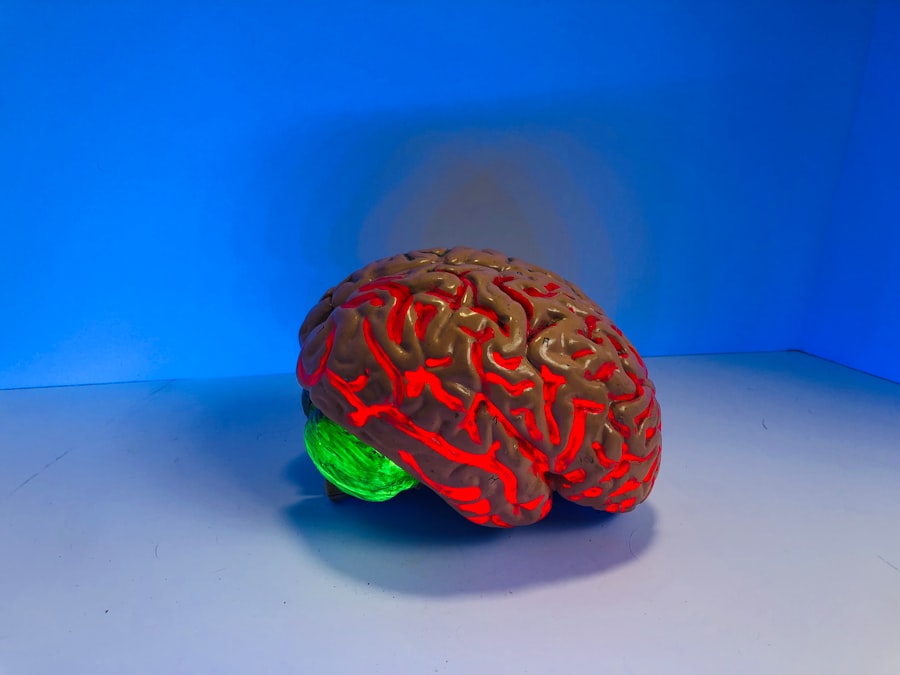
The intricate dance between your gut and your brain is fundamental to various aspects of your health. When this axis functions smoothly, you experience optimal well-being. However, disruptions can contribute to a wide range of physical and mental health conditions.
Digestive Disorders with a Brain Component
Many common digestive issues are now understood to have a significant gut-brain axis component.
Irritable Bowel Syndrome (IBS)
IBS is a prime example. Characterized by abdominal pain, bloating, gas, diarrhea, and/or constipation, IBS is strongly linked to altered gut motility, heightened gut sensitivity, and dysregulation of the gut-brain axis. Stress is a well-known trigger for IBS flares, and individuals with IBS often report higher levels of anxiety and depression. Changes in the gut microbiome are also frequently observed in IBS patients.
Inflammatory Bowel Disease (IBD)
Conditions like Crohn’s disease and ulcerative colitis, while primarily characterized by chronic inflammation of the digestive tract, also involve the gut-brain axis. The gut microbiome plays a role in modulating the immune response in IBD, and stress can exacerbate symptoms. Furthermore, the chronic physical discomfort and uncertainty associated with IBD can significantly impact mental health, leading to higher rates of anxiety and depression.
Mental Health and the Gut Connection
The gut-brain axis is increasingly recognized as a crucial player in mental health.
Depression and Anxiety
The significant production of serotonin in the gut and the influence of the microbiome on neurotransmitter levels suggest a strong link between gut health and mood disorders. Studies have shown that individuals with depression and anxiety often have altered gut microbial profiles compared to healthy individuals. Furthermore, interventions targeting the gut, such as probiotics, have shown promise in improving symptoms of depression and anxiety in some individuals.
Cognitive Function and Neurodevelopment
Emerging research suggests that the gut microbiome and the gut-brain axis may also influence cognitive function throughout life, from early development to aging. SCFAs, produced by gut bacteria, can cross the blood-brain barrier and impact brain plasticity, learning, and memory. Impairments in the gut-brain axis have been implicated in neurodevelopmental disorders like autism spectrum disorder and in age-related cognitive decline.
Beyond Digestion and Mood: Wider Implications
The influence of the gut-brain axis extends even further, impinging on other critical bodily systems.
Immune System Regulation
As discussed earlier, the gut microbiome is intimately involved in shaping your immune system. An imbalanced gut microbiome can lead to chronic inflammation, not just in the gut but systemically, impacting various organs and contributing to the development of autoimmune diseases.
Metabolic Health
The gut microbiome influences how you metabolize food, extract nutrients, and even regulate your appetite. Dysbiosis has been linked to obesity, type 2 diabetes, and other metabolic disorders. The signals from your gut, influenced by your microbiome, can affect satiety signals to your brain, impacting food choices and energy balance.
The gut-brain axis is a fascinating area of research that explores the intricate communication between our digestive system and brain, influencing everything from mood to cognitive function. For a deeper understanding of this connection, you can read a related article that delves into the mechanisms behind this relationship and its implications for mental health. This insightful piece can be found here, providing valuable information on how our gut health can impact our overall well-being.
Nurturing Your Gut-Brain Axis: A Holistic Approach
| Data/Metric | Description |
|---|---|
| Gut Microbiota Diversity | The variety of microorganisms present in the gut |
| Neurotransmitter Production | The ability of gut bacteria to produce neurotransmitters |
| Intestinal Permeability | The measure of how easily substances can pass through the intestinal wall |
| Brain Function | The impact of gut microbiota on cognitive function and mental health |
Understanding the profound connection between your gut and your brain empowers you to take proactive steps towards optimizing both. It’s not about a quick fix but a commitment to a holistic approach that nourishes this vital communication network.
Dietary Strategies: Fueling a Healthy Gut Ecology
Your diet is the most direct and powerful tool you have for influencing your gut microbiome and, by extension, your gut-brain axis.
The Power of Fiber: Feeding Your Microbes
Dietary fiber is the ultimate prebiotic. It’s the fuel that your beneficial gut bacteria ferment, leading to the production of those crucial SCFAs. Aim for a diverse range of fiber sources:
- Fruits and vegetables: Aim for a rainbow of colours to ensure a wide array of nutrients and fiber types.
- Whole grains: Oats, quinoa, brown rice, and barley are excellent choices.
- Legumes: Beans, lentils, and chickpeas are packed with fiber and protein.
- Nuts and seeds: Excellent sources of fiber, healthy fats, and micronutrients.
The Importance of Fermented Foods: Introducing Beneficial Bacteria
Fermented foods are rich in probiotics – live beneficial microorganisms that can colonize your gut and contribute to a healthier microbiome. Incorporate these into your diet regularly:
- Yogurt and kefir: Choose plain, unsweetened varieties to avoid added sugars.
- Sauerkraut and kimchi: Traditional fermented vegetables that offer a tangy punch.
- Tempeh and miso: Fermented soybean products.
- Kombucha: A fermented tea, but be mindful of sugar content.
Limiting Processed Foods and Added Sugars
These foods tend to feed less beneficial bacteria, promote inflammation, and can negatively impact your gut barrier. They often lack the fiber and nutrients that your gut microbes need to thrive.
Lifestyle Factors: Beyond the Plate
Your daily habits play a significant role in shaping your gut-brain axis.
Stress Management Techniques: Soothing the Nervous System
Since stress is a major disruptor, incorporating effective stress management strategies is paramount:
- Mindfulness and meditation: Regular practice can calm the nervous system.
- Deep breathing exercises: Simple yet effective for immediate stress reduction.
- Yoga and Tai Chi: Combine movement with breathwork and mindfulness.
- Spending time in nature: An often-overlooked but powerful stress reliever.
- Adequate sleep: Crucial for overall body repair and regulation, including gut health.
Regular Physical Activity: Moving Your Gut and Your Mind
Exercise has a profound impact on both your brain and your gut.
- Improved Gut Motility: Physical activity can help regulate bowel movements.
- Enhanced Microbiome Diversity: Studies suggest that regular exercise can contribute to a more diverse and resilient gut microbiome.
- Endorphin Release: Exercise releases endorphins, which have mood-boosting effects that can positively influence the gut-brain axis.
Adequate Sleep: The Foundation of Repair
Lack of sleep can disrupt your gut microbiome, increase inflammation, and exacerbate stress responses. Prioritize 7-9 hours of quality sleep per night. Establish a regular sleep schedule and create a relaxing bedtime routine.
The Role of Probiotics and Prebiotics: Targeted Support
While a whole-foods diet is the foundation, targeted use of probiotics and prebiotics can offer additional support.
Probiotics: Introducing the Good Guys
Probiotic supplements can introduce specific strains of beneficial bacteria into your gut. However, it’s important to note that not all probiotics are created equal, and the effectiveness can vary depending on the individual and the condition being addressed. Consulting with a healthcare professional can help you identify appropriate strains and dosages.
Prebiotics: Feeding the Existing Good Guys
Prebiotic supplements are essentially concentrated sources of fiber that specifically feed beneficial bacteria already present in your gut. They can also be found naturally in foods like garlic, onions, leeks, and bananas.
When to Seek Professional Help
While lifestyle changes can make a significant difference, sometimes professional guidance is necessary. If you are experiencing persistent digestive issues, significant mood disturbances, or unexplained symptoms, it’s important to consult with a healthcare professional. They can help identify underlying causes, rule out any serious conditions, and provide personalized treatment plans that may include dietary modifications, supplements, or other therapeutic interventions.
Your gut and your brain are forever linked, partners in orchestrating your physical and mental well-being. By understanding and nurturing this remarkable connection, you empower yourself to live a healthier, happier, and more balanced life. Embrace the conversation, listen to your body, and cultivate your inner ecosystem for a more vibrant you.

The Hidden Sense Inside Your Gut
FAQs
What is the gut-brain axis?
The gut-brain axis is a bidirectional communication system between the central nervous system (CNS) and the gastrointestinal tract. It involves the complex interactions between the gut microbiota, the enteric nervous system, and the central nervous system.
How does the gut-brain axis work?
The gut-brain axis works through various pathways, including the vagus nerve, immune system signaling, and the production of neurotransmitters and hormones. These pathways allow for communication between the gut and the brain, influencing various physiological and psychological processes.
What role does the gut-brain axis play in health and disease?
The gut-brain axis plays a crucial role in regulating digestion, metabolism, immune function, and even mood and behavior. Dysregulation of the gut-brain axis has been linked to various health conditions, including irritable bowel syndrome, anxiety, depression, and neurodegenerative diseases.
How can the gut-brain axis be influenced?
The gut-brain axis can be influenced by various factors, including diet, stress, medications, and the gut microbiota. Probiotics, prebiotics, and dietary changes can help modulate the gut-brain axis and promote overall health and well-being.
What are some ways to support a healthy gut-brain axis?
Supporting a healthy gut-brain axis involves maintaining a balanced diet rich in fiber and fermented foods, managing stress levels, getting regular exercise, and promoting a diverse and healthy gut microbiota. Additionally, seeking professional help for any mental health concerns can also support a healthy gut-brain axis.