The Invisible Dance of Cooling: Your Air Conditioner’s Energy Equilibrium
You’ve probably never given it much thought beyond the satisfying blast of cool air on a sweltering day. But behind that instant comfort lies a complex, unseen process – the energy balance of your air conditioner. It’s not magic; it’s a sophisticated application of thermodynamics, a constant give-and-take of energy designed to move heat from your indoor space to the outside world. Understanding this fundamental principle isn’t just about satisfying curiosity; it’s the key to making informed decisions about your cooling system, optimizing its efficiency, and ultimately, saving money on your energy bills. Think of it as learning the secret language your AC speaks, a language of heat transfer, pressure, and phase changes, all working in concert to create your personal oasis of coolness.
Understanding the energy balance of an air conditioner is crucial for optimizing its efficiency and performance. For a more in-depth exploration of this topic, you can refer to a related article that delves into the principles of energy balance and how it affects air conditioning systems. This article provides valuable insights into the factors influencing energy consumption and offers tips for improving efficiency. To learn more, visit this link.
The Core Concept: Moving Heat, Not Creating Cold
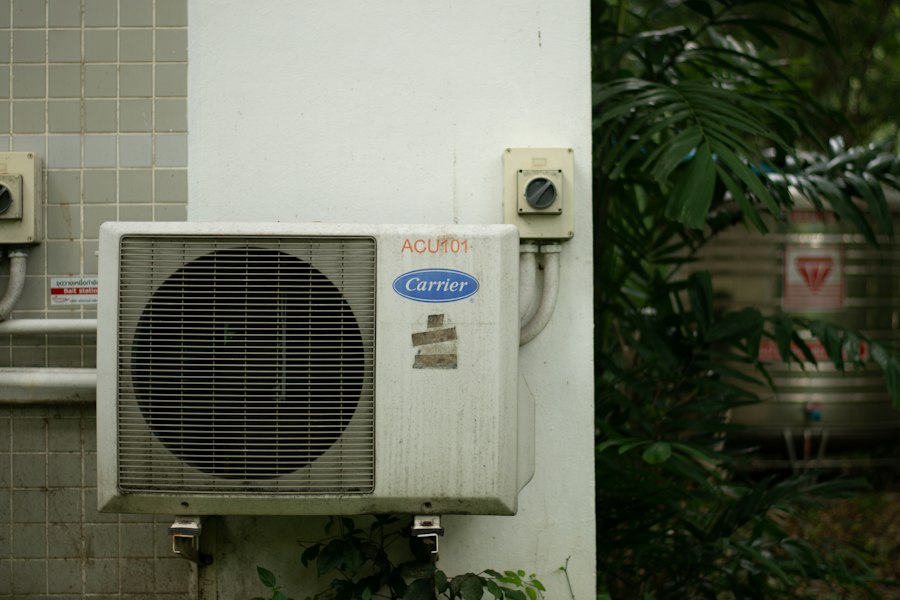
At its heart, an air conditioner doesn’t “create” cold. Instead, it acts as a heat pump, actively moving heat from where you don’t want it (inside your home) to where it can be dissipated (outside). This might sound counterintuitive – how can a machine move heat from a cooler space to a warmer one? This is where the concept of energy balance and the clever application of physics come into play. Your AC uses a refrigerant, a special fluid that can easily change between liquid and gas states, to facilitate this heat transfer. The energy balance refers to the intricate interplay of energy inputs (electricity powering the components) and energy outputs (the heat removed from your home and expelled outside).
The Refrigerant Cycle: The Unsung Hero
The refrigerant is the lifeblood of your air conditioner. It circulates through a closed loop of components, undergoing a series of phase changes that are crucial for heat transfer. This cycle is the engine that drives the entire cooling process, and understanding its stages is fundamental to grasping the energy balance.
The Evaporator Coil: Absorbing Indoor Heat
This is where the magic of cooling begins, from your perspective. Inside your home, typically in the air handler unit, lies the evaporator coil. Here, the refrigerant, in a low-pressure liquid state, encounters the warm, humid air from your living space that is blown over it by the indoor fan. Because the refrigerant is at a lower pressure, its boiling point is significantly reduced. As the warm air passes over the evaporator coil, the heat from the air is transferred to the refrigerant, causing it to absorb energy and evaporate into a low-pressure gas. This process effectively removes heat from your indoor air, making it cooler. Simultaneously, as the air cools, moisture in the air condenses on the cold evaporator coil, which is why your AC also acts as a dehumidifier. This condensed water is then drained away. The energy absorbed by the refrigerant during this phase change is a significant component of the total energy balance.
The Compressor: The Energy Input Hub
The low-pressure refrigerant gas then travels to the compressor, usually located in the outdoor unit. The compressor is the workhorse of the AC system, and it’s where the most significant electrical energy input occurs. Its primary function is to compress the low-pressure refrigerant gas into a high-pressure, high-temperature gas. This compression dramatically increases the refrigerant’s temperature and pressure. Think of it like squeezing a sponge – you’re putting energy into it to force it into a smaller volume, and in doing so, you’re increasing its internal energy. This energy input from the electricity powering the compressor is a critical factor in the overall energy balance of the AC unit.
The Condenser Coil: Releasing Heat Outdoors
Now, this hot, high-pressure refrigerant gas flows to the condenser coil, also located in the outdoor unit. This coil is exposed to the outside air, which is generally cooler than the compressed refrigerant. As the outdoor fan blows ambient air over the condenser coil, heat is transferred from the hot refrigerant to the cooler outdoor air. This heat transfer causes the refrigerant to condense back into a high-pressure liquid. This is where the heat absorbed from your indoor air, along with the heat added by the compressor, is expelled into the environment. The energy released here is the “output” of the cooling process from your home’s perspective.
The Expansion Valve: Preparing for the Next Cycle
Finally, the high-pressure liquid refrigerant passes through an expansion valve (or a capillary tube). This device restricts the flow of the refrigerant, causing a sudden drop in pressure. As the pressure drops, the refrigerant’s temperature also drops significantly. It’s now a cold, low-pressure liquid, ready to re-enter the evaporator coil and begin the cycle anew. This rapid cooling is essential for the refrigerant to be able to absorb heat from your indoor air in the next cycle.
The Electrical Energy Input: Powering the Process
While the refrigerant cycle is the mechanism for heat transfer, it’s the electrical energy that powers the system. Your air conditioner isn’t a passive device; it requires a constant supply of electricity to operate its key components, and this electrical input is a primary driver of its energy balance.
The Compressor’s Thirst for Power
As mentioned, the compressor is the biggest energy consumer in your AC system. Its job is to physically compress the refrigerant gas, a process that requires substantial mechanical work, which in turn demands significant electrical power. The size and efficiency of the compressor directly impact the overall energy consumption of the unit. A more powerful compressor will draw more electricity, but it might also be able to cool your space faster. The balance here is between the power draw and the speed/effectiveness of cooling.
The Fans: Circulating Air and Facilitating Heat Exchange
Beyond the compressor, the fans play a crucial role in the energy balance. You have at least two fans: the indoor fan (blower) that circulates air across the evaporator coil and into your rooms, and the outdoor fan that blows air across the condenser coil to dissipate heat. These fans also require electrical energy to operate. While their individual power consumption is less than the compressor, their continuous operation contributes to the overall energy demand of the unit. The speed and efficiency of these fans also matter. A fan that moves more air efficiently will contribute to faster cooling and potentially better energy use.
Control Systems and Other Components
Modern air conditioners also have sophisticated control systems, thermostats, and sensors that monitor temperature, humidity, and system operation. These components, though drawing minimal power compared to the compressor and fans, still contribute to the overall electrical energy input. They are essential for maintaining the desired temperature and ensuring the system operates efficiently.
Energy Outputs: Heat Dissipation and Efficiency Metrics
The primary “output” of your air conditioner, in terms of energy, is the removal of heat from your home and its expulsion into the environment. However, the concept of energy output also extends to how efficiently this heat is moved.
The Heat Absorbed from Your Home
The most direct energy output from your perspective as a homeowner is the heat that is no longer within your living space. This is the heat absorbed by the refrigerant in the evaporator coil, which is directly responsible for lowering your indoor temperature. This absorbed heat energy is then transported to the outdoor unit for dissipation.
Heat Rejected to the Environment
The majority of the energy your AC expels is the heat absorbed from your home, plus the heat generated by the compressor’s operation. This combined heat energy is then released into the outdoor air through the condenser coil. This is the ultimate destination of the thermal energy that was once inside your house.
Understanding Efficiency Ratings: SEER and EER
To quantify how well your AC unit performs in terms of energy balance, we use efficiency ratings. The most common are the Seasonal Energy Efficiency Ratio (SEER) and the Energy Efficiency Ratio (EER).
Seasonal Energy Efficiency Ratio (SEER)
SEER is a measure of an air conditioner’s cooling output over a typical cooling season, divided by the total electricity consumed by the air conditioner during the same period. It is calculated using a standardized test procedure that simulates various outdoor and indoor temperatures. A higher SEER rating indicates a more energy-efficient unit. For example, a unit with a SEER of 16 will use less electricity to provide the same amount of cooling as a unit with a SEER of 10. SEER is particularly useful for comparing units because it reflects performance over a range of conditions you’re likely to experience throughout a cooling season.
Energy Efficiency Ratio (EER)
EER is a simpler measure, representing the cooling capacity of an air conditioner in BTUs per hour divided by the power consumption in watts at a specific outdoor temperature (typically 95°F) and indoor temperature (typically 80°F). While EER provides a snapshot of efficiency at a particular set of conditions, SEER offers a more comprehensive view of performance over an entire cooling season, taking into account varying temperatures. When comparing units, it’s important to understand what rating you’re looking at. Higher EER and SEER ratings generally translate to lower energy bills.
Understanding the energy balance of an air conditioner is crucial for optimizing its efficiency and reducing energy consumption. For a deeper insight into this topic, you can explore a related article that delves into the principles of thermodynamics as they apply to cooling systems. This resource provides valuable information on how energy is transferred and transformed within an air conditioning unit, helping you grasp the importance of maintaining a proper energy balance. To learn more, check out this informative piece on Freaky Science.
Factors Influencing Your AC’s Energy Balance
| Parameter | Description | Typical Value / Unit | Role in Energy Balance |
|---|---|---|---|
| Cooling Capacity (Q_c) | Amount of heat removed from the indoor air | 3.5 kW | Represents useful cooling output |
| Electrical Power Input (W) | Energy consumed by the compressor and fans | 1.2 kW | Energy input to the system |
| Heat Rejected to Outdoors (Q_h) | Heat expelled to the outside environment | 4.7 kW | Sum of heat removed plus electrical input |
| Coefficient of Performance (COP) | Ratio of cooling capacity to power input | ~2.9 | Efficiency metric of the air conditioner |
| Indoor Air Temperature | Temperature of air inside the cooled space | 24 °C | Initial condition for cooling load |
| Outdoor Air Temperature | Temperature of air outside the building | 35 °C | Heat sink temperature for condenser |
While the fundamental principles of the refrigerant cycle remain constant, several external and internal factors can significantly influence your air conditioner’s energy balance and, consequently, its efficiency and your energy consumption. Understanding these variables empowers you to optimize your AC’s performance.
Indoor Air Quality and Airflow
The efficiency of your AC is directly linked to how well air can circulate through your home and its components. Restricted airflow, often caused by dirty air filters or blocked vents, forces the AC to work harder. When the evaporator coil is not adequately exposed to warm indoor air, it cannot absorb heat as effectively. Similarly, if the condenser coil is obstructed by debris like leaves or dirt, it cannot dissipate heat efficiently. This increased workload translates to higher energy consumption. Regularly cleaning or replacing your air filters is one of the simplest yet most impactful ways to maintain your AC’s energy balance.
Outdoor Temperature and Humidity
The difference between the indoor and outdoor temperatures is a primary driver of your AC’s energy demand. The larger this temperature differential, the more work your AC has to do to move heat from inside to outside. On extremely hot and humid days, your AC will operate at its peak capacity, drawing more power. While you cannot control the weather, you can influence the load on your AC. Strategies like proper insulation, sealing air leaks, using window coverings, and planting shade trees can help reduce the amount of heat entering your home, thereby lessening the burden on your air conditioner. High humidity also increases the energy required, as the AC has to remove moisture from the air as well as lower the temperature.
Insulation and Air Sealing of Your Home
Your home’s insulation and its ability to prevent air leakage are critical components of your AC’s energy balance. A well-insulated and well-sealed home acts as a barrier, preventing cool air from escaping and hot air from entering. If your home is poorly insulated or has numerous air leaks (around windows, doors, electrical outlets, etc.), your air conditioner will constantly be fighting against the infiltration of heat. This forces it to run for longer periods and at higher intensities, significantly increasing energy consumption. Investing in better insulation and sealing air leaks can have a profound impact on your AC’s energy balance and your overall energy bills.
Unit Size and Condition
The size of your air conditioner relative to the square footage it’s intended to cool is paramount. An undersized unit will struggle to cool your home adequately, leading to prolonged run times and inefficient operation. Conversely, an oversized unit will cool your home too quickly, short-cycling (turning on and off frequently) which is inefficient and can lead to uneven cooling and humidity issues. The overall condition of your AC unit also plays a vital role. Regular maintenance, including professional tune-ups, can identify and address minor issues before they escalate, ensuring optimal performance and efficiency. Worn-out components, refrigerant leaks, or system inefficiencies will all negatively impact the energy balance.
Optimizing Your AC’s Energy Equilibrium: Practical Strategies
Understanding the energy balance of your air conditioner is the first step; the next is to actively implement strategies that optimize this balance for greater efficiency and cost savings. These aren’t drastic lifestyle changes, but rather mindful adjustments and proactive maintenance.
The Power of Thermostat Settings
Your thermostat is your primary interface with your air conditioner, and how you use it has a direct impact on its energy balance. Avoid drastic temperature changes. Instead of turning the AC off completely when you leave for extended periods, set it a few degrees higher. When you return, allow it to cool your home gradually. Consider using a programmable or smart thermostat. These devices can automatically adjust the temperature based on your schedule, lowering the temperature when you’re home and raising it when you’re away or asleep. This intelligent management of your AC’s workload significantly contributes to a more favorable energy balance.
Proactive Maintenance: The Key to Sustained Efficiency
Regular professional maintenance is arguably the most important factor in ensuring your air conditioner operates at its peak energy efficiency. A qualified HVAC technician can:
- Clean and inspect coils: Ensuring both the evaporator and condenser coils are clean allows for optimal heat transfer.
- Check refrigerant levels: Low refrigerant can significantly reduce cooling capacity and efficiency.
- Inspect electrical connections: Loose or corroded connections can lead to energy loss and potential hazards.
- Lubricate moving parts: Reducing friction in the compressor and fans improves efficiency.
- Check for duct leaks: Leaky ducts can waste a significant amount of cooled air.
Think of these tune-ups as preventative medicine for your AC. They help maintain the delicate energy balance, prevent costly breakdowns, and extend the lifespan of your unit.
Smart Home Integration and Advanced Technologies
The evolution of smart home technology offers increasingly sophisticated ways to manage your AC’s energy balance. Smart thermostats, as mentioned, offer advanced scheduling and learning capabilities. Some systems can even integrate with weather forecasts to proactively adjust cooling based on anticipated outdoor conditions. Furthermore, advancements in AC technology itself, such as variable-speed compressors and fans, allow the unit to precisely match the cooling demand, rather than cycling on and off at full power. These technologies contribute to a more nuanced and efficient energy balance, using only the energy necessary to maintain your desired comfort level.
Addressing Heat Gain Sources
Beyond the direct operation of the AC, minimizing the amount of heat that enters your home is a fundamental strategy for improving its energy balance. This involves a multi-pronged approach:
- Window Treatments: Using blinds, curtains, or solar film on windows can significantly reduce solar heat gain, especially on south- and west-facing windows.
- Sealing Air Leaks: Identifying and sealing gaps and cracks around windows, doors, attics, and foundations prevents the infiltration of hot outdoor air.
- Improving Insulation: Ensuring adequate insulation in your attic, walls, and crawl spaces acts as a barrier against heat transfer.
- Strategic Landscaping: Planting deciduous trees on the south and west sides of your home can provide shade during the hot summer months.
- Appliance Usage: Be mindful of heat-generating appliances, especially during the hottest parts of the day. Using them during cooler periods or opting for energy-efficient models can reduce the internal heat load.
By proactively addressing these sources of heat gain, you reduce the workload on your air conditioner, leading to a more efficient energy balance and lower cooling costs. You are essentially working with your AC, making its job easier and more effective.

Your AC Blows Hot Air Outside. Is That Heat From Your Room?
FAQs
What is energy balance in the context of an air conditioner?
Energy balance in an air conditioner refers to the equilibrium between the energy consumed by the system to cool the air and the energy removed from the indoor space to maintain a comfortable temperature.
How does an air conditioner achieve energy balance?
An air conditioner achieves energy balance by using a refrigeration cycle that involves the compression, condensation, expansion, and evaporation of a refrigerant to absorb heat from the indoor air and release it outside.
What factors affect the energy balance of an air conditioner?
Factors that affect the energy balance of an air conditioner include the efficiency of the system, the size of the space being cooled, the outside temperature, the insulation of the building, and the set temperature on the thermostat.
Why is it important to maintain energy balance in an air conditioner?
Maintaining energy balance in an air conditioner is important to ensure optimal performance, lower energy consumption, reduced utility bills, and a longer lifespan for the system.
How can I improve the energy balance of my air conditioner?
To improve the energy balance of an air conditioner, you can regularly clean or replace air filters, seal any air leaks in the ductwork, keep the thermostat at a moderate temperature, and schedule routine maintenance with a professional technician.