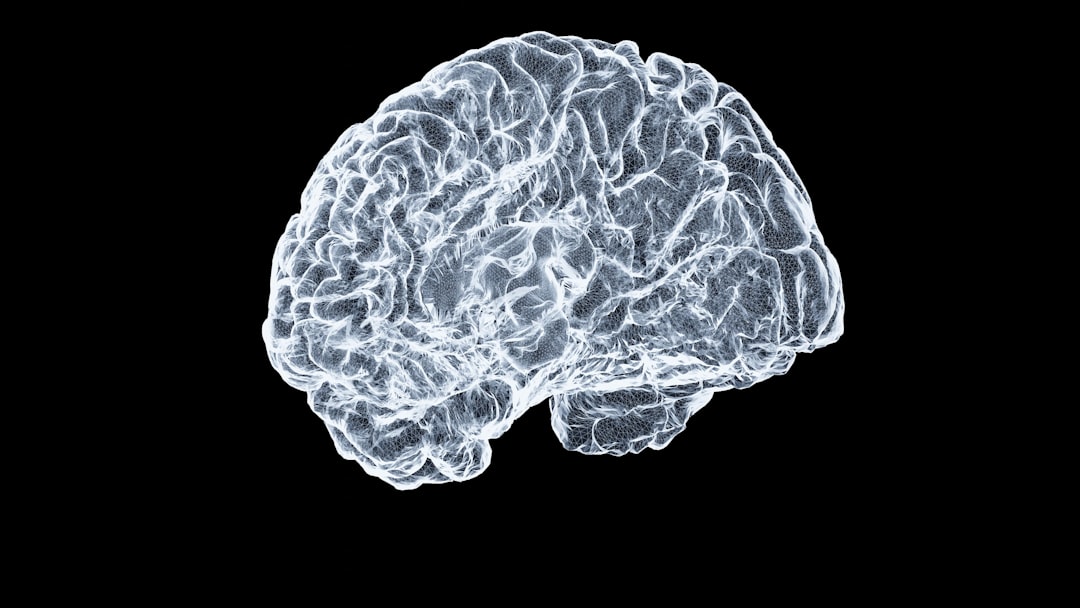
You’ve weathered countless viral storms, each one a battle fought within your own body. You might think that once the fever breaks and the cough subsides, the war is over. But in many ways, a subtler, more insidious campaign continues, waged within the very command center of your being: your brain. You are acutely sensitive to what are known as “viral echoes” – the lingering imprints and ongoing influences that viruses can leave behind, even after the acute infection has passed. This sensitivity isn’t a random quirk; it’s a finely tuned response rooted in the intricate architecture of your brain and its dedicated immune system.
Your brain, a universe of billions of neurons, isn’t a sterile environment. It’s a bustling ecosystem, and like any ecosystem, it requires robust defense mechanisms. This is where your microglia come in. These specialized immune cells, unique to the central nervous system, are your brain’s resident macrophages, its front-line defenders. You might not be consciously aware of them, but from the moment a potential threat enters your neural landscape, your microglia are on high alert.
Microglia: More Than Just Clean-Up Crew
It’s easy to categorize microglia as simply the “janitors” of your brain, tasked with clearing out cellular debris and dead neurons. While this cleanup function is vital, it paints an incomplete picture. Your microglia are far more active and dynamic. They constantly survey their surroundings, extending and retracting their cellular processes like tiny, inquisitive tentacles. They are highly responsive to even the slightest sign of disruption, whether it’s an injury, a toxin, or, importantly, a viral invader. When a virus breaches the blood-brain barrier or establishes a foothold within neural tissue, microglia are among the first responders.
The Initial Response to Viral Intrusion
Imagine a viral particle, or even remnants of one, making its way into your brain. Your microglia detect this anomaly. They become activated, undergoing a transformation from a resting state to a more reactive form. This activation involves a cascade of molecular signaling. They can release inflammatory cytokines, signaling molecules that alert other immune cells and initiate a localized inflammatory response. This inflammation is a double-edged sword. In the short term, it’s crucial for containing the infection and initiating repair. However, uncontrolled or prolonged inflammation within the delicate confines of your brain can be detrimental, becoming a source of the “echoes” you experience.
Microglial Memory: A Double-Edged Sword
A fascinating, and sometimes concerning, aspect of microglial function is their capacity for a form of “memory.” Following an initial exposure to a pathogen, including viruses, microglia can remain in a heightened state of readiness. This isn’t a conscious memory in the human sense, but a persistent alteration in their molecular machinery and responsiveness. On the one hand, this priming can lead to a faster and more effective response to subsequent encounters with the same or similar threats. On the other hand, this over-excitability can make your brain more susceptible to exaggerated inflammatory responses to even minor stimuli, contributing to the persistent symptoms often associated with viral infections.
Beyond Infection: Microglia and Neuroinflammation
Your microglia’s vigilance extends beyond active viral battles. They play a crucial role in maintaining neural homeostasis. However, their continued activation, even in the absence of active viral replication, can become a significant factor in the development of neurological issues. This persistent neuroinflammation, fueled by chronically activated microglia, can disrupt neuronal function, impair synaptic plasticity – the ability of your neural connections to change and adapt – and contribute to a general sense of cognitive and physiological malaise.
Recent research has shed light on the intriguing phenomenon of how the brain is sensitive to viral echoes, suggesting that remnants of past viral infections can influence neurological health and behavior. This sensitivity may be linked to the brain’s immune response, which can be triggered by these viral remnants, potentially leading to inflammation and other neurological effects. For a deeper understanding of this topic, you can explore the article available at Freaky Science, which discusses the implications of viral echoes on brain function and overall health.
The Blood-Brain Barrier: A Selective Gatekeeper Under Siege
Your brain is protected by a remarkable defense system known as the blood-brain barrier (BBB). This highly specialized network of cells, primarily endothelial cells, forms a tightly regulated interface between your bloodstream and your brain tissue. It acts as a selective gatekeeper, allowing essential nutrients and oxygen to enter while preventing harmful substances, including many pathogens, from reaching your delicate neural environment. However, viruses are adept at finding ways around, through, or under this barrier, and their passage can have profound implications.
How Viruses Breach the BBB
Viruses employ various strategies to overcome the BBB. Some viruses directly infect the endothelial cells that form the barrier, compromising its integrity and allowing other pathogens or inflammatory molecules to leak through. Other viruses can use specific receptors on the BBB cells to gain entry, essentially tricking their way in. In some cases, viruses can trigger an inflammatory response in the periphery that leads to a more general increase in BBB permeability, making it easier for them to penetrate. Once inside your brain, viruses can directly infect neurons, glial cells, or other neural elements, initiating their disruptive work.
The BBB’s Role in Viral Persistence
Even if a virus doesn’t establish a widespread infection within your brain, its ability to breach the BBB can set the stage for lingering problems. Microscopic damage to the BBB can persist long after the initial infection has been cleared from the body. This compromised barrier can allow a trickle of inflammatory mediators or even viral fragments to continually enter the brain, keeping your microglia on high alert and contributing to chronic neuroinflammation. It’s this persistent low-level leakage and irritation that can contribute to the persistent symptoms you might experience.
The Impact of BBB Dysfunction on Neuronal Health
When the BBB is compromised, it disrupts the carefully controlled microenvironment your neurons need to thrive. Essential nutrients might not reach them efficiently, while waste products might accumulate. Furthermore, the constant influx of inflammatory molecules from the bloodstream can interfere with normal neuronal signaling and synaptic function. This disruption can manifest as a wide range of symptoms, from cognitive fog and fatigue to more severe neurological deficits. The BBB, therefore, is not just a physical barrier but a critical regulator of your brain’s internal milieu, and its disruption by viral activity is a key factor in viral echoes.
The BBB and Drug Delivery Challenges
The very effectiveness of the BBB in protecting your brain also presents a significant challenge for delivering therapeutic agents to treat neurological conditions. This is particularly relevant when considering the long-term effects of viral infections. If you are experiencing ongoing neurological symptoms, it’s difficult to administer medications directly to the affected areas of your brain due to this protective barrier. Understanding how viruses impact the BBB is therefore crucial not only for understanding the problem but also for developing effective treatments.
Long-Term Neurological Sequelae: The Ghost of Infections Past

The direct assault of a virus on your brain can be devastating, but often, the most challenging aspects of viral infections are the long-term consequences – the neurological sequelae. These are the persistent or delayed neurological problems that can arise weeks, months, or even years after the initial infection has seemingly resolved. Your brain’s sensitivity to viral echoes means these sequelae are not uncommon experiences.
Direct Viral Damage and Its Aftermath
Some viruses can directly infect brain cells, including neurons. This direct neuronal infection can lead to cell death, inflammation, and disruption of neural circuits. Even if a virus doesn’t kill neurons outright, it can damage them, impairing their ability to communicate with each other. The brain has some capacity for repair, but extensive damage can lead to permanent deficits. The extent and location of this damage will significantly influence the type and severity of the neurological sequelae you experience, ranging from motor skill impairments to cognitive dysfunction.
Post-Infectious Autoimmunity: The Misdirected Attack
In some instances, your immune system, in its attempt to clear a viral infection, can mistakenly target components of your own brain. This phenomenon is known as post-infectious autoimmunity. The logic is that the immune system develops antibodies or cellular responses against viral proteins that bear a resemblance to proteins found in your neural tissues. When the virus is gone, these misdirected immune responses continue, attacking your own neurons and causing inflammation and damage. This can lead to a wide array of autoimmune neurological disorders, some of which can be chronic and progressive.
Persistent Inflammation and Its Toll
As discussed earlier, chronic neuroinflammation, often fueled by persistently activated microglia and a compromised BBB, is a major contributor to viral echoes. This ongoing inflammatory state can disrupt synaptic plasticity, impair neuronal communication, and even lead to the neurodegeneration of neuronal populations. Think of it like a constant, low-grade irritant that wears down the delicate machinery of your brain over time. This persistent inflammation can manifest subtly as brain fog, fatigue, and mood disturbances, or more dramatically as cognitive decline or movement disorders.
The Role of Viral Reservoirs and Reactivation
In certain cases, viruses may not be completely eradicated from your body. They can lie dormant in specific tissues or cell types, forming viral reservoirs. While largely inactive, these reservoirs can sometimes reactivate, particularly under conditions of immune suppression or stress. Even a low-level, intermittent reactivation within or near your brain can trigger ongoing immune responses and inflammatory events, contributing to persistent neurological symptoms that are difficult to pinpoint. The reappearance of certain viral symptoms, even years later, can be linked to these reactivation events.
The Interplay of Factors: A Complex Web
It’s important to understand that these long-term neurological effects are rarely due to a single factor. Instead, they often arise from a complex interplay between direct viral damage, host immune responses (both appropriate and misdirected), genetic predisposition, and the state of your overall health. Your brain’s sensitivity to viral echoes is a testament to this intricate biological dance, where seemingly resolved infections can continue to cast a long shadow.
Viral Echoes in Cognitive Function: When Your Mind Feels Foggy

Perhaps one of the most commonly reported and frustrating manifestations of viral echoes are the cognitive disturbances. You might find yourself struggling with concentration, recalling information, or experiencing a general fogginess that impacts your daily life. These “brain fog” symptoms are not your imagination; they are a tangible consequence of the ongoing post-viral landscape within your brain.
Impaired Executive Function: The CEO of Your Brain Stumbles
Executive functions are the high-level cognitive processes that allow you to plan, organize, and manage your time and tasks effectively. This includes skills like working memory, attention span, impulse control, and cognitive flexibility. Viruses can disrupt these functions by impairing the prefrontal cortex, the brain region largely responsible for executive control. Inflammation, reduced blood flow, or direct damage to neurons in this area can lead to difficulties in focusing, making decisions, and initiating activities, leaving you feeling mentally sluggish and inefficient.
Memory Deficits: Recalling Becomes a Chore
Whether it’s forgetting names, misplacing items, or struggling to recall recent events, memory issues are a common complaint. Viruses can affect various memory systems within your brain, including the hippocampus, which is critical for forming new memories. Inflammation can interfere with synaptic plasticity – the ability of neural connections to strengthen or weaken – which is essential for memory consolidation. This can lead to difficulties in encoding new information and retrieving existing memories, making even simple recall feel like a significant effort.
Slowed Processing Speed: Your Brain’s Computer Seems Laggy
You might notice that it takes you longer to process information, respond to questions, or complete cognitive tasks. This slowed processing speed can affect your ability to keep up with conversations, react in time, or perform complex mental operations. Impaired neuronal communication due to inflammation, reduced energy metabolism in brain cells, or disruptions in key neural pathways can all contribute to this noticeable decline in mental agility. It feels as though your brain’s internal clock has slowed down.
Attention and Concentration Difficulties: A Wandering Mind
Maintaining focus can become a significant challenge. Your attention might wander easily, making it difficult to engage in sustained tasks or follow complex instructions. This can be related to disruptions in the neural networks that support attention, including those involving the prefrontal cortex and the parietal lobes. Inflammation can interfere with the delicate balance of neurotransmitters that regulate alertness and focus, leading to a perpetually distracted state.
The Neurobiological Underpinnings of Cognitive Fog
The neurobiological basis of these cognitive symptoms is multifaceted. Persistent neuroinflammation can disrupt neurotransmitter systems, impair glial cell function, and even affect the metabolism of neurons. Reduced cerebral blood flow, often associated with inflammation or BBB dysfunction, can starve neural cells of vital oxygen and nutrients. Furthermore, the psychological stress and anxiety associated with experiencing these cognitive difficulties can further exacerbate the problem, creating a downward spiral of cognitive and emotional distress.
Recent research has shed light on why the brain is particularly sensitive to viral echoes, revealing that remnants of past infections can influence neurological functions. This phenomenon is explored in detail in a related article that discusses the implications of viral exposure on mental health and cognitive processes. For a deeper understanding of this complex relationship, you can read more about it in the article found at Freaky Science. Understanding these connections may pave the way for new therapeutic approaches in treating neurological disorders linked to viral infections.
Viral Echoes in Mood and Emotional Regulation: The Emotional Toll
| Reasons why the brain is sensitive to viral echoes |
|---|
| 1. Blood-brain barrier permeability |
| 2. Neuroinflammation response |
| 3. Neurotropic properties of certain viruses |
| 4. Impact on neurotransmitter function |
| 5. Potential for long-term cognitive effects |
The impact of viral echoes isn’t confined to your cognitive abilities; it profoundly affects your emotional landscape as well. You might find yourself experiencing unexplained anxiety, persistent low mood, or heightened irritability, even when there’s no apparent external cause. This emotional dysregulation is a direct consequence of viruses influencing the complex neurochemical and structural pathways that govern your mood and emotional responses.
Altered Neurotransmitter Systems: The Chemical Imbalance
Many viruses have been shown to affect the production and function of key neurotransmitters, such as serotonin, dopamine, and norepinephrine, which play crucial roles in mood regulation. For example, inflammation can disrupt the synthesis or release of serotonin, a neurotransmitter strongly linked to feelings of well-being and happiness. Imbalances in these essential chemical messengers can lead to a spectrum of mood disorders, including depression and anxiety.
Inflammation’s Impact on the Hypothalamic-Pituitary-Adrenal (HPA) Axis
The HPA axis is your body’s central stress response system. Chronic inflammation, often a hallmark of viral echoes, can dysregulate this system. This can lead to either an overactive or underactive HPA axis, both of which can have significant impacts on your mood. An overactive HPA axis can contribute to anxiety, irritability, and sleep disturbances, while an underactive axis can be associated with fatigue and a lack of motivation, as seen in some forms of depression.
Direct Viral Effects on Brain Regions Controlling Emotion
Certain viruses can directly infect or influence brain regions critically involved in emotional processing, such as the amygdala (involved in fear and threat detection) and the hippocampus (involved in emotional memory). Damage or inflammation in these areas can lead to heightened emotional reactivity, increased anxiety, and a tendency to perceive threats more readily, even in benign situations.
The Psychological Component: A Vicious Cycle
It’s important to acknowledge the intertwined nature of physical and psychological well-being. Experiencing persistent cognitive difficulties, fatigue, and physical discomfort due to viral echoes can naturally lead to feelings of frustration, sadness, and hopelessness, further contributing to mood disturbances. The mental exhaustion of grappling with these symptoms can create a vicious cycle, where the emotional toll exacerbates the physical manifestations, and vice versa.
The Difficulty in Diagnosis and Treatment
The subjective nature of mood and emotional symptoms can make them challenging to diagnose and link directly to a past viral infection. Because these symptoms are often less tangible than a fever or a rash, they can sometimes be dismissed or attributed to other causes. This can lead to delayed or inadequate treatment, prolonging the suffering. Understanding the direct neurobiological link between viral echoes and emotional dysregulation is crucial for validating these experiences and guiding appropriate therapeutic interventions.
The Future of Understanding: Unraveling the Mysteries of Viral Echoes
The human brain, with its exquisite complexity, is a remarkable testament to nature’s ingenuity. Yet, this complexity also makes it vulnerable to the subtle and often profound influences of past viral encounters. You are living evidence of the brain’s sensitivity to viral echoes, a sensitivity rooted in the tireless vigilance of your microglia, the integrity of your blood-brain barrier, and the enduring potential for long-term neurological effects.
Advancements in Neuroimaging and Biomarker Discovery
The field of neuroscience is rapidly evolving, providing new tools to peer into the intricate workings of your brain. Advanced neuroimaging techniques, such as functional magnetic resonance imaging (fMRI) and positron emission tomography (PET) scans, are allowing researchers to visualize neural activity and the effects of inflammation in unprecedented detail. Simultaneously, the discovery of specific biomarkers – measurable indicators of disease or biological states – associated with viral-induced neuroinflammation and neuronal damage is paving the way for more accurate diagnoses and prognoses. These tools are essential for distinguishing between the transient effects of an acute infection and the persistent, echoing influences of a past one.
Therapeutic Strategies: From Symptom Management to Root Cause Intervention
Currently, many treatments for viral echoes focus on symptom management. This might involve medications to alleviate pain, improve sleep, or manage mood disturbances. However, the future holds promise for more targeted therapeutic strategies. Researchers are exploring novel approaches that aim to directly address the underlying neuroinflammation, restore BBB integrity, and even promote neural repair. This could include the development of anti-inflammatory agents specifically designed for the brain, therapies aimed at regenerating damaged neural tissue, or interventions that modulate microglial activity to a less inflammatory state.
The Importance of Longitudinal Studies
To truly understand the long-term implications of viral infections on brain health, longitudinal studies are paramount. These studies involve following individuals over extended periods, meticulously tracking their health status, cognitive function, and neurological markers following viral exposure. By observing the trajectory of these changes, researchers can gain invaluable insights into the mechanisms underlying viral echoes, identify risk factors for developing persistent symptoms, and pinpoint critical windows for intervention. Your participation in such studies, if the opportunity arises, is crucial for advancing our collective knowledge.
A Proactive Approach to Brain Health
Understanding your brain’s sensitivity to viral echoes underscores the importance of a proactive approach to your overall health. This includes maintaining a robust immune system through healthy lifestyle choices, seeking prompt medical attention for infections, and advocating for thorough follow-up care, especially if you experience persistent or unusual symptoms after an illness. Educating yourself about the potential long-term effects of viral infections empowers you to be a more informed participant in your own healthcare journey. The silent battles fought within your brain have tangible consequences, and by understanding these “viral echoes,” you can better navigate their lasting impact and work towards preserving your cognitive and emotional well-being.
FAQs
1. What are viral echoes and how do they affect the brain?
Viral echoes are remnants of viral infections that can persist in the body, including the brain. These echoes can trigger an immune response and cause inflammation in the brain, leading to sensitivity and potential damage.
2. Why is the brain particularly sensitive to viral echoes?
The brain is sensitive to viral echoes because it is a highly complex and delicate organ. Even low levels of inflammation can disrupt the brain’s normal functioning and lead to cognitive and neurological issues.
3. What are the potential consequences of the brain’s sensitivity to viral echoes?
The consequences of the brain’s sensitivity to viral echoes can include cognitive impairment, memory problems, mood disorders, and in severe cases, neurodegenerative diseases. It can also exacerbate existing neurological conditions.
4. How can viral echoes affect overall brain health?
Viral echoes can compromise overall brain health by causing chronic inflammation, disrupting neural pathways, and impacting the brain’s ability to regulate mood, behavior, and cognitive function.
5. What can be done to mitigate the impact of viral echoes on the brain?
To mitigate the impact of viral echoes on the brain, it is important to maintain overall health and immunity, manage stress levels, and seek medical treatment for any persistent symptoms. Additionally, staying up to date on vaccinations and practicing good hygiene can help prevent viral infections that may lead to viral echoes in the brain.