## The Secret Life of Your Air Conditioner: Unraveling the Refrigeration Cycle
You flip that switch, and a wave of cool air washes over you. It’s a modern miracle, this ability to conjure comfort from the sweltering heat. But have you ever stopped to wonder how your air conditioner actually does that? It’s not magic, though it can feel like it. It’s a clever application of physics, a continuous dance of pressure, temperature, and state changes orchestrated by something called the refrigeration cycle. Think of it as the hidden engine of your comfort, a silent, tireless worker performing an essential, if invisible, job.
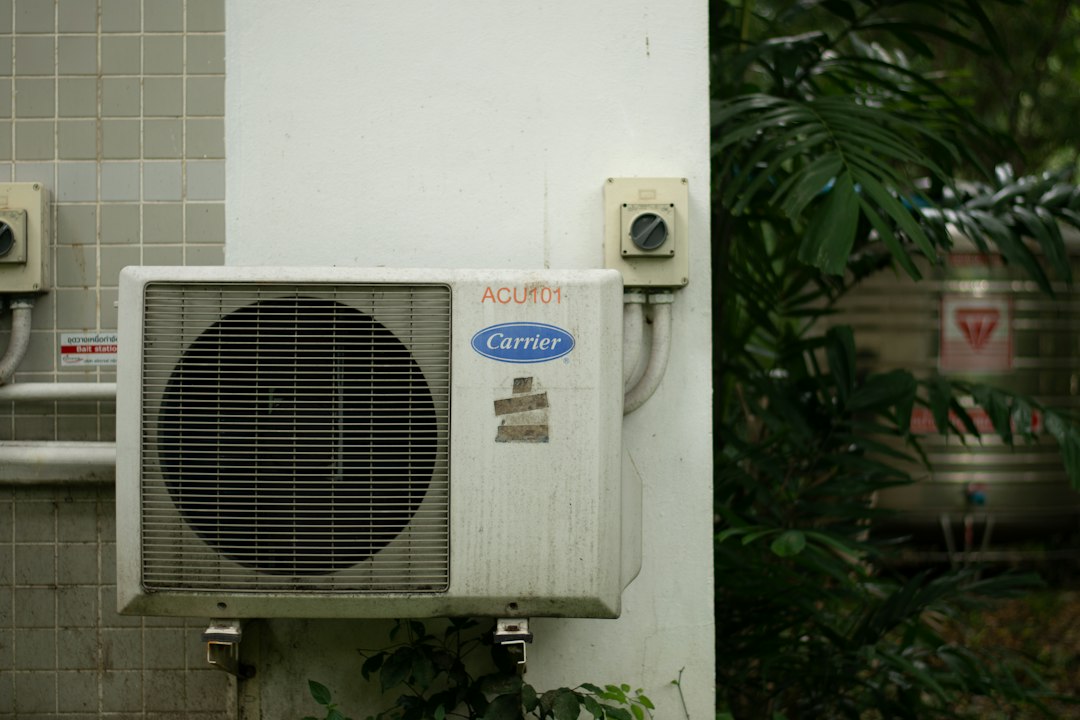
You’re probably familiar with the outdoors unit, that humming metal box with a fan, and the indoor unit, the vent through which your cool breeze flows. These are the visible players, but the real action happens within a closed loop of copper tubing carrying a special fluid called refrigerant. This refrigerant is the star of the show, undergoing a remarkable transformation as it circulates, absorbing heat from your home and then releasing it outside. Understanding this cycle isn’t about becoming an HVAC technician; it’s about appreciating the ingenuity behind your comfort and perhaps gaining a better understanding when it’s time for maintenance or a simple troubleshooting step. We’re going to break it down, step by step, making the seemingly complex world of your air conditioner’s cooling mechanism accessible and, dare we say, even a little bit fascinating.
If you’re looking to understand the air conditioner refrigeration cycle in a straightforward manner, you might find this article helpful: Freaky Science. It breaks down the complex processes involved in cooling systems, making it easier for anyone to grasp the essential concepts behind how air conditioners work.
## The Key Players: Components of the Cooling Symphony
Before we dive into the cycle itself, let’s introduce the main characters. Think of these as the instruments in your air conditioner’s orchestra, each playing a crucial role to create the symphony of cool air. Without any one of them, the music stops.
### The Compressor: The Heartbeat of the System
Imagine this as the engine. The compressor’s job is to take the refrigerant, which is in a low-pressure, gaseous state, and compress it. This is a bit like squeezing a balloon – when you squeeze it, the air inside gets hotter. Similarly, compressing the refrigerant dramatically increases its pressure and, consequently, its temperature. It’s the energy input that drives the entire cycle. You can often hear the compressor kicking on and off as part of the unit’s operational rhythm. It’s the “thump” or “hum” that signifies the system is actively working to cool your space.
### The Condenser Coil: The Great Outdoors Exchanger
This is typically located in your outdoor unit, those fins you see on the metal box. After being compressed, the hot, high-pressure refrigerant gas flows through the condenser coils. Here, it meets the cooler ambient air (provided by the fan in the outdoor unit). Because the refrigerant is now much hotter than the outside air, it transfers its heat to the surroundings. As it loses heat, the refrigerant begins to condense, changing from a gas back into a high-pressure liquid. This is where the “condenser” gets its name – it condenses the refrigerant.
### The Expansion Valve (or Metering Device): The Pressure Regulator
This is a crucial, often overlooked, component. Think of it as a narrow passageway or a precisely controlled valve. As the high-pressure liquid refrigerant flows from the condenser, it encounters the expansion valve. This valve restricts the flow, causing a sudden and significant drop in pressure. This pressure drop is what enables the refrigerant to become incredibly cold. It’s like releasing the pressure from a spray can – the contents come out cold. This is a critical step that prepares the refrigerant to absorb heat.
### The Evaporator Coil: The Indoor Heat Thief
This coil is located inside your home, usually as part of your furnace or air handler. After passing through the expansion valve, the now very cold, low-pressure liquid refrigerant flows into the evaporator coils. As the warm air from your home is drawn across these coils by your indoor fan, the refrigerant absorbs the heat from that air. This heat causes the refrigerant to evaporate, turning back into a low-pressure gas. This is the “evaporator” doing its job, evaporating the refrigerant by absorbing heat. The air that has been cooled by losing its heat to the refrigerant is then blown back into your rooms, delivering that refreshing coolness.
## The Cycle Unveiled: A Journey of Transformation
Now that you know the players, let’s follow the refrigerant on its incredible journey. This is where the magic of cooling truly happens, a continuous loop of state changes and energy transfer.
### Step 1: The Refrigerant’s Humid Return
Our journey begins with the refrigerant in a low-pressure gaseous state, having just absorbed heat from your home. This “warm” (relatively speaking, as it’s still cooler than the outside air) gas makes its way back to the compressor. It’s carrying the heat it “stole” from your living space.
### Step 2: The Compressor’s Powerful Squeeze
The compressor receives this low-pressure gas and gets to work. It applies mechanical energy to compress the refrigerant, forcing its molecules closer together. This compression dramatically increases the refrigerant’s pressure and, as a direct result, its temperature. It’s now a hot, high-pressure gas, ready to shed its acquired heat. Think of it as boiling water; you add energy (heat) to turn it into steam. Here, you’re adding energy (work) to turn a cooler gas into a hotter gas.
### Step 3: Releasing Heat to the World Outside
The hot, high-pressure gaseous refrigerant then flows into the condenser coils in your outdoor unit. The fan in the outdoor unit blows ambient air across these coils. Since the refrigerant is significantly hotter than the outside air, heat is naturally transferred from the refrigerant to the air. As the refrigerant loses heat, it begins to condense. This means it changes state from a gas to a high-pressure liquid. This is the point where your air conditioner is actively expelling the heat it removed from your home into the environment.
### Step 4: The Pressure Drop and Super-Cooling
The high-pressure liquid refrigerant then travels towards the indoor unit, but first, it must pass through the expansion valve. This valve acts as a bottleneck, restricting the flow of the liquid. As the refrigerant passes through this narrow opening, its pressure plummets. This sudden drop in pressure causes a rapid decrease in temperature, making the refrigerant extremely cold. This is the crucial step that prepares it to absorb more heat. Imagine letting go of a fully inflated balloon; the air that rushes out is noticeably cooler.
### Step 5: Absorbing Heat and Becoming a Gas Again
Finally, the super-cold, low-pressure liquid refrigerant enters the evaporator coils inside your home. The indoor fan draws warm room air across these coils. The temperature difference is now immense: the refrigerant is very cold, and the room air is warm. Heat readily transfers from the warm air to the cold refrigerant. This absorbed heat causes the refrigerant to boil and evaporate, turning back into a low-pressure gas. The air that has now lost its heat is the cool air that circulates throughout your home. The refrigerant, now laden with the heat from your home, is ready to begin its journey all over again, returning to the compressor.
## The Invisible Workhorse: Why This Cycle Matters to You
You might be thinking, “This is interesting, but why does it matter to me?” Understanding the refrigeration cycle demystifies the operation of your air conditioner, empowering you with knowledge that can lead to better comfort, potential cost savings, and a deeper appreciation for the technology that keeps you cool.
### Energy Efficiency: The True Power of the Cycle
The efficiency of your air conditioner is directly linked to how effectively this refrigeration cycle operates. When all components are functioning optimally, the refrigerant can efficiently absorb heat indoors and reject it outdoors. A system that is “out of tune,” perhaps with a refrigerant leak, a dirty coil, or a struggling compressor, will have to work harder and longer to achieve the desired temperature. This translates to higher energy consumption and, consequently, higher electricity bills. Regularly maintaining your system, ensuring coils are clean, and checking for proper refrigerant levels are crucial for maximizing energy efficiency. Think of it like this: a well-oiled machine runs smoothly and uses less fuel. Your AC is no different.
### Comfort and Control: Your Personal Climate
The refrigeration cycle is the engine of your comfort. When it’s working correctly, it precisely controls the temperature and humidity of your indoor environment. The cycle’s ability to absorb moisture from the air as a byproduct of cooling (condensation on the evaporator coil drains away) also plays a vital role in maintaining a comfortable atmosphere. High humidity can make warm temperatures feel even more oppressive, so your AC’s dehumidifying effect is a significant contributor to your overall comfort. A properly functioning cycle means consistent cooling and optimal humidity levels, allowing you to truly relax and enjoy your home.
### Longevity and Maintenance: Preventing Costly Repairs
By understanding the basic functions of each component, you can become a more informed homeowner when it comes to air conditioner maintenance. If you notice unusual noises, a lack of cool air, or your unit running constantly without reaching the set temperature, it’s often an indication that something in the refrigeration cycle is not functioning as it should. Early detection of issues, such as a dirty evaporator coil preventing proper heat absorption or a failing compressor struggling to pressurize the refrigerant, can lead to smaller, less expensive repairs rather than major overhauls. Regular professional check-ups, where a technician can assess the performance of the refrigeration cycle, are key to ensuring the longevity of your system and preventing costly breakdowns.
Understanding the refrigeration cycle of an air conditioner can be quite complex, but there are resources available that break it down in a simple way. For a more detailed explanation, you can check out this informative article that provides a clear overview of how air conditioning systems work. By exploring the principles behind the refrigeration cycle, you’ll gain insights into how these systems keep our environments comfortable. If you’re interested in learning more, visit this article for a straightforward explanation.
## Common Misconceptions and Simple Checks
| Component | Function | Temperature Change | Pressure Change | State of Refrigerant |
|---|---|---|---|---|
| Compressor | Compresses refrigerant vapor, increasing pressure and temperature | Low to High | Low to High | Low-pressure vapor to high-pressure vapor |
| Condenser | Releases heat to outside air, condensing refrigerant | High to Medium | High (constant) | High-pressure vapor to high-pressure liquid |
| Expansion Valve | Reduces pressure and temperature of refrigerant | Medium to Low | High to Low | High-pressure liquid to low-pressure liquid/vapor mix |
| Evaporator | Absorbs heat from indoor air, evaporating refrigerant | Low to Low (increases slightly) | Low (constant) | Low-pressure liquid/vapor mix to low-pressure vapor |
Even with a basic understanding of the refrigeration cycle, there are a few common misunderstandings and simple things you can check yourself that might help you understand your air conditioner’s behavior better.
### “My AC is blowing warm air, so it must be out of ‘coolant’!”
This is a very common phrase, but it’s not entirely accurate. Your air conditioner doesn’t “run out” of coolant in the same way a car runs out of gas. The refrigerant is in a closed loop. If your AC is blowing warm air, it’s usually due to a leak in that closed system, meaning the refrigerant level has dropped too low. This low level prevents the refrigerant from effectively absorbing and transferring heat. Another common cause for warm air could be a dirty evaporator coil that can’t absorb heat efficiently or a malfunctioning compressor that isn’t pressurizing the refrigerant correctly. It’s not simply “empty.”
### The Importance of Clean Coils: Your AC’s Lungs
You can perform a simple, yet highly effective, maintenance task yourself: cleaning the outdoor condenser coils. Over time, dirt, dust, leaves, and other debris can accumulate on these fins, acting like a blanket and preventing the refrigerant from effectively releasing heat. You can gently rinse these coils with a garden hose (ensure the power to the unit is off!). Similarly, your indoor evaporator coil can become dirty, hindering its ability to absorb heat. While cleaning the indoor coil is more involved and often requires professional service, being aware of its function is important. Clean coils are vital for the efficient operation of the condenser and evaporator stages of the refrigeration cycle.
### Listening to Your Unit: Signs of Trouble
Your air conditioner can often “tell” you when something is wrong through its sounds. A compressor that is struggling might make a grinding or knocking sound. A fan that is unbalanced might create a rattling noise. A hissing sound could indicate a refrigerant leak. While you shouldn’t try to diagnose complex issues yourself, paying attention to unusual sounds can help you identify potential problems early and communicate them more effectively to an HVAC professional. These sounds are often direct indicators of components in the refrigeration cycle working harder than they should or not working at all.

Your AC Blows Hot Air Outside. Is That Heat From Your Room?
FAQs
What is the refrigeration cycle in an air conditioner?
The refrigeration cycle in an air conditioner is a process that removes heat from the indoor air and transfers it outside, cooling the indoor space.
How does the refrigeration cycle work in an air conditioner?
The refrigeration cycle in an air conditioner involves four main components: the compressor, condenser, expansion valve, and evaporator. The refrigerant circulates through these components, changing from a high-pressure gas to a low-pressure liquid, absorbing heat from the indoor air and releasing it outside.
What is the role of the compressor in the refrigeration cycle?
The compressor in the refrigeration cycle of an air conditioner is responsible for pressurizing the refrigerant gas, increasing its temperature and energy level before it moves to the condenser.
What is the function of the condenser in the refrigeration cycle?
The condenser in the refrigeration cycle of an air conditioner is where the hot, high-pressure refrigerant gas releases heat to the outside air, causing it to condense into a high-pressure liquid.
Why is the expansion valve important in the refrigeration cycle of an air conditioner?
The expansion valve in the refrigeration cycle of an air conditioner regulates the flow of the high-pressure liquid refrigerant into the evaporator, where it expands and evaporates, absorbing heat from the indoor air and cooling it down.