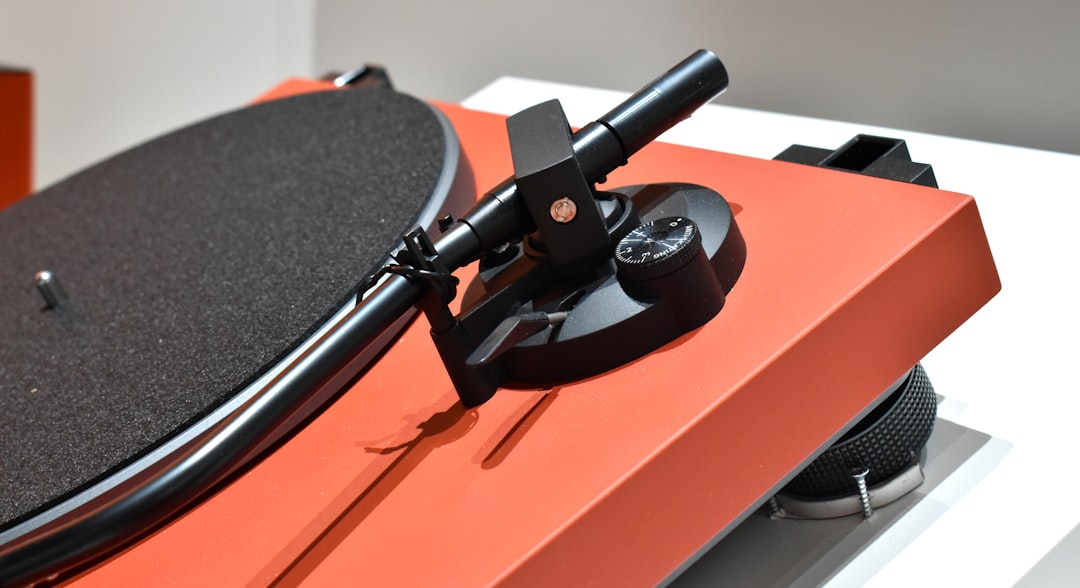
Music fidelity refers to the accuracy and quality of sound reproduction during music playback. It measures how precisely a sound system reproduces the original recording, preserving the details and subtle elements that artists intended. Although listeners may not consciously consider sound fidelity while enjoying music, it significantly affects the overall listening experience.
High music fidelity allows listeners to distinguish individual instruments clearly, appreciate vocal depth, and perceive the emotional intensity of music as originally created. Music fidelity fundamentally describes the relationship between original sound and its reproduction. Key technical factors include frequency response, dynamic range, and distortion levels.
Systems with high fidelity produce a more expansive soundstage and create a more immersive listening environment. This principle applies across all audio formats, from professional audio equipment to consumer headphones, speakers, and streaming platforms. Knowledge of music fidelity principles enables listeners to better appreciate audio quality and make more informed decisions when selecting audio equipment.
Experience the clarity and depth of sound like never before with high resolution audio.
Key Takeaways
- Music fidelity refers to the accuracy and quality of sound reproduction in audio systems.
- Both digital and analog formats have unique impacts on music fidelity, influencing listener experience.
- Key factors affecting fidelity include equipment quality, recording techniques, and playback environment.
- Improving music fidelity involves proper equipment selection, setup, and understanding of audio principles.
- Ongoing advancements and resources help listeners and professionals enhance and appreciate music fidelity.
The Importance of Music Fidelity
The importance of music fidelity cannot be overstated. When you invest time in listening to music, you want to ensure that you are experiencing it in its most authentic form. High fidelity allows you to connect with the music on a deeper level, as it preserves the artist’s intent and emotional expression.
Imagine listening to a live concert recording; if the fidelity is low, you might miss out on the energy of the crowd or the subtle nuances of the performance. High fidelity captures these elements, making your listening experience more engaging and enjoyable. Moreover, music fidelity plays a significant role in how you perceive different genres and styles of music.
For instance, classical music often relies on intricate harmonies and dynamic contrasts that can be lost in low-fidelity recordings. On the other hand, electronic music may require precise bass response to convey its full impact. By prioritizing high fidelity in your listening environment, you allow yourself to appreciate the full spectrum of musical expression, leading to a more fulfilling experience overall.
Factors Affecting Music Fidelity
Several factors influence music fidelity, and understanding them can help you make better choices for your audio setup.
High-resolution audio files or well-mastered CDs will generally provide better fidelity than compressed formats like MP3s.
When you choose your music, consider opting for lossless formats that retain more detail and depth in the sound. Another critical factor is your audio equipment. The speakers or headphones you use can significantly impact how faithfully sound is reproduced.
High-quality components are designed to minimize distortion and enhance clarity, allowing you to hear every detail in your favorite tracks. Additionally, the acoustics of your listening environment play a vital role in music fidelity. A room with poor acoustics can muddle sound quality, while a well-treated space can enhance clarity and depth.
By paying attention to these factors, you can create an optimal listening environment that maximizes music fidelity.
The debate between digital and analog sound has been ongoing for decades, with each side presenting compelling arguments regarding music fidelity. Digital sound is characterized by its ability to reproduce audio with precision and consistency. Digital formats can offer high-resolution audio that captures a wide range of frequencies and dynamic contrasts.
When you listen to digital recordings through quality equipment, you may find that they provide a clean and clear listening experience. On the other hand, analog sound has its own unique charm. Many audiophiles argue that vinyl records or tape recordings possess a warmth and richness that digital formats often lack.
This warmth comes from the natural compression and harmonic distortion inherent in analog recordings, which can create a more engaging listening experience for some listeners.
Understanding Audio Equipment
To truly appreciate music fidelity, it’s essential to understand the various components of audio equipment that contribute to sound quality. At the heart of any audio system is the source device, which could be a CD player, turntable, or digital streaming device. The quality of this source will significantly impact the overall fidelity of your listening experience.
Next in line are amplifiers and receivers, which boost the audio signal before it reaches your speakers or headphones. A high-quality amplifier can enhance clarity and reduce distortion, allowing for a more accurate reproduction of sound. Finally, speakers or headphones are crucial in delivering the final audio output.
Different types of speakers—such as floor-standing, bookshelf, or in-ear monitors—each have their own characteristics that affect how sound is reproduced. By understanding these components and how they interact with one another, you can make informed decisions about your audio setup to achieve optimal music fidelity.
Tips for Improving Music Fidelity
| Term | Description | Importance for Beginners | Typical Range/Value |
|---|---|---|---|
| Frequency Response | The range of audio frequencies a device can reproduce, usually measured in Hertz (Hz). | Indicates how accurately music sounds across bass, mid, and treble. | 20 Hz – 20,000 Hz (human hearing range) |
| Signal-to-Noise Ratio (SNR) | Ratio of the desired audio signal to background noise, measured in decibels (dB). | Higher SNR means clearer sound with less hiss or static. | 80 dB and above is considered good |
| Total Harmonic Distortion (THD) | Amount of unwanted distortion added to the audio signal, expressed as a percentage. | Lower THD means cleaner, more accurate sound reproduction. | Less than 1% is typical for good quality |
| Bit Depth | Number of bits used to represent each audio sample in digital audio. | Higher bit depth allows for greater dynamic range and detail. | 16-bit (CD quality), 24-bit (high-res audio) |
| Sample Rate | Number of audio samples captured per second, measured in kilohertz (kHz). | Higher sample rates can capture more detail but with diminishing returns. | 44.1 kHz (CD), 48 kHz, 96 kHz (high-res) |
| Dynamic Range | Difference between the quietest and loudest sounds a system can reproduce. | Wider dynamic range means more expressive and lifelike sound. | 90 dB or more is good for consumer audio |
| Channel Separation | Degree to which left and right audio channels are isolated. | Better separation improves stereo imaging and spatial effects. | Above 60 dB is desirable |
Improving music fidelity in your listening environment doesn’t have to be complicated or expensive. One of the simplest ways to enhance sound quality is by investing in high-quality audio cables. While they may seem like a minor detail, good cables can reduce interference and signal loss, leading to clearer sound reproduction.
Another effective tip is to experiment with speaker placement in your room. The positioning of your speakers can dramatically affect how sound waves interact with your space. Try placing them at ear level and ensuring they are equidistant from walls to minimize reflections that can muddy the sound.
Additionally, consider adding acoustic treatments like foam panels or bass traps to improve room acoustics further. Lastly, don’t underestimate the power of equalization (EQ). Many audio devices come with built-in EQ settings that allow you to tailor the sound profile to your preferences.
By adjusting frequencies based on your listening environment and personal taste, you can achieve a more balanced and enjoyable listening experience.
Common Misconceptions about Music Fidelity

Despite its significance, there are several misconceptions surrounding music fidelity that can lead to confusion among listeners. One common myth is that higher-priced equipment always guarantees better sound quality. While it’s true that premium components often offer superior performance, it’s essential to consider how well they match your specific needs and preferences.
Sometimes, mid-range equipment can deliver excellent fidelity if paired correctly with other components. Another misconception is that all digital formats provide inferior sound quality compared to analog recordings. While it’s true that some compressed formats sacrifice detail for convenience, high-resolution digital files can rival or even surpass analog recordings in terms of fidelity.
It’s crucial to focus on the quality of the source material rather than making blanket assumptions about digital versus analog.
How to Test Music Fidelity
Testing music fidelity can be an enlightening experience that helps you understand your audio setup better. One effective method is to use reference tracks—songs that are well-produced and known for their clarity across various frequencies. Play these tracks through your system and pay attention to how well each element is reproduced; notice if vocals are clear, if instruments are distinct from one another, and if there’s a sense of space within the mix.
You might also consider using specialized audio testing tools or apps designed for measuring frequency response and distortion levels in your setup. These tools can provide valuable insights into how well your system performs across different frequencies and help identify areas for improvement.
Finding the Right Balance
Achieving optimal music fidelity often involves finding the right balance between various elements of your audio setup. This includes considering both equipment quality and room acoustics while also taking into account personal preferences for sound signature—whether you prefer a warmer tone or a more analytical approach. It’s also essential to balance between different types of media consumption; for instance, streaming services may offer convenience but often at the cost of fidelity compared to physical media like vinyl or CDs.
By being mindful of these factors and making adjustments as needed, you can create a harmonious listening environment that caters to both your technical requirements and personal tastes.
The Future of Music Fidelity
As technology continues to evolve, so too does the landscape of music fidelity. Innovations such as high-resolution audio streaming services are making it easier than ever for listeners to access high-quality recordings without needing extensive physical collections. Additionally, advancements in digital-to-analog converters (DACs) are improving how digital files are processed and played back through various devices.
Moreover, emerging technologies like spatial audio are changing how we experience music altogether by creating immersive environments that mimic live performances more closely than ever before. As these technologies develop further, they hold great promise for enhancing music fidelity and enriching our overall listening experiences.
Resources for Learning More about Music Fidelity
If you’re eager to dive deeper into the world of music fidelity, numerous resources are available at your fingertips. Online forums dedicated to audiophiles often provide valuable insights from experienced listeners who share their knowledge about equipment recommendations and setup tips. Books on audio engineering and acoustics can also offer a wealth of information about how sound works and how different factors influence music fidelity.
Websites dedicated to product reviews can help guide you in selecting equipment that meets your needs while ensuring high-quality performance. By exploring these resources and engaging with communities passionate about music fidelity, you’ll be well-equipped to enhance your listening experience and appreciate music in all its rich complexity.
For those looking to deepen their understanding of music fidelity, a great resource is the article available on Freaky Science. It provides a beginner-friendly explanation of the various aspects of sound quality and fidelity in music. You can read more about it by visiting this link: