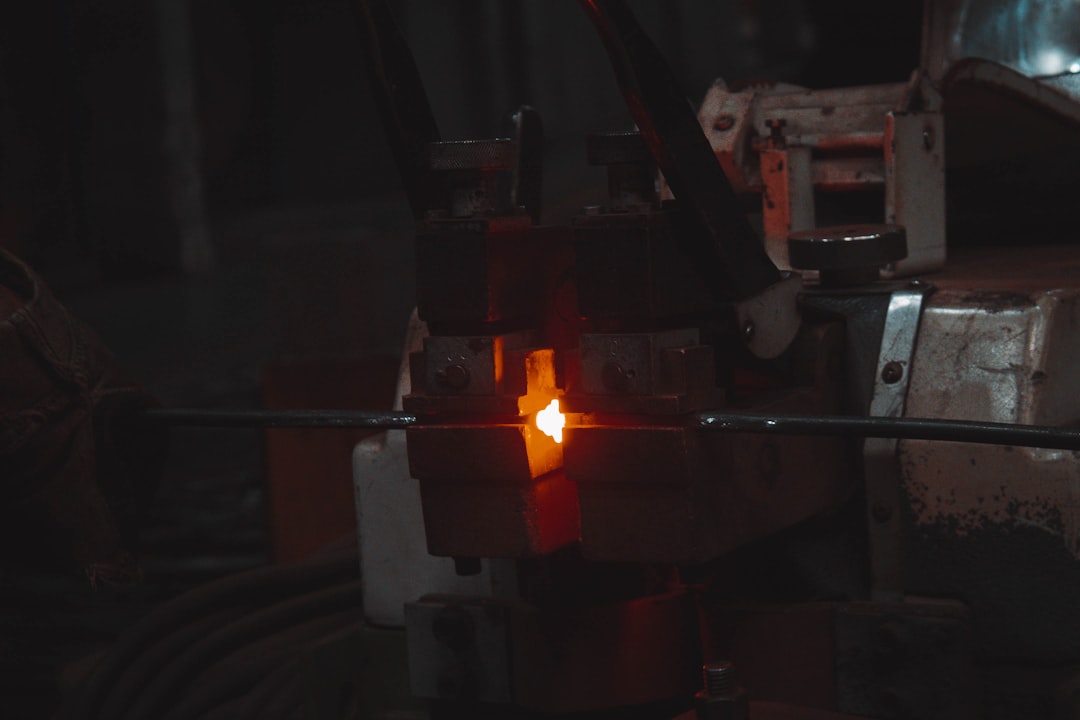
You’re probably encountering induction heating in more places than you realize. From the sleek, modern induction cooktops in kitchens to the intricate manufacturing processes that forge and shape metals, this technology is a silent but powerful force. But what exactly is induction heating? It’s not magic, though it can certainly feel like it when you see metal glowing red-hot with no visible flame. Instead, it’s a clever application of fundamental electromagnetic principles to efficiently transfer energy directly into a conductive material, primarily metals. Understanding how it works unlocks its vast potential for a wide range of applications. This article will guide you through the core concepts, from the basic physics to the practical considerations, empowering you to grasp the essence of induction heating of metal.
At its heart, induction heating relies on the fundamental principles of electromagnetism, specifically Faraday’s Law of Induction and Lenz’s Law. These laws describe how changing magnetic fields interact with conductive materials to generate electrical currents, which in turn produce heat.
Faraday’s Law: The Birth of Induced Currents
Imagine a coil of wire, and you’re sending an alternating current through it. This alternating current creates a magnetic field that also alternates – it grows, shrinks, and reverses direction. Now, if you place a conductive object, like a metal workpiece, within this changing magnetic field, something fascinating happens. According to Faraday’s Law of Induction, a changing magnetic flux through a conductor induces an electromotive force (EMF) in that conductor. In simpler terms, the wiggling magnetic field “pushes” electrons in the metal, causing them to flow.
The Role of Alternating Current
The crucial element here is the alternating nature of the current in the induction coil. A steady direct current (DC) would produce a static magnetic field, and a static magnetic field, by itself, won’t induce any current in a stationary conductor. It’s the change in the magnetic field that matters. The higher the frequency of the alternating current, the faster the magnetic field changes, and the more effectively EMF is induced. This is why induction heating systems typically employ alternating currents at specific frequencies, ranging from line frequencies (50/60 Hz) to radio frequencies (RF) measured in megahertz (MHz).
Magnetic Flux and Workpiece Interaction
Magnetic flux is essentially the measure of the magnetic field passing through a given area. When the induction coil’s magnetic field changes, the magnetic flux through the metal workpiece also changes. This change in magnetic flux is the driving force behind the induced EMF. The geometry of the coil and the workpiece plays a significant role in how effectively this magnetic flux interacts with the metal. A well-designed system ensures maximum flux linkage between the coil and the workpiece.
Lenz’s Law: The Direction of the Induced Current
Once an EMF is induced, it drives a current to flow within the metal workpiece. This induced current doesn’t flow randomly; it follows a specific path, circulating within the metal. These circulating currents are known as eddy currents. Lenz’s Law dictates the direction of these eddy currents. It states that the induced current will flow in a direction that creates its own magnetic field, which opposes the change in magnetic flux that produced it.
Eddy Currents: The Workhorses of Induction Heating
Think of eddy currents as tiny, swirling electrical currents confined within the metal. As these currents flow through the electrical resistance of the metal, they encounter opposition. This opposition causes energy loss in the form of heat. The higher the resistance of the metal and the greater the magnitude of the eddy currents, the more heat is generated. This is the fundamental mechanism by which induction heating transfers electrical energy into thermal energy within the workpiece.
Joule Heating: The Source of the Heat
The heat generated by the flow of eddy currents through the metal’s resistance is known as Joule heating or resistive heating. This is directly proportional to the square of the eddy current’s magnitude and the metal’s resistance. Therefore, by controlling the frequency of the alternating current and the design of the induction coil, you can precisely control the magnitude of the eddy currents and, consequently, the rate at which heat is generated in the workpiece.
Induction heating is a fascinating process that utilizes electromagnetic fields to heat conductive materials, particularly metals, without direct contact. For a deeper understanding of this technology and its applications, you can explore a related article that delves into the principles and benefits of induction heating. This informative piece provides insights into how induction heating is revolutionizing various industries, from manufacturing to cooking. To read more, visit this article on Freaky Science.
The Induction Heating System: Components and Operation
A typical induction heating system is comprised of several key components that work in concert to deliver controlled heating to a metallic workpiece. Understanding these components and their roles is essential for appreciating the system’s overall functionality.
The Power Supply: The Heart of the System
The power supply is the origin of the electrical energy that drives the induction heating process. For induction heating, this is almost always an alternating current (AC) power supply. The type of AC power supply used will vary depending on the application and the desired heating characteristics.
Inverters and Oscillators
For higher frequencies, the power supply typically involves an inverter or an oscillator. These circuits convert the incoming AC power (often from the mains supply) into a high-frequency AC output. Common technologies used in these power supplies include thyristors, IGBTs (Insulated-Gate Bipolar Transistors), and MOSFETs (Metal-Oxide-Semiconductor Field-Effect Transistors). The specific design of the inverter or oscillator determines the output frequency and power capability of the system.
Frequency Selection: A Critical Parameter
The choice of frequency is paramount and is dictated by the material being heated, the workpiece dimensions, and the desired heating depth. Lower frequencies penetrate deeper into the metal, making them suitable for through-heating applications. Higher frequencies, on the other hand, concentrate heating near the surface, which is ideal for case hardening or melting thin sections.
The Induction Coil: The Magnetic Field Generator
The induction coil, also known as an inductor or work coil, is arguably the most critical component. It’s the physical interface between the power supply and the workpiece, responsible for generating the alternating magnetic field that induces eddy currents.
Coil Geometry and Design
The shape and size of the induction coil are meticulously designed to match the workpiece geometry and the desired heating pattern. Common coil designs include:
- Solenoidal Coils: These are cylindrical coils, often used for heating shafts, tubes, or bars. You can have single-turn, multi-turn, or helical designs.
- Pancake Coils: Flat, spiral-shaped coils, ideal for heating flat surfaces like plates or the faces of components.
- Custom-Shaped Coils: For irregularly shaped workpieces, coils are custom-fabricated to precisely conform to the part’s contours, ensuring efficient magnetic coupling.
Material and Construction
Induction coils are typically made from copper tubing, often water-cooled. Copper is chosen for its excellent electrical conductivity, which minimizes resistive losses within the coil itself. The water cooling is essential to dissipate the heat generated in the coil due to its own resistance, preventing it from melting or deforming.
The Workpiece: The Target of Induction
The workpiece is the conductive material that you intend to heat. For induction heating to be effective, the workpiece must be electrically conductive. This is why it’s primarily used for metals. Non-conductive materials cannot be heated directly by induction, although they can be indirectly heated if placed in contact with a heated conductive material.
Material Properties Matter
The effectiveness of induction heating is influenced by the magnetic and electrical properties of the workpiece material.
- Electrical Resistivity: Higher resistivity leads to greater Joule heating for a given eddy current.
- Magnetic Permeability: Ferromagnetic materials (like iron and steel) have high magnetic permeability, meaning they can be easily magnetized. This property significantly enhances induction heating, especially at lower frequencies, as the magnetic field is concentrated within the material. As these materials are heated above their Curie temperature, they lose their ferromagnetic properties and become paramagnetic, behaving more like non-ferromagnetic metals.
The Matching Network: Optimizing Power Transfer
The matching network is a crucial, often overlooked, component that ensures efficient transfer of power from the power supply to the induction coil and workpiece. It typically consists of capacitors and sometimes inductors.
Impedance Matching
The induction coil and workpiece, as a combined load, present a certain electrical impedance to the power supply. This impedance is often inductive and can be quite different from the output impedance of the power supply. The matching network’s primary function is to transform the impedance of the load to match the output impedance of the power supply.
Resonance and Efficiency
By creating a resonant circuit with the induction coil, the matching network allows for maximum current to flow into the coil at the operating frequency. This resonance effect significantly increases the power transfer efficiency and can allow for the use of smaller, more cost-effective power supplies. Without proper impedance matching, a significant portion of the generated power would be reflected back to the power supply, leading to inefficiency and potential damage.
Understanding Heating Patterns: Depth and Uniformity
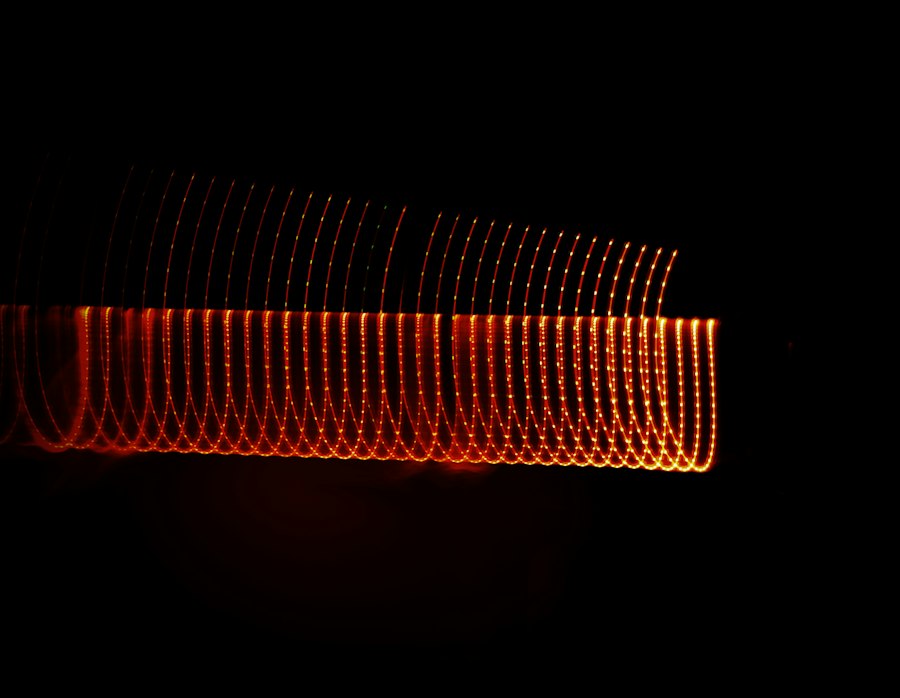
The way heat is distributed within the workpiece is a critical aspect of induction heating, and it’s highly controllable. This distribution is influenced by several factors, primarily the frequency of the power supply and the physical properties of the material.
Skin Effect: The Foundation of Induction Heating
The skin effect is a phenomenon where alternating currents tend to flow more readily near the surface (the “skin”) of a conductor rather than through its entire cross-section. This effect becomes more pronounced at higher frequencies.
Frequency Dependency
At very low frequencies, the eddy currents can penetrate relatively deeply into the metal. However, as the frequency increases, the magnetic field’s ability to induce currents decreases with depth. This leads to a concentration of eddy currents and, consequently, heat generation near the surface. The depth at which the current density drops to approximately 37% of its surface value is known as the skin depth.
Calculating Skin Depth
The skin depth ($\delta$) can be approximated by the following formula:
$\delta \approx \sqrt{\frac{2\rho}{\omega\mu}}$
Where:
- $\rho$ is the electrical resistivity of the material (in ohm-meters)
- $\omega$ is the angular frequency of the AC current ($2\pi f$, where $f$ is the frequency in Hertz)
- $\mu$ is the magnetic permeability of the material (in Henries per meter)
This formula highlights the inverse relationship between skin depth and frequency. A higher frequency leads to a smaller skin depth, meaning the heating will be more superficial.
Penetration Depth and Heating Scenarios
The concept of skin depth directly translates to how deeply the heat penetrates into the workpiece.
Surface Hardening (Case Hardening)
For applications like surface hardening of gears, shafts, or tools, where you want to create a hard, wear-resistant outer layer while maintaining a tough core, high frequencies are employed. The high frequency ensures that the heat is concentrated in a shallow layer near the surface. Following rapid quenching, this heated surface layer transforms into a hard martensitic structure.
Through-Heating and Melting
When you need to heat the entire cross-section of a metal part, such as for annealing, forging, or melting, lower frequencies are preferred. Lower frequencies allow the eddy currents to penetrate deeper into the material, distributing the heat more uniformly throughout the workpiece. For melting, very high power densities are required, and the entire bulk of the material needs to reach its melting point.
Magnetic Permeability’s Influence
The magnetic permeability of the material significantly affects the skin effect, especially for ferromagnetic materials.
Ferromagnetic Materials and the Curie Temperature
In ferromagnetic materials (like steel), at room temperature, the high permeability concentrates the magnetic field lines within the material. This effectively reduces the skin depth, even at lower frequencies, compared to a non-magnetic conductor of the same resistivity. However, as the material is heated, it approaches its Curie temperature. Above the Curie temperature, ferromagnetic materials lose their high permeability and become paramagnetic. This transition dramatically increases the skin depth, allowing the eddy currents and heat to penetrate more deeply into the material. This phenomenon is often exploited in induction heating processes.
Coil Design and Workpiece Geometry
Beyond frequency, the design of the induction coil and the shape of the workpiece play crucial roles in determining the heating pattern.
Uniform Heating and Hot Spots
A well-designed coil will conform closely to the workpiece, ensuring uniform magnetic field distribution and, therefore, more uniform heating. Conversely, poorly designed coils or workpieces with sharp corners or complex geometries can lead to uneven heating, resulting in “hot spots” where the temperature rises excessively, potentially causing damage.
Inductor-Workpiece Gap
The gap between the induction coil and the workpiece is a critical parameter. A larger gap leads to weaker magnetic coupling and less efficient heating. For optimal performance, the coil is typically designed to be as close as practically possible to the workpiece without making contact (to avoid electrical arcing or mechanical damage).
Applications of Induction Heating: A Diverse Landscape
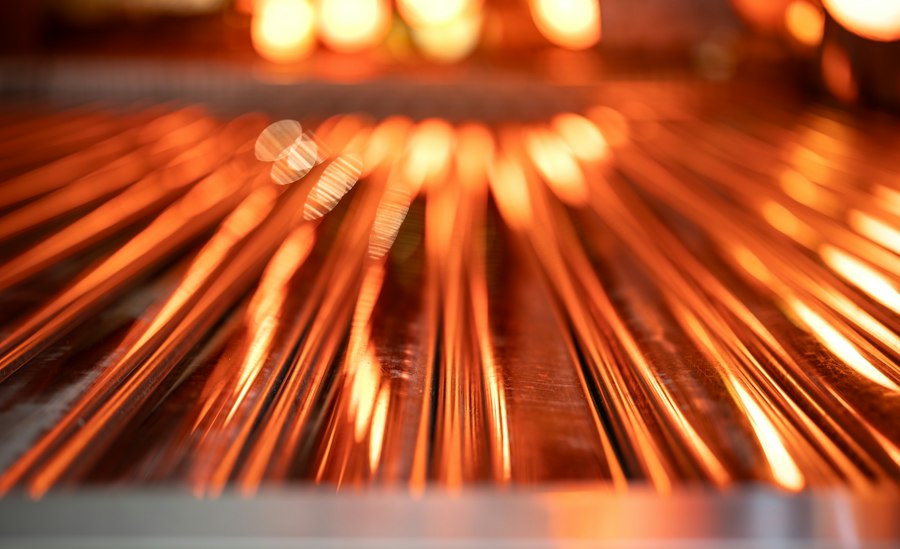
The versatility and efficiency of induction heating have led to its widespread adoption across numerous industries. Its ability to deliver rapid, controlled, and precise heating makes it an invaluable tool for a vast array of applications.
Metalworking and Manufacturing
This is perhaps where induction heating shines brightest. Its applications in metal fabrication are extensive.
Heat Treatment
- Hardening and Tempering: As discussed earlier, induction hardening is used to create durable wear surfaces on components. Tempering after hardening reduces brittleness.
- Annealing: Heating metals to relieve internal stresses, improve ductility, and refine grain structure.
- Normalizing: A heat treatment process to refine the grain structure and improve the mechanical properties of steel.
- Stress Relieving: Reducing residual stresses introduced during manufacturing processes like welding or machining.
Forging and Forming
- Induction Forging: Rapidly heating metal billets or bars to their forging temperature. The speed of induction heating minimizes scale formation and oxidation, leading to cleaner parts and reduced material loss.
- Hot Rolling: Induction heating can be used to bring metal to the correct temperature for hot rolling operations.
Brazing and Soldering
- Induction Brazing/Soldering: Precisely heating the joint area to melt the filler metal (solder or brazing alloy) and create a strong bond between components. This method offers excellent control and avoids overheating adjacent sensitive areas.
Melting and Casting
- Induction Melting Furnaces: Used to melt ferrous and non-ferrous metals for casting and refining. These furnaces are known for their fast melting rates and ability to achieve high purity levels due to the absence of combustion byproducts.
Other Industrial Applications
Beyond traditional metalworking, induction heating plays a vital role in various other sectors.
Electronics and Semiconductor Manufacturing
- Crystal Growth: Induction heating is used in Czochralski and other crystal growth processes to melt raw materials and carefully control their solidification into high-purity single crystals.
- Wafer Heating: Precise temperature control during semiconductor fabrication processes.
Food Processing
- Induction Cooktops: The most common consumer application, providing fast, efficient, and precise cooking by directly heating the cookware.
- Pasteurization and Sterilization: In some specialized food processing applications, induction heating can be used for rapid pasteurization.
Medical Devices
- Sterilization: Induction can be used to heat medical instruments for sterilization purposes.
- Implantable Devices: Components of some implantable medical devices may be manufactured or processed using induction heating.
Automotive Industry
- Component Manufacturing: Heat treatment of engine parts, gears, and other critical components.
- Assembly: Induction heating is used for shrink fitting components, where a heated outer part expands and then shrinks tightly around an inner part upon cooling.
Induction heating is a fascinating process that utilizes electromagnetic fields to heat metals efficiently and uniformly. For those interested in exploring this topic further, you can read a related article that delves into the principles and applications of induction heating in various industries. This technology not only enhances productivity but also improves energy efficiency, making it a vital aspect of modern manufacturing. To learn more about the intricacies of induction heating, check out this informative piece at Freaky Science.
Advantages and Disadvantages: A Balanced Perspective
| Parameter | Description | Typical Values | Units |
|---|---|---|---|
| Frequency | Alternating current frequency used for induction heating | 10 kHz – 1 MHz | Hertz (Hz) |
| Power | Power supplied to the induction coil | 1 – 100 kW | Watts (W) |
| Coil Current | Current flowing through the induction coil | 10 – 1000 | Amperes (A) |
| Heating Time | Time required to heat the metal to desired temperature | 1 – 60 | Seconds (s) |
| Penetration Depth | Depth to which heat penetrates the metal surface | 0.1 – 10 | Millimeters (mm) |
| Temperature Range | Temperature achieved in the metal during induction heating | 200 – 1500 | Degrees Celsius (°C) |
| Metal Type | Common metals used in induction heating | Steel, Copper, Aluminum, Iron | N/A |
| Efficiency | Energy conversion efficiency of induction heating | 80 – 95 | Percent (%) |
Like any technology, induction heating has its strengths and weaknesses. Understanding these trade-offs is crucial for determining its suitability for a particular application.
The Advantages of Induction Heating
The benefits of induction heating are numerous and often make it the preferred choice over other heating methods.
Efficiency and Energy Savings
- Direct Heating: Induction heating directly heats the workpiece by inducing currents within it. This eliminates the energy losses associated with heating an intermediary medium like air or a furnace.
- Minimal Heat Loss: Because the heating is localized and contained within the coil, there is very little heat lost to the surrounding environment. This translates to significant energy savings, especially for high-volume production.
Speed and Control
- Rapid Heating: Induction heating can achieve very high heating rates, allowing for rapid processing cycles.
- Precise Temperature Control: The heating rate and temperature can be precisely controlled by adjusting the power output and frequency of the induction system. This allows for fine-tuning of heat treatment processes and minimizes the risk of overheating or underheating.
- Localized Heating: It’s possible to heat specific areas of a workpiece without affecting the rest of the component. This is invaluable for applications where only a particular section needs to be modified, such as surface hardening.
Environmental Benefits
- No Combustion Byproducts: Unlike flame-based heating methods, induction heating does not produce smoke, fumes, or harmful emissions, making it an environmentally friendly option.
- Clean Process: The absence of combustion byproducts means less contamination of the workpiece, leading to cleaner parts and reduced cleaning requirements.
Versatility and Automation
- Wide Range of Applications: As evidenced by the applications listed above, induction heating is incredibly versatile and can be used for a multitude of heating tasks.
- Automation Friendly: Induction heating systems are well-suited for integration into automated production lines, allowing for consistent quality and increased throughput.
Safety
- No Open Flame: The absence of an open flame significantly reduces the risk of fire hazards.
- Contained Process: The heating occurs within a contained electromagnetic field, further enhancing safety.
The Disadvantages of Induction Heating
Despite its many advantages, induction heating does have certain limitations.
Initial Cost
- Equipment Investment: The initial cost of induction heating equipment, especially for high-power or high-frequency systems, can be substantial compared to some conventional heating methods.
Material Limitations
- Conductivity Requirement: Induction heating is only effective on electrically conductive materials. Non-conductive materials cannot be directly heated.
- Ferromagnetic Advantage: While induction heating works on non-ferromagnetic metals, it is significantly more efficient and easier to achieve high temperatures in ferromagnetic materials due to their magnetic properties.
Coil Design Complexity and Maintenance
- Customization: For complex workpiece geometries, custom-designed induction coils are often required, which can be expensive and time-consuming to fabricate.
- Wear and Tear: Induction coils are subject to wear and tear, especially in demanding industrial environments, and may require periodic replacement or repair.
Space Requirements
- Power Supply and Coil Area: While the heating process itself can be compact, the overall induction heating setup, including the power supply, matching network, and cooling system, can require a significant footprint.
Potential for Electromagnetic Interference (EMI)
- Shielding: High-frequency induction heating systems can generate electromagnetic interference (EMI) that may affect other sensitive electronic equipment in the vicinity. Proper shielding and design are necessary to mitigate this issue.
By understanding these advantages and disadvantages, you can make informed decisions about when and how to best utilize the powerful capabilities of induction heating.
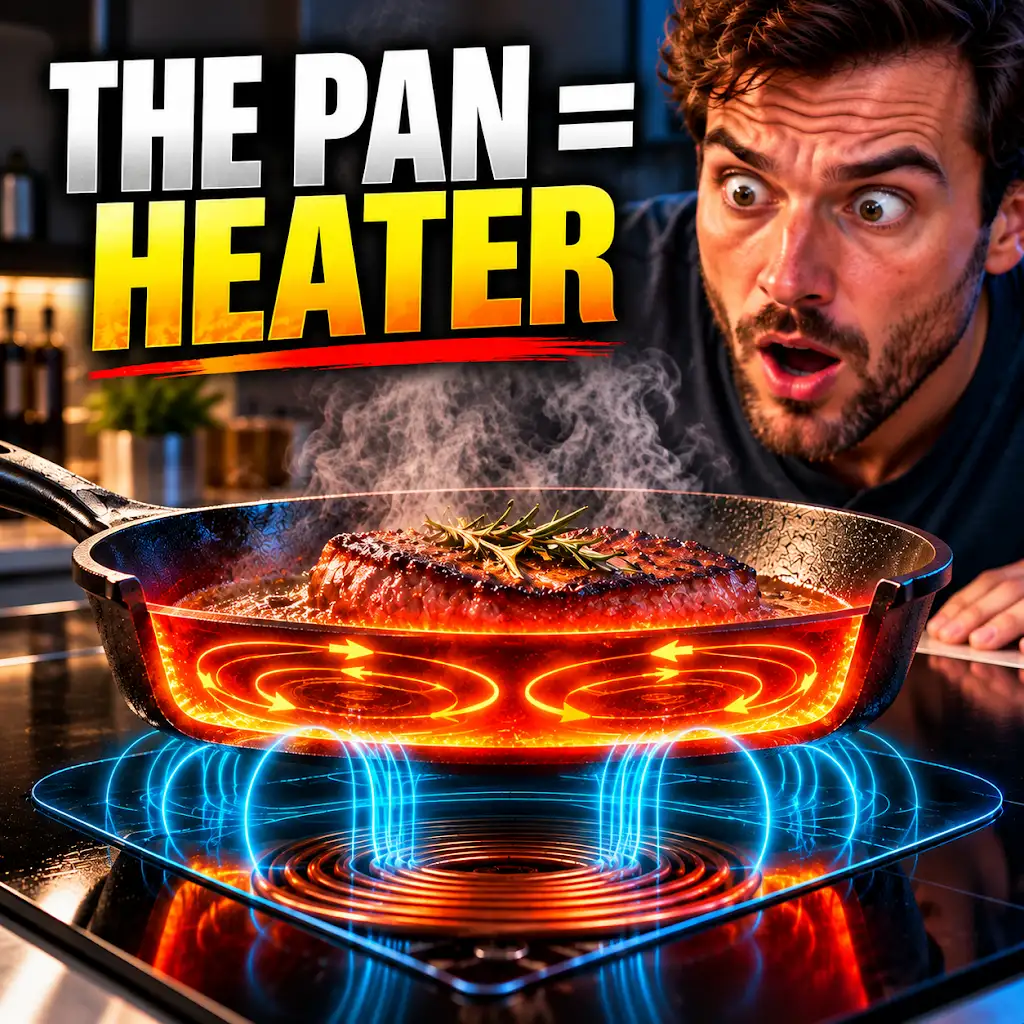
The Pan Is the Heater: How Induction Cooking Really Works
FAQs
What is induction heating of metal?
Induction heating is a process where an electric current is induced in a metal object through electromagnetic induction, generating heat within the material.
How does induction heating work?
An alternating current is passed through a coil, creating a varying magnetic field. When a metal object is placed within this field, eddy currents are induced in the metal, causing it to heat up due to resistance.
What are the advantages of induction heating for metal?
Some advantages of induction heating for metal include fast and efficient heating, precise temperature control, uniform heating, and the ability to heat specific areas without affecting the rest of the material.
What are the applications of induction heating in metal processing?
Induction heating is commonly used in metal processing for applications such as brazing, soldering, annealing, hardening, and tempering. It is also used in industries like automotive, aerospace, and manufacturing.
Are there any limitations to induction heating of metal?
While induction heating is a versatile and efficient process, it may not be suitable for all types of metals, shapes, or sizes. Additionally, initial setup costs for induction heating equipment can be high, making it more suitable for high-volume production.