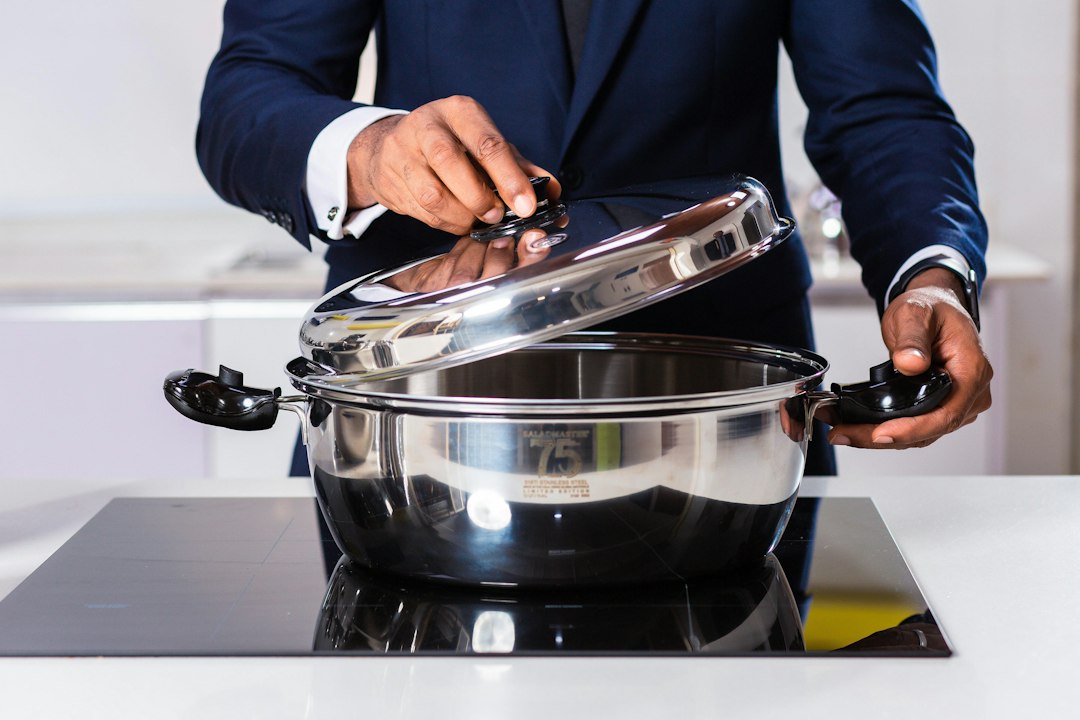
You’ve probably marveled at how quickly your induction cooktop heats up. It’s a stark contrast to the old gas or radiant electric stovetops, where you’d wait for a burner to glow red or for the gas flame to lick the bottom of your pan. Induction’s speed is a major selling point, but with that speed comes a different kind of heat management to understand: residual heat. You might be wondering, “When I turn off my induction burner, why does it sometimes feel warm?” or “Is residual heat dangerous?” This article is designed to demystify residual heat on your induction cooktop, empowering you with the knowledge to use it safely and efficiently.
To truly understand residual heat, you first need to grasp the fundamental principles of induction cooking. It’s not just another electric burner; it’s a sophisticated electromagnetic process that directly heats your cookware.
Magnetic Fields at Play
At the heart of your induction cooktop is a coil of copper wire. When you select a cooking zone and turn it on, an alternating electric current flows through this coil. This current generates a rapidly oscillating magnetic field just above the surface of the cooktop. This is where the “magic” happens, and it’s entirely invisible to the naked eye.
The Role of Ferromagnetic Cookware
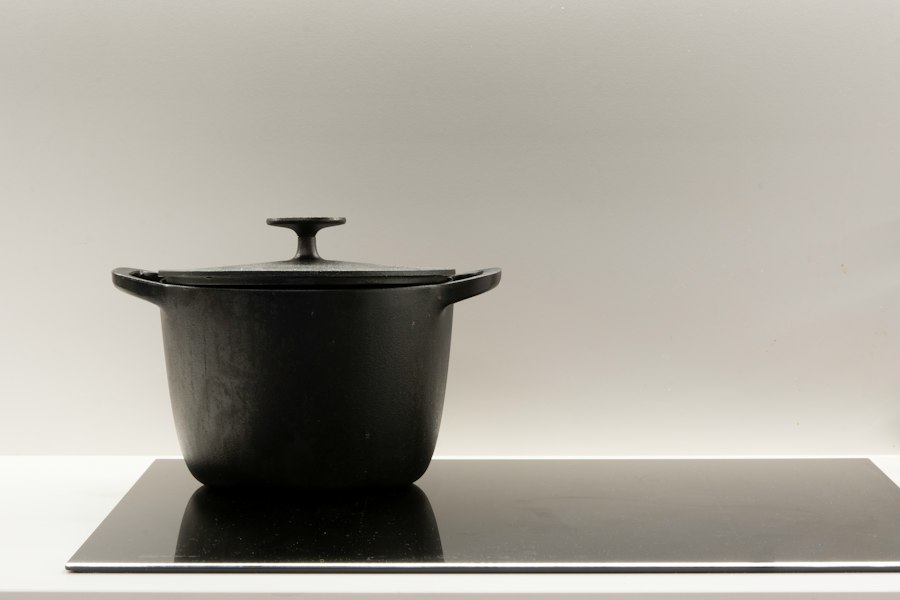
This magnetic field, by itself, doesn’t generate heat. The crucial component for heating is your cookware. For induction to work, your pots and pans must be made of a ferromagnetic material. This means they contain iron or steel, which can be magnetized. Common examples include cast iron, enameled cast iron, and stainless steel with a magnetic base. Aluminum, copper, and glass cookware will not work on an induction cooktop unless they have a special ferromagnetic layer bonded to their base.
When you place a ferromagnetic pot or pan on an active induction zone, the oscillating magnetic field penetrates the base of the cookware. This magnetic field causes the iron molecules within the pan’s base to vibrate at an extremely high frequency. It’s this rapid molecular vibration that directly generates heat within the pan itself. This is why the cooktop surface doesn’t get as intensely hot as a traditional radiant electric burner. The heat is primarily produced where you need it: in your cooking vessel.
Direct Energy Transfer: The Efficiency Advantage
The beauty of induction lies in its direct energy transfer. Unlike gas, where heat is lost to the surrounding air through convection, or radiant electric, where heat is transferred through infrared radiation from a glowing element, induction efficiently transfers energy directly to the metal of your pan. This leads to significantly faster heating times and greater energy efficiency. You’re not heating the air or the cooktop surface first; you’re directly heating the pan.
The Nuances of Heat Transfer
While the primary heat generation occurs within the pan, some heat inevitably transfers from the pan to the induction surface. This is where the concept of residual heat comes into play.
Conduction from Hot Cookware
As your pan heats up through induction, it sits directly on the ceramic glass surface of the cooktop. Heat naturally flows from hotter objects to cooler objects through conduction. Therefore, even though the cooktop surface isn’t the primary heat source, it will absorb some of this heat from the base of your hot cookware. The hotter your pan gets, and the longer it stays on the surface, the more heat will conduct to the cooktop.
Radiant Heat from the Pan
Your cookware, especially if it’s very hot, will also radiate heat outwards. Some of this radiated heat will be absorbed by the cooktop surface. While conduction is typically the more significant factor in residual heat transfer to the surface, radiation also contributes.
If you’re curious about how induction cooktops work and the implications of residual heat, you might find the article on Freaky Science particularly enlightening. It delves into the science behind induction cooking, explaining how the technology generates heat and the safety measures in place to manage residual heat effectively. For more detailed insights, you can read the article here: Freaky Science.
Identifying Residual Heat: What to Look and Feel For
You’re not usually dealing with scorching hot surfaces on an induction cooktop immediately after turning it off. Residual heat is generally more subtle. Recognizing it is key to safe operation.
The Touch Test (with Caution!)
The most direct way to identify residual heat is by touch. However, this is where you need to exercise extreme caution, especially when you’re first getting used to your induction cooktop.
Gentle, Brief Touch
Never press down or linger your hand on the cooktop surface immediately after cooking. Instead, use the back of your hand and very briefly hover it just above the surface, or gently brush it across. You’ll be able to feel a warmth that’s distinct from room temperature. This warmth indicates that residual heat is present.
Gradual Cooling
You’ll notice that the residual heat dissipates over time. It won’t feel as intensely hot as it might have during active cooking. The surface will gradually cool down to ambient temperature. The duration of this cooling period depends on how hot the pan and the cooktop became during use.
Visual Cues: Indicator Lights and the Cooktop Surface
Your induction cooktop is designed with safety features to help you identify residual heat.
Residual Heat Indicator Lights
Most modern induction cooktops have a dedicated residual heat indicator light for each cooking zone. This light, often represented by an “H” symbol, illuminates when the surface of that zone is still hot and can pose a burn risk. It’s crucial to pay attention to these lights. They are your primary visual cue that the surface is not yet cool.
The “H” Symbol: Your Warning Sign
The “H” symbol is a universal indicator of residual heat. Don’t assume it means the burner is still on. It simply means the surface temperature is elevated. The light will remain on until the surface has cooled to a safe temperature.
Different Indicator Styles
While the “H” is common, some manufacturers might use different symbols or color changes to indicate residual heat. Always consult your cooktop’s user manual to understand the specific indicators for your model.
Subtle Surface Temperature Changes
While not as reliable as indicator lights, you might sometimes notice a slight shimmering or a faint “halo” effect on the cooktop surface if it’s still quite warm. This is more common after prolonged high-heat cooking. However, it’s not something to rely on solely for safety.
Why Residual Heat Matters: Safety and Efficiency Considerations
Understanding residual heat isn’t just about curiosity; it has direct implications for how you use your induction cooktop safely and efficiently.
Preventing Burns and Scars
The most critical reason to understand residual heat is to prevent accidental burns. While induction cooktops don’t typically get as scalding hot as the surfaces of traditional electric burners, they can still become warm enough to cause discomfort or minor burns, especially to children or pets.
Keeping Little Ones Safe
Children are naturally curious. They might be tempted to touch the cooktop. The residual heat indicator lights are your best defense against this. Always ensure the “H” lights are off before allowing children to be near the cooktop unsupervised.
Protecting Pets
Pets, particularly cats, might jump onto surfaces. A warm cooktop could be uncomfortable or even harmful to them. The same precautions apply.
Protecting Your Cooktop Surface
While induction cooktop surfaces are designed to be durable, excessive and prolonged residual heat can, in rare cases, contribute to surface damage over time.
Avoiding Extreme Temperature Shock
Placing extremely cold items (like a frozen dish) on a still-warm cooktop surface can create a temperature shock. While modern ceramic glass is designed to withstand this, it’s best practice to avoid such extreme transitions.
Preventing Sticking and Staining
If you spill food or liquids on a warm cooktop surface, the residual heat can cause them to bake on, making them more difficult to clean and potentially leading to staining. It’s always best to wipe up spills as soon as possible, but be mindful of the surface temperature.
Optimizing Cooking Processes
Residual heat can actually be a benefit if you understand how to use it to your advantage.
The “Carryover” Cooking Effect
Similar to how food continues to cook after being removed from a hot oven, your food can continue to cook for a short period on a turned-off induction burner due to the residual heat in the pan. This is particularly useful for delicate dishes or when you want to prevent overcooking.
Gentle Finishing
For dishes that require a very precise final temperature, like tempering chocolate or gently warming sauces, you can turn off the burner a minute or two before your food reaches the desired state. The residual heat in the pan will continue the cooking process.
Preventing Sticking When Removing Food
When you’re about to remove food from a pan, turning off the burner slightly in advance allows the residual heat to finish the job without the risk of sticking that can happen if you remove food from an intensely hot surface too quickly.
Managing Residual Heat: Best Practices for Safe and Efficient Use
You’ve learned what residual heat is and why it matters. Now, let’s talk about how to manage it effectively.
Always Check Indicator Lights
This is the golden rule of induction cooktop safety. Before you touch the surface, before you place anything on it, and before you consider it truly “off,” always check the residual heat indicator lights.
Waiting for the “H” to Disappear
Be patient. The “H” light is your most reliable guide. Don’t clean the cooktop surface while the “H” light is on. Wait until it has completely turned off.
Multi-Zone Awareness
If you’re using multiple cooking zones, remember that each one has its own residual heat indicator. They might not all cool down at the same rate.
Cleaning Your Induction Cooktop
Cleaning your induction cooktop is generally straightforward, but understanding residual heat is crucial for doing it safely and effectively.
Waiting for Coolness
Never attempt to clean your induction cooktop while it’s hot or still displaying the residual heat indicator. Wait until the surface is completely cool to the touch and the “H” lights are off. This prevents burns and potential damage to cleaning cloths or sponges.
Using the Right Cleaning Tools
For everyday cleaning, a damp, soft cloth or sponge is usually sufficient. For tougher, baked-on spills, use a non-abrasive cooktop cleaner specifically designed for ceramic or glass surfaces. Avoid abrasive scrubbers, steel wool, or harsh chemicals, as these can scratch or damage the cooktop.
Gentle Wiping for Light Messes
For minor spills and splatters, a quick wipe with a damp cloth after the surface has cooled is all you need.
Dealing with Stubborn Stains
For more persistent messes, apply a small amount of ceramic cooktop cleaner to a cool surface. Gently rub with a soft cloth or paper towel. You might need to let it sit for a few minutes for tough stains. Always follow the cleaner’s instructions.
Wiping Spills Promptly (When Safe)
While you should always wait for the cooktop to cool before a thorough cleaning, if you notice a spill while cooking is still in progress and the surface is not excessively hot, you can often carefully wipe it up with a paper towel. Be very mindful of the heat.
Cookware Placement and Removal
How you place and remove your cookware can influence residual heat and overall performance.
Smooth Placement
When placing cookware on the induction surface, slide it into position rather than dropping it. This minimizes the risk of scratching the glass.
Avoiding Dragging
Once placed, avoid dragging cookware across the surface. Lift it when repositioning it. This not only protects the surface but also ensures the magnetic connection remains optimal for efficient heating.
Removing Cookware Carefully
When removing cookware, lift it straight up. This prevents accidental spills from dribbling onto the cooktop and potentially causing burns if the surface is still warm.
Understanding the Cooling Process
The time it takes for residual heat to dissipate varies.
Factors Affecting Cooling Time
Several factors influence how quickly your induction cooktop cools down:
Intensity of Cooking
The longer you’ve cooked at a high heat setting, the more residual heat will be present.
Cookware Material and Thickness
Thicker, denser cookware materials like cast iron will retain heat for longer than thinner stainless steel pans.
Ambient Room Temperature
A cooler room will naturally help the cooktop cool down faster than a warm kitchen.
Ventilation
Good kitchen ventilation can help dissipate heat more effectively.
Intentional Use of Residual Heat
As mentioned earlier, you can leverage residual heat for better cooking outcomes.
The “Resting” Period for Foods
For meats, allowing them to rest off the direct heat of the burner for a few minutes after cooking will allow the juices to redistribute, resulting in a more tender and flavorful final product. The residual heat in the pan can help maintain a safe serving temperature.
Gentle Warming
If you need to keep a dish warm without further cooking, you can place it on a slightly warm (but not hot) induction zone. The residual heat will provide a gentle warming effect. Be cautious and monitor the temperature to prevent drying out or overcooking.
Induction cooktops are known for their efficiency and speed, but many users often wonder about the residual heat they generate after cooking. Understanding this aspect can enhance safety and cooking performance. For a deeper dive into how induction cooktops manage heat and what you should know about their operation, you can check out this insightful article on the topic. It provides valuable information that can help you make the most of your cooking experience. To learn more, visit this article.
Common Misconceptions About Induction Residual Heat
| Metric | Description | Typical Value / Range | Notes |
|---|---|---|---|
| Residual Heat Level | Heat remaining on the cooktop surface after the induction element is turned off | Low to Moderate (approx. 40°C to 80°C) | Depends on cookware material and duration of cooking |
| Heat Dissipation Time | Time taken for the cooktop surface to cool down to safe touch temperature | 2 to 10 minutes | Varies with ambient temperature and cookware heat retention |
| Safe Touch Temperature | Temperature below which the cooktop surface is considered safe to touch | Below 50°C | Most induction cooktops have residual heat indicators until this temperature is reached |
| Residual Heat Indicator | Visual or digital alert showing the presence of residual heat | On/Off indicator | Helps prevent accidental burns |
| Cookware Influence | Effect of cookware type on residual heat retention | Cast iron retains more heat; stainless steel less | Induction heats cookware directly, so residual heat depends on cookware thermal mass |
| Energy Efficiency | Percentage of energy transferred to cookware during cooking | 80% to 90% | Higher efficiency reduces unnecessary residual heat |
There are often misunderstandings about how induction works, particularly concerning heat. Let’s address some common myths.
Myth 1: “Induction Cooktops Don’t Get Hot”
This is the biggest misconception. Induction cooktops do get hot, but not in the same way as radiant electric or gas cooktops. The heat is generated in the pan, and some of that heat transfers to the cooktop surface, creating residual heat. The surface itself is not the primary heating element.
Distinguishing Between Surface and Pan Temperature
It’s crucial to differentiate between the temperature of the induction surface and the temperature of the pan. Your pan will be significantly hotter than the cooktop surface during active cooking.
Myth 2: “Residual Heat is a Sign of a Malfunctioning Cooktop”
Not at all! Residual heat is a normal and expected phenomenon on all induction cooktops. It’s a direct consequence of heat transfer from your cookware to the cooktop surface. If your cooktop doesn’t show residual heat after cooking at a high setting, that might be a more concerning sign.
Normal Heat Transfer is Expected
Every object in contact with a heat source will eventually absorb some of that heat. This is basic thermodynamics.
Myth 3: “Residual Heat is Dangerous Like a Red-Hot Burner”
While residual heat requires caution, it’s generally not as intensely dangerous as a red-hot radiant electric burner or an open gas flame. The risk is lower, but still present. Always err on the side of caution.
Understanding the Degree of Heat
The temperature of residual heat is typically much lower than the direct heating element temperature of other cooktop types. However, it can still cause burns if you’re not careful.
Myth 4: “You Can’t Clean an Induction Cooktop with Residual Heat”
You can clean it, but you must wait for it to cool down. Attempting to clean a hot surface with a damp cloth can lead to steam burns or damage to the cloth. Use appropriate cleaning products and tools once the surface is cool.
Patience is Key for Cleaning
The residual heat indicator lights are your guide. Wait for them to extinguish before starting your cleaning routine.
Conclusion: Embracing Induction’s Heat Intelligence
You now have a comprehensive understanding of residual heat on your induction cooktop. It’s not a flaw or a danger, but rather an intrinsic part of how this advanced cooking technology operates. By recognizing its presence, understanding its causes, and implementing the simple best practices outlined here, you can confidently and safely harness the power and efficiency of your induction cooktop.
Remember the key takeaways: always observe the residual heat indicator lights, exercise caution when touching the surface, use appropriate cleaning methods, and consider how residual heat can even enhance your cooking. With this knowledge, you’re well-equipped to navigate the subtle nuances of induction, making every cooking experience safer, more efficient, and ultimately, more enjoyable. Embrace the intelligence of your induction cooktop, and let residual heat work for you, not against you.

The Pan Is the Heater: How Induction Cooking Really Works
FAQs
What is residual heat on an induction cooktop?
Residual heat on an induction cooktop refers to the heat that remains on the cooking surface after the cookware has been removed. This heat is generated by the cooktop itself during the cooking process.
Is residual heat dangerous on an induction cooktop?
Residual heat on an induction cooktop is not as dangerous as on traditional gas or electric cooktops, as the heat is generated directly in the cookware and not on the surface itself. However, it is still important to be cautious and avoid touching the cooking surface until it has cooled down.
How long does residual heat last on an induction cooktop?
The duration of residual heat on an induction cooktop can vary depending on the specific model and cooking settings used. Generally, the heat dissipates relatively quickly once the cookware is removed, but it is recommended to wait a few minutes before touching the cooking surface.
Can residual heat on an induction cooktop be used for keeping food warm?
Yes, residual heat on an induction cooktop can be utilized for keeping food warm after cooking. Simply place the cookware back on the cooking surface to take advantage of the remaining heat. However, be mindful of food safety guidelines to prevent bacterial growth.
How can I safely handle residual heat on an induction cooktop?
To safely handle residual heat on an induction cooktop, always use oven mitts or pot holders when touching the cooking surface. Avoid placing any items on the cooktop that may be damaged by heat, and keep children and pets away from the area until the surface has cooled down.