
You’re standing in front of your gleaming new induction cooktop, a marvel of modern kitchen technology. The smooth, sleek surface promises effortless cooking, but a nagging question lingers: how does this magic happen? Unlike the familiar glow of electric coils or the dancing flames of gas, induction is largely invisible, a silent force that transforms raw ingredients into culinary masterpieces. Understanding the fundamental principles behind induction heating is key to unlocking its full potential and ensuring you get the most out of this advanced appliance.
You’ve likely heard it called “magnetic cooking,” and while that’s a good starting point, it’s a bit of an oversimplification. Induction isn’t about applying heat directly to the cooktop surface, which then transfers it to your cookware. Instead, it’s a sophisticated interplay of electromagnetism, harnessing the power of magnetic fields to generate heat within your pots and pans. This difference is crucial and is the source of many of induction’s lauded benefits, such as unparalleled speed, precision, and energy efficiency. To truly master your induction cooktop, you need to delve into the science that makes it all work.
The Core Principle: Electromagnetic Induction
At its heart, induction cooking relies on a fundamental principle of physics: Faraday’s Law of Induction. This law states that a changing magnetic field will induce an electric current in a conductor. Your induction cooktop is essentially an electromagnet, and your cookware is the conductor.
The Electromagnet at Work
Beneath the smooth ceramic glass surface of your induction cooktop lies a series of coils, typically made of copper. When you activate a cooking zone and select a heat setting, an alternating electric current is passed through these coils. This alternating current creates a rapidly changing magnetic field that oscillates back and forth. Think of it like a powerful, invisible pulse emanating from the cooktop.
The Role of Ferromagnetic Cookware
This is where your choice of cookware becomes paramount. Induction technology is specifically designed to work with cookware that is ferromagnetic, meaning it contains iron or steel that can be attracted by a magnet. This ferromagnetic property is essential for the transfer of energy.
Why Magnets Matter
To test if your existing cookware is induction-compatible, you can simply hold a refrigerator magnet to the bottom of the pot or pan. If the magnet sticks firmly, it’s likely suitable for your induction cooktop. This simple test saves you from purchasing new cookware unnecessarily.
The Science of Magnetism and Heat
When the oscillating magnetic field from the induction coils interacts with the ferromagnetic material in your cookware, it forces the electrons within the metal to move back and forth rapidly. This energetic movement of electrons is precisely what we perceive as heat. The faster the electrons move, the hotter the cookware becomes. This is an internal heating process, occurring directly within the base of your pot or pan.
Understanding Eddy Currents
The primary mechanism by which heat is generated in induction cooking is through the creation of eddy currents. As the alternating magnetic field penetrates the base of the ferromagnetic cookware, it induces circulating currents within the metal itself. These currents, known as eddy currents, flow in small, localized loops.
####### Resistance is Key to Heat Generation
The metal of your cookware, while a good conductor of electricity, still possesses some electrical resistance. As these eddy currents flow through this resistant material, they encounter friction. This friction converts the electrical energy of the eddy currents into thermal energy, generating heat. The greater the resistance of the cookware material and the stronger the eddy currents, the more heat is produced.
The Advantage of Direct Heating
Unlike conventional cooktops where heat is generated externally and then transferred, induction heats the cookware directly. This direct transfer of energy is incredibly efficient, as very little heat is wasted into the surrounding environment. This efficiency is a significant contributor to induction’s speed and energy savings.
The Inductor Coil and Frequency
The efficiency and power of an induction cooktop are intricately linked to the design and operation of its inductor coils and the frequency of the alternating current.
Coil Design and Material
The copper coils beneath the ceramic surface are specifically wound to create a focused and effective magnetic field. The number of turns in the coil, its diameter, and its placement all play a role in optimizing the magnetic flux that penetrates the cookware. High-quality copper is used for its excellent conductivity, minimizing energy loss within the coil itself.
The Role of Frequency
The alternating current supplied to the inductor coils operates at a specific frequency, typically in the range of 20-100 kHz (kilohertz). This frequency is crucial for inducing sufficient eddy currents in the cookware.
Why a Specific Frequency?
A frequency that is too low would not be effective in generating strong enough eddy currents, resulting in slow or insufficient heating. Conversely, a frequency that is too high could lead to excessive heating of the cookware material itself, potentially causing damage or inefficiency, and could also lead to unwanted radiation. The chosen frequency strikes a balance, maximizing the induction of eddy currents in the cookware while minimizing energy loss and potential side effects.
####### Understanding Skin Effect
At these high frequencies, another phenomenon called the skin effect becomes relevant. The skin effect describes how alternating electric current tends to flow more densely near the surface of a conductor. In the context of induction heating, this means that eddy currents are concentrated in the upper layers of the cookware’s base. This concentration of current within a smaller volume of material further enhances the generation of heat.
What Happens to the Cooktop Surface?
You might wonder why the cooktop surface itself doesn’t get searingly hot. This is one of induction’s most remarkable safety and efficiency features.
Indirect Heating of the Surface
The cooktop surface, usually made of toughened glass-ceramic, is not ferromagnetic. Therefore, it does not directly participate in the induction process and does not generate heat through eddy currents. The only heat it receives is indirect, through residual heat transferred from the base of the hot cookware once cooking is complete.
Residual Heat and Cooling
After you remove a hot pot or pan, the cooktop surface will feel warm, but it cools down much faster than traditional electric or gas surfaces. This rapid cooling is a testament to its indirect heating mechanism. Many induction cooktops also feature indicator lights that show when a particular zone is still hot, providing an additional safety measure.
The Ceramic Glass Barrier
The ceramic glass not only provides a smooth, easy-to-clean surface but also acts as an effective insulator. This insulation helps to contain the heat generated within the cookware, further minimizing heat loss to the surrounding air and preventing the cooktop itself from becoming dangerously hot.
####### Thermal Shock Resistance
The glass-ceramic material used is engineered to withstand significant temperature fluctuations, meaning it can tolerate the rapid heating and cooling associated with induction cooking without cracking or damaging.
Induction cooktops have revolutionized the way we cook by using electromagnetic fields to directly heat cookware, making them both efficient and safe. For a deeper understanding of this technology and its benefits, you can explore a related article that delves into the science behind induction cooking. This article provides insights into how these cooktops work and why they are becoming increasingly popular among home chefs. To learn more about this fascinating topic, check out the article on Freaky Science.
Benefits Derived from Induction Heating Principles
The unique way induction heating works translates into a host of advantages that make it a superior cooking experience for many.
Speed and Responsiveness
Because heat is generated directly within the cookware, induction cooktops heat up incredibly fast. You can bring water to a boil in a fraction of the time it takes on other cooktops. Furthermore, when you adjust the heat setting, the response is almost instantaneous. Turning down the dial immediately reduces the power of the magnetic field, and thus the heat generated in the pan.
Precision and Control
This immediate responsiveness translates into exceptional control over your cooking. You can sear a steak at high heat and then instantly lower it to a gentle simmer for a delicate sauce, all without the lag time associated with traditional heating elements. This precision is invaluable for delicate dishes and recipes that require precise temperature management.
Energy Efficiency
As mentioned earlier, induction is highly energy efficient. Since the heat is generated directly in the cookware, minimal energy is lost to the surrounding environment. This means less energy is consumed to achieve the same cooking results compared to electric or gas cooktops.
####### Safety Features
The fact that the cooktop surface doesn’t get extremely hot is a significant safety benefit, especially for households with children or pets. The risk of accidental burns from touching the cooking surface is greatly reduced. Many induction cooktops also feature automatic shut-off if no cookware is detected, further enhancing safety.
Versatility and Adaptability
While you need ferromagnetic cookware, the range of compatible pots and pans is extensive, including cast iron, stainless steel, and enameled cast iron. The flat, smooth surface also makes cleaning a breeze.
Now that you understand the science, you’re probably thinking about your cookware. The right pots and pans are not just accessories; they are integral to the performance of your induction cooktop.
The Magnet Test: Your First Step
As we’ve discussed, the simplest way to determine if your existing cookware is induction-ready is the magnet test.
How to Perform the Magnet Test
Simply take a standard refrigerator magnet and see if it adheres firmly to the bottom of your pot or pan. If it does, that piece of cookware is likely compatible with your induction cooktop.
What if the Magnet Sticks Lightly?
Sometimes, a magnet might stick, but not with extreme force. This could indicate that the ferromagnetic material is only a thin layer or is mixed with other non-ferromagnetic materials. While it might work, it might not perform as efficiently as cookware with a solid, substantial ferromagnetic base.
What if the Magnet Doesn’t Stick At All?
If the magnet doesn’t stick at all, your cookware is not induction-compatible. This typically applies to aluminum, copper, glass, or ceramic cookware that does not have a magnetic base.
Understanding Cookware Materials for Induction
Not all ferromagnetic materials are created equal when it comes to induction cooking. The composition of your cookware plays a role in how well it heats and how evenly.
Cast Iron: A Champion of Induction
Enameled cast iron and bare cast iron are excellent for induction cooking. They are highly magnetic and retain heat exceptionally well, providing consistent cooking temperatures.
Benefits of Cast Iron on Induction
- Excellent Heat Retention: Cast iron holds heat for a long time, making it ideal for simmering and slow cooking.
- Even Heating: When properly preheated, cast iron distributes heat quite evenly.
- Durability: Cast iron cookware is incredibly robust and can last for generations.
Considerations for Cast Iron
- Weight: Cast iron is heavy, which can be a consideration for some users.
- Seasoning (for bare cast iron): Bare cast iron requires seasoning to prevent rust and sticking, which is an ongoing maintenance task.
Stainless Steel: The Versatile Choice
Many stainless steel pots and pans are induction-compatible, but not all. It depends on the alloy and construction.
Identifying Induction-Ready Stainless Steel
Look for cookware that has a magnetic base. Often, this means it’s constructed with a multi-ply base that includes a layer of ferromagnetic material (like iron or steel) sandwiched between layers of stainless steel.
Benefits of Stainless Steel on Induction
- Non-Reactive: Most stainless steel is non-reactive with acidic foods, preserving the flavor of your dishes.
- Easy to Clean: Stainless steel is generally easy to clean and maintain.
- Good Heat Distribution (with multi-ply construction): The layered bases of quality stainless steel cookware help to distribute heat evenly.
####### Drawbacks of Some Stainless Steel
- Uneven Heating (in single-layer stainless steel): Cookware made from a single layer of stainless steel without a magnetic core can develop hot spots.
- Weight: While generally lighter than cast iron, some multi-ply stainless steel can still be substantial.
Enameled Steel and Other Materials
Some enameled steel cookware is also induction-compatible, provided it has a magnetic base. Likewise, some manufacturers create specialized induction-compatible pans from materials like aluminum or copper by bonding a ferromagnetic layer to the base.
The Importance of the Base Layer
Regardless of the primary material of your cookware, the crucial element for induction is the presence of a sufficiently magnetic base. This is what allows the eddy currents to be generated effectively.
Avoid Non-Magnetic Materials
Cookware made entirely of aluminum, copper, glass, or ceramic will not work on an induction cooktop unless it has a specifically designed induction-compatible base.
Induction cooktops have revolutionized the way we cook by using electromagnetic fields to directly heat cookware, making the cooking process more efficient and precise. For a deeper understanding of how this technology works and its benefits compared to traditional cooking methods, you can read the related article found at Freaky Science. This article provides insights into the science behind induction cooking and its impact on modern culinary practices.
Understanding Heat Settings and Power Levels
Your induction cooktop offers a range of heat settings, but how do these translate into cooking power? Understanding this can help you achieve better results.
The Illusion of Flame or Coil Glow
Unlike gas stoves where you can visually gauge the flame intensity, or electric coils that glow red, induction’s heating is invisible. The numbers or symbols on your cooktop represent power output, not a direct temperature reading.
Power Levels vs. Temperature
Your induction cooktop’s settings typically range from low numbers (e.g., 1-3) for simmering and melting to higher numbers (e.g., 9-12, or even booster functions) for rapid heating and searing. These numbers correspond to the power being delivered to the inductor coils, which in turn dictates the intensity of the magnetic field and the resulting heat in your cookware.
The Concept of Wattage
While not always explicitly displayed, each cooking zone on your induction cooktop has a maximum wattage. Higher wattage settings deliver more electrical power to the coils, leading to faster and more intense heating.
Understanding Different Cooktop Zones
Many induction cooktops have different-sized cooking zones, and these zones may also have different maximum power outputs. A larger zone might have a higher maximum wattage than a smaller one, allowing for more efficient heating of larger pots and pans.
The “Booster” or “Power Boost” Function
Many induction cooktops feature a “Booster” or “Power Boost” function. This setting temporarily overrides the normal power limit of a zone to deliver maximum heat for a short period.
How Booster Works
The booster function diverts power from other cooking zones (if they are in use) or accesses a higher power reserve to rapidly increase the heat output of a single zone. This is incredibly useful for quickly boiling water or searing.
Limitations of Booster
- Temporary Use: Booster functions are designed for short bursts of intense heat. Prolonged use can overheat the cookware and the cooktop.
- Duty Cycle: The cooktop may have a duty cycle for the booster function, meaning it will automatically revert to a lower power level after a set time to prevent damage.
Simmering and Melting: Low Power, High Control
Achieving a perfect simmer or melting chocolate without scorching can be challenging on other cooktops. Induction excels here.
Achieving Low Temperatures
The lowest heat settings on your induction cooktop are designed to deliver very low power, creating a gentle, consistent heat. This is ideal for delicate tasks.
Why Low Settings are Effective
- Precise Power Delivery: Induction can deliver very precise, low-power magnetic fields, which translate to gentle heat in the cookware.
- Reduced Risk of Burning: The direct heating and instant responsiveness mean you can react quickly if a delicate ingredient starts to cook too fast.
Common Low-Heat Uses
- Melting butter or chocolate
- Keeping sauces warm
- Simmering delicate liquids
- Gentle warming of pre-cooked food
Searing and Browning: High Power, Quick Results
The high power output of induction cooktops makes them ideal for achieving a perfect sear on meats and vegetables.
Maximizing Heat for Searing
Use the highest heat settings and the booster function (if available) for searing. Ensure your pan is properly preheated before adding your ingredients.
The Importance of Pan Contact
For a good sear, you need consistent, high heat applied directly to the surface of your food. Induction’s ability to deliver intense heat quickly and maintain it ensures excellent results.
####### Preventing Sticking During Searing
While high heat is crucial for searing, it can also lead to sticking if not managed properly. Ensure you are using enough fat (oil or butter) and that your pan is well-seasoned (if applicable) or has a non-stick coating.
Troubleshooting Common Induction Cooktop Issues

Even the most advanced technology can sometimes present challenges. Knowing how to troubleshoot common issues will save you frustration.
“No Cookware Detected” or “Pan Not Recognized” Error
This is a common error message you might encounter. It means your cooktop is not sensing compatible cookware.
Potential Causes and Solutions
- Incorrect Cookware: The most frequent cause is using non-induction-compatible cookware. Re-check with the magnet test.
- Cookware Too Small: The induction zone may not recognize very small pots or pans. Ensure your cookware is large enough to cover the zone’s sensor.
- Cookware Not Centered: Ensure the cookware is placed directly in the center of the cooking zone.
- Dirty Pan Base: Food debris or grease on the bottom of your pan can interfere with the magnetic field. Clean the pan’s base thoroughly.
- Cooktop Surface Obstruction: Ensure there are no liquids or foreign objects on the cooktop surface directly beneath the pan.
What if the Cookware is Correct?
If you are certain your cookware is induction-compatible and the issue persists, there might be a problem with the cooktop’s internal sensors. Consult your user manual or contact customer support.
Is the Cookware Too Thin?
Very thin cookware might not generate enough eddy currents to be reliably detected. Look for cookware with a more substantial base.
Uneven Heating in the Pan
Even with the right cookware, you might sometimes experience uneven heating.
Causes and Solutions
- Cookware Design: Some cookware, especially cheaper single-ply stainless steel, can have inherent hot spots. This is a limitation of the cookware itself.
- Pan Not Preheated: Not preheating your pan properly before adding food can lead to uneven cooking.
- Cookware Warping: A warped pan will not make even contact with the cooktop surface, leading to uneven heat distribution.
- Cookware Too Small for the Zone: If the base of your pan is significantly smaller than the induction zone, you might experience uneven heating, especially at the edges.
Moving the Pan
For very delicate cooking, sometimes gently moving the pan around on the cooking zone can help to distribute heat more evenly.
Checking Cookware Quality
Investing in high-quality, multi-ply cookware with a thick, flat, ferromagnetic base is the best way to ensure even heating on an induction cooktop.
Overheating or Scorching
Despite induction’s precision, scorching can still occur if not managed properly.
Causes and Solutions
- Heat Setting Too High: You might be using a heat setting that is too aggressive for the ingredients.
- Insufficient Stirring or Movement: Delicate ingredients like eggs or sauces need to be stirred or moved to prevent localized overheating.
- Booster Function Used for Too Long: Over-reliance on the booster function can lead to scorching.
- Dirty Cookware: Food residue on the pan can burn and cause scorching.
Mastering the Heat Settings
Take the time to understand how each heat setting works for different tasks and ingredients. Start lower and increase the heat as needed.
Using the Right Amount of Fat
Fat acts as a heat conductor and can help to prevent sticking and scorching. Ensure you are using an appropriate amount of oil or butter for your cooking.
Maintaining Your Induction Cooktop for Optimal Performance

Proper maintenance ensures your induction cooktop continues to perform at its best and lasts for years to come.
Daily Cleaning: The Foundation of Good Care
Keeping your cooktop clean is essential for both appearance and performance.
What to Use for Daily Cleaning
- Soft Cloth or Sponge: Use a non-abrasive cloth or sponge with warm, soapy water for everyday spills and splatters.
- Mild Dish Soap: A gentle dish soap is usually sufficient.
What to Avoid
- Abrasive Cleaners or Pads: Steel wool, scouring pads, and harsh chemical cleaners can scratch or damage the ceramic glass surface.
- Window Cleaners: Some window cleaners can leave streaks or damage the surface coating.
Dealing with Stubborn Spills
For more stubborn cooked-on food, you might need a specialized ceramic cooktop cleaner. Apply it according to the product instructions and use a soft cloth or paper towel to remove.
The Importance of Wiping Spills Immediately
The best way to avoid tough cleaning jobs is to wipe up spills as soon as they happen, once the surface has cooled down enough to be safe.
Deep Cleaning and Polishing
Periodically, you’ll want to give your cooktop a more thorough clean to restore its shine.
Ceramic Cooktop Cleaners
These cleaners are specifically formulated to lift food residue and polish the ceramic glass surface without causing damage.
Application Techniques
Apply a small amount of cleaner to the cool cooktop surface. Using a clean, soft cloth or paper towel, gently rub the cleaner in a circular motion. Buff the surface with a dry cloth to achieve a streak-free shine.
Dealing with Burnt-On Food
For heavily burnt-on food, you might need to use a ceramic cooktop scraper, which has a razor blade designed to carefully lift tough residue. Always use this tool at a shallow angle and with caution to avoid scratching the glass.
Protecting the Surface from Damage
Prevention is key to maintaining the pristine condition of your induction cooktop.
Avoiding Scratches
- Always Lift Cookware: Never slide pots and pans across the cooktop. Always lift them to move them.
- Check Cookware Bases: Ensure the bases of your pots and pans are clean and free from any debris that could scratch the surface.
- Avoid Dropping Heavy Objects: Be mindful of what you’re doing in the kitchen to prevent accidental drops of heavy items.
Preventing Cracks
- Avoid Extreme Temperature Changes: While the glass is heat-resistant, sudden, extreme temperature changes can still cause damage. For example, don’t place a cold, wet towel on a very hot cooktop.
- Avoid Placing Hot Lids or Utensils on the Surface: While the surface doesn’t get as hot as traditional cooktops, prolonged contact with extremely hot items could still cause thermal stress.
Using Induction Cooktop Protectors
Some people opt for specialized silicone or rubber mats designed to fit over induction cooktops. These can offer an extra layer of protection against scratches and spills, but it’s crucial to ensure they are specifically designed for induction and do not impede the cooking process or airflow. Always follow the manufacturer’s recommendations.
By understanding the underlying principles of induction heating, choosing the right cookware, and employing proper cleaning and maintenance practices, you’ll find your induction cooktop to be an intuitive, efficient, and enjoyable part of your culinary journey.
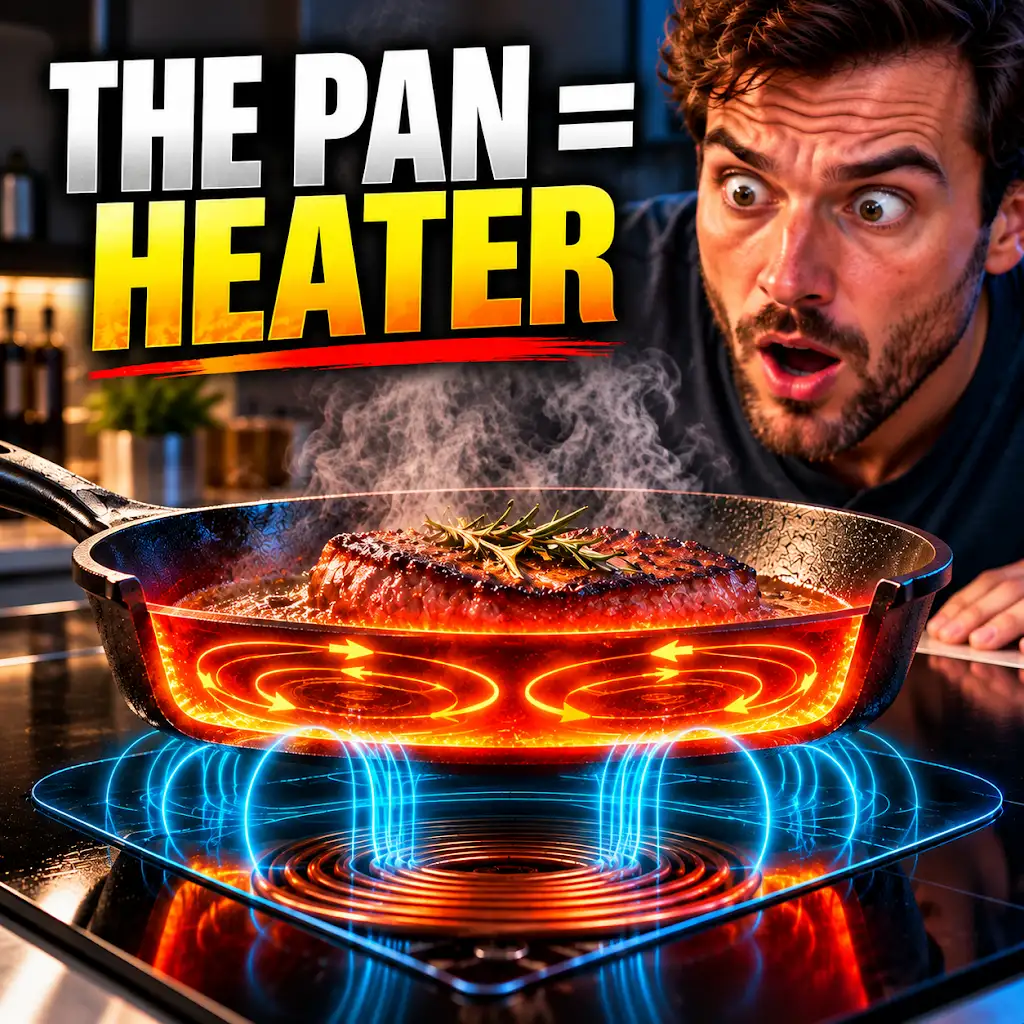
The Pan Is the Heater: How Induction Cooking Really Works
FAQs
What is an induction cooktop?
An induction cooktop is a type of stove that uses electromagnetic energy to heat cookware directly, without the need for a traditional heating element like gas or electric coils.
How do induction cooktops heat cookware?
Induction cooktops generate an electromagnetic field that creates resistance in the cookware, causing it to heat up. This process is efficient and allows for precise control over the cooking temperature.
Are induction cooktops energy efficient?
Yes, induction cooktops are known for their energy efficiency. They heat up quickly and only transfer heat to the cookware, resulting in less wasted energy compared to traditional stoves.
What types of cookware can be used on an induction cooktop?
Cookware must be made of a magnetic material, such as cast iron or stainless steel, to work on an induction cooktop. Non-magnetic materials like aluminum or copper will not heat up on an induction stove.
Are there any safety concerns with using an induction cooktop?
Induction cooktops are generally safe to use, as they do not produce an open flame or direct heat. However, the cookware can become very hot during cooking, so it’s important to use caution and handle with care.