
The Invisible Sorcery of Cooling Your Home
You’re probably sitting in your living room, enjoying the blissful coolness that your central air conditioning system provides. But have you ever stopped to wonder how this magical box of whirring parts actually transforms that stifling, humid air into the crisp, refreshing breeze you crave? It’s not magic, of course, but a clever application of physics and thermodynamics. Understanding the science behind your AC’s heat removal process isn’t just for the technically inclined; it empowers you to appreciate your system, troubleshoot minor issues, and even make more informed decisions when it comes to maintenance and upgrades.
At its core, your central air conditioner doesn’t “create” cold air. Instead, it acts as a sophisticated heat mover, orchestrating a complex dance of refrigerant, pressure, and phase changes to extract heat from your indoor environment and expel it outside. Think of it like a sophisticated plumbing system for heat, but instead of water, it’s circulating a special fluid called refrigerant. This fluid has a remarkable ability to absorb heat when it’s in a liquid state and release it when it transitions into a gaseous state, and vice versa. This fundamental principle is the bedrock of all refrigeration and air conditioning technology.
Central air conditioning systems are designed to efficiently remove heat from indoor spaces, providing comfort during hot weather. To understand the mechanics behind this process, you can explore a related article that delves into the science of heat removal and the components involved in central air conditioning systems. For more detailed information, visit this article.
The Four Pillars of Heat Extraction: A System in Action
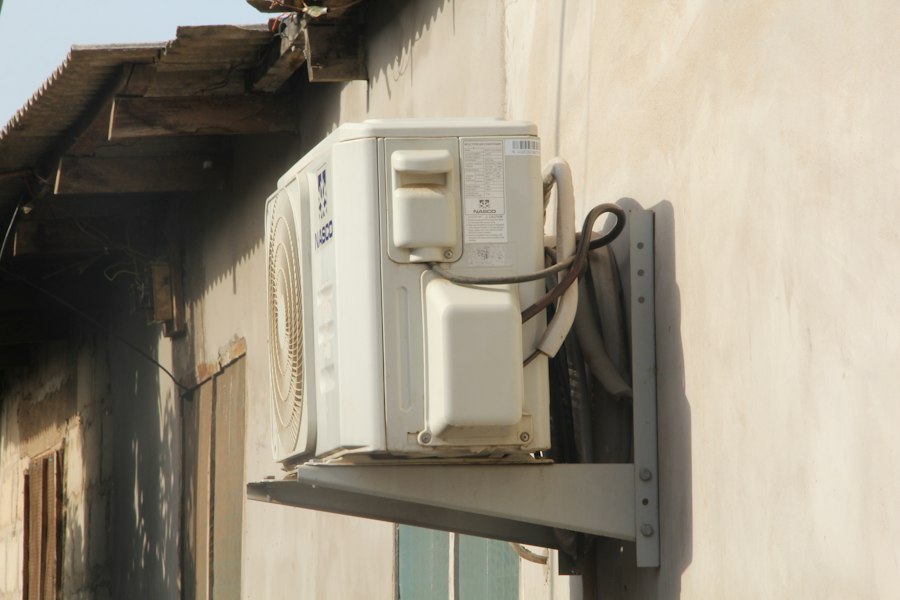
Your central air conditioning system is not a single unit but a partnership between two main components: the indoor unit (often called the air handler or furnace) and the outdoor unit (the condenser). These two work in tandem, connected by copper lines carrying the refrigerant. The process of removing heat is a cyclical one, involving four key stages that repeatedly occur to maintain your desired indoor temperature. Understanding these stages is crucial to grasping the overall operation.
The Evaporator Coil: The Indoor Heat Sponge
The journey of heat removal begins indoors, within your air handler. Here, you’ll find a crucial component known as the evaporator coil. This is a series of tightly wound metal tubes, often covered in fins to increase surface area. As your thermostat signals the need for cooling, the AC system begins its work. A fan within the air handler draws warm, humid air from your home through return vents. This air is then forced over the cold evaporator coil.
The magic happens here. The refrigerant flowing through the evaporator coil is under low pressure and is in a liquid state, ready to absorb heat. As the warm indoor air passes over the coil, the heat from the air is transferred to the refrigerant. This heat absorption causes the refrigerant to “evaporate,” changing from a liquid to a low-pressure gas. This is analogous to water boiling and turning into steam, but it happens at a much lower temperature due to the specific properties of the refrigerant. As the refrigerant absorbs the heat, the air passing over the coil is cooled.
The Refrigerant’s Journey: From Gas to Liquid and Back
Once the refrigerant has absorbed the heat and turned into a low-pressure gas in the evaporator coil, it embarks on its journey to the outdoor unit. This gaseous refrigerant travels through insulated copper tubing, carrying the absorbed heat with it. This is where the “heat moving” aspect of the AC truly comes into play. The refrigerant acts as the vehicle, transporting the unwanted thermal energy from your living space to the exterior of your home.
The transition from gas back to liquid is equally important. As the gaseous refrigerant reaches the outdoor unit, it encounters a device called the compressor. The compressor is the powerhouse of the AC system, and its primary role is to significantly increase the pressure of the refrigerant gas. This increase in pressure has a crucial effect: it also dramatically raises the temperature of the refrigerant. It’s now a hot, high-pressure gas, ready to shed its heat.
The Condenser Coil: Releasing the Captured Heat
The hot, high-pressure refrigerant gas then flows into another set of coils located in the outdoor unit, known as the condenser coil. Similar to the evaporator coil, the condenser coil has fins to maximize surface area. However, the purpose here is the opposite. As the hot refrigerant gas circulates through the condenser coil, it is exposed to the cooler outside air. A powerful fan in the outdoor unit blows ambient air across these coils, facilitating the transfer of heat from the refrigerant to the outside environment.
As the refrigerant releases its heat to the outside air, its temperature drops. Crucially, at this point, the refrigerant also transitions back from a gaseous state to a high-pressure liquid state. This phase change is vital because it allows the refrigerant to absorb more heat when it returns to the evaporator coil inside your home. It’s a continuous cycle of evaporation and condensation, each stage facilitating the movement of heat.
The Expansion Valve: Controlling the Flow and Pressure
Bridging the gap between the high-pressure liquid refrigerant leaving the condenser and the low-pressure liquid refrigerant entering the evaporator is the expansion valve, also known as a metering device. This small but critical component acts as a throttle, restricting the flow of refrigerant and causing a significant drop in its pressure. As the high-pressure liquid refrigerant passes through the tiny orifice of the expansion valve, it instantly cools down. This rapid cooling prepares the refrigerant to absorb heat once again when it reaches the evaporator coil.
The expansion valve plays a vital role in regulating the entire system. It ensures that the correct amount of refrigerant flows at the right pressure to maintain optimal cooling efficiency. Without it, the pressure would remain too high, and the refrigerant wouldn’t be able to effectively absorb heat indoors. It’s the gatekeeper of the cooling cycle, ensuring the refrigerant is in the perfect state to begin its heat-absorbing mission anew.
The Role of Refrigerant: The Lifeblood of Cooling
The star player in your central AC system, the very substance that makes cooling possible, is the refrigerant. You might have heard of different types of refrigerants over the years, like R-22 (Freon), which is being phased out due to its environmental impact, and newer, more eco-friendly alternatives like R-410A. Regardless of the specific chemical compound, all refrigerants share fundamental properties that make them ideal for air conditioning.
Phase Change Principles: Absorbing and Releasing Energy
The ability of a refrigerant to undergo phase changes – from liquid to gas and back again – at the operating temperatures and pressures of your AC system is paramount. When the refrigerant is in a liquid state at low pressure within the evaporator coil, it readily absorbs heat from the warmer indoor air. This absorption of energy drives the phase change into a gas. Conversely, when the refrigerant is a hot gas at high pressure, it easily releases that absorbed energy to the cooler outside air in the condenser coil, reverting back to a liquid. This continuous cycle of absorption and release is the essence of how your AC cools your home.
Pressure and Temperature: A Direct Relationship
A key principle at play is the direct relationship between pressure and temperature for a given substance. In your AC system, the compressor artificially increases the pressure of the refrigerant gas. This increased pressure directly leads to a higher temperature. Conversely, the expansion valve artificially lowers the pressure, resulting in a significant drop in temperature. This manipulation of pressure is how the AC system controls the temperature at which the refrigerant boils (evaporates) and condenses, ensuring it operates efficiently to absorb indoor heat and release outdoor heat.
Beyond the Core Components: Ancillary Systems and Their Contributions
While the evaporator coil, compressor, condenser coil, and expansion valve form the heart of your central AC, several other components and systems play crucial supporting roles in the overall heat removal process and system efficiency. These often-overlooked elements contribute significantly to your comfort and the longevity of your air conditioner.
The Fan’s Dual Duty: Airflow Indoors and Outdoors
You might think of fans as simple air movers, but in an AC system, they are indispensable. The indoor fan, usually part of the air handler, is responsible for drawing warm air from your home and pushing it across the cold evaporator coil. The efficiency of this airflow directly impacts how quickly and effectively your home is cooled. A weak or obstructed airflow can lead to poor cooling performance and increased strain on the system.
The outdoor fan, located in the condenser unit, is equally vital. Its job is to pull ambient air across the hot condenser coils, facilitating the release of heat from the refrigerant into the outside environment. Without a strong and consistent airflow from the outdoor fan, the refrigerant would not be able to shed its heat effectively, leading to overheating and system failure. The speed of these fans is often regulated to optimize performance based on cooling demand.
The Thermostat: The Brain of the Operation
Your thermostat is the command center of your entire HVAC system. It’s the device you interact with to set your desired temperature. Internally, the thermostat contains sensors that monitor the indoor air temperature and humidity. When the measured temperature deviates from your set point, the thermostat sends signals to the AC system to begin or stop its cooling cycle. It dictates when the compressor should engage, when the fans should run, and ultimately, how long the system operates.
Modern smart thermostats go even further, learning your habits and optimizing cooling schedules for energy efficiency. Understanding how your thermostat communicates with your AC can help you troubleshoot minor issues and ensure you’re not wasting energy by setting the temperature too low or having the system run unnecessarily.
Air Filters: The Unsung Heroes of Air Quality and Efficiency
While not directly involved in the thermodynamic cycle of heat removal, the air filter in your HVAC system is a critical component for both system efficiency and your indoor air quality. The filter’s primary function is to capture dust, pollen, pet dander, and other airborne particles as air is drawn into the return vents.
A clean air filter allows for unobstructed airflow across the evaporator coil. This unimpeded airflow is essential for efficient heat transfer. A clogged filter restricts airflow, making the fan work harder, reducing cooling capacity, and increasing energy consumption. In severe cases, a severely clogged filter can lead to the evaporator coil freezing over, which will completely halt cooling and can cause damage to the system. Regular replacement of your air filter is one of the simplest and most effective maintenance tasks you can perform to ensure your AC operates efficiently and effectively removes heat.
Central air conditioning systems are designed to efficiently remove heat from indoor spaces, creating a comfortable environment during hot weather. By circulating refrigerant through coils, these systems absorb heat from the air inside your home and release it outside, effectively lowering the indoor temperature. For a deeper understanding of the science behind this process, you can explore a related article that delves into the mechanics of air conditioning and its impact on energy consumption. Check it out here: Freaky Science.
Maintaining Peak Performance: Keeping Your AC Efficient
| Component | Function | Heat Removal Mechanism | Typical Temperature Change | Energy Metric |
|---|---|---|---|---|
| Evaporator Coil | Absorbs heat from indoor air | Refrigerant evaporates, absorbing heat | Air cooled by 15-20°F (8-11°C) | BTU/hr (cooling capacity) |
| Compressor | Compresses refrigerant gas | Increases refrigerant pressure and temperature | Raises refrigerant temp by ~30-40°F (17-22°C) | Watts (power consumption) |
| Condenser Coil | Releases heat to outside air | Refrigerant condenses, releasing heat | Outdoor air temp increased by 5-10°F (3-6°C) | BTU/hr (heat rejected) |
| Expansion Valve | Regulates refrigerant flow | Reduces refrigerant pressure and temperature | Refrigerant temp drops by ~20-30°F (11-17°C) | N/A |
| Air Handler/Fan | Circulates indoor air over evaporator | Facilitates heat transfer from air to refrigerant | Air velocity: 400-600 CFM (cubic feet per minute) | CFM (airflow rate) |
Understanding how your central AC removes heat is one thing, but ensuring it continues to do so efficiently requires proper maintenance. Neglecting your system can lead to decreased performance, higher energy bills, and costly repairs down the line. A well-maintained AC system will not only keep you cooler but will also operate more reliably and last longer.
Regular Inspections and Professional Tune-Ups
Just like your car, your central air conditioner benefits greatly from regular inspections and professional tune-ups. A qualified HVAC technician can perform a thorough check of all components, ensuring they are functioning correctly. This typically includes checking refrigerant levels, cleaning coils, inspecting electrical connections, lubricating moving parts, and testing the thermostat.
These tune-ups are proactive measures designed to catch potential problems before they escalate. A technician can identify minor issues, such as a slight refrigerant leak or a dirty coil, that might not be immediately apparent but can significantly impact efficiency over time. Early detection and correction of these issues can save you from more significant and expensive repairs later on.
Coil Cleaning: The Key to Efficient Heat Transfer
As mentioned earlier, the evaporator and condenser coils are where the magic of heat transfer happens. However, over time, these coils can accumulate dirt, dust, and debris. On the evaporator coil, this buildup can act as an insulator, preventing it from effectively absorbing heat from the indoor air. On the condenser coil, dirt hinders its ability to release heat to the outside air.
Both indoor and outdoor coils should be cleaned regularly. While some homeowners might attempt a superficial cleaning of the outdoor unit, a professional cleaning of both coils is recommended. Technicians have the specialized tools and cleaning solutions to ensure thorough cleaning without damaging the delicate fins of the coils. Clean coils mean more efficient heat transfer, leading to better cooling and lower energy bills.
Refrigerant Management: The System’s Vital Fluid
Refrigerant is the lifeblood of your AC system. It’s a closed loop, meaning the refrigerant should theoretically stay within the system indefinitely. However, small leaks can occur over time, leading to a drop in refrigerant levels. Low refrigerant levels compromise the system’s ability to cool effectively and can cause the compressor to overheat, leading to premature failure.
Only a certified HVAC technician can legally and safely handle refrigerants. If you suspect a refrigerant leak, it’s crucial to call a professional. They can detect the leak, repair it, and then properly recharge the system with the correct type and amount of refrigerant. It’s important to note that refrigerant is not something that gets “used up” like gasoline; it circulates continuously. If your system needs frequent refrigerant top-offs, it indicates a leak that needs to be addressed.
Embracing the Cool: The Reward of Understanding
By demystifying the process of how your central air conditioner removes heat, you gain a deeper appreciation for this complex yet essential piece of home comfort technology. You understand that it’s not simply conjuring cold air from thin air but is a sophisticated system leveraging fundamental principles of thermodynamics. This knowledge empowers you to be a more informed homeowner, capable of basic troubleshooting, understanding your technician’s advice, and making smart decisions about maintaining your system for optimal performance and longevity. So, the next time you feel that wave of cool air wash over you, remember the intricate journey of the refrigerant, the silent work of the coils, and the power of a well-orchestrated system that keeps you comfortable, season after season.