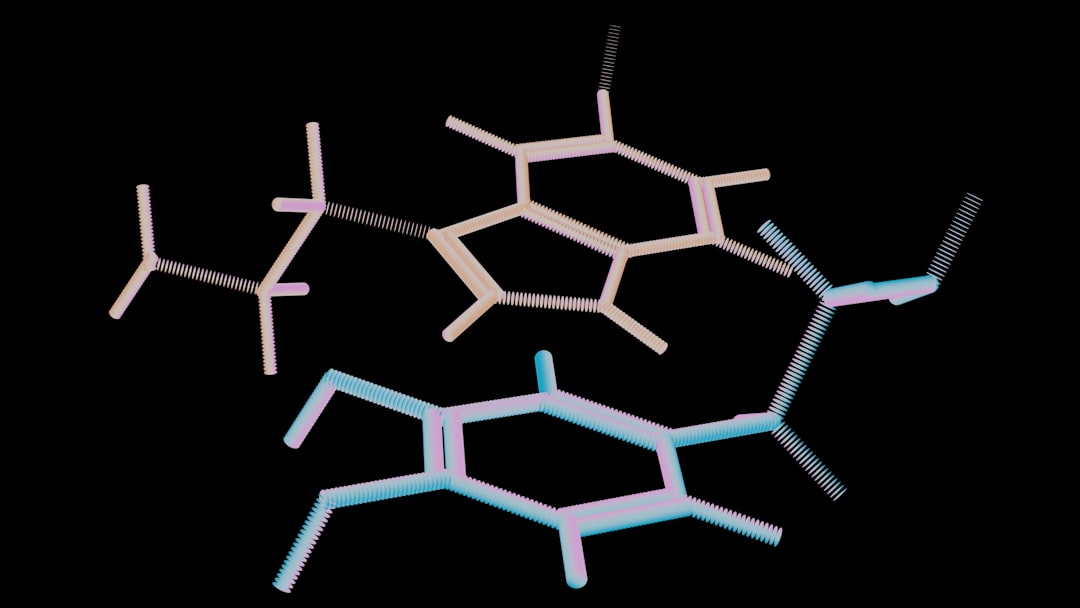
You’re probably familiar with serotonin. It’s often called the “happy chemical,” a neurotransmitter fundamental to your mood, sleep, appetite, and even learning. When you hear about serotonin, you likely think of your brain. But what if I told you that a vast majority of your body’s serotonin isn’t produced in your brain at all, but resides in your gut? This is where the complex and fascinating world of gut serotonin, the key to your mental health, truly unfolds.
It’s startling, but it’s true: upwards of 90% of your body’s serotonin is manufactured and stored within the lining of your gastrointestinal tract. This isn’t a fluke; it’s a sophisticated biological design. Your gut, a bustling ecosystem of trillions of microorganisms and intricate cellular machinery, plays a far more significant role in your overall health, including your mental well-being, than you might have ever realized. Understanding this gut-brain axis, and the role of serotonin within it, is crucial for unlocking a deeper understanding of your mental state.
The Enteric Nervous System: Your Second Brain
You possess a remarkably complex nervous system within your gut, often referred to as the “enteric nervous system” (ENS). This ENS is so densely packed with neurons that it’s earned the moniker “your second brain.” It operates largely independently of your central nervous system (CNS), allowing your gut to digest food, absorb nutrients, and even communicate with itself without constant input from your head. This independent operation, however, doesn’t mean it’s isolated. The ENS is in constant dialogue with your brain, influencing everything from your hunger cues to your emotional responses.
The Gut’s Intricate Neuronal Network
The ENS comprises millions of nerve cells, woven into a complex network that extends from your esophagus all the way down to your rectum. These neurons communicate with each other using a variety of neurotransmitters, including serotonin. This intricate web is responsible for controlling the muscular contractions that move food through your digestive tract (peristalsis), the release of digestive enzymes, and the absorption of nutrients. Its sophistication is such that even if its connection to the brain were severed, the gut could still perform many of its basic functions.
Communication Between Gut and Brain
The flow of information between your gut and your brain is a bidirectional highway. Hormones, neurotransmitters, and immune signals constantly travel in both directions, shaping your mood, stress levels, and even your appetite. Your gut can directly influence your brain’s emotional processing and cognitive functions, and conversely, your brain can impact gut motility, secretions, and the permeability of the gut lining. Serotonin, produced in abundance in the gut, is a major player in this communication.
Serotonin’s Duel Role: Gut Function and Mood Regulation
While we often associate serotonin solely with our brains, its presence and function in the gut are equally vital. In your intestines, serotonin acts as a crucial signaling molecule, influencing a wide spectrum of digestive processes. Simultaneously, this gut-produced serotonin has a profound, albeit indirect, impact on your brain and, consequently, your mental state.
Serotonin in the Gut: More Than Just Digestion
In your gut, enterochromaffin (EC) cells, specialized cells lining the intestinal mucosa, are the primary producers of serotonin. These cells are remarkably responsive to mechanical stimuli (like the presence of food) and chemical signals. Once synthesized, serotonin is stored in granules within these EC cells. When stimulated, these cells release serotonin into the gut lumen or the bloodstream.
Mechanical Stimulation and Serotonin Release
The physical act of food moving through your digestive tract is a significant trigger for serotonin release. As food stretches the intestinal walls, it activates mechanosensitive ion channels in the EC cells, leading to a cascade of events that culminate in serotonin exocytosis. This released serotonin then binds to specific serotonin receptors on nerve endings and other cells within the gut wall.
Chemical Signals and Serotonin Modulation
Various chemical signals, including nutrients from digested food and molecules produced by gut bacteria, can also influence serotonin release from EC cells. This intricate interplay allows your gut to fine-tune its digestive processes based on the type and amount of food you consume, and the microbial composition within it.
Serotonin’s Impact on Gut Motility
One of serotonin’s primary roles in the gut is regulating motility – the coordinated contractions that propel food along your digestive tract. Serotonin can stimulate both forward (peristaltic) and backward (antiperistaltic) movements. It also plays a role in sphincter function, controlling the passage of food between different sections of the gut. Disruptions in gut serotonin signaling can lead to issues like constipation, diarrhea, and irritable bowel syndrome (IBS).
Secretion and Absorption Fine-Tuning
Beyond motility, gut serotonin influences the secretion of water and electrolytes into the intestinal lumen, and the absorption of nutrients. It acts by modulating the activity of the cells responsible for these functions, ensuring efficient digestion and nutrient uptake.
The Gut-Brain Axis: Serotonin’s Indirect Influence on Mood
While gut serotonin primarily functions locally within the intestines, its influence extends to your brain and mental health through several mechanisms. The gut and brain are in constant communication, and disruptions in gut serotonin can have far-reaching consequences for your emotional well-being.
The Vagus Nerve: The Silent Messenger
The vagus nerve is a major component of the autonomic nervous system, acting as a direct communication line between your brain and your gut. It transmits sensory information from the gut to the brain, including signals related to gut distension, nutrient content, and inflammation, all of which can be influenced by gut serotonin. Electrical and chemical signals generated by gut serotonin can activate vagal afferent fibers, sending messages to the brain that can impact mood, anxiety, and stress responses.
Gut Microbiota’s Role in Serotonin Metabolism
Your gut is home to trillions of microorganisms, collectively known as the gut microbiota. These bacteria are not passive inhabitants; they actively participate in your body’s metabolism, including the production and metabolism of serotonin. Certain gut bacteria can produce precursors for serotonin synthesis or even directly influence the activity of EC cells. A healthy and diverse gut microbiota is associated with balanced serotonin levels, while dysbiosis (an imbalance of gut bacteria) can disrupt serotonin signaling and contribute to mental health issues.
Systemic Effects of Gut Serotonin
While most gut serotonin acts locally, a portion can be absorbed into the bloodstream. However, serotonin does not easily cross the blood-brain barrier, meaning that the serotonin produced in your gut likely doesn’t directly enter your brain in significant quantities to directly exert its mood-lifting effects there. Instead, its influence on brain function is more nuanced, mediated by the vagus nerve, immune signaling, and the interplay with the gut microbiota.
Recent studies have shed light on the intricate relationship between gut health and serotonin production, highlighting how the gut microbiome influences mood and mental well-being. For a deeper understanding of this connection, you can explore the article titled “Gut Serotonin Explained” on Freaky Science, which delves into the mechanisms by which gut bacteria affect serotonin levels and, consequently, emotional health. To read more about this fascinating topic, visit Freaky Science.
Stress and the Gut-Serotonin Connection
The relationship between stress and your gut is a two-way street. Chronic stress can significantly disrupt gut function, including serotonin production and signaling. Conversely, an unhealthy gut environment, potentially due to dysregulated serotonin, can exacerbate stress responses and contribute to anxiety and depression.
How Stress Affects Gut Serotonin
When you experience stress, your body releases stress hormones like cortisol and adrenaline. These hormones can directly impact the EC cells in your gut, altering serotonin synthesis and release. Chronic stress can lead to both an increase and a decrease in gut serotonin levels, depending on the duration and nature of the stressor, and the specific part of the gut being affected.
Cortisol’s Influence on EC Cells
Cortisol, a primary stress hormone, has been shown to modulate the activity of EC cells. In some instances, it can increase serotonin production, potentially as a short-term measure to cope with the stressor. However, prolonged exposure to high cortisol levels can lead to desensitization of serotonin receptors or other imbalances, disrupting normal gut function and contributing to mood disturbances.
Adrenaline and Gut Motility
Adrenaline, released during acute stress, can rapidly alter gut motility, often leading to a slowing down of digestion as blood is diverted to essential organs. This physiological response can indirectly affect serotonin release and signaling, further contributing to gastrointestinal discomfort and stress-related digestive issues.
Gut Dysbiosis and Stress Amplification
An imbalanced gut microbiota, often referred to as dysbiosis, can create a state of chronic inflammation within the gut. This inflammation can trigger the release of inflammatory cytokines, which can then influence brain function and exacerbate stress responses. Furthermore, dysbiosis can impair the production of short-chain fatty acids (SCFAs), beneficial compounds produced by gut bacteria that play a role in both gut and brain health. Serotonin production and signaling can be significantly impacted by these dysbiotic conditions, creating a vicious cycle where gut issues amplify stress and mental distress.
The Gut Microbiome: A Serotonin Regulator
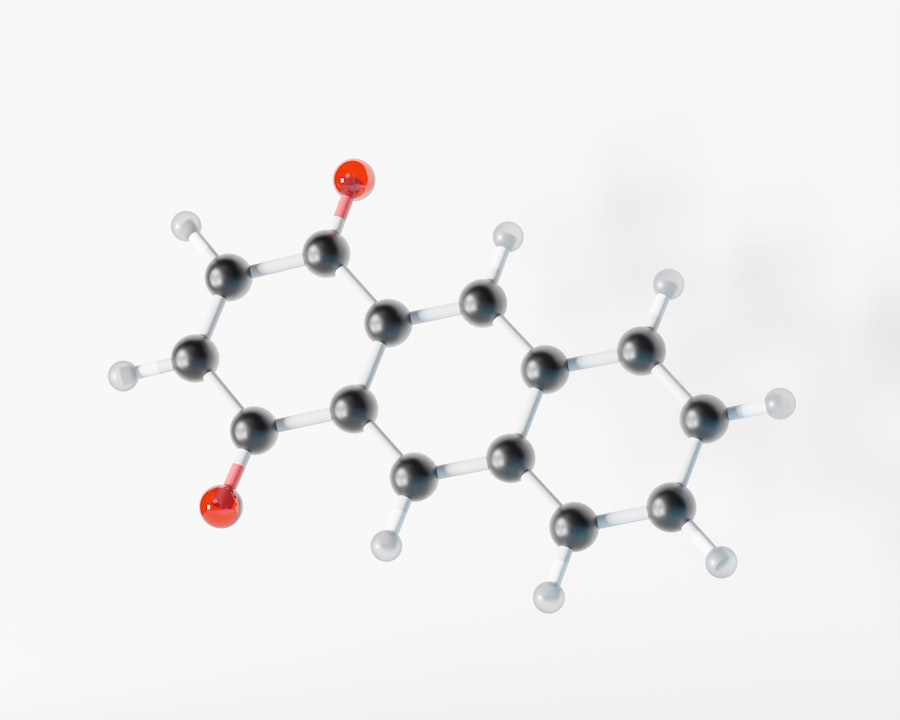
Your gut bacteria are not just passengers; they are active participants in your body’s chemistry, and they have a significant stake in serotonin production and regulation. The intricate relationship between your gut microbiome and serotonin is a cornerstone of the gut-brain axis.
Bacteria and Serotonin Synthesis
Certain species of bacteria residing in your gut possess enzymes that can convert tryptophan, an essential amino acid, into serotonin. While your EC cells are the primary producers in the gut, these bacteria contribute to the overall pool of serotonin available for signaling within the intestinal environment.
Tryptophan Metabolism by Gut Microbes
Tryptophan is a precursor molecule for both serotonin and kynurenine, another pathway that has implications for brain health and inflammation. The balance of gut bacteria plays a crucial role in determining how tryptophan is metabolized. A healthy microbiome can favor the pathway leading to serotonin production, while an imbalanced microbiome might shunt more tryptophan towards the kynurenine pathway, potentially leading to reduced serotonin availability and increased inflammation.
Influence on EnteroChromaffin Cells
Beyond direct serotonin synthesis, gut bacteria can indirectly influence EC cells. They can produce metabolites that signal to EC cells, modulating their serotonin release in response to stimuli. This means that the composition of your gut bacteria can directly impact how your gut responds to food and other environmental factors, leading to downstream effects on your mood.
Fecal Microbiota Transplantation (FMT) and Serotonin
Studies involving fecal microbiota transplantation (FMT), a procedure where fecal matter from a healthy donor is introduced into a recipient’s gut, have provided compelling evidence for the microbiome’s impact on serotonin. In some cases, FMT has been shown to improve mood and anxiety symptoms in individuals with certain conditions, and these improvements have been correlated with changes in gut serotonin metabolism. This suggests that by restoring a healthy microbial balance, one can positively influence serotonin pathways.
Serotonin Imbalances and Mental Health Conditions
When the delicate balance of serotonin in your gut is disrupted, it can have profound consequences for your mental health. While the exact mechanisms are complex and still being researched, there’s a growing understanding of how gut serotonin issues contribute to various mood disorders.
Depression and Anxiety: More Than Just Brain Chemistry
For decades, depression and anxiety were primarily viewed as disorders of brain chemistry, with a focus on low serotonin levels in the brain. However, the discovery of the gut’s central role in serotonin production has led to a paradigm shift. Researchers are now exploring how gut serotonin dysregulation might contribute to these conditions, either by affecting the gut-brain axis indirectly or by influencing the overall neurochemical environment.
Reduced Gut Serotonin and Mood Disorders
Studies have observed alterations in gut serotonin levels in individuals diagnosed with depression and anxiety. Some research suggests that reduced serotonin production or impaired signaling in the gut might be linked to an inability of the gut to effectively signal to the brain, leading to mood disturbances. Conversely, some conditions might involve an overproduction or hypersensitivity to gut serotonin, contributing to discomfort and anxiety.
Irritable Bowel Syndrome (IBS) and Mental Health
Irritable Bowel Syndrome (IBS) is a common gastrointestinal disorder characterized by abdominal pain, bloating, diarrhea, and/or constipation. It’s often accompanied by a heightened prevalence of anxiety and depression. Given the significant role of serotonin in gut motility and sensation, it’s not surprising that dysregulation of gut serotonin is a key factor in IBS pathogenesis. The chronic gut discomfort and associated dysbiosis can create a feedback loop that negatively impacts mental well-being.
The Kynurenine Pathway and Depression
As mentioned earlier, tryptophan can be shunted down the kynurenine pathway, especially during inflammation. The kynurenine pathway produces metabolites that can directly impact brain function and neurotransmitter systems. Excessive activation of this pathway, often seen during states of chronic stress and inflammation, can lead to a depletion of serotonin precursors and the accumulation of neurotoxic metabolites, which have been implicated in the development of depression. The gut microbiome plays a crucial role in modulating the flux through the kynurenine pathway.
Recent research has shed light on the fascinating connection between gut health and serotonin production, revealing that a significant portion of the body’s serotonin is actually produced in the gastrointestinal tract. This intricate relationship highlights the importance of maintaining a healthy gut microbiome for overall mental well-being. For those interested in exploring this topic further, you can read more about it in this insightful article on gut serotonin, which delves into the mechanisms behind this connection. Check it out here to learn more about how gut health influences mood and behavior.
Nourishing Your Gut for a Healthier Mind
| Aspect | Explanation |
|---|---|
| Role | Serotonin in the gut helps regulate intestinal movements and secretion, and also plays a role in appetite and digestion. |
| Production | The majority of serotonin in the body is produced in the gut by enterochromaffin cells. |
| Connection to Brain | Gut serotonin can communicate with the brain through the gut-brain axis, influencing mood and behavior. |
| Impact on Health | Imbalances in gut serotonin levels have been linked to gastrointestinal disorders, such as irritable bowel syndrome (IBS). |
The good news is that you have significant power to influence your gut health and, by extension, your mental well-being through lifestyle choices, particularly your diet. By understanding how to nourish your gut, you can actively contribute to a more balanced serotonin system.
Dietary Interventions for Gut Serotonin
What you eat directly impacts your gut microbiome and the production of serotonin. Focusing on a diet rich in fiber, prebiotics, and probiotics can create a favorable environment for beneficial bacteria, which in turn can support healthy serotonin levels.
Fiber: Fuel for Your Microbes
Dietary fiber, found in fruits, vegetables, whole grains, and legumes, serves as fuel for your gut bacteria. These beneficial microbes ferment fiber to produce short-chain fatty acids (SCFAs), which have anti-inflammatory properties and can positively influence the gut-brain axis. Including a variety of fiber sources in your diet is crucial for maintaining a diverse and healthy gut microbiome.
Prebiotics and Probiotics: Cultivating a Balanced Ecosystem
- Prebiotics: These are non-digestible fibers that selectively stimulate the growth and activity of beneficial bacteria in your gut. Examples include inulin, found in onions, garlic, and leeks, and resistant starch, found in cooked and cooled potatoes and rice.
- Probiotics: These are live beneficial bacteria that, when consumed in adequate amounts, confer a health benefit to the host. They can be found in fermented foods like yogurt, kefir, kimchi, and sauerkraut, or taken as supplements. Probiotic strains are important, as different strains have varying effects on gut health and serotonin metabolism.
Tryptophan-Rich Foods: Building Blocks for Serotonin
While more direct evidence is needed for the conversion of dietary tryptophan to brain serotonin, consuming tryptophan-rich foods can support overall serotonin production in the gut and body. Good sources include lean meats, poultry, eggs, dairy products, nuts, seeds, and legumes. However, it’s important to remember that a balanced diet with sufficient carbohydrates can help tryptophan cross the blood-brain barrier more effectively for brain serotonin synthesis.
Lifestyle Factors: Beyond Diet
It’s not just about what you eat. Other lifestyle factors significantly influence your gut health and, consequently, your serotonin balance.
Stress Management Techniques
As discussed, stress wreaks havoc on your gut. Incorporating stress-management techniques into your daily routine is paramount. This can include mindfulness meditation, deep breathing exercises, yoga, spending time in nature, or engaging in hobbies you enjoy. By reducing your stress load, you can create a more harmonious environment for your gut.
Regular Exercise
Consistent physical activity has been shown to positively impact the gut microbiome and reduce inflammation. Exercise can also contribute to improved mood and reduced anxiety, potentially by influencing serotonin pathways, both in the brain and indirectly through the gut. Aim for at least 150 minutes of moderate-intensity aerobic exercise or 75 minutes of vigorous-intensity exercise per week, along with muscle-strengthening activities.
Adequate Sleep
Sleep is crucial for overall health, and your gut is no exception. During sleep, your body undergoes repair processes, and your gut microbiome can be influenced by sleep patterns. Chronic sleep deprivation can disrupt gut function and immune responses, potentially affecting serotonin levels. Prioritizing 7-9 hours of quality sleep per night is essential for maintaining a healthy gut-brain connection.
In conclusion, understanding your gut serotonin is not just an academic exercise; it’s a powerful key to unlocking and maintaining your mental health. By recognizing the intricate connection between your digestive system and your brain, and by actively nurturing your gut through diet and lifestyle, you empower yourself to foster greater emotional balance and overall well-being. Your gut, your complex ecosystem, is a vital partner in your journey to a happier, healthier you.

The Hidden Sense Inside Your Gut
FAQs
What is gut serotonin?
Gut serotonin, also known as 5-hydroxytryptamine (5-HT), is a neurotransmitter that is primarily found in the gastrointestinal tract. It plays a key role in regulating various physiological processes such as gut motility, secretion, and sensation.
How is gut serotonin produced?
Gut serotonin is primarily produced by enterochromaffin cells in the lining of the gastrointestinal tract. These cells convert the amino acid tryptophan into serotonin with the help of an enzyme called tryptophan hydroxylase.
What are the functions of gut serotonin?
Gut serotonin plays a crucial role in regulating gut motility, secretion, and sensation. It also influences appetite, mood, and bone metabolism. Additionally, gut serotonin has been implicated in various gastrointestinal disorders such as irritable bowel syndrome (IBS) and inflammatory bowel disease (IBD).
How does gut serotonin affect mood?
Gut serotonin is often referred to as the “happy hormone” because it is involved in regulating mood and emotions. It is estimated that about 90% of the body’s serotonin is produced in the gut, and it is believed to play a role in the gut-brain axis, influencing mood and behavior.
What factors can influence gut serotonin levels?
Various factors can influence gut serotonin levels, including diet, gut microbiota, and certain medications. For example, a diet high in tryptophan can increase serotonin production, while alterations in the gut microbiota can also impact serotonin levels. Additionally, certain medications such as selective serotonin reuptake inhibitors (SSRIs) can affect gut serotonin levels.