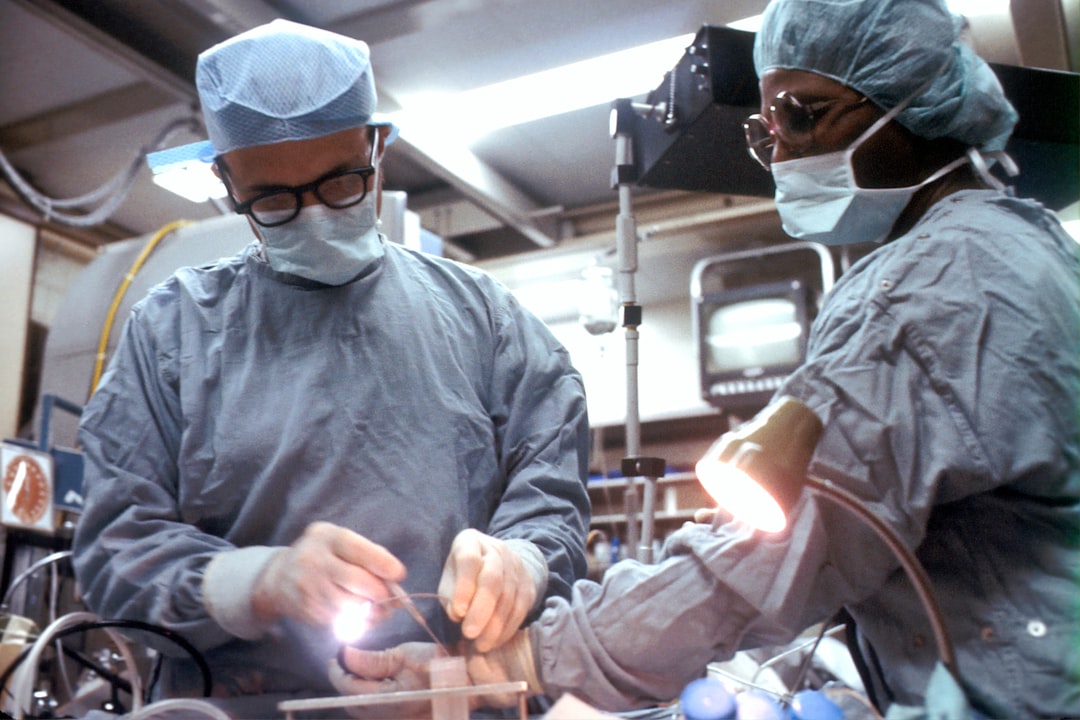
You’ve likely heard the terms “general anesthesia” and “sleep” used interchangeably at times, and it’s easy to see why. Both involve a state of unconsciousness and an inability to recall what happened during that time. However, as you’ll discover, these are fundamentally different states with distinct biological processes, purposes, and risks. Understanding these differences is crucial, especially if you’re facing a medical procedure requiring anesthesia. This article aims to demystify general anesthesia and help you grasp how it differs from the restorative process of natural sleep.
It’s the most obvious shared characteristic: you’re unconscious. When you’re put under general anesthesia, your awareness of the world vanishes. Similarly, when you drift off to sleep, your conscious perception of your surroundings ceases. This shared experience of being unaware is the bedrock of the confusion. You don’t remember the surgeon’s actions, the sounds of the operating room, or even the moment you lost consciousness. This amnesia is also a hallmark of deep sleep, where you might wake up with no recollection of the hours you were asleep.
Loss of Responsiveness: A Superficial Connection
Another point of similarity lies in your reduced responsiveness to external stimuli. During both states, you won’t react to light touches, gentle sounds, or even being spoken to. If someone were to tickle your foot while you were in deep sleep or under anesthesia, you wouldn’t flinch. This apparent lack of reaction can lead to the assumption that the underlying mechanism is the same. However, the reasons for this unresponsiveness are vastly different. In sleep, it’s a protective mechanism allowing your body and brain to rest and repair. Under anesthesia, it’s a deliberately induced state to prevent pain and movement during surgery.
The Role of Memory: A Crucial Distinction
While both states can lead to amnesia, the nature and completeness of that amnesia are key differentiators. With natural sleep, especially lighter stages, you might have fragmented memories or dreams that surface upon waking. Even deep sleep can sometimes yield hazy recollections. General anesthesia, on the other hand, aims for complete anterograde amnesia – meaning you cannot form new memories from the moment the anesthetic takes effect until it wears off. This is a critical safety feature during surgery, preventing you from experiencing or remembering any potentially distressing events.
The Underlying Biology: Where the Paths Diverge
Despite these surface-level similarities, the biological mechanisms driving sleep and general anesthesia are profoundly different. Sleep is a complex, endogenous (originating from within the body) process regulated by intricate neurochemical pathways and brain structures. It involves cycles of different brain wave patterns and physiological changes. General anesthesia, however, is an artificially induced state, achieved through the administration of specific drugs that target and alter brain function in a controlled manner. This fundamental difference in origin and regulation is the most significant point of divergence.
Understanding the distinction between general anesthesia and natural sleep is crucial for both medical professionals and patients. While both states involve a loss of consciousness, the mechanisms and effects on the body differ significantly. For a deeper exploration of this topic, you can read the related article on Freaky Science, which delves into the physiological differences and implications of each state. To learn more, visit Freaky Science.
Delving into General Anesthesia: A Medically Induced State
General anesthesia is not a natural bodily function; it is a carefully controlled medical intervention designed to render you unconscious, immobile, and pain-free for surgical or other medical procedures. It’s a complex pharmacological process that requires skilled professionals, primarily anesthesiologists, to manage. The goal is not just to make you unconscious but to create a safe and controlled environment for the medical team to perform their work without interference from your body’s natural reflexes.
The Purpose of General Anesthesia: Beyond Just Sleep
The primary purpose of general anesthesia is to facilitate pain-free and safe medical procedures. This includes a wide range of interventions, from routine surgeries like appendectomies and C-sections to complex cardiac surgeries and neurosurgery. Without anesthesia, many of these procedures would be impossible to perform due to the excruciating pain involved and the body’s natural defense mechanisms, such as muscle spasms and reflexes, which would hinder the surgical process.
Ensuring Patient Comfort and Safety
Beyond pain relief, general anesthesia ensures patient comfort and safety by:
- Preventing movement: This is critical for surgical precision. Imagine a surgeon trying to operate on a moving target. Anesthesia paralyzes the muscles, ensuring stillness.
- Suppressing reflexes: Your body has protective reflexes, like coughing or gagging. These can be dangerous during surgery, as they can dislodge equipment or cause injury. Anesthesia suppresses these.
- Inducing amnesia: As mentioned, preventing memory formation is vital for a positive patient experience. You won’t recall the potentially frightening aspects of surgery.
- Managing physiological stability: Anesthesiologists continuously monitor and manage your vital signs, including heart rate, blood pressure, and breathing, ensuring they remain within safe limits throughout the procedure.
The Anesthesiologist’s Role: A Guardian of Your Well-being
The anesthesiologist plays a pivotal role in the entire process of general anesthesia. They are highly trained medical doctors specializing in the administration and management of anesthetic agents. Their responsibilities include:
- Pre-operative assessment: Before your surgery, the anesthesiologist will review your medical history, conduct a physical examination, and discuss any concerns you may have. This assessment helps them tailor the anesthetic plan to your specific needs and health status.
- Induction of anesthesia: This is the process of administering the anesthetic drugs to bring you to the state of unconsciousness. This can be done intravenously (through an IV line) or by inhaling anesthetic gases.
- Maintenance of anesthesia: Throughout the procedure, the anesthesiologist constantly monitors your physiological responses and adjusts the dosage of anesthetic agents as needed to maintain the desired level of unconsciousness and pain relief.
- Emergence from anesthesia: As the surgery concludes, the anesthesiologist gradually reduces the anesthetic agents, allowing you to wake up safely. They will continue to monitor you during this recovery phase.
- Post-operative care: The anesthesiologist often oversees your immediate post-operative care, managing pain and monitoring for any complications.
The Drugs of Anesthesia: A Chemical Symphony
General anesthesia is achieved through the carefully selected administration of various anesthetic agents. These drugs work by interfering with the electrical and chemical signaling in the brain, essentially “turning down” brain activity.
Inhalational Anesthetics: The Breathing Gases
These are gaseous or volatile liquid anesthetic agents that are inhaled by the patient through a mask or breathing tube. They are commonly used to maintain anesthesia after it has been induced intravenously. Examples include:
- Sevoflurane (Ultane): A widely used and well-tolerated inhalational anesthetic.
- Desflurane (Suprane): Another commonly used agent, known for its rapid onset and offset.
- Isoflurane (Forane): An older but still effective inhalational anesthetic.
- Nitrous Oxide (Laughing Gas): Often used in combination with other agents for its analgesic (pain-relieving) properties and its ability to lighten the plane of anesthesia.
Intravenous Anesthetics: The Speedy Inducers
These drugs are administered directly into the bloodstream via an IV line. They are often used to rapidly induce anesthesia, meaning they can make you unconscious very quickly. They can also be used for shorter procedures or as part of a balanced anesthetic technique. Examples include:
- Propofol (Diprivan): A very common intravenous anesthetic known for its rapid onset and smooth induction and emergence. It’s often described as making patients feel like they’re just “falling asleep.”
- Etomidate: Often used in patients with cardiovascular instability due to its minimal impact on blood pressure.
- Ketamine: Can be used as an anesthetic agent, particularly for painful procedures, and has the unique property of providing analgesia even at sub-anesthetic doses. It can also cause dissociative effects.
- Barbiturates (e.g., Thiopental): Historically significant, but less commonly used now for induction due to the availability of agents like propofol.
Adjuvants: The Supporting Cast
In addition to the primary anesthetic agents, various other drugs, known as adjuvants, are often used to enhance the effects of anesthesia, manage specific physiological responses, or improve patient comfort. These can include:
- Opioids: To provide strong pain relief.
- Benzodiazepines: For sedation and to reduce anxiety.
- Muscle relaxants: To facilitate intubation (placement of a breathing tube) and ensure complete muscle paralysis for surgery.
- Antiemetics: To prevent nausea and vomiting.
Risks and Side Effects: Understanding the Possibilities
While general anesthesia is generally safe, like any medical procedure, it carries potential risks and side effects. Anesthesiologists are trained to minimize these risks, but it’s important for you to be aware of them.
Common and Transient Side Effects
These are typically mild and resolve on their own within a short period after the anesthesia wears off:
- Sore throat: Often due to the breathing tube inserted during surgery.
- Nausea and vomiting: A common side effect, especially with certain anesthetic agents and types of surgery.
- Dizziness and confusion: You might feel disoriented or confused for a short time after waking up.
- Shivering: Your body may shiver as it recovers its normal temperature.
- Muscle aches: Especially if muscle relaxants were used.
Less Common but More Serious Complications
These are rare, but it’s important to be informed:
- Allergic reactions: While uncommon, some individuals can have adverse reactions to anesthetic drugs.
- Breathing problems: In rare cases, individuals may have difficulty breathing after anesthesia.
- Awareness during anesthesia: This is extremely rare but involves regaining consciousness or awareness during the procedure, with potential recall. Modern anesthetic monitoring and techniques have significantly reduced this risk.
- Damage to teeth or vocal cords: This can occur during the insertion of a breathing tube.
- Malignant hyperthermia: A rare but life-threatening genetic disorder that causes a rapid and severe reaction to certain anesthetic agents.
Exploring Natural Sleep: The Body’s Essential Restorative Process
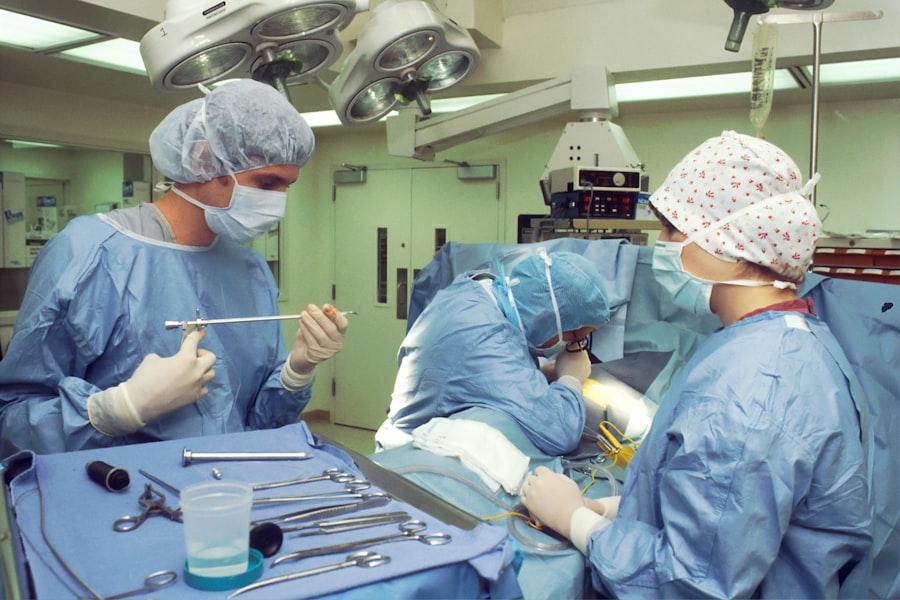
Natural sleep is a fundamental biological necessity, a complex and dynamic state that allows your body and mind to rest, repair, and rejuvenate. Unlike the medically induced state of general anesthesia, sleep is initiated and regulated by your own internal biological clock and neurochemical processes. It’s a crucial period for physical and mental restoration, impacting everything from your immune system to your cognitive function.
The Purpose of Sleep: More Than Just Resting Your Eyes
The functions of sleep are far-reaching and essential for overall health and well-being. It’s not simply a period of inactivity but a highly active process vital for:
- Physical Restoration and Repair: During sleep, your body repairs tissues, builds muscle, synthesizes proteins, and releases growth hormone. This is particularly important for athletes and individuals recovering from injury.
- Cognitive Function and Memory Consolidation: Sleep plays a critical role in learning and memory. It’s during sleep that your brain processes information gathered throughout the day, consolidates memories, and strengthens neural connections. This is why adequate sleep is essential for students and anyone needing to learn new skills.
- Emotional Regulation: Lack of sleep can significantly impact your mood, leading to increased irritability, anxiety, and even depression. Sufficient sleep helps regulate emotions and promotes emotional resilience.
- Immune System Function: Your immune system relies on sleep to function effectively. During sleep, your body produces cytokines, proteins that help fight inflammation and infection. Chronic sleep deprivation can weaken your immune defenses.
- Energy Conservation: While the energy expenditure during sleep is lower than during wakefulness, it still contributes to overall energy conservation, allowing your body to recharge for the demands of the day ahead.
The Stages of Sleep: A Rhythmic Cycle
Sleep is not a monolithic state; it’s characterized by distinct stages that cycle throughout the night. These stages are defined by different brain wave patterns, eye movements, and muscle activity. This cyclical nature is a key differentiator from the relatively uniform state induced by general anesthesia.
Non-Rapid Eye Movement (NREM) Sleep
NREM sleep is further divided into three stages, each with progressively deeper levels of sleep:
- Stage N1 (Light Sleep): This is the transitional stage between wakefulness and sleep. You might experience muscle twitches or the sensation of falling. Your brain waves begin to slow down.
- Stage N2 (Deeper Sleep): Your heart rate and body temperature decrease. Brain waves continue to slow, punctuated by brief bursts of rapid activity called sleep spindles. This stage constitutes the largest portion of your sleep.
- Stage N3 (Deep Sleep/Slow-Wave Sleep): This is the deepest stage of NREM sleep, characterized by very slow brain waves (delta waves). It is crucial for physical restoration, growth, and immune system function. It’s very difficult to wake someone from this stage.
Rapid Eye Movement (REM) Sleep
REM sleep is characterized by rapid eye movements behind closed eyelids. It’s the stage where most vivid dreaming occurs. During REM sleep:
- Brain activity is similar to wakefulness: Despite being asleep, your brain is highly active.
- Muscle paralysis (atonia): Your voluntary muscles become temporarily paralyzed to prevent you from acting out your dreams.
- Increased heart rate and breathing: These can become more irregular.
- Important for cognitive functions: REM sleep is thought to be crucial for memory consolidation, learning, and emotional processing.
These NREM and REM stages cycle approximately every 90 minutes throughout the night, with deeper NREM stages dominating the earlier part of the night and REM stages becoming longer in the later part.
Factors Influencing Sleep: Your Daily Habits Matter
Unlike anesthesia, which is dictated by medical necessity, your ability to achieve healthy, restorative sleep is influenced by a myriad of lifestyle and environmental factors.
Sleep Hygiene: The Foundation of Good Sleep
Good sleep hygiene refers to habits and practices that promote consistent, uninterrupted sleep. These include:
- Consistent Sleep Schedule: Going to bed and waking up around the same time each day, even on weekends, helps regulate your body’s natural sleep-wake cycle (circadian rhythm).
- Creating a Relaxing Bedtime Routine: Activities like reading, taking a warm bath, or listening to calming music can signal to your body that it’s time to wind down.
- Optimizing Your Sleep Environment: Ensuring your bedroom is dark, quiet, and cool can significantly improve sleep quality.
- Limiting Exposure to Screens Before Bed: The blue light emitted from electronic devices can interfere with melatonin production, a hormone that regulates sleep.
- Avoiding Caffeine and Alcohol Before Bed: These substances can disrupt sleep patterns.
- Regular Exercise: Physical activity can improve sleep, but it’s best to avoid strenuous workouts close to bedtime.
Underlying Sleep Disorders: When Help is Needed
Sometimes, despite good sleep hygiene, individuals struggle with persistent sleep problems. These can be indicative of underlying sleep disorders, which require medical attention. Common sleep disorders include:
- Insomnia: Difficulty falling asleep, staying asleep, or experiencing non-restorative sleep.
- Sleep Apnea: Repeated episodes of pauses in breathing during sleep, often accompanied by loud snoring.
- Restless Legs Syndrome (RLS): An irresistible urge to move your legs, often accompanied by uncomfortable sensations, usually worse at night.
- Narcolepsy: A chronic neurological disorder that affects the brain’s ability to regulate sleep-wake cycles, leading to excessive daytime sleepiness and sudden sleep attacks.
The Brain on Anesthesia vs. The Brain in Sleep: A Neurological Divide
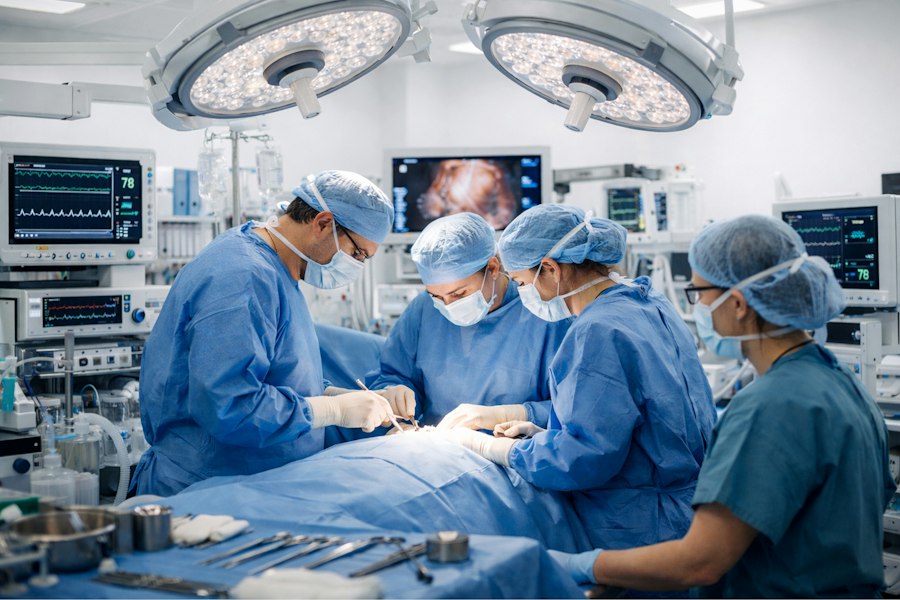
The most profound differences between general anesthesia and sleep lie in how they affect your brain. While both states involve a reduction in conscious awareness, the underlying neural mechanisms and the extent of brain activity are vastly different. Your brain is not simply “turned off” in either state; rather, its activity is modulated in distinct ways.
Anesthesia: Targeted Disruption of Neural Communication
General anesthesia achieves its effects by directly interfering with the transmission of nerve signals in the brain. Anesthetic agents act on various receptors and ion channels, disrupting the intricate communication networks that govern consciousness, pain perception, and motor control.
Specific Receptor Interactions
Anesthetic drugs target specific neurotransmitter systems and receptors in the brain. For instance:
- GABAergic System: Many anesthetics enhance the activity of gamma-aminobutyric acid (GABA), the primary inhibitory neurotransmitter in the brain. This increased inhibition leads to a widespread reduction in neuronal excitability, contributing to sedation and unconsciousness.
- Glutamatergic System: Conversely, anesthetics can also inhibit the activity of glutamate, the primary excitatory neurotransmitter. By blocking glutamate receptors, they further dampen brain activity.
- Nicotinic Acetylcholine Receptors: Some anesthetics can also affect these receptors, which are involved in arousal and cognitive function.
Brain Regions Affected
The impact of anesthesia is not uniform across the brain. Certain regions are more profoundly affected than others:
- Thalamus: This is a critical relay center for sensory information. Anesthetics can suppress activity in the thalamus, preventing sensory input from reaching the cortex and thus contributing to unconsciousness and amnesia.
- Cerebral Cortex: The outer layer of the brain, responsible for higher-level cognitive functions, is also significantly impacted. Anesthetics can disrupt the complex patterns of neural activity that underlie consciousness and awareness.
- Brainstem: While some brainstem functions are maintained to support vital life functions (breathing, heart rate), anesthetic agents can influence pathways involved in arousal and wakefulness.
Uniform Depression of Activity
In essence, general anesthesia leads to a global depression of brain activity, characterized by slow, synchronized brain waves. The specific patterns can vary depending on the anesthetic agent and the depth of anesthesia, but the overarching effect is a significant reduction in the brain’s ability to process information and generate conscious experience.
Sleep: A Dynamic and Purposeful Orchestration of Brain Activity
In contrast to the targeted disruption of anesthesia, sleep is a naturally occurring, highly orchestrated process involving distinct patterns of brain activity that serve specific restorative functions. The brain doesn’t simply shut down; rather, it reconfigures its activity to facilitate different physiological and cognitive processes.
Distinct Brain Wave Patterns
As mentioned earlier, the stages of sleep are characterized by unique brain wave patterns:
- NREM Sleep (Stages N1, N2, N3): Brain waves gradually slow down, becoming larger and more synchronized as sleep deepens. Delta waves dominate deep NREM sleep (Stage N3), indicating a state of reduced cortical activity but one that is crucial for physical repair.
- REM Sleep: Brain waves become fast and irregular, resembling those seen during wakefulness. This paradoxically active state is associated with dreaming and is vital for cognitive processes like learning and memory.
Functional Specialization During Sleep
Different brain regions and networks become more or less active depending on the sleep stage, reflecting the specific functions being carried out:
- Memory Consolidation: During both NREM and REM sleep, specific brain networks, including the hippocampus and prefrontal cortex, are actively involved in processing and consolidating memories.
- Emotional Processing: REM sleep, in particular, is thought to play a role in processing emotional experiences, helping to regulate mood and reduce the intensity of distressing memories.
- Waste Removal (Glymphatic System): Recent research suggests that during sleep, the brain’s glymphatic system becomes more active, clearing out metabolic waste products that accumulate during wakefulness. This is a crucial process for maintaining brain health.
Intricate Neurochemical Regulation
Sleep is governed by a complex interplay of neurotransmitters and hormones, including:
- Serotonin and Norepinephrine: Levels of these wakefulness-promoting neurotransmitters decrease as you fall asleep.
- Melatonin: Produced by the pineal gland, melatonin signals to the body that it’s time to sleep, particularly in response to darkness.
- Adenosine: This chemical builds up in the brain during wakefulness and promotes sleepiness.
Understanding the differences between general anesthesia and natural sleep can be quite enlightening, especially when considering their effects on the body and mind. While both states involve a form of unconsciousness, the mechanisms and purposes behind them are fundamentally different. For a deeper exploration of this topic, you can read a related article that delves into the nuances of these two states of consciousness. If you’re curious about how they compare, check out this informative piece here.
The Recovery Process: Waking from Anesthesia vs. Waking from Sleep
| Aspect | General Anesthesia | Sleep |
|---|---|---|
| Induction | Administered by an anesthesiologist | Naturally occurs |
| Depth | Deeper unconscious state | Lighter unconscious state |
| Duration | Controlled by medical professionals | Naturally varies |
| Reversibility | Reversible with specific medications | Naturally reversible |
| Effects on Body | Suppressed reflexes and pain sensation | Natural rest and restoration |
The experience of returning to consciousness after general anesthesia is markedly different from simply waking up from a night’s sleep. While both involve a transition from unconsciousness to awareness, the physiological and cognitive recovery pathways are distinct, and the lingering effects can vary significantly.
Emerging from General Anesthesia: A Gradual Re-engagement
The process of emerging from general anesthesia, often referred to as emergence, is carefully managed by the anesthesiology team. It involves a gradual reversal of the anesthetic effects, allowing your body and brain to slowly regain their normal functions.
Physiological Re-awakening
As the anesthetic agents wear off, you will begin to:
- Regain Consciousness: This is a gradual process, and you may experience a period of drowsiness and confusion.
- Resume Spontaneous Breathing: If your breathing was assisted during anesthesia, you will start to breathe on your own.
- Regain Protective Airway Reflexes: Your cough and gag reflexes will return, allowing you to protect your airway.
- Motor Function Returns: You will gradually regain the ability to move your limbs.
Post-Anesthesia Care Unit (PACU) Monitoring
Upon leaving the operating room, you will be transferred to the Post-Anesthesia Care Unit (PACU), where you will be closely monitored by nurses. This is a critical phase where the medical team assesses:
- Vital Signs: Heart rate, blood pressure, oxygen saturation, and temperature are continuously checked.
- Pain Levels: Effective pain management is a priority.
- Nausea and Vomiting: Medications are administered to prevent and treat these common side effects.
- Neurological Status: Your level of consciousness, orientation, and motor function are assessed.
Lingering Effects and Recovery Time
The duration and intensity of lingering effects depend on the type of anesthetic used, the length of the procedure, and your individual physiology. You might experience:
- Drowsiness and Fatigue: This can persist for several hours or even a day or two.
- Disorientation and Confusion: You may feel a bit “foggy” or have difficulty concentrating.
- Nausea and Vomiting: This is often managed with antiemetic medications.
- Sore Throat or Hoarseness: Due to the breathing tube.
- Muscle Aches: Particularly if muscle relaxants were used.
Full recovery from the immediate effects of anesthesia can take anywhere from a few hours to a few days. It’s essential to follow your doctor’s instructions regarding rest, activity, and medication.
Waking from Natural Sleep: A Seamless Transition
Waking from natural sleep is generally a much smoother and less eventful transition back to wakefulness. Your body has been preparing for this transition throughout the sleep cycle.
Natural Arousal Mechanisms
As your sleep cycle progresses towards morning or when an external cue (like an alarm) is given, your body initiates natural arousal mechanisms:
- Gradual Increase in Brain Activity: Brain waves shift from slow delta waves to faster patterns associated with wakefulness.
- Hormonal Shifts: The production of sleep-promoting hormones like melatonin decreases, while hormones that promote alertness begin to rise.
- Return of Muscle Tone: Muscle paralysis experienced during REM sleep dissipates.
- Awakening Sensation: You gradually become aware of your surroundings and your body.
The Experience of Waking
The experience of waking from sleep is typically characterized by:
- Feeling Rested (Ideally): If you’ve had sufficient quality sleep, you should feel refreshed and ready to start your day.
- Gradual Awareness: You become aware of your surroundings and your physical state.
- Ability to Move Freely: You can move your limbs and body without any impedance.
- No Amnesia: You retain memories of events leading up to falling asleep and any dreams you may have had.
Potential for Sleep Inertia
While generally seamless, waking from sleep can sometimes be accompanied by sleep inertia, a transient period of impaired cognitive and motor function. This is more common after waking from deep sleep and can manifest as grogginess, reduced alertness, and impaired performance. However, this typically resolves within minutes to an hour.
Conclusion: Distinct States, Essential Roles
While both general anesthesia and sleep involve a loss of conscious awareness, they are fundamentally different states with distinct biological origins, purposes, and effects on the brain. Sleep is a vital, internally regulated process essential for physical and mental restoration, governed by intricate cycles of brain activity and neurochemical signaling. General anesthesia, on the other hand, is a carefully controlled medical intervention, induced by drugs that temporarily suppress brain function to enable pain-free surgical procedures.
Understanding these differences is paramount. Sleep is something your body craves and needs for long-term health and well-being. General anesthesia is a powerful tool used judiciously by medical professionals to ensure your safety and comfort during necessary medical interventions. Recognizing the unique characteristics of each state allows for a more informed perspective on health, medicine, and the remarkable complexity of the human body and brain.

You’re Not Asleep Under Anesthesia. So Where Do You Go?
FAQs
What is general anesthesia?
General anesthesia is a state of controlled unconsciousness where a patient is completely unaware and unable to feel pain during medical procedures. It is typically induced and maintained by an anesthesiologist using a combination of intravenous drugs and inhaled gases.
What is sleep?
Sleep is a natural state of rest for the body and mind, characterized by reduced consciousness and decreased responsiveness to external stimuli. It is a vital process for overall health and well-being, allowing the body to repair and rejuvenate itself.
How does general anesthesia differ from sleep?
General anesthesia is a medically induced state of unconsciousness, while sleep is a natural physiological process. During general anesthesia, the patient is completely unconscious and unable to feel pain, whereas during sleep, the brain is still able to process sensory information and respond to stimuli.
What are the effects of general anesthesia on the body?
General anesthesia can cause a range of effects on the body, including loss of consciousness, muscle relaxation, suppression of reflexes, and amnesia. It also affects vital functions such as breathing, heart rate, and blood pressure, which are closely monitored by the anesthesia team during medical procedures.
Are there any similarities between general anesthesia and sleep?
While general anesthesia and sleep are fundamentally different states, there are some similarities in the brain activity patterns observed during both. Both states involve changes in brain wave activity, with distinct patterns for different stages of sleep and anesthesia. However, the underlying mechanisms and purposes of these states are distinct.