
You’re in the bathroom, going about your morning routine, and you notice something unusual in the toilet bowl. Your urine looks… foamy. Not just slightly bubbly, but noticeably frothy. Your mind immediately jumps to potential health concerns, and a common one that surfaces is kidney failure. But is foamy urine truly a red flag for such a serious condition? Let’s explore this common observation and understand what it might… or might not… signify.
Foamy urine, medically termed “frothy urine,” refers to the presence of persistent bubbles or foam that doesn’t dissipate quickly after urination. It’s a phenomenon that can be unnerving, and understanding the underlying mechanisms is the first step to demystifying it. Your urine is primarily composed of water, but it also contains dissolved waste products like urea, salts, and other compounds filtered from your blood by your kidneys. The surface tension of this fluid plays a crucial role in bubble formation.
Normal Urine and Surface Tension
Normally, your urine has a certain surface tension. When you urinate, the force of the stream can create some momentary bubbles, much like water from a faucet. However, these bubbles usually burst and disappear within seconds. This is due to the concentration of various dissolved solids and the absence of substances that significantly alter surface tension. The normal composition of urine, with its typical balance of solutes, ensures that the fluid’s inherent properties prevent the formation of persistent foam.
What Changes Surface Tension?
Several factors can alter the surface tension of urine, leading to the formation of persistent foam. Chief among these is the presence of excess protein. Proteins, particularly albumin, can act as surfactants, significantly reducing the surface tension of liquids. When larger amounts of protein are present in your urine, they can create more stable bubbles that resist breaking. This is one of the most clinically significant reasons for foamy urine. Other factors, such as variations in the velocity of urine flow and the presence of certain chemicals, can also contribute.
The Role of Flow Rate and Other Factors
While protein is a primary suspect, it’s not the only contributor to frothy urine. The speed and force at which you urinate can also influence the amount of foam produced. A particularly strong stream might agitate the urine more, leading to a temporary increase in bubbles. Additionally, personal hygiene products, lubricants, or certain medications that might be present in the toilet bowl can sometimes interact with urine to create a foamy appearance, mimicking a medical symptom. It’s essential to differentiate between genuinely altered urine composition and external contaminants.
If you’re concerned about the implications of foamy urine and its potential connection to kidney failure, you may find it helpful to read a related article that delves deeper into this topic. The article discusses various symptoms of kidney issues, including foamy urine, and provides insights into when to seek medical advice. For more information, you can visit the article here: Foamy Urine and Kidney Health.
Foamy Urine and Proteinuria: The Key Connection
When healthcare professionals consider foamy urine, the immediate thought often gravitates towards proteinuria – the presence of excess protein in the urine. This is because proteinuria is a well-established indicator of kidney damage. Your kidneys are designed to filter waste products from your blood while retaining essential proteins. When the delicate filtration system of your kidneys is compromised, these proteins can “leak” into the urine.
Understanding Proteinuria
Proteinuria is not a disease in itself, but rather a symptom that signals an underlying issue, most commonly related to kidney function. In healthy kidneys, the glomeruli – tiny filtering units – have pores that are too small for most proteins to pass through. However, when these glomeruli are damaged, they become more permeable, allowing protein molecules to escape into the Bowman’s capsule and eventually be excreted in the urine. The amount and type of protein in the urine can provide valuable clues about the nature and severity of the kidney problem.
Types of Protein in Urine
Hemoglobin
While albumin is the most common protein associated with kidney disease and foamy urine, other proteins can also be present. For instance, Bence Jones proteins, which are light chains of immunoglobulins, can be found in the urine of individuals with multiple myeloma. These abnormal proteins can also contribute to the foamy appearance of urine. Understanding the specific types of proteins present can sometimes help pinpoint the underlying cause.
The Significance of Persistent Foam
It’s crucial to distinguish between a few transient bubbles and persistent, dense foam. A few bubbles that disappear quickly are generally not a cause for concern and can be attributed to normal urinary flow. However, if you consistently notice a significant amount of foam that remains for a noticeable period after urination, it warrants further investigation. This persistence is a stronger indicator that something is altering the urine’s properties, and protein is a prime suspect.
Other Potential Causes of Foamy Urine

While proteinuria is the most significant medical reason for foamy urine, it’s not the only possibility. Several other factors can contribute to this observation, some of which are benign, while others may require attention. It’s important to consider these alongside the possibility of kidney-related issues.
Dehydration and Concentrated Urine
When you are dehydrated, your urine becomes more concentrated. This means that the waste products and other substances within your urine are present in higher concentrations. This increased concentration can, in some instances, lead to a slightly more foamy appearance as the reduced water content affects surface tension. However, this type of foamy urine typically resolves once you rehydrate.
Medications and Supplements
Certain medications and dietary supplements can also affect the composition of your urine and, consequently, its tendency to foam. For example, some drugs used to treat urinary tract infections or inflammatory conditions might contain ingredients that alter surface tension. It’s always a good practice to review your current medications and supplements with your doctor if you notice changes in your urine, including increased foaming.
Retrograde Ejaculation in Men
In men, retrograde ejaculation, a condition where semen enters the bladder during orgasm instead of exiting through the penis, can cause urine to appear cloudy and sometimes foamy. This occurs because semen contains proteins and other substances that can alter the urine’s appearance. If you are experiencing this symptom, it’s important to discuss it with a healthcare provider, as it may indicate an underlying medical issue.
Urinary Tract Infections (UTIs)
While less common, a severe urinary tract infection can sometimes lead to the presence of various byproducts in the urine that might contribute to a foamy appearance. The infection can cause inflammation and changes in the urine’s composition. If you suspect a UTI, characterized by symptoms like burning during urination, frequent urge to urinate, and cloudy urine, seeking medical attention is essential.
When to Be Concerned: Recognizing Red Flags
While foamy urine can have several benign causes, there are situations where it becomes a legitimate cause for concern and warrants prompt medical evaluation. Understanding these red flags will help you make informed decisions about your health.
Persistent and Significant Foaming
The most critical factor is the persistence and significant nature of the foam. If you consistently notice a substantial amount of foam that doesn’t disappear quickly after each urination, this is a strong indicator that something is amiss. Occasional, fleeting bubbles are usually not a cause for alarm. However, daily, noticeable foam that lasts for more than a minute or two should be investigated.
Accompanying Symptoms
Foamy urine is rarely an isolated symptom. Often, if it’s indicative of a more serious underlying condition like kidney problems, it will be accompanied by other changes in your health. Pay attention to these associated symptoms, as they can provide crucial clues for your doctor.
- Changes in urination frequency or amount: Are you urinating more or less often than usual? Is the volume of urine significantly different?
- Swelling (edema): Swelling in your feet, ankles, legs, hands, or face can be a sign of fluid retention, a common symptom of kidney dysfunction.
- Fatigue and weakness: Persistent tiredness that isn’t relieved by rest can be a sign that your kidneys aren’t effectively filtering waste products, leading to a buildup of toxins.
- Nausea and vomiting: A feeling of sickness and the urge to vomit can also be related to the accumulation of waste products in the blood.
- Loss of appetite: A reduced desire to eat can be a subtle but significant symptom of various health issues, including kidney problems.
- Changes in urine color or odor: While foamy urine is the primary concern here, any significant changes in the color (e.g., very dark, cloudy, or bloody urine) or odor of your urine should also be noted.
- High blood pressure: Kidney disease and high blood pressure often have a reciprocal relationship. Kidney damage can lead to high blood pressure, and uncontrolled high blood pressure can further damage the kidneys.
The Importance of Medical Consultation
If you are experiencing persistent foamy urine, especially if it’s accompanied by any of the red flag symptoms mentioned above, it is imperative to consult a healthcare professional. Self-diagnosing can be dangerous, and prompt medical evaluation is crucial for accurate diagnosis and timely treatment.
Foamy urine can often raise concerns about kidney health, and understanding its implications is crucial. For those interested in exploring this topic further, a related article discusses various symptoms and signs that may indicate kidney failure. You can read more about it in this informative piece on kidney health. If you want to learn more about the potential causes and what to watch for, check out the article here.
Understanding Kidney Failure and Foamy Urine
| Metrics | Information |
|---|---|
| Is foamy urine a sign of kidney failure? | Yes, foamy urine can be a sign of kidney failure. It may indicate the presence of protein in the urine, which can be a symptom of kidney disease. |
| Other symptoms of kidney failure | Other symptoms of kidney failure may include swelling in the legs, ankles, or around the eyes, fatigue, difficulty concentrating, decreased urine output, and more. |
| Diagnosis | Diagnosis of kidney failure may involve urine tests, blood tests, imaging tests, and kidney biopsy to determine the cause and severity of the condition. |
| Treatment | Treatment for kidney failure may include medication, dialysis, or kidney transplant, depending on the cause and stage of the disease. |
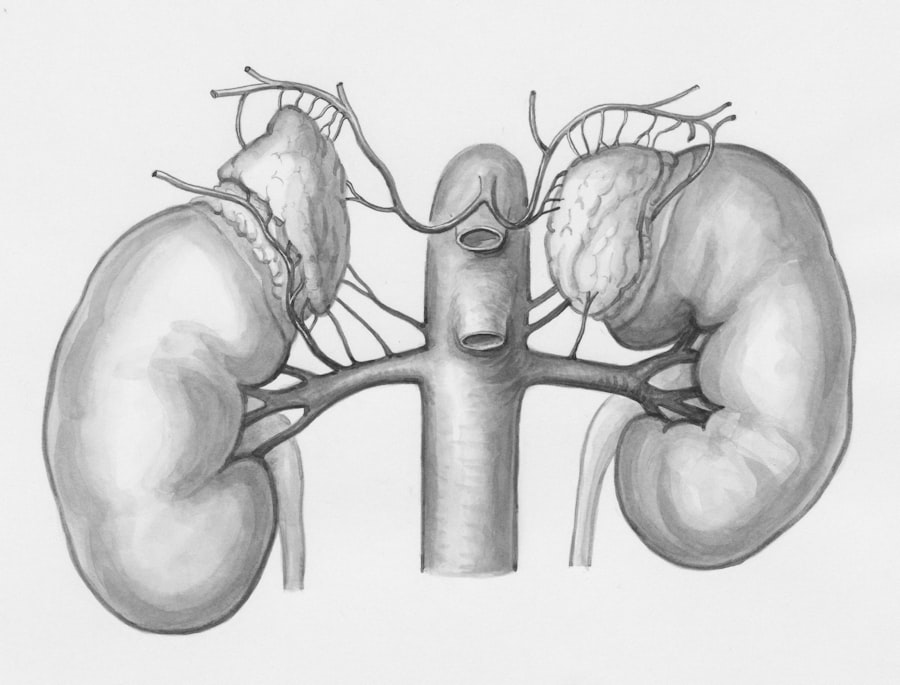
Kidney failure, also known as end-stage renal disease (ESRD), is a serious medical condition where the kidneys are no longer able to filter waste products from the blood effectively. While foamy urine can be a sign of kidney damage that could lead to failure, it’s important to understand the nuances and avoid jumping to conclusions.
How Kidney Damage Leads to Proteinuria
When your kidneys are damaged, the glomeruli, the tiny filters within them, can become inflamed or scarred. This damage compromises their ability to retain larger molecules like proteins, allowing them to leak into the urine. Conditions like diabetes and high blood pressure are the leading causes of chronic kidney disease and, subsequently, kidney failure. These conditions damage the blood vessels in the kidneys, impairing their filtering capacity.
Foamy Urine as an Early Indicator
In many cases, foamy urine due to proteinuria can be an early indicator of kidney damage. This is why it’s so important not to ignore this symptom. Detecting kidney problems in their early stages can significantly improve the chances of slowing down or even halting the progression of the disease, potentially preventing or delaying the onset of kidney failure. Early intervention is key to managing kidney health and preserving kidney function.
Not All Kidney Disease Causes Foamy Urine
It’s critical to remember that not all kidney diseases will present with foamy urine. Some kidney problems might affect other functions of the kidney, or the protein leakage might be minimal and not significant enough to cause noticeable foaming. Conversely, as discussed, other conditions can cause foamy urine without indicating kidney failure. This highlights the necessity of a professional medical diagnosis.
What Happens if You Have Kidney Failure?
If you have been diagnosed with kidney failure, it means your kidneys have lost most or all of their ability to function. This requires treatment interventions such as dialysis or a kidney transplant. The symptoms of kidney failure are often more pronounced and widespread than those associated with early kidney damage. Besides the symptoms mentioned earlier, individuals with kidney failure might experience:
- Severe fatigue and weakness
- Shortness of breath
- Muscle cramps
- Changes in skin color (pale or yellowish)
- Headaches
When to See a Doctor: Practical Steps
You’ve noticed foamy urine, and you’re wondering what to do. The most sensible and responsible course of action is to seek professional medical advice. Don’t let the worry consume you; instead, take proactive steps towards understanding your health.
Schedule an Appointment with Your Primary Care Physician
Your first point of contact should be your primary care physician (PCP). They are equipped to conduct an initial assessment, ask relevant questions about your medical history, lifestyle, and any other symptoms you might be experiencing. They can then determine the most appropriate next steps.
What to Expect During Your Doctor’s Visit
Be prepared to discuss your observations in detail. Your doctor will likely ask questions such as:
- How long have you noticed the foamy urine?
- How frequently does it occur?
- How persistent is the foam?
- Are there any other symptoms you’re experiencing?
- Do you have any pre-existing medical conditions (e.g., diabetes, high blood pressure)?
- Are you taking any medications or supplements?
- What is your diet like?
- How is your fluid intake?
After discussing your symptoms and medical history, your doctor will likely perform a physical examination. They may also order certain tests to help diagnose the cause of your foamy urine.
Diagnostic Tests Your Doctor Might Order
- Urinalysis: This is a standard laboratory test that examines a urine sample for various components, including protein, blood, sugar, and indicators of infection. It’s a crucial test for identifying proteinuria. A dipstick urinalysis can quickly detect the presence of protein, and a more detailed microscopic urinalysis can examine the urine under a microscope for cells, crystals, and other abnormalities.
- Urine Protein Test (24-hour urine collection): If a dipstick urinalysis suggests protein in your urine, your doctor might order a 24-hour urine collection. This involves collecting all urine passed over a 24-hour period to accurately measure the total amount of protein excreted. This test provides a more definitive quantification of proteinuria.
- Blood Tests: Blood tests can assess your kidney function by measuring levels of creatinine and blood urea nitrogen (BUN). These are waste products that are normally filtered out by healthy kidneys. Elevated levels in the blood can indicate that the kidneys are not functioning optimally.
- Imaging Tests: In some cases, your doctor might order imaging tests such as an ultrasound or CT scan of your kidneys to visualize their structure and identify any abnormalities like cysts, tumors, or blockages.
Trusting Professional Medical Advice
It’s essential to remember that medical professionals are trained to diagnose and treat a wide range of conditions. While the internet can provide information, it cannot replace the expertise and personalized care of a doctor. By sharing your concerns and cooperating with diagnostic testing, you are taking the most effective steps towards understanding and addressing the cause of your foamy urine, ensuring your health and well-being. Avoid the temptation of self-treatment or ignoring the symptom altogether. Your doctor is your best resource.
FAQs
What is foamy urine?
Foamy urine is urine that has a frothy or bubbly appearance. It is caused by the presence of protein in the urine, which can create bubbles when the urine is passed.
Is foamy urine always a sign of kidney failure?
Foamy urine can be a sign of kidney failure, but it can also be caused by other factors such as dehydration, vigorous exercise, or a diet high in protein. It is important to consult a healthcare professional for a proper diagnosis.
What are the other symptoms of kidney failure?
Other symptoms of kidney failure can include swelling in the legs, ankles, or feet, fatigue, difficulty concentrating, decreased urine output, and shortness of breath. It is important to seek medical attention if you experience any of these symptoms.
How is kidney failure diagnosed?
Kidney failure can be diagnosed through a combination of blood tests, urine tests, imaging tests such as ultrasound or CT scans, and a physical examination by a healthcare professional.
What are the treatment options for kidney failure?
Treatment for kidney failure may include medication, dietary changes, dialysis, or in severe cases, a kidney transplant. The specific treatment plan will depend on the underlying cause and severity of the kidney failure. It is important to work with a healthcare professional to determine the best course of action.