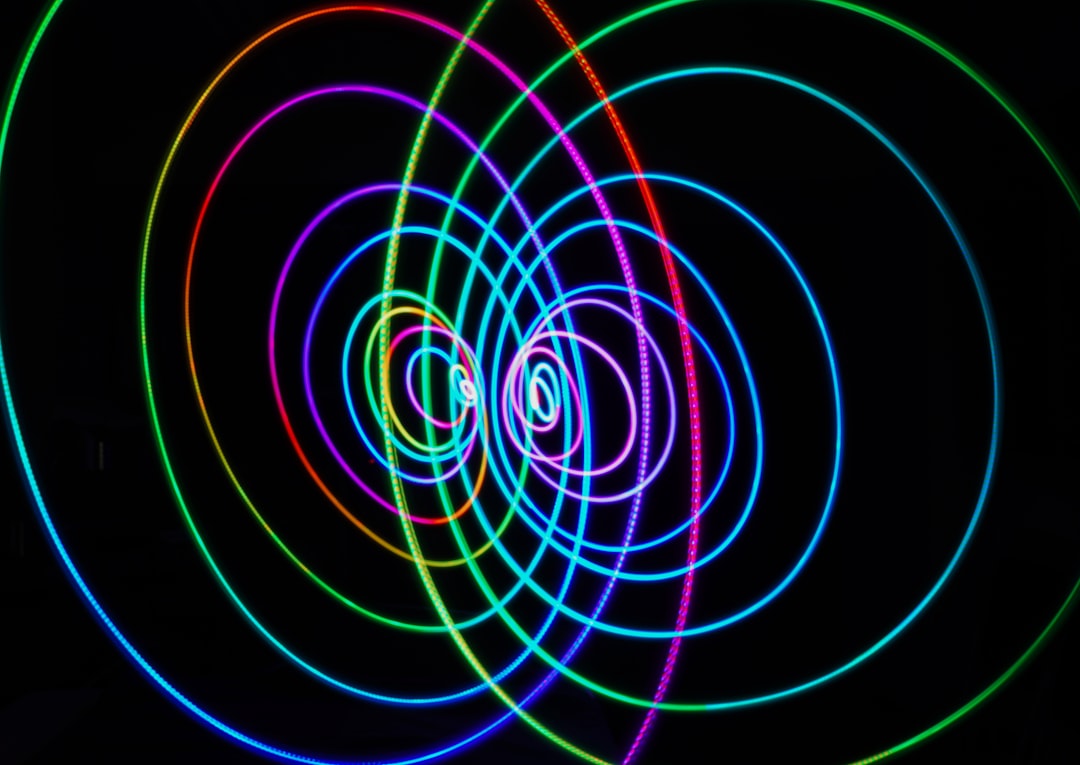
What Exactly Are Electromagnetic Fields?
If you’ve ever heard people talk about “EMFs” and wondered what all the fuss is about, you’re in the right place. Simply put, electromagnetic fields (or EMFs) are invisible areas of energy that surround anything that has an electric charge. Think of them as a sort of force field emanating from electricity. They’re all around us, from natural sources like the sun to the devices we use every day. The important thing to understand is that these fields are a fundamental part of how our universe works, and they come in various forms.
For those looking to deepen their understanding of electromagnetic fields, a great resource is the article available at Freaky Science. This beginner-friendly guide breaks down the fundamental concepts of electromagnetic fields, making it accessible for readers without a technical background. By exploring the basic principles and real-world applications, the article provides a solid foundation for anyone interested in the fascinating world of electromagnetism.
The Basics of Electricity and Magnetism
To really get a handle on EMFs, a quick recap of electricity and magnetism is helpful. These two forces are intrinsically linked, like two sides of the same coin.
Electric Fields
An electric field is created by anything with an electric charge, whether it’s positive or negative. We experience this directly when we feel a static shock – that’s a sudden discharge of electric charge, and the field was there all along. The greater the charge, the stronger the electric field.
Magnetic Fields
A magnetic field is produced by moving electric charges. This is why we associate magnets with their ability to attract or repel metals. When electricity flows through a wire, it creates a magnetic field around that wire. The faster the charge moves, or the more charge there is flowing, the stronger the magnetic field generated.
The Connection: Electromagnetic Fields
Now, here’s where it all comes together. Whenever an electric charge moves (which is what electricity is), it not only creates an electric field but also a magnetic field. And if these fields change, they can create each other. This is the essence of an electromagnetic field – a dynamic interplay between electricity and magnetism. These fields can travel through space as waves, carrying energy.
The Electromagnetic Spectrum: More Than Just Light
The various types of EMFs aren’t all the same. They differ in their frequency and wavelength, and this variation is described by the electromagnetic spectrum. This spectrum is a continuous range of all types of electromagnetic radiation ordered by their frequency or wavelength.
Radio Waves
At one end of the spectrum are radio waves. These have the longest wavelengths and lowest frequencies. They’re used for broadcasting radio and television signals, as well as for Wi-Fi and mobile phone communication.
Microwaves
Microwaves have shorter wavelengths and higher frequencies than radio waves. They’re used in microwave ovens (for heating food) and in radar systems.
Infrared Radiation
Infrared radiation is what we feel as heat. It’s emitted by all objects with a temperature above absolute zero. Remote controls and thermal imaging cameras use infrared.
Visible Light
This is the portion of the spectrum that our eyes can detect – colors from red to violet. The sun is a major source of visible light.
Ultraviolet (UV) Radiation
UV radiation has shorter wavelengths and higher frequencies than visible light. It comes from the sun and can cause sunburn. It’s also used in tanning beds and for sterilizing medical equipment.
X-rays
X-rays have much shorter wavelengths and higher frequencies, giving them enough energy to penetrate soft tissues but be stopped by denser materials like bone. They’re used in medical imaging.
Gamma Rays
At the very high-frequency, short-wavelength end of the spectrum are gamma rays. These are highly energetic and are produced by radioactive decay and cosmic events.
Natural vs. Man-Made EMFs
It’s crucial to distinguish between EMFs that occur naturally and those generated by human technology. Both exist, and understanding the difference helps put things into perspective.
Natural Sources
Our planet is bathed in natural EMFs. The Earth itself has a magnetic field, which protects us from solar radiation. Lightning storms produce powerful bursts of electromagnetic energy. Even our own bodies generate very weak electric fields and magnetic fields through biological processes. The sun, of course, is a massive source of electromagnetic radiation across the entire spectrum, including visible light, UV, and infrared.
Man-Made Sources
The proliferation of electrical and electronic devices in modern life means we are constantly surrounded by man-made EMFs. Think about:
- Power lines: These carry electricity and generate both electric and magnetic fields. The strength of these fields decreases significantly with distance.
- Household appliances: Anything plugged into the wall – refrigerators, toasters, lamps, computers – produces EMFs when in use.
- Wireless devices: Mobile phones, Wi-Fi routers, Bluetooth devices, and smart meters all emit radiofrequency (RF) electromagnetic fields.
- Medical equipment: X-ray machines and MRI scanners use specific types of electromagnetic radiation for diagnostic purposes.
The intensity of these man-made fields depends on the device, how it’s used, and how close you are to it.
If you’re looking to understand the basics of electromagnetic fields, you might find it helpful to read a related article that breaks down the concepts in a beginner-friendly way. This resource explains how electric and magnetic fields interact and their significance in everyday life. For more insights, check out this informative piece on electromagnetic fields at Freaky Science, where you can deepen your understanding of this fascinating topic.
How EMFs Interact with Matter
The way EMFs interact with matter, including living organisms, depends heavily on the type of radiation and its energy level.
Non-Ionizing Radiation
Most of the EMFs we encounter from everyday devices fall into the category of non-ionizing radiation. This includes radio waves, microwaves, visible light, and infrared. The energy of these waves is not high enough to directly remove electrons from atoms or molecules. In essence, they don’t have enough “oomph” to break chemical bonds or damage DNA in the way that ionizing radiation can.
- Heating Effect: The primary way higher-frequency non-ionizing radiation (like microwaves) interacts with matter is by causing molecules, particularly water molecules, to vibrate. This vibration is what generates heat. This is why a microwave oven works.
- Other Interactions: Lower-frequency non-ionizing radiation (like those from power lines or mobile phones) interact with charged particles in our bodies, causing them to move. However, the energy involved in these movements is generally very low and transient.
Ionizing Radiation
At the other end of the spectrum are ionizing radiation, such as X-rays and gamma rays. These have enough energy to knock electrons out of atoms and molecules. This process, called ionization, can damage cells and DNA, which is why exposure to high levels of ionizing radiation is associated with health risks like cancer. This is also why medical procedures using X-rays are carefully controlled and limited.
- DNA Damage: The direct damage to DNA is a primary concern with ionizing radiation. This can lead to mutations and, over time, potentially cancer.
- Cellular Disruption: Beyond DNA, ionization can disrupt normal cellular function and lead to cell death.
Understanding this distinction is key to evaluating potential concerns about EMFs. The vast majority of EMFs in our daily environment are non-ionizing.
Common Concerns and Scientific Understanding
It’s natural to wonder about the potential health effects of all these invisible fields we’re exposed to. This is an area that scientists have been studying for decades.
Research on Health Effects
Much of the public concern centers on long-term exposure to non-ionizing EMFs, particularly from mobile phones and nearby power lines. Research in this area has been extensive, involving epidemiological studies (observing groups of people over time) and laboratory experiments.
- Epidemiological Studies: These studies look for correlations between EMF exposure and health outcomes. For example, some studies on childhood leukemia have explored potential links to living near high-voltage power lines.
- Laboratory Studies: These involve exposing cells or laboratory animals to controlled levels of EMFs to see if specific biological effects can be measured.
Established Effects
The most well-established effect of non-ionizing EMFs, particularly at higher intensities, is heating. This is the principle behind microwave ovens and is also why you might feel warmth from a powerful radio transmitter. Regulatory bodies set exposure limits for EMFs that are designed to prevent significant heating in the human body.
Ongoing Research and What We Know (and Don’t Know)
While the heating effect is clear, the scientific community continues to investigate whether there are other, subtler biological effects from chronic, low-level exposure to non-ionizing EMFs.
- Mobile Phones and Cancer: This is perhaps the most widely studied area. Major health organizations and scientific bodies, such as the World Health Organization (WHO) and the International Agency for Research on Cancer (IARC), have reviewed the evidence. As of now, the consensus among these organizations is that the evidence does not clearly establish a causal link between mobile phone use and cancer. While some studies have suggested a possible association, others have not, and the overall evidence is considered inconclusive for a definite link. Research is ongoing, and classification sometimes evolves as new data emerges.
- Power Lines: Similar extensive research has been conducted on potential links between living near power lines and various health issues, including cancer. The evidence for a causal link has not been consistently established.
- Other Devices: Research continues into other wireless technologies as they become more prevalent.
It’s important to note that the absence of clear evidence of harm doesn’t automatically prove something is entirely risk-free. Science is a process of continuous learning. However, based on the current body of scientific evidence, established health organizations have not concluded that typical levels of exposure to non-ionizing EMFs from everyday devices cause adverse health effects.
Practical Considerations and Minimizing Exposure
While the scientific consensus suggests that typical exposure levels from consumer electronics are not demonstrably harmful, some people prefer to take steps to minimize their exposure. This is often referred to as the “precautionary principle.”
Understanding Exposure Levels
The strength of an EMF decreases with distance. The closer you are to a source, the stronger the field. This is a fundamental principle.
- Distance is Key: Simply moving further away from an EMF source can significantly reduce your exposure. For example, sitting further from your Wi-Fi router or holding your mobile phone slightly away from your head can make a difference.
Simple Strategies for Reducing Exposure
If you’re interested in reducing your exposure, here are a few practical and common-sense tips that don’t require drastic measures:
- Use Speakerphone or Hands-Free Devices: When using your mobile phone, opting for speakerphone or a wired headset can increase the distance between the phone’s antenna (a primary source of RF energy) and your head.
- Limit Mobile Phone Use: Just like any resource, using your phone less will naturally reduce your exposure. Consider if a text message or email is a better alternative to a call for some communications.
- Turn Off Wi-Fi When Not in Use: If you’re not actively using your Wi-Fi network, particularly at night, you can turn it off. This not only reduces potential EMF exposure but can also improve sleep quality for some by reducing ambient electromagnetic “noise.”
- Unplug Appliances When Not in Use: Many appliances emit very low levels of EMFs even when they’re not actively operating (often called “phantom load”). Unplugging them when not needed can reduce overall exposure.
- Be Mindful of Cordless Phones: Older cordless phone base stations can emit RF energy. If you have one, consider placing it further away from where you spend a lot of time. Newer DECT systems are generally designed with lower emissions.
- Choose Wired Connections When Possible: For computers and internet access, wired Ethernet connections emit no RF radiation, unlike Wi-Fi.
These are not about avoiding EMFs entirely, which is practically impossible in modern life, but about making informed choices to reduce exposure where it’s reasonably achievable without causing undue inconvenience. The key is to apply them in a balanced way that fits your lifestyle.
FAQs
What is an electromagnetic field?
An electromagnetic field is a physical field produced by electrically charged objects. It affects the behavior of charged objects in the vicinity of the field.
How is an electromagnetic field created?
An electromagnetic field is created by the movement of electrically charged particles. This movement can occur in the form of electric current or changes in electric and magnetic fields.
What are the properties of an electromagnetic field?
An electromagnetic field has both electric and magnetic components, and it carries energy and momentum. It can also be described in terms of its frequency, wavelength, and amplitude.
What are the practical applications of electromagnetic fields?
Electromagnetic fields are used in a wide range of applications, including wireless communication, electrical power generation and transmission, medical imaging (MRI), and many electronic devices.
Are electromagnetic fields harmful to humans?
Exposure to electromagnetic fields at certain levels can have biological effects on the human body. However, the health effects of long-term exposure to low-level electromagnetic fields are still a topic of ongoing research and debate.