Understanding Earth Systems: A Holistic Approach
Earth, our planet, is a complex and interconnected entity. To truly grasp its workings, a shift from fragmented observation to a holistic perspective is necessary. This approach, known as understanding Earth systems, views our planet not as a collection of independent components, but as a dynamic, integrated whole. No single discipline can fully illuminate the intricate dance of the atmosphere, oceans, land, and life that constitutes our world. Instead, it requires drawing upon the expertise of geologists, biologists, chemists, physicists, and a host of other scientists to paint a comprehensive picture. This article will delve into the foundational principles of Earth systems science, exploring its key components, the interactions that bind them, and the profound implications of this integrated understanding for our current and future existence.
The Earth’s systems are conventionally categorized into several interacting spheres, each with its own unique characteristics and contributions to the planet’s overall functioning. These spheres are not static, isolated domains but rather permeable and constantly influencing one another.
The Lithosphere: The Solid Foundation
The lithosphere represents the rigid outer shell of our planet, encompassing the crust and the uppermost part of the mantle. It is the geological bedrock upon which all terrestrial life exists, a vast and ancient stage for geological processes that have shaped the Earth over eons. Understanding the lithosphere is key to comprehending phenomena ranging from the formation of mountains to the occurrence of earthquakes and volcanic eruptions.
Plate Tectonics: The Grand Conveyor Belt
The theory of plate tectonics is a cornerstone of lithospheric understanding. It posits that the Earth’s lithosphere is broken into several large and numerous smaller tectonic plates that float on the semi-fluid asthenosphere beneath. The movement of these plates, driven by convection currents within the Earth’s mantle, is responsible for continental drift, the creation of ocean basins, and the buckling and folding of rock layers that form mountain ranges. Imagine the Earth’s crust like the cracked shell of a hard-boiled egg; these pieces are constantly, albeit slowly, shifting and interacting.
Divergent Boundaries: Rifts and Ridges
At divergent boundaries, tectonic plates move away from each other. This separation allows magma from the mantle to rise to the surface, creating new crustal material. The Mid-Atlantic Ridge, a massive underwater mountain range, is a prime example of a divergent boundary where new oceanic crust is continuously generated. This process is akin to a continuous conveyor belt, bringing fresh material from the Earth’s interior.
Convergent Boundaries: Collisions and Subduction
Convergent boundaries occur when tectonic plates collide. The outcome of these collisions depends on the types of plates involved. Oceanic-continental convergence, for instance, leads to the oceanic plate subducting beneath the continental plate, resulting in volcanic mountain ranges and deep ocean trenches. Continental-continental collision, on the other hand, can create towering mountain ranges like the Himalayas. This is like a cosmic demolition derby, where immense forces reshape the planet’s surface.
Transform Boundaries: Sliding Past
At transform boundaries, tectonic plates slide horizontally past each other. This movement often results in significant seismic activity, as the friction between the plates builds up and is eventually released in the form of earthquakes. The San Andreas Fault in California is a well-known example of a transform boundary. This is like two giant pieces of sandpaper rubbing against each other; the smoother the slide, the less friction, but when they catch, the release is dramatic.
Geologic Time and Processes
The lithosphere records a vast history of Earth’s evolution. Geologists study rock formations, fossils, and radiometric dating to decipher this history, understanding processes like erosion, weathering, and sedimentation, which continuously sculpt the land. These processes, though seemingly slow on a human timescale, are powerful agents of change over millions of years, shaping landscapes and creating the diverse geological features we observe today.
The Hydrosphere: The Realm of Water
The hydrosphere encompasses all the water on Earth, in all its forms – liquid, solid, and gaseous. Water is fundamental to life and plays a critical role in regulating Earth’s climate and shaping its surface. Its presence and movement connect various Earth systems in profound ways.
The Oceans: The Great Shaper
The oceans cover approximately 71% of the Earth’s surface and are major reservoirs of heat, influencing global weather patterns. Ocean currents act as vast conveyor belts, distributing heat and nutrients across the planet. These currents are driven by a complex interplay of temperature, salinity, and wind, and their absence would lead to dramatically different and likely less hospitable climate conditions.
Thermohaline Circulation: The Global Conveyor
Thermohaline circulation, often referred to as the ocean’s “global conveyor belt,” is driven by differences in water temperature and salinity. Colder, saltier water is denser and sinks, while warmer, less salty water rises. This slow, continuous movement of water masses helps to regulate global climate by transporting heat from the equator towards the poles. Disruptions to this circulation can have far-reaching climatic consequences.
The Water Cycle: The Earth’s Plumbing System
The water cycle, also known as the hydrologic cycle, describes the continuous movement of water on, above, and below the surface of the Earth. It involves processes such as evaporation, transpiration, condensation, precipitation, and runoff. This cycle is essential for distributing fresh water, supporting ecosystems, and influencing weather patterns. It is the planet’s lifeblood, constantly circulating and renewing its precious resource.
Freshwater Systems: From Glaciers to Rivers
Beyond the oceans, freshwater exists in glaciers, ice caps, lakes, rivers, and groundwater. Glaciers and ice caps are vast reservoirs of frozen water that act as important indicators of climate change. Rivers and lakes are vital for terrestrial ecosystems and human societies, providing water for drinking, agriculture, and industry. Groundwater, though often unseen, is a crucial source of potable water for a significant portion of the global population.
The Atmosphere: The Gaseous Envelope
The atmosphere is the layer of gases that surrounds the Earth, held in place by gravity. It is a dynamic system, constantly in motion, responsible for weather, climate, and protecting life from harmful solar radiation. The composition and circulation of the atmosphere are intricately linked to other Earth systems.
Atmospheric Composition: The Breath of Life
The Earth’s atmosphere is primarily composed of nitrogen (about 78%) and oxygen (about 21%), with smaller amounts of argon, carbon dioxide, and other trace gases. These gases are essential for life, providing the oxygen we breathe and helping to regulate Earth’s temperature. The balance of these gases, particularly greenhouse gases like carbon dioxide, is crucial for maintaining a habitable climate.
The Greenhouse Effect: A Natural Blanket
The greenhouse effect is a natural process that warms the Earth’s surface. Certain gases in the atmosphere, such as carbon dioxide and methane, trap heat from the sun, preventing it from escaping back into space. This natural phenomenon makes Earth warm enough to support life. However, an increase in the concentration of these greenhouse gases due to human activities can lead to an enhanced greenhouse effect and global warming. It’s like adding extra blankets on a cool night – initially comfortable, but too many can lead to overheating.
Atmospheric Circulation: Weather and Climate Drivers
The uneven heating of the Earth’s surface by the sun drives atmospheric circulation. Differences in temperature and pressure create winds, which transport heat and moisture around the globe. This circulation patterns are responsible for the diversity of weather we experience, from gentle breezes to powerful storms. Understanding these patterns is crucial for forecasting weather and predicting long-term climate trends.
Jet Streams: High-Speed Highways
Jet streams are fast-flowing, narrow air currents found in the upper atmosphere. They play a significant role in directing weather systems and influencing regional climates. Their position and strength can impact the severity and duration of weather phenomena.
The Coriolis Effect: A Spinning World’s Influence
The Coriolis effect is an apparent force caused by the Earth’s rotation. It deflects moving objects, including winds and ocean currents, to the right in the Northern Hemisphere and to the left in the Southern Hemisphere. This effect is fundamental to the formation of large-scale weather systems like hurricanes and cyclones.
The Biosphere: The Realm of Life
The biosphere encompasses all living organisms on Earth, from microscopic bacteria to the largest whales. It is a manifestation of the intricate interactions between life and the physical environment, and life itself profoundly influences the Earth’s systems.
Biodiversity: Earth’s Living Tapestry
Biodiversity refers to the variety of life on Earth at all its levels, from genes to ecosystems. This intricate web of life is not just aesthetically pleasing; it is essential for the functioning of Earth’s systems. Each species, no matter how small, plays a role in nutrient cycling, decomposition, pollination, and other vital processes. The loss of biodiversity can have cascading and unpredictable consequences for ecosystem stability. Consider a finely woven tapestry; removing a few threads may seem insignificant, but the cumulative removal can unravel the entire piece.
Ecosystems: Interconnected Communities
Ecosystems are communities of living organisms interacting with their physical environment. These can range from a small pond to a vast rainforest. Within ecosystems, energy flows and nutrients are cycled, demonstrating the interconnectedness of life and its environment.
The Role of Microbes: The Invisible Architects
Microorganisms, often overlooked, are the invisible architects of many critical Earth processes. Bacteria and archaea are involved in nutrient cycling, decomposition, and even the formation of rocks. Their metabolic activities are fundamental to the functioning of the biosphere and influence the chemistry of other Earth systems.
Biogeochemical Cycles: The Flow of Matter
Biogeochemical cycles describe the movement of chemical elements through the Earth’s biological, geological, and chemical components. For instance, the carbon cycle, nitrogen cycle, and phosphorus cycle are essential for life’s sustenance and are deeply intertwined with the atmosphere, hydrosphere, and lithosphere. Human activities, such as the burning of fossil fuels and deforestation, are significantly altering these natural cycles, leading to environmental challenges.
The Cryosphere: Earth’s Frozen Realm
The cryosphere refers to all the frozen water on Earth, including glaciers, ice sheets, sea ice, snow cover, and permafrost. It is a vital component of the Earth system, influencing global climate, sea levels, and ocean circulation.
Glaciers and Ice Sheets: Frozen Reservoirs
Glaciers and ice sheets, vast bodies of ice, store an immense amount of freshwater. Their melting contributes significantly to sea-level rise, a critical consequence of global warming. Their reflective surface also plays a role in regulating Earth’s temperature by reflecting solar radiation back into space.
Sea Ice and Permafrost: Sensitive Indicators
Sea ice, which floats on the ocean, and permafrost, permanently frozen ground, are particularly sensitive to changes in temperature. Declines in Arctic sea ice extent are linked to amplified warming in the region and have downstream effects on weather patterns. Thawing permafrost releases trapped greenhouse gases, further contributing to climate change.
In the realm of Earth systems science, understanding the intricate interactions between the atmosphere, hydrosphere, biosphere, and geosphere is crucial for addressing global challenges such as climate change and resource management. A related article that delves into these interconnected systems and their implications for sustainability can be found at Freaky Science. This resource provides valuable insights into how various Earth systems function together and the importance of maintaining their balance for the health of our planet.
Interconnections and Feedbacks: The Web of Influence
The true essence of Earth systems science lies in understanding the myriad interactions and feedback loops that connect these spheres. No component of Earth operates in isolation; changes in one sphere inevitably ripple through the others.
The Ocean-Atmosphere Connection: A Delicate Dance
The oceans and atmosphere are inextricably linked, exchanging heat, moisture, and gases. El Niño-Southern Oscillation (ENSO) is a prime example of this connection, where shifts in ocean temperatures in the Pacific Ocean have global impacts on weather patterns. This relationship is like a constant dialogue, where each informs and influences the other.
Heat Exchange: The Drive of Weather
The oceans absorb and release vast amounts of heat, acting as a massive thermostat for the planet. This heat exchange drives atmospheric circulation, influencing weather patterns on regional and global scales.
Carbon Dioxide Exchange: A Vital Sink
The oceans absorb a significant portion of anthropogenic carbon dioxide from the atmosphere, acting as a crucial carbon sink. However, this absorption leads to ocean acidification, which has detrimental effects on marine ecosystems.
The Biosphere’s Influence on Climate: A Living Regulator
The biosphere, through processes like photosynthesis and respiration, plays a significant role in regulating atmospheric composition and climate. Forests, for example, absorb carbon dioxide and release oxygen, influencing the carbon cycle and mitigating climate change.
Photosynthesis: Nature’s Carbon Capture
Plants and other photosynthetic organisms remove carbon dioxide from the atmosphere to produce energy and build their tissues. This process is fundamental to the carbon cycle and helps to regulate atmospheric CO2 concentrations.
Respiration: Releasing Stored Energy
The release of carbon dioxide through respiration by living organisms also contributes to the atmospheric composition and plays a role in the carbon cycle.
The Lithosphere’s Role in Nutrient Cycling: The Earth’s Larder
The lithosphere provides the essential nutrients that sustain life. Weathering of rocks releases minerals into soils and water, which are then absorbed by plants and passed up the food chain. This slow, geological release of nutrients is fundamental to the long-term habitability of Earth.
Soil Formation: The Foundation for Life
Soil formation, a process involving the breakdown of rocks and the accumulation of organic matter, is a critical function of the lithosphere. Healthy soils are teeming with microbial life and provide the essential nutrients for plant growth, forming the base of most terrestrial food webs.
Volcanic Activity: A Double-Edged Sword
Volcanic eruptions can release greenhouse gases into the atmosphere, temporarily affecting climate. However, they also release minerals and nutrients that can enrich soils, contributing to long-term fertility.
Feedback Loops: Amplification and Stabilization
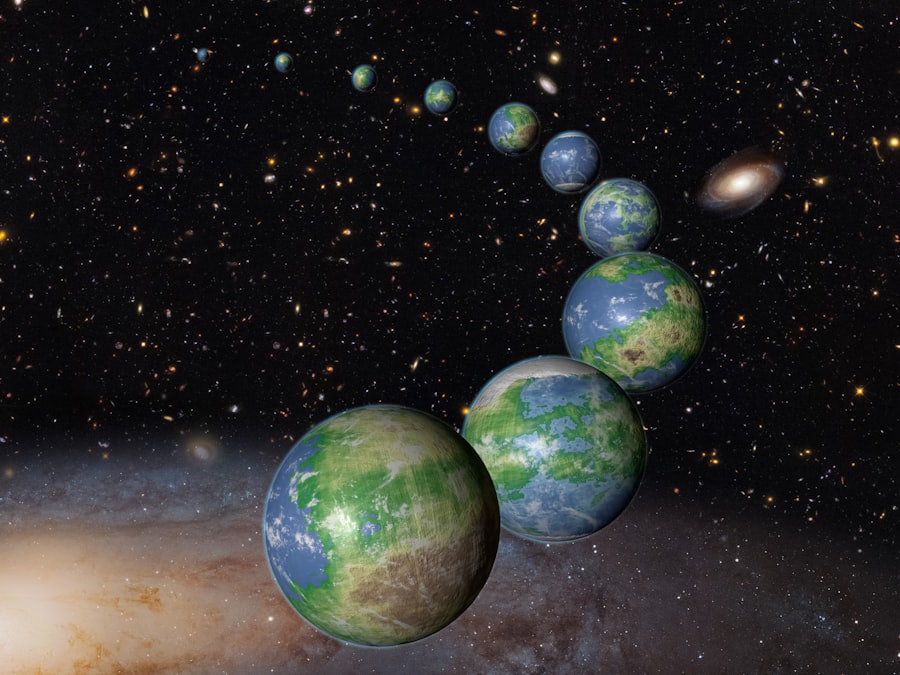
Earth systems are characterized by a complex network of feedback loops, which can either amplify or dampen initial changes.
Positive Feedback Loops: Amplifying Change
Positive feedback loops tend to amplify an initial change, leading to further amplification. For example, as Arctic sea ice melts, less solar radiation is reflected back into space, leading to further warming and more ice melt. This creates a vicious cycle.
Negative Feedback Loops: Stabilizing the System
Negative feedback loops, conversely, tend to counteract an initial change, promoting stability. An example is increased cloud cover in response to warming, which reflects more solar radiation, thus cooling the planet and reducing further warming.
The Human Dimension: Our Impact and Responsibility
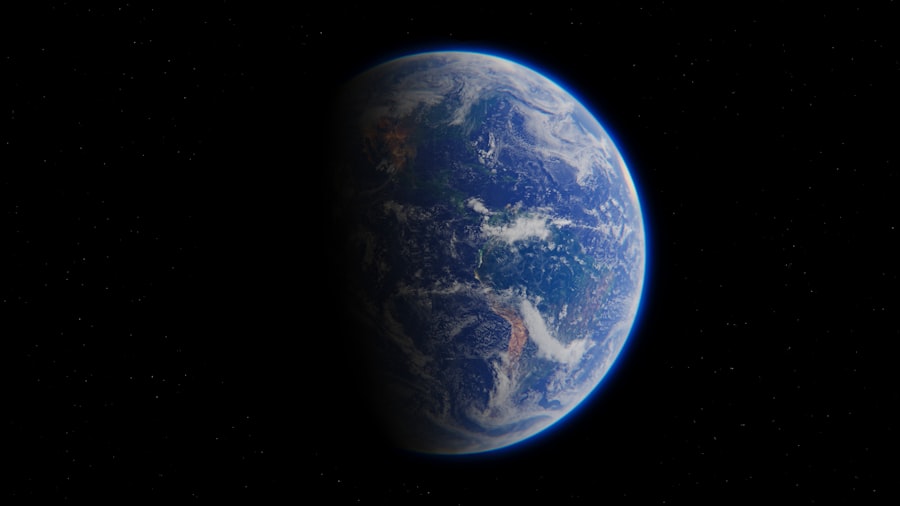
As inhabitants of Earth, humanity is now a significant force shaping its systems. Understanding Earth systems provides a crucial framework for comprehending our impact and informing responsible stewardship.
Anthropogenic Impacts: Shifting the Balance
Human activities, from industrialization and agriculture to urbanization and resource extraction, have profoundly altered Earth’s systems. These impacts include climate change, biodiversity loss, ocean acidification, and widespread pollution. We are no longer passive observers but active players, wielding considerable influence over the planet’s future.
Climate Change: A Global Challenge
The scientific consensus is clear: the Earth’s climate is warming at an unprecedented rate, primarily due to human emissions of greenhouse gases. This warming is leading to a cascade of consequences, including rising sea levels, more extreme weather events, and disruptions to ecosystems.
Sea-Level Rise: The Expanding Oceans
The melting of glaciers and ice sheets, coupled with the thermal expansion of seawater, is causing global sea levels to rise. This poses significant threats to coastal communities, ecosystems, and infrastructure.
Extreme Weather Events: The Amplified Fury
Climate change is contributing to an increase in the frequency and intensity of extreme weather events such as heatwaves, droughts, floods, and storms. These events have devastating impacts on human societies and natural environments.
Biodiversity Loss: The Silent Extinction
Human activities are driving unprecedented rates of biodiversity loss, with countless species facing extinction. This loss weakens ecosystems, reduces their resilience, and diminishes the vital services they provide.
Towards Sustainable Futures: A Holistic Imperative
A holistic understanding of Earth systems is not merely an academic pursuit; it is an imperative for navigating the challenges of the 21st century. By recognizing the interconnectedness of our planet’s components, we can develop more effective strategies for conservation, sustainable resource management, and climate change mitigation. This requires interdisciplinary collaboration and a global commitment to protecting our shared home.
Integrated Environmental Management: Synergistic Solutions
Effective environmental management requires an integrated approach that considers the interactions between different Earth systems. This moves beyond single-issue problem-solving to embrace solutions that address multiple challenges simultaneously.
Policy and Governance: Shaping a Sustainable Path
Understanding Earth systems informs the development of effective environmental policies and governance structures. Informed decision-making at local, national, and international levels is crucial for guiding humanity towards a sustainable future.
Earth systems science is a multidisciplinary field that examines the interactions between the atmosphere, hydrosphere, lithosphere, and biosphere. A fascinating article that delves into the complexities of these interactions can be found on Freaky Science, where it explores the impact of climate change on ocean currents and weather patterns. For more insights, you can read the article here. Understanding these systems is crucial for predicting future environmental changes and developing strategies for sustainability.
Conclusion: Embracing the Interconnectedness
| Earth System Component | Description | Key Metrics | Typical Units |
|---|---|---|---|
| Atmosphere | Layer of gases surrounding Earth | CO₂ concentration, Temperature, Atmospheric Pressure | ppm, °C, hPa |
| Hydrosphere | All water on Earth including oceans, lakes, rivers | Sea level, Salinity, Ocean temperature | meters, PSU (Practical Salinity Units), °C |
| Geosphere | Earth’s solid rock and soil layers | Seismic activity, Soil composition, Rock density | Richter scale, %, g/cm³ |
| Biosphere | All living organisms on Earth | Biomass, Species diversity, Net primary productivity | tons/ha, species count, gC/m²/year |
| Cryosphere | Frozen water parts of the Earth system | Ice sheet volume, Snow cover extent, Glacier mass balance | km³, million km², meters water equivalent |
Understanding Earth systems is a continuous journey of discovery. It demands a willingness to look beyond superficial observations and to embrace the intricate web of connections that define our planet. By adopting a holistic perspective, we can gain a deeper appreciation for the delicate balance of Earth’s processes and recognize our profound responsibility in safeguarding its future. The planet is not a collection of independent parts to be exploited; it is a living, breathing organism, and our well-being is inextricably linked to its health. A comprehensive grasp of Earth systems equips us with the knowledge to act as responsible stewards, ensuring a vibrant and sustainable future for all life on Earth.
FAQs
What is Earth Systems Science?
Earth Systems Science is an interdisciplinary field that studies the Earth as a complex system composed of interacting components, including the atmosphere, hydrosphere, lithosphere, and biosphere. It aims to understand how these components interact and influence the planet’s processes and environment.
What are the main components studied in Earth Systems Science?
The main components studied are the atmosphere (air), hydrosphere (water), lithosphere (land), and biosphere (living organisms). Researchers examine how these spheres interact and affect Earth’s climate, geology, ecosystems, and overall system dynamics.
Why is Earth Systems Science important?
Earth Systems Science is important because it helps us understand the complex interactions that regulate Earth’s environment and climate. This knowledge is crucial for addressing global challenges such as climate change, natural disasters, resource management, and environmental sustainability.
How does Earth Systems Science contribute to climate change research?
Earth Systems Science provides insights into how different Earth components influence climate patterns and how human activities impact these systems. By studying feedback loops and interactions, scientists can better predict climate change effects and develop strategies for mitigation and adaptation.
What tools and methods are used in Earth Systems Science?
Researchers use a variety of tools and methods, including satellite observations, computer models, field experiments, and data analysis techniques. These tools help simulate Earth processes, monitor environmental changes, and improve understanding of system interactions over time.